REVIEW · COOKING CLASSES
Bangkok: Favourite Thai Flavors Cooking Class by Smart Cook
Book on GetYourGuide →Operated by Smart Cook Bangkok · Bookable on GetYourGuide
One good smell and you’re hooked. This Bangkok Thai cooking class turns Thai food into something you can actually recreate at home, with a hands-on small-group setup in a traditional teak-wood house. I’m especially drawn to the clear, step-by-step teaching style (many classes are led by chefs like Snow White or Poppy) and the ingredient guidance that goes beyond recipes.
What I like most is practical food logic: how to balance flavors and choose the right ingredients, not just how to follow directions. The class is also fun in a low-key way, with plenty of time at the stove so you’re doing real work, not watching. One consideration: the meeting spot can be a little tricky to find, so I suggest arriving early and double-checking directions.
In This Review
- Key points that make this Bangkok cooking class worth your time
- Entering a Two-Story Teak-Wood Thai House in Bangkok
- What You’ll Cook in 150 Minutes (and Why That Time Works)
- Pad Thai Class: Learn the Flavor Balancing, Not Just the Steps
- Chicken in Coconut Milk: Creamy Sauce, Controlled Heat
- Mango Sticky Rice: Sweet Rice With Real-World Adaptability
- The Ingredient Part: Learning to Choose Like a Local
- Your Chef and the English Teaching Style That Actually Helps
- Small Group Energy: Cooking With Others, Not Just Around Them
- Price and Value: Why $32 Feels Fair for This Setup
- Booking Timing: Pick a Class Slot That Fits Your Heat and Energy
- Location Reality Check: How to Avoid Wasted Time
- Who Should Book This Cooking Class (and Who Should Skip It)
- FAQ
- FAQ
- How long is the cooking class?
- What dishes will I learn to cook?
- Is the class taught in English?
- How big is the group?
- What’s included in the price?
- Are drinks like beer included?
- What do I need to bring?
- Is alcohol allowed during the class?
- Can I get a refund if my plans change?
- Should You Book Smart Cook Bangkok?
Key points that make this Bangkok cooking class worth your time
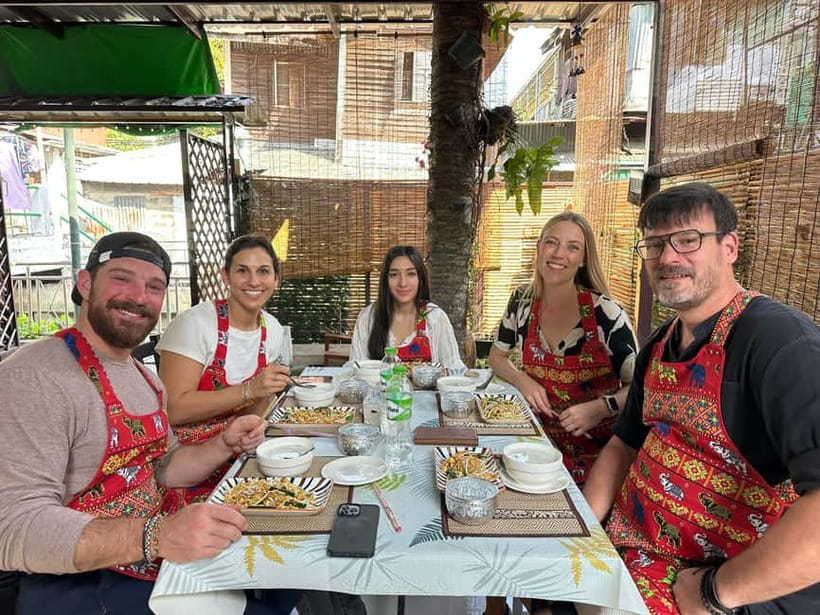
- Learn three classics: Pad Thai, chicken in coconut milk, and sweet sticky rice with mango
- Small group limit (up to 8) means you can get real help while you cook
- English instruction works well for beginners and kitchen-challenged folks
- Thai ingredient know-how including how to pick and use items like herbs and spices
- Take-home recipes via an online PDF recipe book
- Traditional Thai home setting at a two-story teak-wood house meeting point
Entering a Two-Story Teak-Wood Thai House in Bangkok
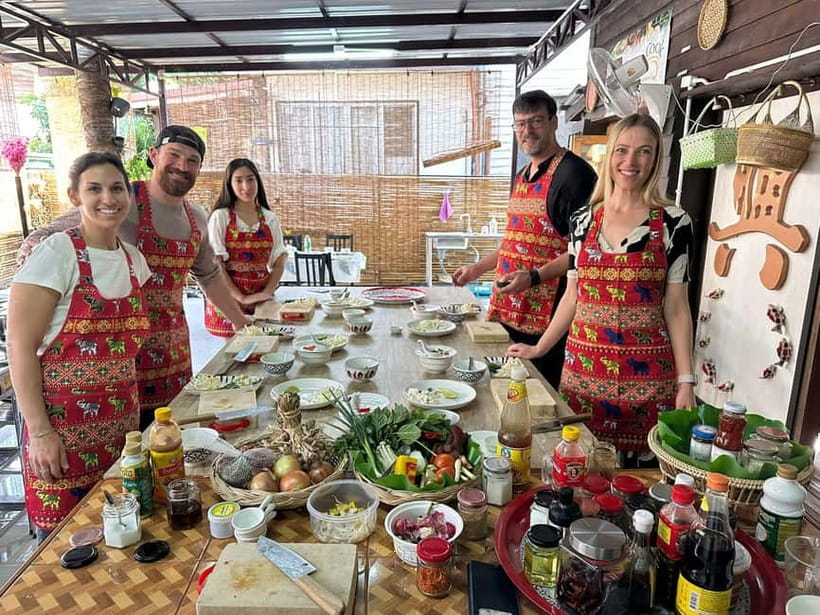
This experience starts at a real Thai home, not a restaurant kitchen with fluorescent lights. You meet at a two-story old Thai-style teak wood house, and the vibe is quieter and more personal than the typical tourist “show and taste” setup.
I like this kind of setting because it nudges you toward the Thai way of cooking. Thai home cooking is about texture, timing, and balancing flavors—not fancy gadgets. You’ll also see why the school is family-run and operating across Thailand since the late 1990s and 2000s, rather than being a quick pop-up concept.
Practical note: the location can take a little time to track down. Multiple people recommend coming early because it’s not always immediately obvious from the outside. Once you arrive, though, it feels intentional and comfortable.
You can also read our reviews of more cooking classes in Bangkok


What You’ll Cook in 150 Minutes (and Why That Time Works)
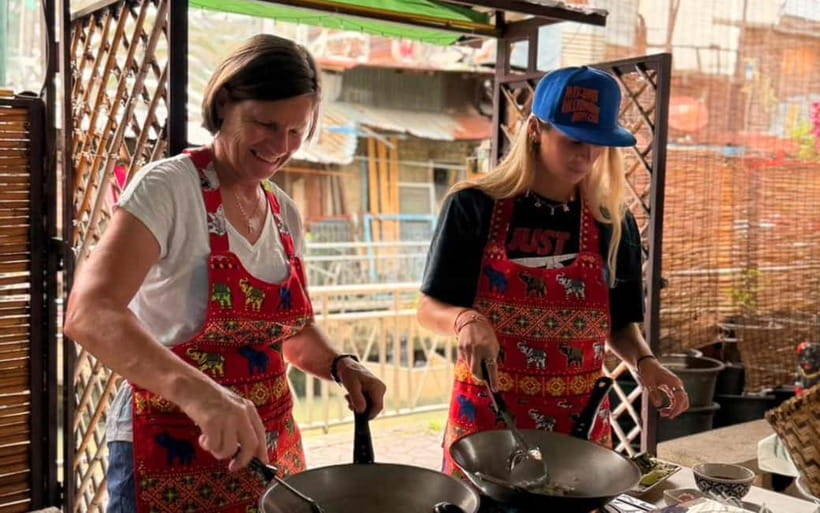
The class runs about 150 minutes and is built around learning three specific dishes:
- Pad Thai
- Chicken in coconut milk
- Sweet sticky rice with mango
You’ll cook hands-on with all ingredients provided, plus tea, coffee, and drinking water. The meal is part of the experience: you don’t just make food and leave it behind. You’ll also take home a gourmet souvenir from Thailand, described as something to share with friends and family.
Why this timing matters: three dishes in 2.5 hours is enough to learn technique and flavor balancing without dragging on. It’s also the sweet spot for beginners—long enough to build confidence, not so long that you’re exhausted before you even taste what you made.
Pad Thai Class: Learn the Flavor Balancing, Not Just the Steps
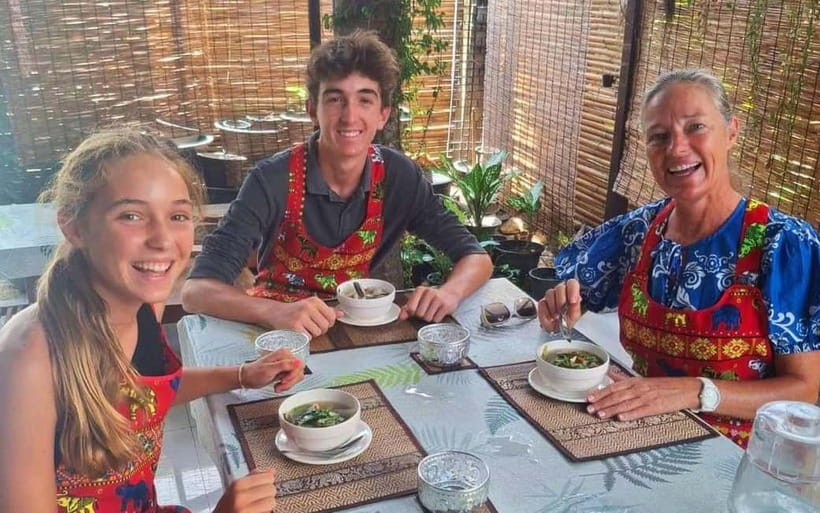
Pad Thai is one of those dishes everyone thinks they know. The real difference here is how the instructor frames the flavor work. Expect guidance that helps you understand what you’re aiming for: sweet, salty, sour, and a little kick, working together.
In a small group setting, you can usually get clarification as you go. That matters with Pad Thai because it’s easy to mess up if you don’t know when to add ingredients or how to treat the noodles and sauce. The teaching style reported in many sessions is calm and clear, with instructors explaining what you’re doing and why.
You’ll also get ingredient tips for Thai cooking, including practical substitutes for ingredients you might not find easily at home. That’s one reason this class feels more like a skill lesson than a one-off meal.
Chicken in Coconut Milk: Creamy Sauce, Controlled Heat
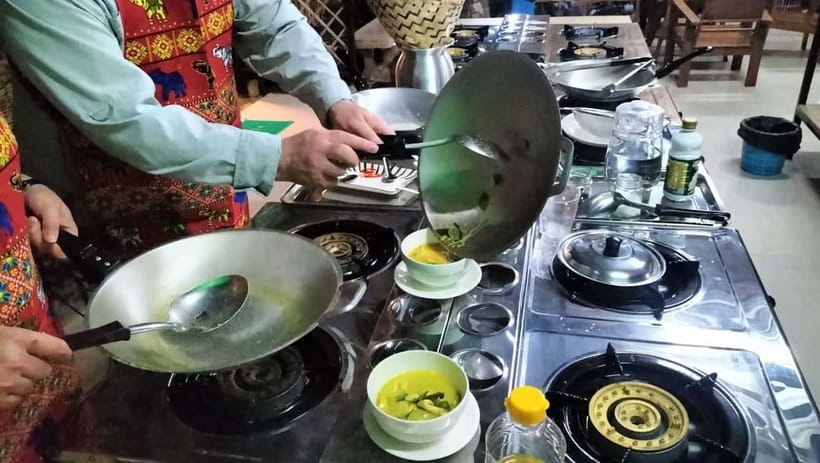
Chicken in coconut milk can go two ways: bland and watery, or heavy and cloying. The best version is neither—it’s creamy, fragrant, and balanced.
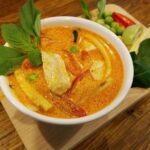
In this class, you’ll learn to make it properly by focusing on method and pacing. You’re not just dumping in ingredients. You’re guided through building flavor and controlling heat so the sauce stays rich without turning greasy or flat.
A helpful bonus: instructors often add extra cooking tricks while you cook, like small timing cues or how to adjust seasoning. One of the most repeated themes is that the chefs are friendly and patient, and that the lessons are achievable even if you’re not naturally confident in the kitchen.
Mango Sticky Rice: Sweet Rice With Real-World Adaptability
Sweet sticky rice with mango is dessert comfort food, but it’s also a technique dish. Getting the right rice texture and getting the balance of sweetness right is the difference between “pretty good” and “I need this again tomorrow.”
This class teaches the core method and seasoning approach so you can reproduce it. Also, keep in mind that tropical fruit doesn’t always cooperate. One person shared that the instructor adapted to bananas when mango wasn’t in season, which is a good reminder of how Thai cooking can be practical and seasonal rather than rigid.
If you’re thinking you want a class that covers both savory and sweet skills, this one does. It’s a full Thai meal structure: stir-fry style main, coconut-rich main, and then a sticky-sweet finish.
You can also read our reviews of more tours and experiences in Bangkok

The Ingredient Part: Learning to Choose Like a Local
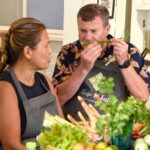
One standout feature is the visit to a Thai family home to learn about Thai ingredients and how to choose them. Even if you’ve eaten Thai food a dozen times, this is where you start thinking like a cook.
You can expect discussion around key herbs, spices, and how to judge ingredient quality. This is the stuff that makes the difference when you try to recreate flavors later. A lot of classes stop at cooking steps; here, you get more of the “why” behind the dishes.
From the way instructors are described, you’ll likely also get guidance on seasoning and culinary etiquette—how Thai meals work socially and how ingredients are used with intent. That kind of context isn’t just cultural trivia. It helps you understand what you’re tasting and adjusting.
Your Chef and the English Teaching Style That Actually Helps
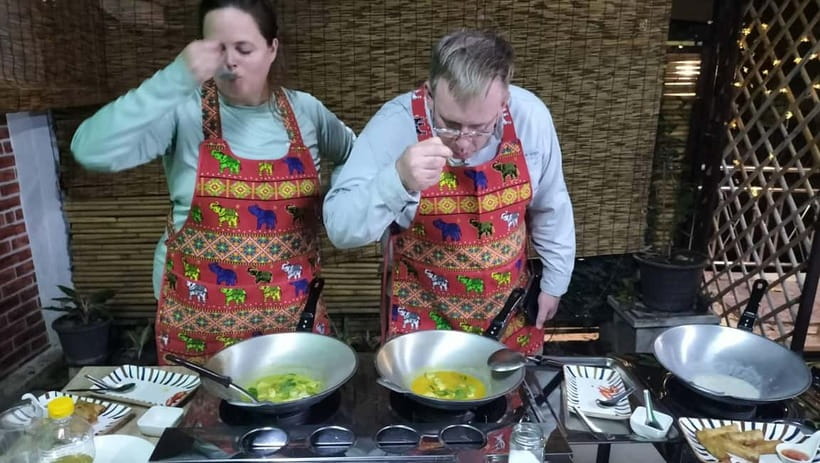
Instruction is in English, and the school runs small groups limited to 8 participants. That small size shows up in how people describe the lessons: clear explanations, supportive pacing, and lots of chances to ask questions while the dish is in progress.
Many reviews highlight chefs with memorable nicknames and personalities, especially Snow White and Poppy. Other sessions mention Mac as well. What you should take from that: the instruction style seems consistent even when the chef changes—warm, organized, and hands-on.
If you’re a beginner, that’s key. Several reviews mention the dishes turning out well regardless of skill level, which usually means the teacher breaks tasks into manageable chunks and offers practical fixes when something needs adjustment.
Small Group Energy: Cooking With Others, Not Just Around Them
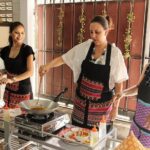
Even when it’s a group class, you’re not stuck watching other people cook. You’re participating. That hands-on element is often what people remember most: you learn by doing, and you get to taste your progress.
In a few notes, people also mention social benefits like meeting others and connecting quickly. That doesn’t mean the class turns into a party. It’s still structured. It just feels friendlier than a big group tour.
If you’re traveling solo, this kind of format can be a relief. You get conversation without being forced into awkward group dynamics.
Price and Value: Why $32 Feels Fair for This Setup
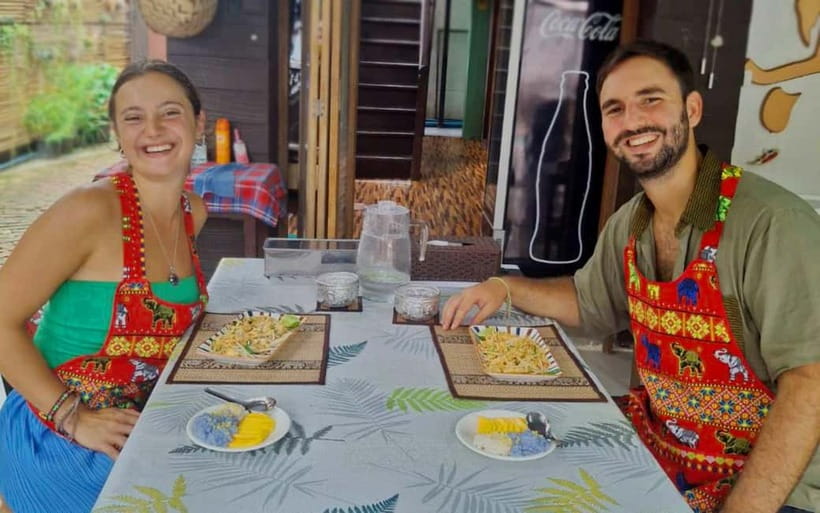
At about $32 per person for 150 minutes, this class is priced in the “doable” range for Bangkok. But value isn’t just the number—it’s what’s included.
You get:
- hands-on cooking experience
- all ingredients
- tea, coffee, and drinking water
- a recipe book in PDF format
- a guided English instructor
- three dishes plus a take-home gourmet souvenir
When a class provides ingredients and gives you recipes after, you’re not paying again to figure out what you missed. The online PDF recipe book is especially useful if you want to cook at home instead of treating it as a one-time meal.
One more quiet value point: cooking three popular Thai dishes well is more useful than sampling a wider menu once. You’ll leave with techniques you can use again, not just memories of what you ate.
Booking Timing: Pick a Class Slot That Fits Your Heat and Energy
The class offers three convenient class times. In Bangkok, that flexibility matters because the weather can wear you down. I’d aim for a slot that lets you arrive relaxed, not rushed.
Also, plan to wear comfortable clothes. You’ll be standing and working at kitchen space. Even if you don’t cook for a living, there’s real activity in this class.
Bring a camera if you want photos of the dishes you make. That’s a simple “yes,” because you’ll have a few moments to capture what you created before eating.
Location Reality Check: How to Avoid Wasted Time
This is the part I’d treat like a mini mission. Several people say the venue can be hard to find, and recommend arriving early. The good news is that once you locate it, the inside is described as organized and perfect for cooking.
So, here’s my practical approach: head over earlier than you think, confirm directions, and don’t be shy about asking locals for help. Bangkok is used to visitors, and you’ll usually get an answer fast.
Who Should Book This Cooking Class (and Who Should Skip It)
This class is a strong match if you want:
- a hands-on Bangkok Thai cooking class with real instruction
- to learn Pad Thai and two other classic dishes
- small group attention (limited to 8)
- English teaching
- a take-home recipe PDF so you can cook later
It’s less ideal if you use a wheelchair, because it isn’t suitable for wheelchair users based on the activity info you’re given.
FAQ
FAQ
How long is the cooking class?
The class lasts about 150 minutes.
What dishes will I learn to cook?
You’ll learn to cook Pad Thai, chicken in coconut milk, and sweet sticky rice with mango.
Is the class taught in English?
Yes, instruction is in English.
How big is the group?
The group is limited to 8 participants.
What’s included in the price?
The price includes the hands-on cooking experience, a Thai cooking instructor, all ingredients, a recipe book online in PDF format, plus tea, coffee, and drinking water.
Are drinks like beer included?
No. Beer or other beverages are not included.
What do I need to bring?
Bring a camera and wear comfortable clothes.
Is alcohol allowed during the class?
Alcohol and drugs are not allowed.
Can I get a refund if my plans change?
You can cancel up to 24 hours in advance for a full refund.
Should You Book Smart Cook Bangkok?
If you want a Bangkok experience that turns Thai flavors into a repeatable home skill, book this. The small group limit, hands-on format, and clear instruction style are the big wins, and the fact that you leave with a PDF recipe book makes the value last longer than your afternoon.
Book it especially if you’re drawn to classic dishes like Pad Thai and mango sticky rice, or if you want ingredient guidance that helps you cook with more confidence. Just plan for the one downside—arrive early so you can find the teak-wood house without stress.