REVIEW · COOKING CLASSES
Pink Chili – Thai Cooking Class and Market Tour in Bangkok
Book on Viator →Operated by Pink Chili - Thai Cooking School in Bangkok · Bookable on Viator
Thai cooking starts at the market.
This class pairs a hands-on On Nut fresh market ingredient hunt with real wok cooking, so you’re not just following steps—you’re learning why Thai food tastes the way it does. I love that you get to build your meal from fresh produce and pantry staples, and you finish by sitting down to eat what you cooked.
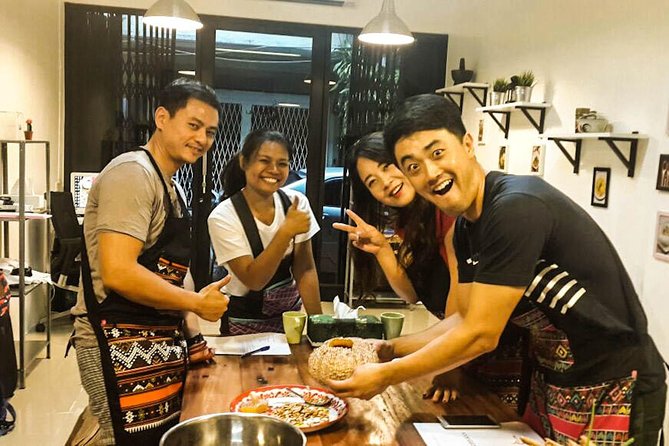
The teacher, Pimmy, runs the show with a steady rhythm and clear explanations, and it shows in how confident you feel during prep and cooking. The class is small (max 10), so you’re not stuck watching while everyone else cooks.
One thing to watch: Bangkok traffic can be heavy, and the meeting spot isn’t in the city center, so give yourself extra time to arrive relaxed.
In This Review
- Key highlights you’ll feel fast
- On Nut fresh market: where Thai flavor starts
- Meet Pimmy and learn ingredients you can actually find again
- From curry to soup to spring rolls: how the class flows
- Hands-on wok cooking: the technique you’ll remember
- The meal you cook: lunch or dinner with real payoff
- Small-group comfort: why max 10 matters
- Price and value: what $38.81 buys you in Bangkok
- Logistics that can make or break your day
- Who should book this cooking class (and who should skip it)
- Should you book Pink Chili? My practical take
- FAQ
- What’s the duration of the Pink Chili Thai Cooking Class and Market Tour?
- How much does it cost per person?
- Where does the tour start?
- What happens during the market part of the tour?
- What dishes will I learn to make?
- Is lunch or dinner included?
- How big is the group?
- Are recipes included?
- Is alcohol included in the price?
- What should I wear?
- Cancellation and weather notes
Key highlights you’ll feel fast
- On Nut fresh market stop to pick ingredients like a local, not a tourist
- Small group size (max 10) for real hands-on time
- Pimmy and the team guide you step-by-step through Thai techniques
- Wok cooking practice so you learn texture, heat, and timing
- Recipes included, so you can recreate flavors at home
- Lunch or dinner included, plus non-alcoholic drinks and Wi‑Fi
On Nut fresh market: where Thai flavor starts
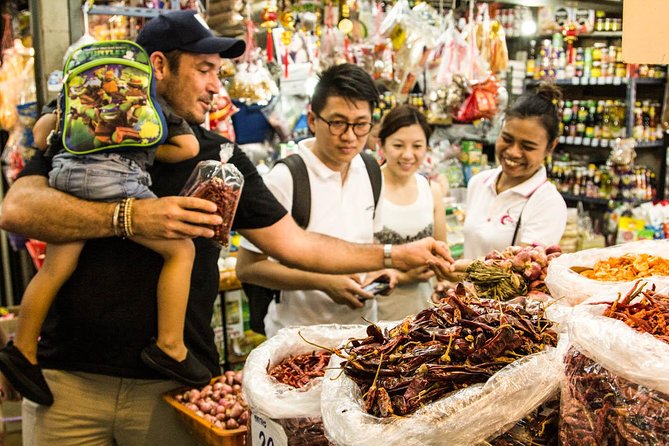
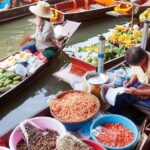
The best part of this experience is how it begins: you go to the On Nut fresh market first. Instead of treating ingredients like random items on a board, you learn how Thai cooking starts with choices—fresh herbs, aromatics, vegetables, and the right pantry basics.
In practice, this market time sets you up for success later. When you’ve seen what to look for (and how ingredients are used), the cooking class becomes less stressful. You’re not guessing. You’re cooking with context.
Also, markets in Bangkok move fast. It helps that you’re there with an expert who can help you sort through language barriers and make sense of unfamiliar ingredients. If you want authentic Thai food rather than a generic cooking demo, this first stop matters a lot.
You can also read our reviews of more shopping tours in Bangkok


Meet Pimmy and learn ingredients you can actually find again
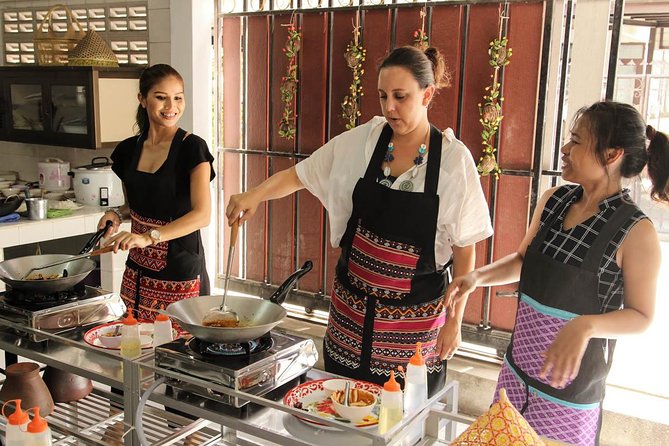
The class is led by Pimmy, and the vibe from the start is practical: you walk, you look, you ask questions, and you connect ingredients to the final dish. That’s a big deal in a Thai cooking class. The difference between good and great is often the ingredient itself, not the recipe card.
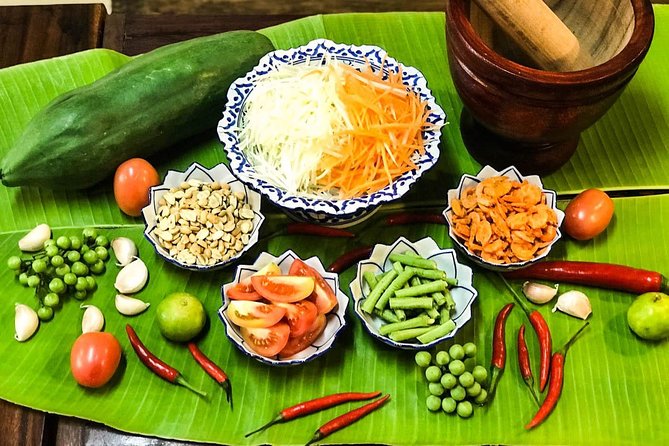
You’ll select ingredients and learn how they show up in common Thai dishes. Expect plenty of attention to what’s fresh and what matters for flavor and texture. This is exactly the kind of learning that helps after you get home, because you’ll remember the “why” behind the step.
There’s also a big value in how the instruction is structured. Even when someone in the group is still getting their footing, the teaching team works to keep everyone moving. It’s hands-on, not just watching someone else cook.
One small caution: a few people noted that it can be hard to understand the leader at times. If you’re sensitive to accents or fast explanations, just know you might need to ask clarifying questions during prep.
From curry to soup to spring rolls: how the class flows
The cooking portion is where this turns from a food outing into a true skill-building class. The experience is designed around a hands-on wok approach, so you’ll get practice using heat, timing, and Thai-style flavors—not just assembling ingredients once.
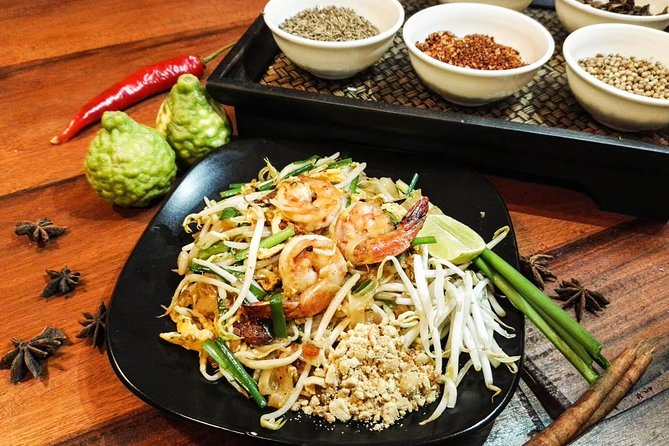
You’ll learn Thai specialties such as red curry, sour shrimp soup, and spring rolls. And you’ll also work with popular dishes like pad thai, green curry, and mango sticky rice. That gives you a nice spread: stir-fry, curry, soup, noodles, and dessert.
Here’s what I like about this setup: it trains your palate in multiple directions. Curries teach you balance and fragrance. Soups teach you how flavors develop. Noodles teach you how texture matters. And spring rolls remind you that wrapping and crispness are their own mini science.
Even if your chopping skills are rusty, don’t worry. The team’s job is to keep you cooking, not just tasting. The goal is that you leave knowing what to do, not only what something should taste like.
Hands-on wok cooking: the technique you’ll remember
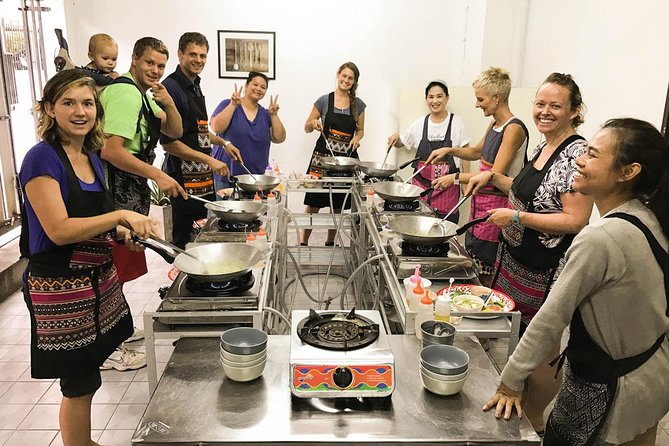
Thai cooking is heat-driven. That’s why a wok class is different from many “cook at a station” workshops. Here, the focus is on hands-on wok cooking, which means you learn how quickly things change once the pan is hot.
You’ll practice cooking in a way that matches how Thai food is often made: fast, focused, and adjusted as you go. That’s the kind of technique that’s hard to get from a recipe app. During the class, you can smell changes in real time as ingredients cook, sauces reduce, and aromatics bloom.
One review also mentioned the classroom can be air-conditioned, which matters in Bangkok. Comfort affects your concentration, and you’ll want to stay focused during stir-fry and curry prep.
If you’ve ever struggled to get Thai food “right” at home, this part is likely the missing piece. You’re not just learning ingredients. You’re learning how cooking behaves.
The meal you cook: lunch or dinner with real payoff
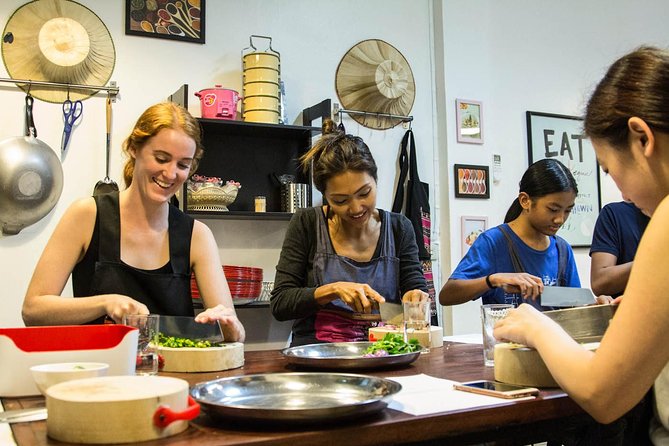
After you cook, you finally sit down and enjoy the meal. That’s not a throwaway ending. The whole point is that your effort becomes your lunch or dinner.
You’ll eat dishes you prepared yourself, and you’ll get a chance to taste what you made while it’s still fresh. Reviews repeatedly highlight that the final food is genuinely delicious—so you’re not paying for a class that ends with a mediocre plate.
One practical note: some people said you don’t get to eat until the end. If you tend to get cranky when hungry, bring your patience—or grab a small snack before you arrive.
Also, because you’ll be eating what you cooked, come ready for a full meal. Plan around it. This isn’t a quick taste at the end of a half-day schedule.
You can also read our reviews of more tours and experiences in Bangkok



Small-group comfort: why max 10 matters
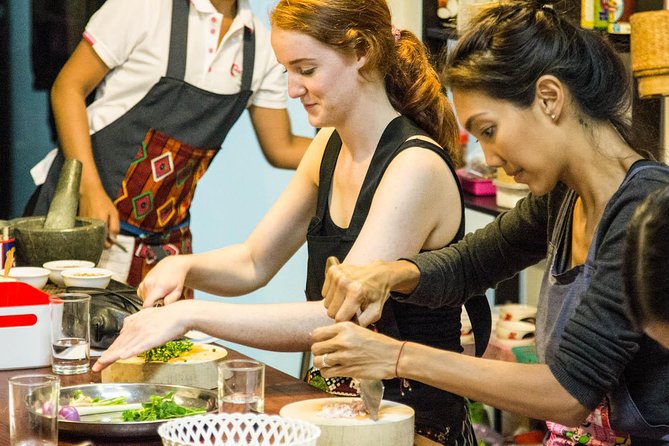
This experience caps at 10 travelers, and that’s a sweet spot for learning. In a class this size, you’re more likely to get attention when you’re prepping, stirring, or adjusting something that’s not quite right.
It also makes the market walk better. You’re not getting pulled along by a huge group, and you can ask questions without feeling like you’re interrupting. That matters when you’re trying to identify ingredients you may not have seen before.
On top of that, a small group keeps the pace moving. You stay engaged from market to table, instead of waiting while a larger class cycles through stations.
Price and value: what $38.81 buys you in Bangkok
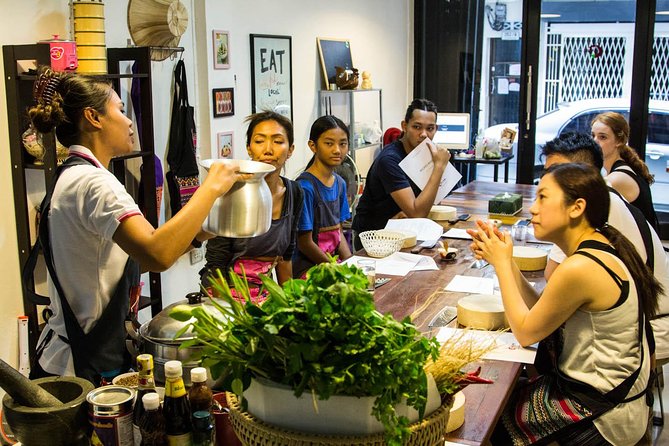
Let’s talk value, because $38.81 isn’t just “a cooking class” price. It covers:
- Market tour and fresh ingredients
- Thai cooking class
- Lunch or dinner
- Tea/coffee/water and Wi‑Fi
- Recipes to take home
When you compare it to the cost of buying ingredients plus paying for a cooking workshop alone, this starts to make sense. The market component is doing real work here. It turns the class into a learning experience, not a one-time meal.
The recipe take-home piece is another underrated value. Several people noted the instructions are easy to follow and recreate at home. Even if you don’t cook everything again right away, you’ll likely use parts of what you learned when you want Thai flavors without guessing.
Is it the cheapest option in Bangkok? Probably not. But it looks like a fair deal for the combination of market + hands-on cooking + full meal. And because it’s capped at 10, you’re more likely to actually participate.
Logistics that can make or break your day
This one has a straightforward schedule—about 4 hours—but Bangkok timing is real. A few people specifically warned about traffic and that the class location isn’t in the city center. The fix is simple: plan extra buffer time so you don’t arrive rushed.
The meeting point is Pink Chili – Thai Cooking School in Bangkok, in Soi Phae Anuson area (Phra Khanong Nuea, Watthana, Krung Thep Maha Nakhon 10110). You’ll also want to wear comfortable clothes and shoes, since market walking is part of the experience and you’ll be moving during cooking.
Good news: it’s near public transportation, and you’ll get a mobile ticket. So once you’re there, things feel organized.
Finally, alcohol isn’t included, but it can be purchased. If you’re planning to drink, budget separately.
Who should book this cooking class (and who should skip it)
This is a great fit if you want:
- A Thai food experience that teaches skills, not just eating
- Market shopping plus cooking in one smooth package
- A small-group setting with hands-on help
- Recipes you can use after your trip
It may be less ideal if you:
- Hate waiting to eat (since the meal comes at the end)
- Need super slow, ultra-clear explanations and don’t want any language friction
- Are extremely sensitive to instruction style (one review mentioned impatience, though most feedback was very positive)
If you’re traveling with family, this can work well too, since it’s interactive and structured. The key is being ready to participate, not just watch.
Should you book Pink Chili? My practical take
Yes, you should book this if you care about learning Thai flavors from the ground up. The market start, the small-group cooking, and the chance to eat the dishes you make are a strong combo for the price. Pimmy’s teaching style shows up in the details—how ingredients are handled, how cooking steps are taught, and how you leave with something useful.
If you’re short on time, this may be one of the few Thai cooking options that feels worth the hours, because it includes both real ingredient shopping and a full meal. Just build in extra travel time for traffic, and you’ll start the day in the right mood.
FAQ
What’s the duration of the Pink Chili Thai Cooking Class and Market Tour?
It’s about 4 hours (approx.).
How much does it cost per person?
The price is $38.81 per person.
Where does the tour start?
It starts at Pink Chili – Thai Cooking School in Bangkok (Soi Phae Anuson, Khwaeng Phra Khanong Nuea, Watthana, Krung Thep Maha Nakhon 10110, Thailand). The activity ends back at the meeting point.
What happens during the market part of the tour?
You visit the On Nut fresh market, select ingredients and vegetables, and learn what to choose for Thai cooking.
What dishes will I learn to make?
The class focuses on Thai specialties such as red curry, sour shrimp soup, and spring rolls, and it also includes popular dishes like pad thai, green curry, and mango sticky rice.
Is lunch or dinner included?
Yes. Lunch or dinner is included, and non-alcoholic drinks like tea, coffee, water are also included.
How big is the group?
The tour has a maximum of 10 travelers.
Are recipes included?
Yes. Recipes are included.
Is alcohol included in the price?
No. Alcoholic drinks are not included, though they are available to purchase.
What should I wear?
Wear comfortable clothes and shoes, since you’ll be walking at the market and cooking hands-on.
Cancellation and weather notes
If weather causes cancellation, you’ll be offered a different date or a full refund. You can cancel for a full refund if you cancel at least 24 hours before the experience starts.