REVIEW · HISTORICAL TOURS
Private Historic River Kwai Death Railway, War Cemetery and Hellfire Pass Tour
Book on Viator →Operated by Idaytrip · Bookable on Viator
A morning drive, then history hits hard. This private day trip strings together WWII sites around Kanchanaburi and gives you a guide to help you understand what you’re seeing, from the POW cemetery to Hellfire Pass. I particularly like the hotel transfer setup that keeps the day moving, and I like that lunch is handled for you so you don’t waste time hunting food.
The main consideration is time and pace: it’s about a 10-hour day starting around 6:30 am, and you’ll do several short walks plus long stretches in the car—ask a lot of questions, but also plan for a lot of thinking.
In This Review
- Key highlights you should know
- A 6:30 am start that actually helps (not hurts)
- Kanchanaburi War Cemetery: where the numbers become people
- Hellfire Pass: the museum plus the walk that makes it real
- Death Railway Museum and Research Centre: short time, big context
- Tham Kra Sae: the Buddha image inside a POW camp connection
- River Kwai Bridge: famous view, heavy backstory
- Price and value: when a guide is worth the money
- Lunch included: the underrated comfort on a sobering day
- Getting the most out of the day (without making it harder)
- Who should book this private Death Railway tour?
- Should you book the Private Historic River Kwai Death Railway, War Cemetery and Hellfire Pass Tour?
- FAQ
- Is pickup from Bangkok included?
- How long is the tour?
- Is the tour private?
- Is lunch included?
- Do I need to pay entrance fees?
- What sites will we visit during the day?
- Is the itinerary very physically demanding?
- What food and drinks are provided?
- Is a mobile ticket used?
- What is the cancellation window?
Key highlights you should know
- Private, guide-led pacing that lets you ask questions as you go
- Early pickup and air-conditioned transport to deal with Thai traffic
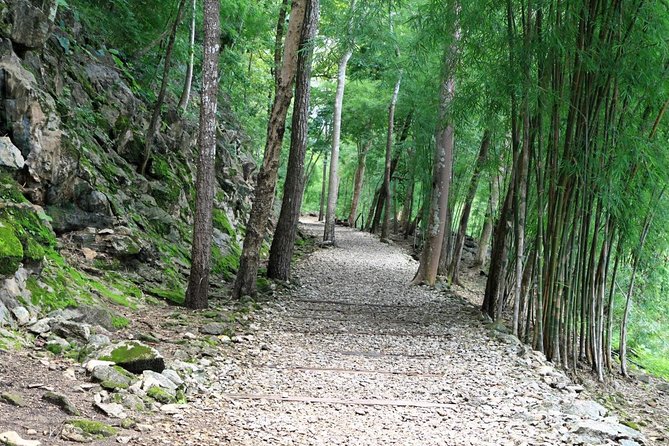
- Hellfire Pass Memorial Trail paired with an interpretive centre and museum time
- Kanchanaburi War Cemetery with nearly 7,000 Allied POWs buried
- Lunch, bottled water, and entrance fees included so your budget is simpler
- Several WWII-linked stops in one focused route (cemetery, rail areas, bridge, cave site)
A 6:30 am start that actually helps (not hurts)
This tour is built around an early departure, with pickup and departure listed at 6:30 am. In practice, that matters. Kanchanaburi is a long day from Bangkok, and leaving early is the difference between a manageable travel day and one that feels stretched thin by midday traffic and stops.
You’ll ride in an air-conditioned vehicle, and it’s a private tour, meaning only your group participates. That’s a real comfort factor on a somber itinerary like this. You won’t be squeezed into someone else’s pace, and you can decide when you need an extra minute at a memorial or when you’re ready to move on.
Also, the day is listed as moderate fitness. It’s not described as a hike tour, but you should expect walking at multiple locations and spending long blocks of time sitting in a vehicle. Comfortable shoes are not optional here, and you’ll likely want a hat and sunscreen for the outdoor portions.
You can also read our reviews of more private tours in Bangkok
Kanchanaburi War Cemetery: where the numbers become people
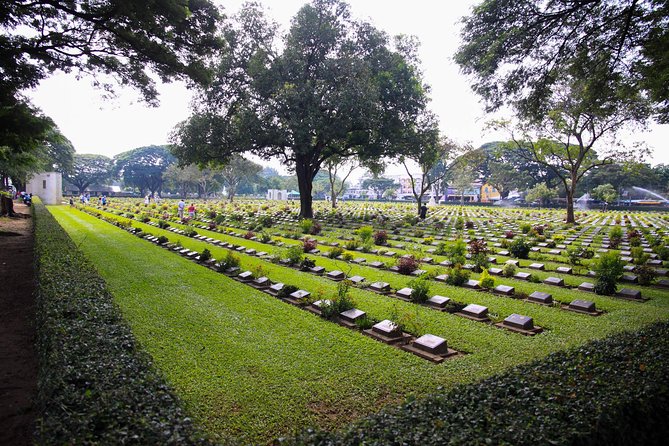
Kanchanaburi War Cemetery is the first stop, and it’s where the tone locks in. The cemetery holds the remains of 6,982 Allied POWs who died during construction of the Thai–Burma Death Railway. That figure is enormous, but the cemetery layout helps your brain turn the statistic into something you can take in: names, stones, and the quiet weight of a place made for remembrance.
You’ll spend about 30 minutes, with an admission ticket noted as free. I like this first-stop timing. You start with context before you move to the railway cuts and bridge landmarks. If you go out of order—starting with dramatic scenery and saving context later—you can miss the point. Here, you don’t.
A practical note: treat this like a memorial, not an attraction. Keep your voice low, move slowly, and take the time to read what’s there. If you’re the type who needs a guide to translate history into meaning, this cemetery is where that pays off.
Hellfire Pass: the museum plus the walk that makes it real
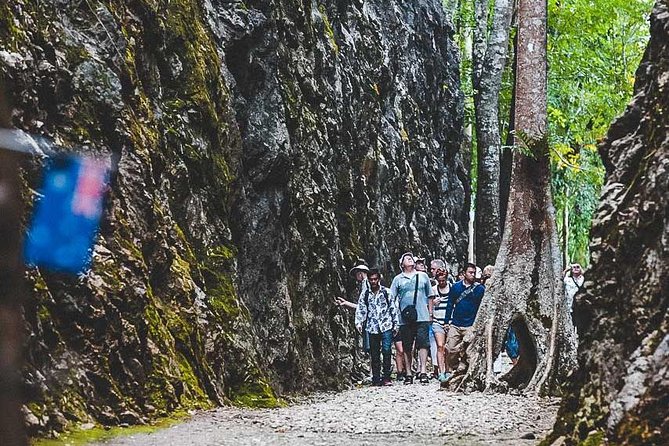
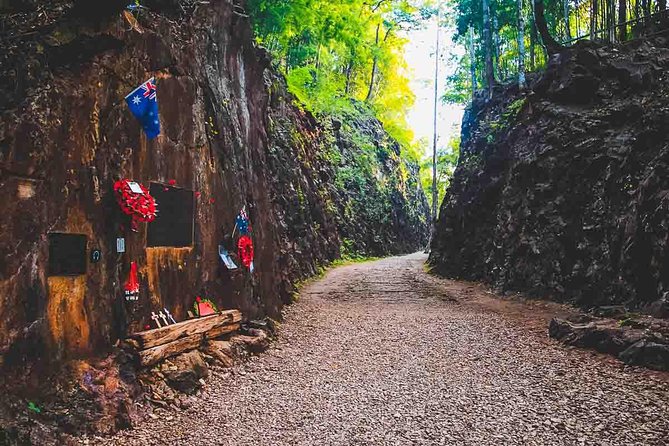
Next comes Hellfire Pass Interpretive Centre and Memorial Walking Trail, typically about 2 hours total. This is one of the most important parts of the day because it connects geography to suffering.
Hellfire Pass refers to a cutting on the Death Railway where the cost of construction was stated as more than 16,000 Allied prisoners, plus countless Asian laborers during World War II. That wording matters: it frames the tragedy not only as Allied suffering, but as labor exploitation and loss affecting many communities.
You’ll do a museum visit and then take the memorial walking trail to the cutting. Even if you keep your questions “simple” while you walk, the setting does the heavy lifting. The trail gives you a sense of scale—how a rail line carved through terrain and how impossible working conditions could be.
One review experience highlighted a guide named Nan as being especially informative and eye-opening, turning the day from facts into something you feel. That’s the value of a professional guide here: they can point out details you might not notice on your own and help you connect the “where” to the “why.”
Death Railway Museum and Research Centre: short time, big context
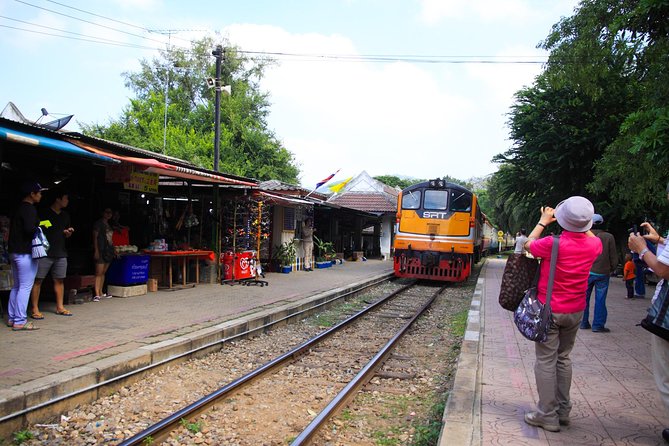
After the cutting area, you’ll stop at the Death Railway Museum and Research Centre, with around 30 minutes on site and free admission noted.
This part works like a reset and reinforcement. You’ve already seen the cemetery and the memorial trail, so by now you’re not just looking at rail history—you’re looking at the system behind the suffering. A museum stop is where your guide can tie together the bigger story: what the railway was built for, how it was carried out, and how the sites you’ll visit later connect back to that reality.
This is also a good location to ask questions that you held back earlier. People often feel a little overwhelmed at Hellfire Pass. Here, you can regain your footing—mentally and historically—before you move into the next landmark sites.
Tham Kra Sae: the Buddha image inside a POW camp connection
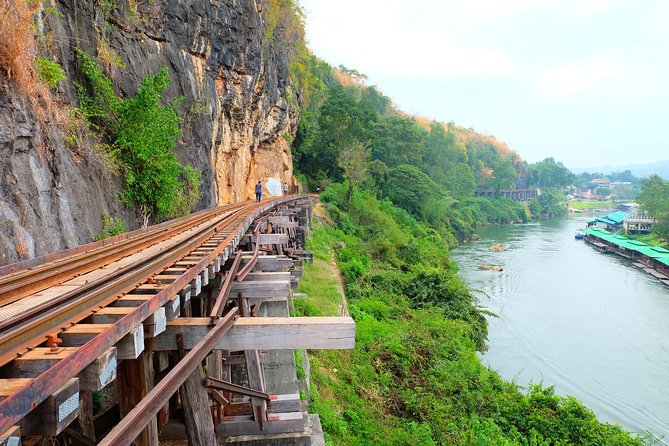
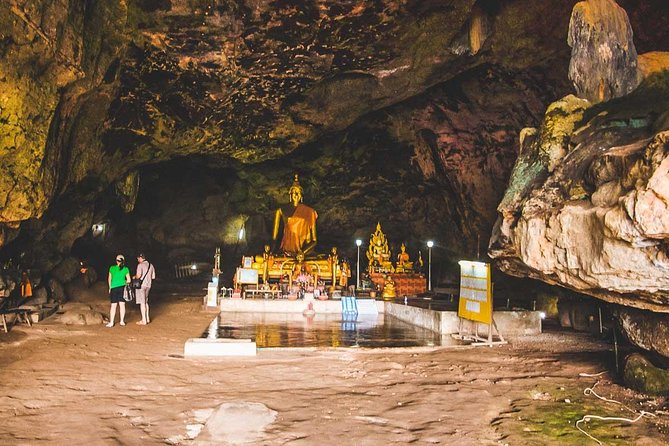
Then the tour shifts to Tham Kra Sae Bridge, with a brief stop of about 15 minutes. The headline is the cave with a Buddha image inside. What makes this stop more than a quick photo pause is the historical context: the cave was formerly a camp for POWs during the construction of the railway.
A short visit is fine here because the story is clear, and the physical connection is direct. But don’t treat it as a drive-by stop. This is the kind of place where a guide can help you connect the religious imagery you might notice first with the human reality that came after—what the space was used for during the war.
If you’re traveling in Thailand and you’ve seen Buddhist sites across the country, this stop adds a darker layer that’s easy to miss without guidance. It’s quick, but it can hit hard.
You can also read our reviews of more historical tours in Bangkok


River Kwai Bridge: famous view, heavy backstory
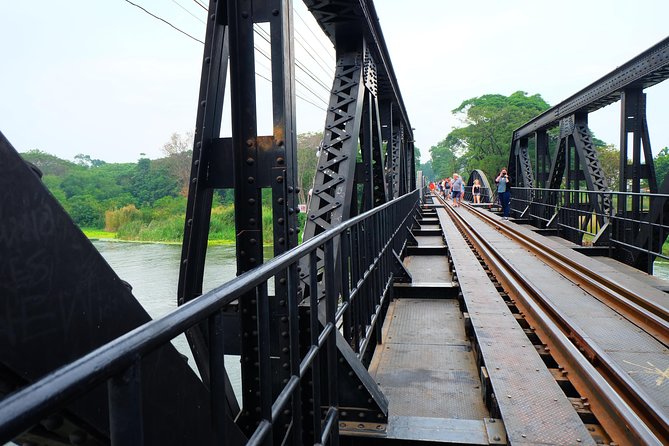
The last stretch includes River Khwae Bridge, where you’ll have about 1 hour. Admission is listed as free, and you’ll spend time walking along the ironclad bridge that’s famous for its World War II associations.
This is the part where you’ll likely see the most “tourist energy” in the surroundings, because the bridge is iconic. I think the key is to treat it like a viewpoint with consequences, not just a sightseeing landmark. The bridge is tied to bloodshed and conflict in WWII, and the point of your guided day is to keep that memory in front of you as you walk and look.
One practical advantage of having a guide at this stage: they can help you focus on the right details while you’re on the bridge. Without context, you might only notice the engineering and miss the human story that belongs there.
Price and value: when a guide is worth the money
The price is listed at $162.40 per person for an approximately 10-hour private tour, with lunch included. That’s the big lever for value: you’re paying not just for transport and entry fees, but for interpretation—especially on the harder-to-read sites like Hellfire Pass and the cemetery.
What’s included is clearly useful for budgeting:
- Air-conditioned vehicle
- Private transportation
- Professional guide
- Lunch
- Entrance fees
- Bottled water
There’s also a helpful counterpoint embedded in the mixed feedback: since many stops show free admission tickets, you could argue the sites themselves aren’t what cost money. One experience called out that you might be able to do it cheaper by hiring a driver and going on your own.
Here’s how I’d weigh that honestly:
- If you want a guided day where history is explained as you move through the sites, you’re paying for understanding.
- If your goal is primarily transportation and you’re already comfortable reading up on the Death Railway and Hellfire Pass on your own, then the price may feel steep for what looks like free entry.
The tour provider’s response also points to a real cost driver: a historian-grade knowledge level typically costs more than basic guiding. In other words, the “extra” you pay is not for tickets—it’s for the guide’s ability to connect details into meaning.
My practical take: if you’re only paying for logistics, you’ll be happier booking a simpler driver option. If you want the day to feel coherent—cemetery first, then trail, then rail-related locations—this format usually makes that happen.
Lunch included: the underrated comfort on a sobering day
Lunch being included matters more than it sounds. This is a long day starting at 6:30 am, and when you’re dealing with heavy topics, low blood sugar turns “thoughtful” into “snappy.” Having lunch handled helps you stay present and not worry about finding a specific meal or timing it around traffic.
Bottled water being included also helps, especially because some parts of the day are outdoor walks. You don’t want your attention split between a memorial and a hydration hunt.
Getting the most out of the day (without making it harder)
A tour like this works best when you travel with a little intention. Here’s how to make it easier on yourself:
- Wear shoes you can walk in for a while. You’ll have multiple stops and short walking segments across the day.
- Plan for heat and early hours. The day starts early and includes outdoors, so dress light but cover your skin.
- Go slow at the cemetery and memorial spaces. With a guide, you can ask questions, but take the space to read and absorb.
- Use the guide time strategically. If there’s one place you’re most interested in (Hellfire Pass is the usual pick), spend your questions there and let the later stops be more about reinforcement.
Also, since this is a private tour, you’ll get a smoother experience when you communicate what you want: shorter photo time, more explanations, or a slower pace in one stop. The structure is built for a flexible, personal experience.
Who should book this private Death Railway tour?
Book it if:
- You want a guide to explain what you’re seeing at WWII sites like Hellfire Pass and the War Cemetery.
- You prefer a structured day that takes you from major memorials to rail-related landmarks without constant navigation.
- You care about comfort: air-conditioned transport plus lunch and bottled water included.
Consider a simpler DIY driver day if:
- You mainly want transport and you’re comfortable self-guiding the history.
- You’re cost-sensitive and feel the value isn’t there because several stops are listed as free admission.
This is also a good match for couples or small groups who don’t want the pressure of sharing a somber experience with strangers.
Should you book the Private Historic River Kwai Death Railway, War Cemetery and Hellfire Pass Tour?
If you want your visit to land with meaning, I’d lean toward booking. The itinerary’s strength is how it builds understanding step by step, and the included guide makes the difference on places that can otherwise feel like “just another stop.” Add in pickup, air-conditioned transport, and lunch, and you’ve got a smoother day without budget chaos.
If you’re already deeply prepared on the history and you’re happy to read and reflect on your own, you might decide the sites don’t justify the added cost. Still, for most people, the guided context is exactly what you’re really paying for—and it’s the reason this type of day feels more than scenic.
FAQ
Is pickup from Bangkok included?
Yes. Hotel transfers in an air-conditioned vehicle will be provided, and the tour starts at 6:30 am.
How long is the tour?
The duration is listed as 10 hours (approx.).
Is the tour private?
Yes. It’s described as a private tour/activity, with only your group participating.
Is lunch included?
Yes. Lunch is included, and there’s no need to pack food.
Do I need to pay entrance fees?
Entrance fees are listed as included. Some stops also show free admission tickets.
What sites will we visit during the day?
You’ll visit Kanchanaburi War Cemetery, Hellfire Pass Interpretive Centre and Memorial Walking Trail, the Death Railway Museum and Research Centre, Tham Kra Sae Bridge (cave with a Buddha image), and the River Khwae Bridge.
Is the itinerary very physically demanding?
The tour says travelers should have moderate physical fitness. It’s not described as a strenuous hike, but you should expect walking across several stops.
What food and drinks are provided?
Lunch and bottled water are included.
Is a mobile ticket used?
Yes. The features list includes mobile ticket.
What is the cancellation window?
You can cancel for a full refund up to 24 hours in advance of the experience’s start time.