REVIEW · COOKING CLASSES
Bangkok: Hands-on Thai Cooking Class and Market Tour
Book on GetYourGuide →Operated by House of Taste Thai Cooking School · Bookable on GetYourGuide
Bangkok cooking class turns markets into meals. This hands-on Thai cooking experience starts with ingredient shopping (in the morning) or mango carving (later in the day), then moves into the real work: mixing curry paste from scratch and cooking classics side-by-side with an English-speaking instructor. It’s a practical way to understand what makes Thai food taste the way it does, from herbs to coconut milk.
I especially like the small-class attention and the clear, step-by-step teaching style that’s shown in how instructors such as Jay and Pitch guide people through each plate. You’ll also go home with recipes by email, which makes the whole thing more than just a full stomach. One thing to plan around: the market tour only runs for the morning class, while afternoon and evening swap that for mango carving.
In This Review
- Key Highlights You’ll Actually Use
- Where You Start: BTS Asoke vs Sukhumvit 4
- Morning Market Tour: Fresh Thai Ingredients Before the Wok
- House of Taste Thai Cooking School: Coconut Milk and Curry Paste Basics
- The Four-Dish Cook-Along: Hot Food, Real Skills
- What you’ll cook depends on the day
- Why the dish variety matters
- Mango Sticky Rice Finale—and Mango Carving If You Book Later
- No MSG and Dietary Swaps: Easier Than You Think
- Take-Home Recipes: The Part That Makes It Repeatable
- Value Check: Is $45 Worth It in Bangkok?
- Who This Class Fits Best
- Should You Book It?
- FAQ
- Where do I meet for the morning class?
- Where do I meet for the afternoon or evening class?
- Does the class include a market tour?
- What dishes will I cook?
- Do I get recipes to take home?
- Is MSG used?
- Can the class accommodate dietary needs?
Key Highlights You’ll Actually Use
- Market tour (morning only) so you can shop for herbs, spices, and produce like locals
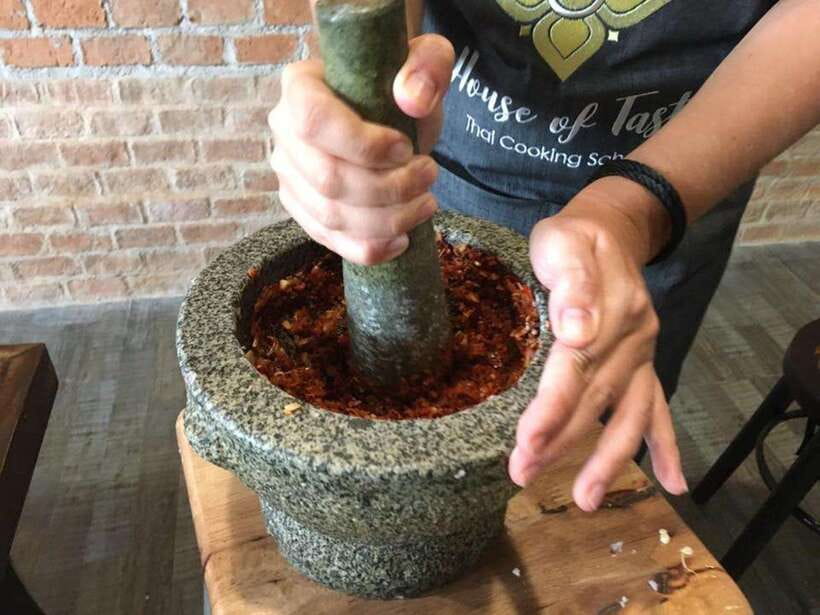
- Curry paste from scratch with guidance on the flavors behind green and red curries
- Cook 4 dishes yourself and eat them hot as you finish each one
- Mango sticky rice finish plus optional mango carving for afternoon/evening
- MSG-free cooking with ingredient substitutions available for many diets and allergies
Where You Start: BTS Asoke vs Sukhumvit 4
Timing in Bangkok is mostly about not getting flustered. This class keeps things simple with two different meeting setups depending on the time slot.
For the morning class, meet at street level at BTS Asoke Exit 3 and MRT Sukhumvit Exit 3. The morning schedule includes the market portion, so expect the day to start with walking and ingredient selection before you even touch a wok.
For the afternoon and evening class, you’ll meet at the school in Sukhumvit 4 (House of Taste Thai Cooking School). This is a good option if you don’t want to deal with the extra time and walking that comes with the market stop.
Tip: bring comfortable shoes. Even if you’re not a “market walker,” you’ll be moving enough to justify real footwear.
You can also read our reviews of more shopping tours in Bangkok


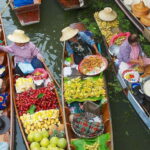
Morning Market Tour: Fresh Thai Ingredients Before the Wok
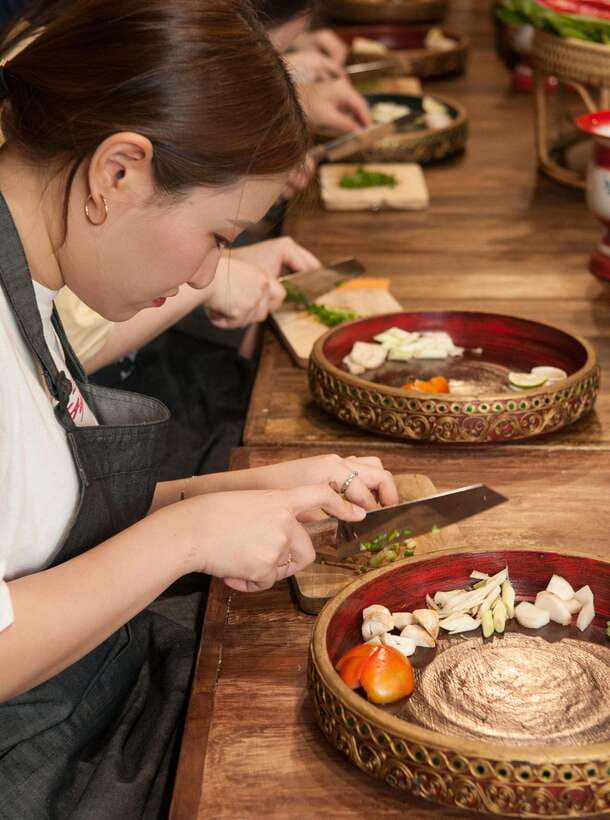
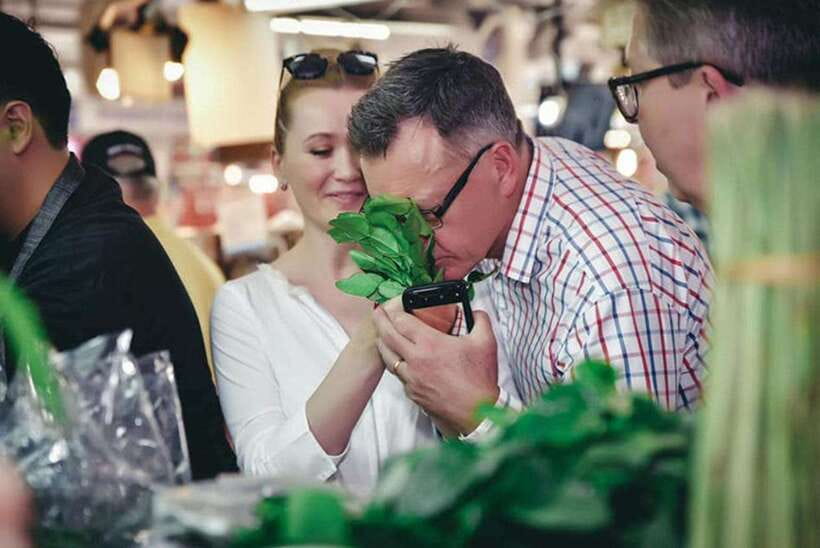
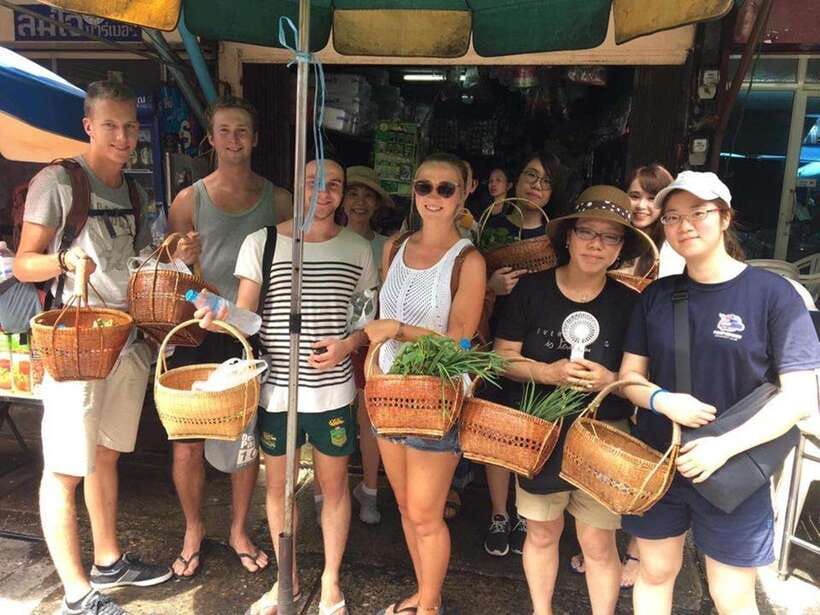
If you choose the morning class, you’ll browse a nearby market with a guided introduction to ingredients before you cook. This is more than “look around.” You get help spotting what matters for Thai flavors: the mix of vegetables, rice, herbs, and spices, plus how different ingredients behave once they hit heat.
Practically, this segment helps you answer questions like:
- What herbs should smell strong, not just green?
- How do spices and aromatics work together in curries and soups?
- What’s worth buying so you can recreate the dish later?
That’s where this class scores points for real value. Instead of memorizing a recipe and hoping, you learn the ingredient logic.
A possible drawback: some people find the market portion less exciting than the wet-market picture they had in mind, because the shopping area can be limited. If your idea of a market is a big, sprawling maze, I’d consider that carefully. The cooking part still does most of the heavy lifting.
House of Taste Thai Cooking School: Coconut Milk and Curry Paste Basics
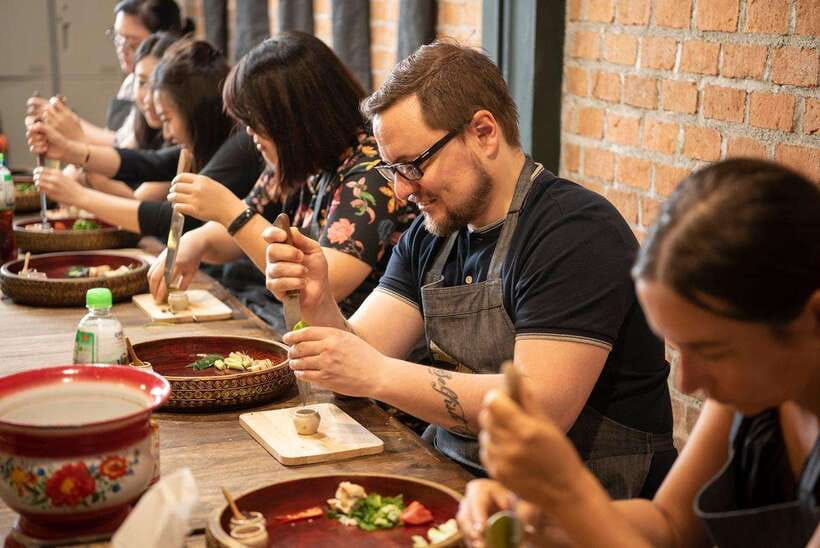
When the cooking portion begins at House of Taste Thai Cooking School in Sukhumvit 4, the focus shifts from ingredients you buy to techniques you can repeat later.
Here’s what stands out as genuinely useful:
- You’ll get an ingredient intro at the school, including vegetables, rice, herbs, and spices.
- You’ll work with coconut milk and curry paste from scratch.
- You’ll get enough help that beginners can follow along without feeling lost.
Curry paste is where most Thai cooking classes go vague. This one pushes you to actually make it, which is a big deal for long-term success. You’ll learn that the flavor isn’t magic—it’s grinding, balancing aromatics, and building layers that later show up as the taste of green curry, red curry, and Panang curry.
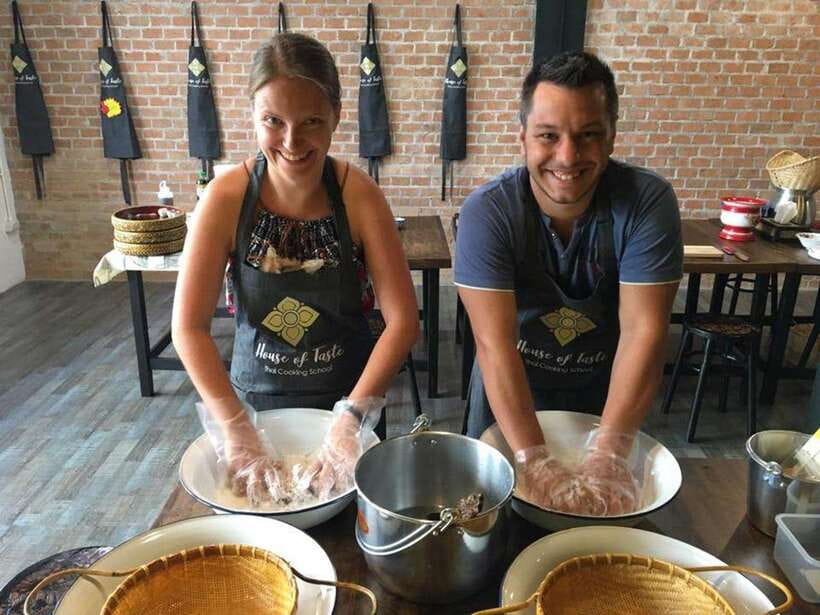
And because you’re cooking in a structured, small-class setup, you’re not just watching. You’re doing. You’ll also have all ingredients and equipment provided, plus a personal locker, so you can stay focused on cooking instead of juggling bags.
The Four-Dish Cook-Along: Hot Food, Real Skills
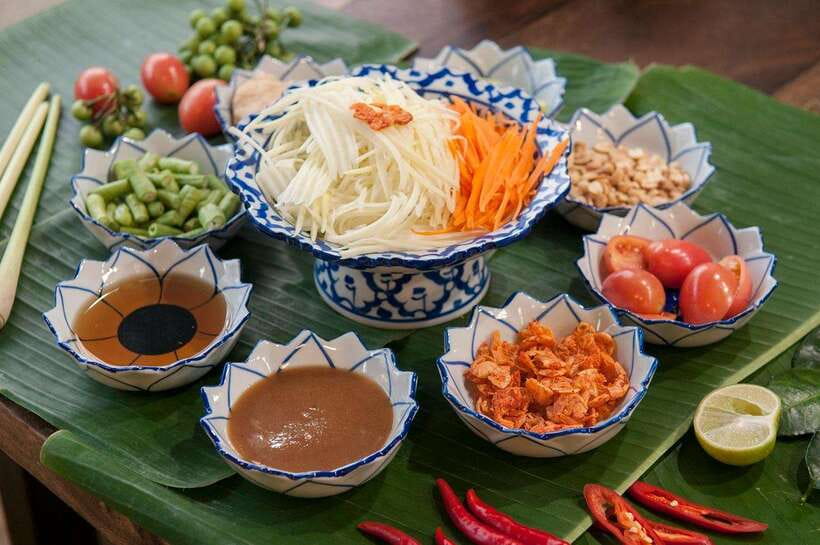
The main event is making four traditional Thai dishes and then eating them individually while they’re still hot and fresh. This is where I think the class earns its price.
You’re not waiting around for someone else to do the work, and you’re not left with only a single dish. Instead, you rotate through prep and cooking steps, which means you build confidence fast.
What you’ll cook depends on the day
Your exact lineup changes by weekday. For example, on Monday you can expect:
- Thai Papaya Salad (Som Tum)
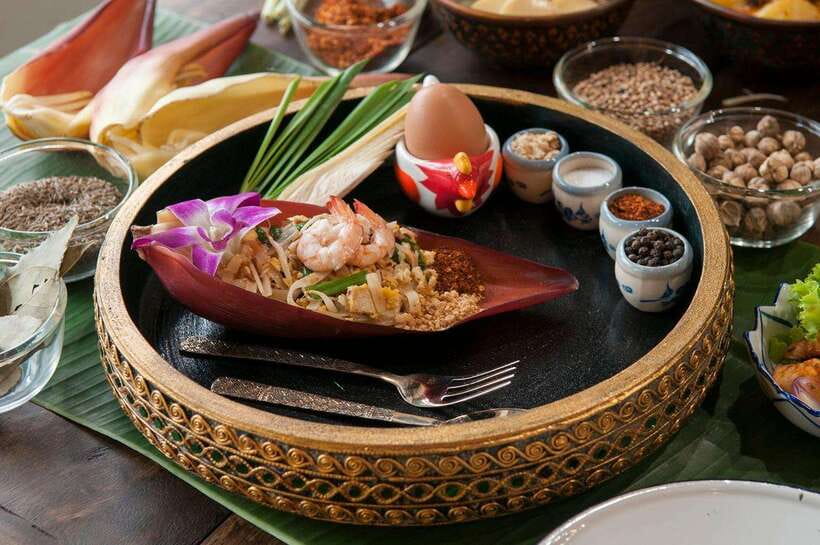
- Stir-Fried Noodles with Shrimp (Pad Thai)
- Green Curry with Chicken
- Mango Sticky Rice
On Tuesday, the set shifts to:
- Tom Kha Gai (Spicy Coconut Soup with Chicken)
- Pad Krapow Gai (Stir-Fried Thai Basil Chicken)
- Red Curry with Chicken
- Mango Sticky Rice
On Wednesday, you’ll see:
- Tom Yum Goong (Hot and Sour Soup with Shrimp)
- Pad See Ew (Stir-Fried Flat Rice Noodles with Chicken)
- Green Curry with Chicken
- Mango Sticky Rice
Other days rotate the lineup again, including Larb Gai (spicy minced chicken salad), Panang Curry with Chicken, and more Pad Thai variations. Mango sticky rice is the consistent finish, which is exactly what I’d want if I’m signing up for Thai dessert.
You can also read our reviews of more tours and experiences in Bangkok




Why the dish variety matters
This rotation isn’t random. You’ll get exposure to different flavor families:
- Salads and minced-meat dishes (like Som Tum and Larb Gai), which teach balance of sour, salty, and spicy
- Noodle dishes (like Pad Thai and Pad See Ew), which teach timing and sauce integration
- Curries (green, red, and Panang), which teach how curry paste translates into coconut-based depth
- Soups (Tom Yum Goong, Tom Kha Gai), which teach how aromatics and heat build a bowl fast
Even if you only love one category, you leave with more than one method.
Mango Sticky Rice Finale—and Mango Carving If You Book Later
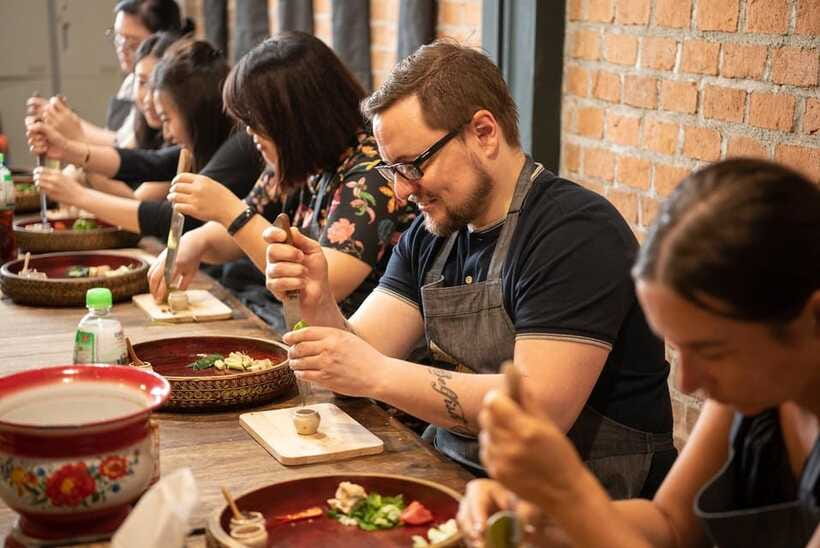
Most classes end with a vague sweet bite. Here, Mango Sticky Rice is part of the core structure. It’s the dish you close on after you’ve cooked four savory items, so the whole meal feels like a full arc instead of a random dessert add-on.
If you book the afternoon or evening class, you’ll also get mango carving as the last class activity. Think of it as an art-style skill that shows up in Thai food culture: turning a familiar ingredient into something decorative.
What I like about this swap:
- You still get a memorable “bonus” experience.
- You don’t sacrifice the cooking-heavy part for entertainment.
What to consider: if market shopping is your priority, you’ll want the morning class, because the market tour isn’t included later.
No MSG and Dietary Swaps: Easier Than You Think
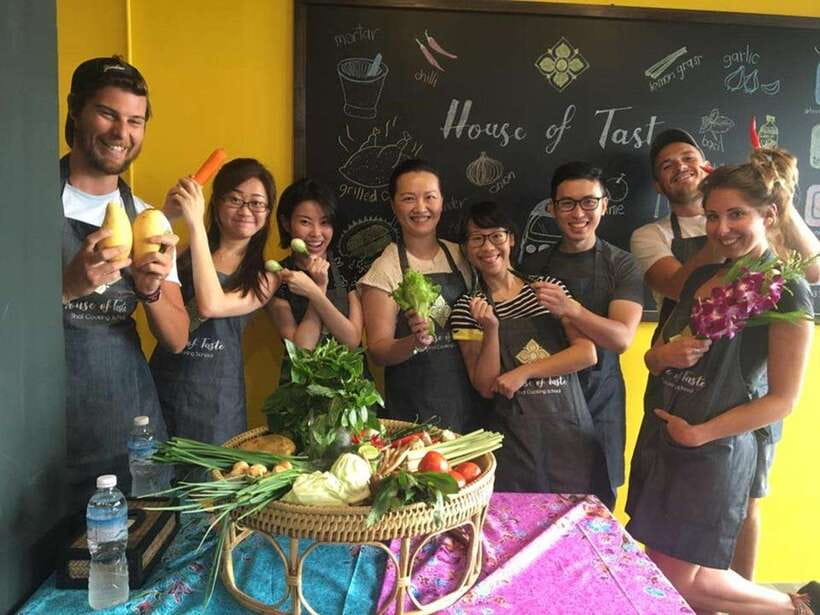
Food allergies and dietary needs can turn “fun cooking class” into stress. This one is set up to help.
You’ll be cooking Thai food without MSG. And if you need adjustments for vegetarian, halal, kosher, or allergies, you can request substitutions with advanced notice.
In practice, that matters because Thai dishes rely on specific ingredients. If you only get a token swap, the dish can drift away from what it’s supposed to taste like. Here, the structure supports changes, so you’re more likely to get a version you can actually eat and enjoy.
Also note what’s included: drinking water is part of the package, and alcoholic drinks are not included (they’re available for purchase).
Take-Home Recipes: The Part That Makes It Repeatable
One of the best surprises in classes like this is whether the learning continues after you leave. You’ll get recipes via email, which helps you recreate your favorites without guessing amounts.
Even better, some people have mentioned receiving a recipe download that extends beyond only the exact dishes cooked during their session. That’s a win if you want to keep experimenting with other dishes from the same kitchen style later.
This is also where the market portion can pay off. If you tasted a herb, saw the ingredient form in the morning, and then cooked with it, you’ll know what to look for when you shop again.
Value Check: Is $45 Worth It in Bangkok?
At $45 per person for a 210-minute experience, this isn’t a “buy it for novelty” type of class. The value comes from three clear areas:
First: you cook four dishes yourself. That’s the biggest cost driver in any cooking class—time and instruction—but it’s also the best learning tool.
Second: you get ingredient support and equipment. You aren’t paying extra to rent pans or figure out where the spices come from. The class provides ingredients, tools, and even lockers.
Third: you get either the morning market tour or mango carving depending on your time slot. That adds cultural texture without stealing from the cooking.
There is one “value friction” to think about: the morning market portion may feel smaller than some people expect if they’re imagining a huge, chaotic wet market. If you’re that type of shopper, you might decide the cooking portion alone is enough. It likely is.
If you want Thai cooking skills you can actually use at home, I’d call this a strong use of time and money.
Who This Class Fits Best
This Bangkok Thai cooking class is a great match if:
- You want to learn Thai food by doing, not by watching.
- You like structure and want guidance through steps like curry paste.
- You want a meal that actually feels like an experience, not just lunch.
It may be less ideal if:
- You’re strictly there for market photography and a long walk through a major market scene.
- You dislike hands-on cooking or prefer passive sightseeing.
- You only want afternoon/evening and strongly prefer market shopping over mango carving.
Should You Book It?
Yes, you should book this class if your goal is to leave with skills, not just snacks. The “cook four dishes, eat hot, get recipes” format is the part you’ll feel the next day when you try to recreate your favorite bowl or curry at home.
If you can, choose the morning class when you want the ingredient shopping piece. Choose afternoon/evening when mango carving sounds fun and you still want the same hands-on core cooking practice.
If you’d like, tell me which day of the week you’re in Bangkok and whether you prefer morning or evening. I can help you pick the best match based on the dish lineup.
FAQ
Where do I meet for the morning class?
Meet at street floor of BTS Asoke Exit 3 and MRT Sukhumvit Exit 3. You can also pin to Hey! Coffee MRT Sukhumvit as the meeting point.
Where do I meet for the afternoon or evening class?
Meet at House of Taste Thai Cooking School in Sukhumvit 4.
Does the class include a market tour?
The market tour is included only for the morning class. Afternoon and evening classes replace the market tour with mango carving.
What dishes will I cook?
You cook four traditional dishes, and the exact lineup depends on the day. Mango sticky rice is part of the menu every day.
Do I get recipes to take home?
Yes. You’ll receive recipes via email.
Is MSG used?
No MSG is used in the cooking.
Can the class accommodate dietary needs?
Yes. Vegetarian, halal, kosher, and allergy accommodations are available with advanced notification.