REVIEW · COOKING CLASSES
Thai cooking class experience in Bangkok with Tingly Thai cooking school
Book on Viator →Operated by BKK Best Tours · Bookable on Viator
Cooking Thai in Bangkok feels like magic. This half-day class at Tingly Thai Cooking School turns Bangkok ingredients into four classics, guided by an English-speaking instructor, and it ends with a recipe book you can use later. If you book the morning slot, you also get an ingredient market tour, which changes how you understand the dishes before you even light the stove.
One catch: the portions can be large, and the pacing moves meal-to-meal. If you want lots of quiet time or you usually prefer smaller bites, plan for being fairly full by the end.
In This Review
- Key highlights at a glance
- Tingly Thai Cooking School: what your Bangkok half-day actually feels like
- The four dishes you’ll cook (and why they’re the right choices)
- Tom yum soup: hot, sour, and built for depth
- Pad thai: sweet-savory noodles with structure
- Thai curry: green, red, or panang
- Mango sticky rice: the sweet finish that actually lands
- Your timing choices: morning market, afternoon cooking, or evening class
- Morning market tour at 08:30: learning ingredients, not just shopping
- How instruction works: English support, hands-on cooking, and real techniques
- Recipe book take-home: turning a great meal into a repeatable skill
- Practical tips before you go (so nothing derails your class)
- Price and value: is $37.48 worth it in Bangkok?
- Who should book this Thai cooking class in Bangkok?
- Should you book Tingly Thai Cooking School?
- FAQ
- What dishes are included in the class?
- How long is the cooking class?
- What time slots are available?
- Does the class include a market tour?
- Is an English-speaking instructor included?
- Are ingredients and equipment provided?
- Do I get a recipe book?
- Where do I meet the instructor?
- How many people are in the group?
- What if the weather is bad?
- Can I get a full refund if plans change?
Key highlights at a glance
- Market tour in the morning to see where key ingredients come from
- Four dishes, hands-on cooking: tom yum, pad thai, curry, and mango sticky rice
- English-speaking instruction with frequent Q&A during prep and cooking
- Recipe book take-home so you’re not guessing at home later
- Smart scheduling with morning, afternoon, and evening time slots
- Good group size (max 24) that keeps the experience interactive
Tingly Thai Cooking School: what your Bangkok half-day actually feels like
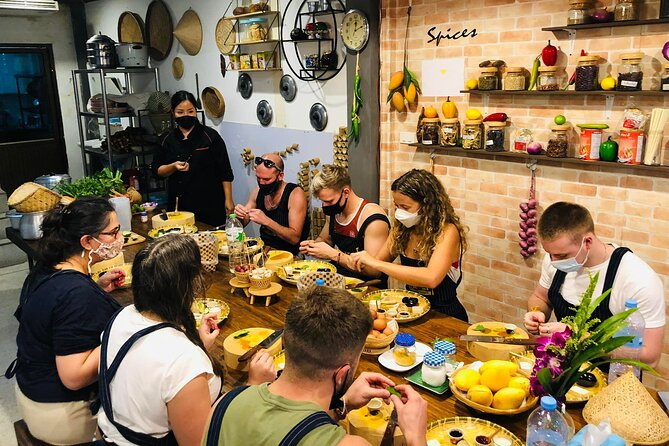
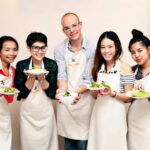
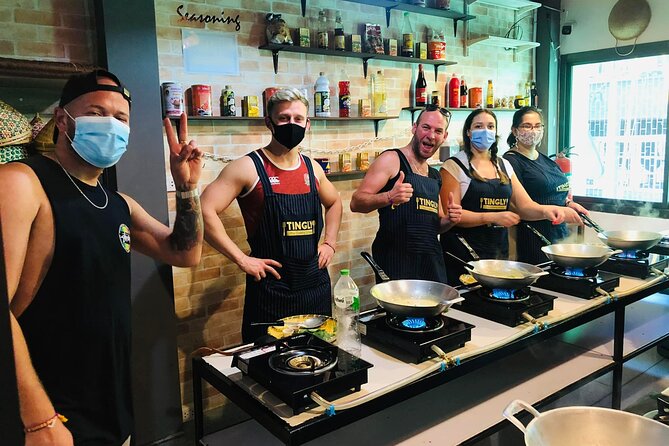
Tingly Thai Cooking School is set up for a practical cooking lesson, not a watch-and-learn show. You meet at the school on Suriyawong Road in Bang Rak (Suriyawong 17/1 Soi Prachum), and the class runs about 3 hours 30 minutes depending on the time slot you choose.
What I like about this format is that it’s organized enough to feel smooth, but still hands-on. The school provides the equipment and the ingredients you’ll need, so you don’t waste time figuring out what to buy or bring.
Also, you’ll get a mobile ticket, and the venue is described as near public transportation, which helps if you don’t want to plan complicated pickup details. One more comfort point: several people note the space is clean and air conditioned.
You can also read our reviews of more cooking classes in Bangkok
The four dishes you’ll cook (and why they’re the right choices)
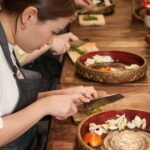
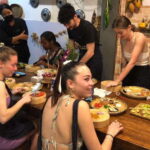
The class centers on four popular Thai dishes that show different flavors and techniques, so you learn more than just one style of cooking.
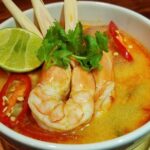
Tom yum soup: hot, sour, and built for depth
Tom yum is the signature starter: hot and sour, with a Thai balance of aromatic ingredients. You’ll make your own version in the class, which matters because this is one of those dishes people love in restaurants but struggle to recreate at home.
In practice, learning tom yum in a guided setting helps you understand how the flavors come together, not just what to add. It’s also a great dish to learn early, because it sets your taste expectations for the rest of the meal.
Pad thai: sweet-savory noodles with structure
Pad thai teaches you about texture—how noodles should feel once mixed, not just how they taste. You’ll cook it during the class, which is the difference between reading a recipe once and actually getting your hands on the process.
You’ll leave with a recipe book too, so you can recreate it later without relying on memory.
Thai curry: green, red, or panang
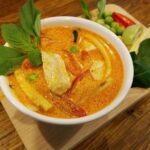
You’ll cook either green curry, red curry, or panang curry depending on the class day. Curry is where Thai cooking gets especially technical, because the dish depends on aroma and layered seasoning as much as it depends on the final taste.
Learning curry in this setting is useful because it trains you to follow the rhythm of Thai cooking—prep, combine, adjust. Even if you’ve made curry before, you’ll likely pick up methods that make it more Thai and less “generic simmer.”
You can also read our reviews of more tours and experiences in Bangkok
Mango sticky rice: the sweet finish that actually lands
For dessert, the class includes mango with sticky rice. This is one of the easiest parts to enjoy and one of the hardest parts to get right consistently at home if you’ve only tried it once.
Making it in class helps you see how the components fit together as a system—sweet, sticky, and balanced—rather than treating it like a separate “recipe for dessert.”
Your timing choices: morning market, afternoon cooking, or evening class
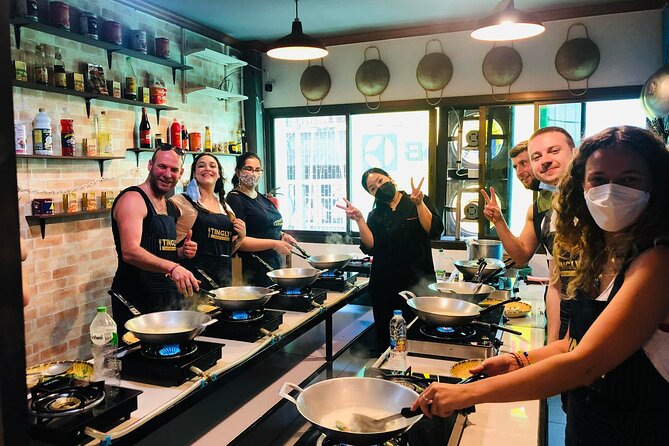
The school offers three time slots:
- Morning: 08:30–12:00 (includes a market tour)
- Afternoon: 13:00–16:30
- Evening: 18:00–21:00
The morning slot is the most “complete” experience because you start with ingredients. You get to see what you’ll be cooking with, then you immediately use it in the lesson. If you love food markets and you want context for flavors, the morning class is the best fit.
Afternoon and evening classes are great if you’re already planning other Bangkok activities earlier in the day. Evening in particular is a good choice if you want something social and relaxing after sightseeing.
One thing to keep in mind: multiple people mention there’s a lot of food to sample and you’ll be eating what you make. That’s usually a win, but it can feel fast if you’re expecting long sit-down pauses between courses.
Morning market tour at 08:30: learning ingredients, not just shopping
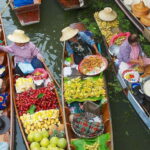
In the morning class, you visit a local morning market to learn about the source of ingredients. This isn’t framed as a shopping trip—you’re learning why ingredients matter and how they show up in Thai cooking.
People describe the market as being close by, with stalls and carts around the area. The value here is timing: you learn what to look for, then you cook with it soon after, while the lesson is still fresh in your head.
If you’ve ever tried to cook Thai at home and ended up substituting ingredients that didn’t taste right, this part helps you avoid that. Even if you never buy everything the exact Thai way again, you’ll better understand what makes the flavor work.
How instruction works: English support, hands-on cooking, and real techniques
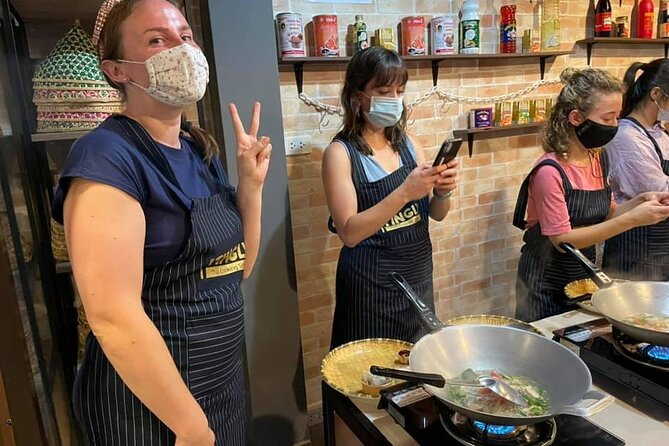
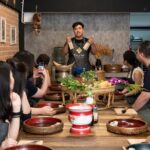
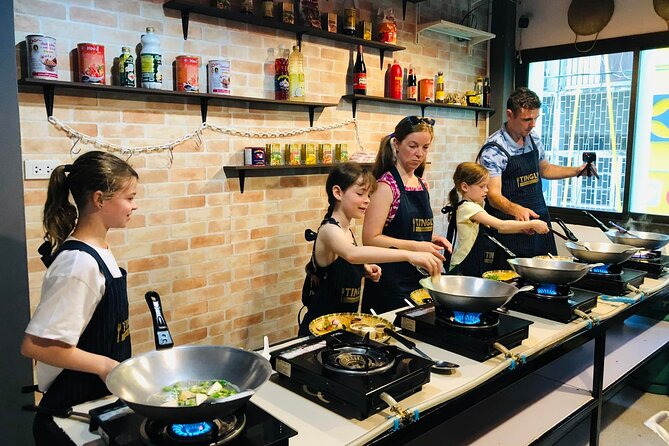
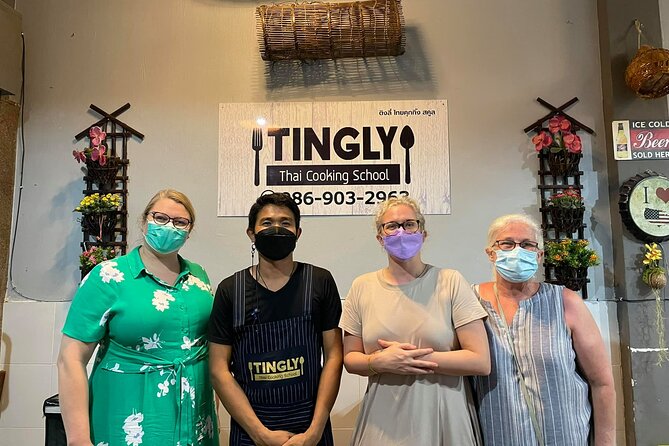
The class is taught by an English-speaking instructor, and the teaching style gets praised for being easy to follow and interactive. Several instructors are mentioned by name in different classes—Chau, Cho, Chong, Chon, Naam, May, and Song—and people repeatedly highlight that the teachers keep things fun while walking you through ingredients.
You’re not just tossing ingredients into a wok. The school also teaches tricks and secrets of preparing Thai food, plus methods for properly storing Thai food—a practical addition most classes skip.
One practical tip you should plan around: go in with an appetite. Many people say portions are big enough to be a full meal, and leftovers may go with you back to your hotel.
Recipe book take-home: turning a great meal into a repeatable skill
The recipe book is one of the most useful parts because it’s a memory aid and a training tool. Cooking Thai has a lot of small decisions, like how ingredients are combined and when flavors are adjusted.
Leaving with printed instructions means you can recreate pad thai, tom yum, curry, and mango sticky rice without guessing at quantities or steps. It also helps if you want to cook for friends later or practice over multiple nights until you get it right.
Practical tips before you go (so nothing derails your class)
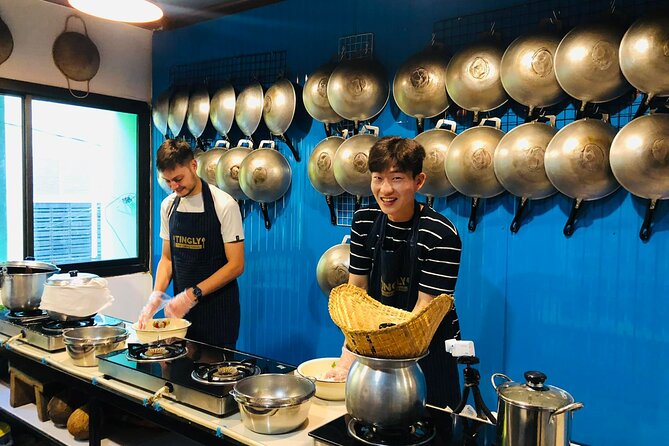
Here’s what I’d do if you’re booking this soon:
- Come hungry. Plan on eating what you cook. Even people who thought they’d take it easy often find they can’t finish everything in class.
- Expect lots of food, not just a bite. Portions are described as generous.
- Plan for leftovers. Several people specifically mention taking extra food back.
- Eat lightly beforehand if you want space for dessert. The meals add up quickly.
- If you have allergies or preferences, say so. One review notes the class can accommodate food allergies/preferences.
Also, bring patience if you get a little rushed. Some people feel the meal-to-meal flow could be slower, but the trade-off is you get through four dishes and leave with a full cooking session.
If you’re using mobility aids: one review mentions a wheelchair user was helped and still able to participate by taking steps, so staff assistance seems available. If that’s you, it’s worth asking ahead of time.
Price and value: is $37.48 worth it in Bangkok?
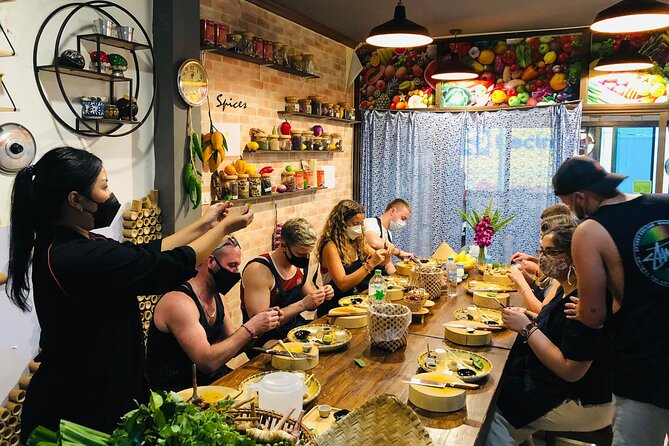
At $37.48 per person, this class prices itself as a value cooking option because several essentials are included:
- ingredients (and market learning for morning),
- English-speaking instruction,
- necessary equipment,
- cooking four dishes,
- and a recipe book after the class.
For Bangkok, the big value isn’t just the food. It’s the fact that you’re learning multiple Thai classics in a single sitting and getting materials you can actually use again at home.
If you were thinking of doing a paid cooking class anyway, this one is easier to justify because it’s structured around a clear set of dishes and includes what you need to cook them, not just a kitchen seat.
Who should book this Thai cooking class in Bangkok?
This class is a strong match if you:
- want a hands-on Thai food experience rather than a tour-only meal,
- like learning through food markets (morning slot) or through direct cooking (afternoon/evening),
- want a practical take-home recipe book for pad thai, tom yum, curry, and mango sticky rice.
It’s also a solid choice for date nights or small friend groups. People describe a fun atmosphere and instructors who keep things light while teaching.
You might choose something else if you:
- prefer very relaxed dining with lots of downtime between courses,
- want only one dish in detail rather than four different ones,
- are extremely sensitive to portion size and prefer a lighter meal.
Should you book Tingly Thai Cooking School?
Yes, if your goal is to leave Bangkok with the ability to recreate Thai comfort food at home. The combination of four classic dishes, an English-speaking instructor, and a take-home recipe book makes it easy to justify.
Book the morning slot if you want the extra ingredient context from the market tour. Choose afternoon or evening if you want the same cooking lesson but with less schedule friction.
My only “wait” advice: go in prepared to eat a lot. If that sounds like fun, you’ll likely love this one.
FAQ
What dishes are included in the class?
You’ll cook four Thai dishes, including tom yum soup, pad thai, and mango sticky rice, plus a choice of green, red, or panang curry depending on the class.
How long is the cooking class?
The class runs for about 3 hours 30 minutes.
What time slots are available?
You can choose:
- 08:30–12:00 (morning)
- 13:00–16:30 (afternoon)
- 18:00–21:00 (evening)
Does the class include a market tour?
The morning class includes a market tour. The other time slots do not mention a market tour.
Is an English-speaking instructor included?
Yes. The class includes an English-speaking instructor.
Are ingredients and equipment provided?
Yes. The class includes all ingredients (market tour morning class) and all necessary equipment.
Do I get a recipe book?
Yes. You receive a recipe book after you finish the class.
Where do I meet the instructor?
You meet at Tingly Thai Cooking School, Suriyawong 17/1 Soi Prachum, Khwaeng Suriya Wong, Khet Bang Rak, Bangkok 10500, Thailand, and the activity ends back at the meeting point.
How many people are in the group?
The class has a maximum size of 24 travelers.
What if the weather is bad?
This experience requires good weather. If it’s canceled due to poor weather, you’ll be offered a different date or a full refund.
Can I get a full refund if plans change?
You can cancel for a full refund if you cancel at least 24 hours before the experience starts.