REVIEW · COOKING CLASSES
Baipai Thai Cooking School: Authentic Cooking Class Tour
Book on Viator →Operated by I Asia Thailand · Bookable on Viator
A Thai cooking class in a calm garden. Baipai Thai Cooking School turns Bangkok’s food obsession into something practical and friendly, with garden-grown ingredients and an instructor-chef explaining what you’re doing and why.
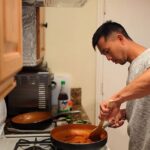
I especially liked the hands-on pace—get to the stove quickly, then eat what you make, still warm.
Next up, I really valued the small group size (max 8 people) and the fact that the class is built around four dishes plus lunch. You’re not just watching; you’re actively cooking and leaving with recipe cards you can use later.
One thing to plan around: the meeting spot is specific (and can be a little tricky to find), and the details on hotel pickup are a bit mixed—hotel transfers show up as not included in the fine print, even though pickup/drop-off is mentioned elsewhere. Confirm what you’ll get before you arrive.
In This Review
- Key highlights worth your attention
- Baipai Thai Cooking School’s garden setting in Bangkok
- Four Thai dishes plus a real lunch you build yourself
- The lesson flow: herbs to chopping to the stove
- Instructor-chef commentary in English (and the cultural why)
- Timing, duration, and what a typical half-day feels like
- Location and meeting point details in Chatuchak
- Hotel pickup and drop-off: clarify before you go
- Price of $94.40: where the value really comes from
- Who this Bangkok cooking class fits best
- Practical tips before you arrive in Bangkok
- Should you book Baipai Thai Cooking School?
- FAQ
- How long is the Baipai Thai Cooking School class?
- What is the price per person?
- Is lunch included?
- How many dishes will I cook?
- Is the class in English?
- Are drinks included?
- What’s the meeting point address?
- Is hotel pickup and drop-off included?
- Are children allowed?
- Can I request dietary requirements?
- Is the booking refundable if I cancel?
Key highlights worth your attention
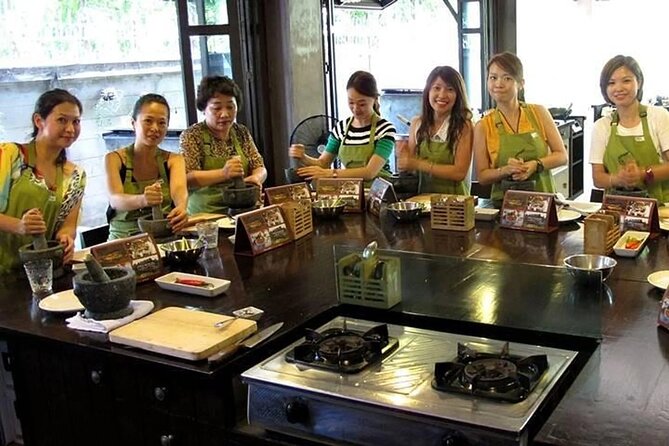
- Kitchen garden focus: you cook with fresh herbs and ingredients straight from the garden-style setting.
- Four dishes, plus lunch: you make a small set of courses and then eat them as your meal.
- English live commentary from the instructor-chef: you get real-time guidance, not just a worksheet.
- Max 8 people: more attention, less waiting around, better hands-on practice.
- Recipe cards included: practical take-home notes for rebuilding the flavors later.
Baipai Thai Cooking School’s garden setting in Bangkok
If you’re doing Bangkok on foot and tuk-tuk rides, a cooking class can feel like a break from the noise. Baipai Thai Cooking School leans into that idea: the lesson happens in a trankil garden-style setting, where you move between herbs, ingredients, and your workstation instead of being stuck in a classroom room.
What I like about this setup for you is that Thai cooking makes more sense when you’re surrounded by the raw materials. You can connect a fragrant leaf to the dish it ends up in, and you don’t have to rely on memory alone. That matters because Thai flavor is layered—aromatics first, then balance, then heat, then sweetness. Seeing and using the ingredients helps your brain keep track.
Also, the class is designed so you don’t need prior kitchen experience. If you’re comfortable following instructions and getting your hands a little messy, you’re in the right place. This is exactly the kind of activity that works when you want something fun that still feels grounded in real technique.
You can also read our reviews of more cooking classes in Bangkok
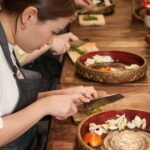
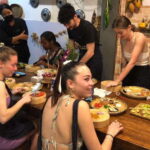

Four Thai dishes plus a real lunch you build yourself
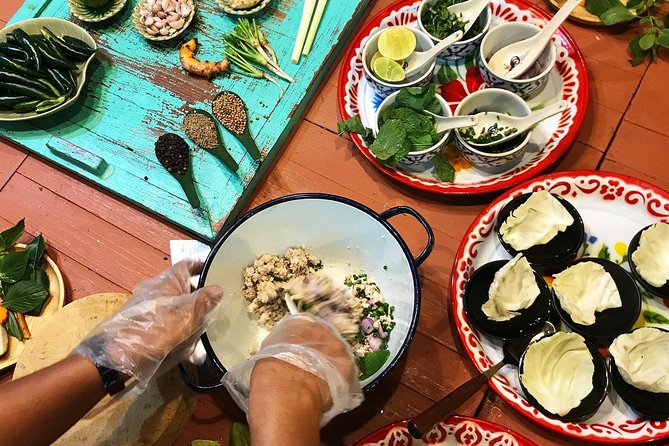
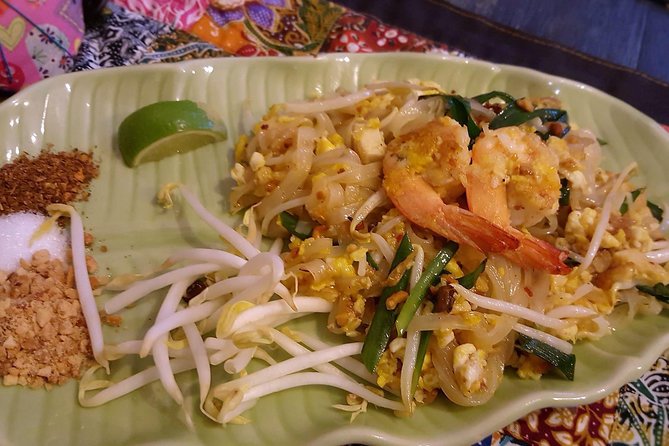
The core of the experience is straightforward: you’ll take part in a Thai cooking course built around 4 dishes. You’re not receiving a “sampling spoon” version of class. You cook, you plate, and you eat your own lunch.
Lunch is included, and the class includes the cooking ingredients—so you’re not hunting down special items or worrying that you’ll be asked to pay for basic components later. The lunch part is a big deal for value. You’re paying for a whole half-day, not just the time at the stove; you leave fed and satisfied, with food you can re-create.
You also get free recipe cards. I treat those like my “second instructor.” During the class, you’re focused on timing, textures, and balancing flavors. Later, when the memory of what went in first starts to blur, the cards help you rebuild the steps in the right order.
One more practical note: drinks aren’t included. That means you’ll want to plan around hydration yourself—especially in Bangkok’s heat—so you don’t start the class dehydrated or end it feeling thirsty and rushed.
The lesson flow: herbs to chopping to the stove
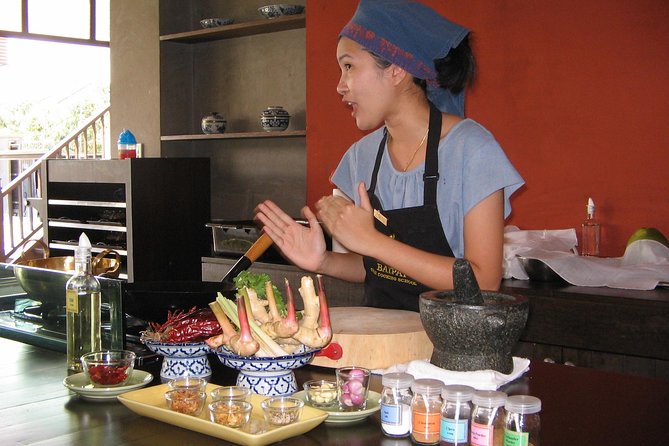
Here’s the part you’ll feel most while you’re there: the class moves in a logical sequence that keeps you active. It’s not just “watch then copy.” You’ll be doing the work—prep, cooking, tasting, and adjusting.
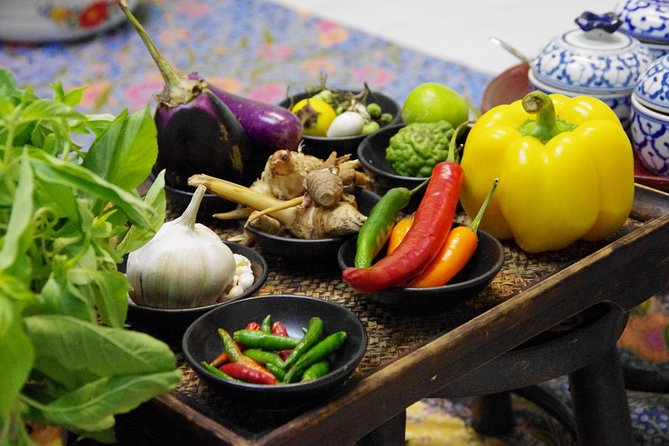
A key detail is the kitchen garden setting. You’re using fresh herbs and ingredients, and that changes how the food behaves. Thai cooking depends heavily on fresh aromatics (think herbs and seasonings) and on getting the balance right. When you start with fresh ingredients, you taste the difference right away.
You can also expect commentary from the instructor-chef while you cook. That matters because Thai dishes are usually about balance, not “more spices equals better.” You’ll likely get guidance on how ingredients are used and how cooking methods affect the final taste and texture.
As a beginner-friendly activity, it also means you won’t be punished for not knowing terms or technique. The class is structured for non-experts. If you can follow steps and ask questions, you’ll do well.
Instructor-chef commentary in English (and the cultural why)
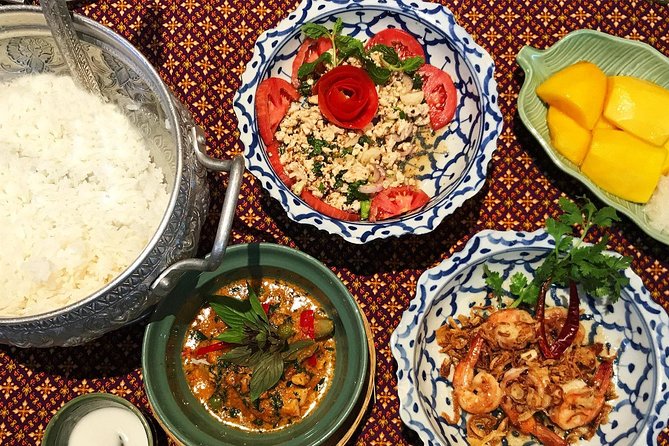
One of the best parts of this class is the live instruction and commentary in English. It’s not only about how to stir something in a pot. You’ll hear explanations connected to the culinary heritage of Thailand and why certain ingredients and methods matter.
When I’m learning Thai cooking, the technique is only half the battle. The other half is understanding what role each ingredient plays. For example, herbs aren’t just garnish; they often carry a specific fragrance that you’d miss if you substituted a dried version. Sweet, salty, sour, and heat aren’t random—Thai dishes usually aim for balance so one element doesn’t overpower the others.
This class also signals that cultural significance is part of the teaching. Even if you’re not trying to become a food historian, that context helps you cook with intention instead of guesswork. You’re less likely to make a “close enough” dish that tastes off, because you’ll understand what the dish is trying to do.
Timing, duration, and what a typical half-day feels like
The tour runs about 4 hours. A start time of 9:30 am is listed, and you also have a choice of morning or afternoon class. That flexibility is useful if you’re juggling temple visits, massage appointments, or a planned night out.
Also plan for a half-day rhythm rather than a quick stop-and-go. You’ll be moving through prep and cooking tasks, then eating lunch, then cleaning up. The group size is small, which keeps the pacing comfortable, but it still takes time to do things properly.
Tour days: it operates every day except Sunday and public holidays. That matters if you’re traveling during Thai holiday seasons or if your schedule is already packed on weekends.
You can also read our reviews of more tours and experiences in Bangkok

Location and meeting point details in Chatuchak
The meeting point is Baipai Thai Cooking School at:
8, 91 Soi Ngam Wong Wan 54, Lane 5, Khwaeng Lat Yao, Khet Chatuchak, Krung Thep Maha Nakhon 10900, Thailand
It ends back at the meeting point. That’s handy because you’re not dealing with multiple stops or transfers to a different neighborhood at the end.
Because the exact address is specific, you’ll want to confirm directions before you go. One of the practical downsides people point out is that it can be a little difficult to find. My advice: don’t rely on memory or a vague map pin. Check the route the day before, and plan to arrive early enough to settle in without rushing.
Hotel pickup and drop-off: clarify before you go
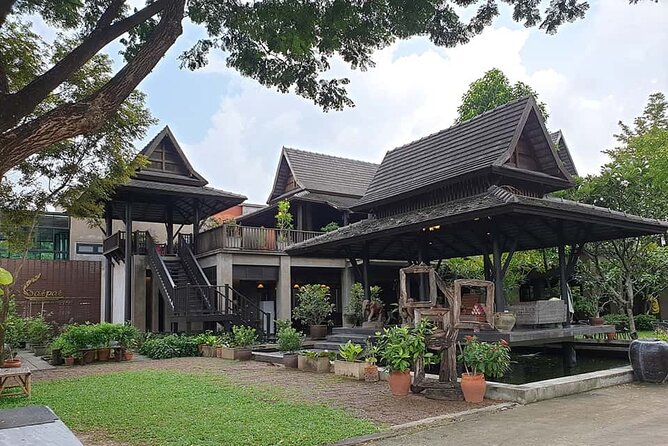
The overview information says hotel pickup and drop-off is included from centrally located hotels. But the detailed “not included” section lists hotel transfers, and there’s mention of hotel pickup being helpful even if it comes with an extra cost.
So treat this as your checklist item: when you book, ask for confirmation of whether pickup is actually included for your hotel or whether it’s an optional add-on. This avoids the common travel hassle of showing up and realizing you’re expected to reach the meeting point on your own.
If you’re staying somewhere central, you may be able to get round-trip transportation. If you’re in a quieter area or further out, you might end up meeting at the school instead. Either way, the class itself stays the same—the only difference is how you get there.
Price of $94.40: where the value really comes from
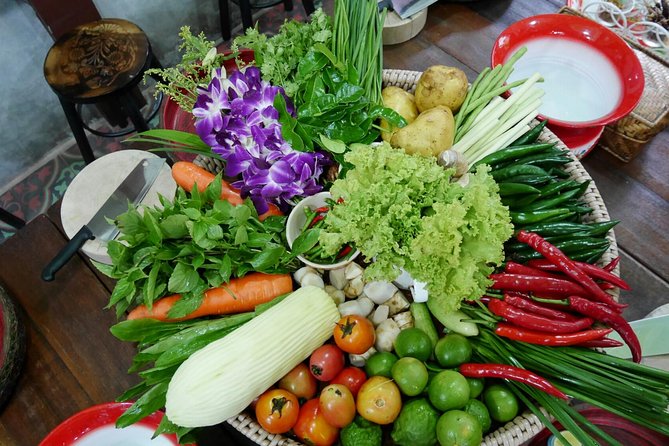
At $94.40 per person, this isn’t a “budget snack activity.” You’re paying for a guided, hands-on Thai cooking class with real structure. Here’s where the value comes from based on what’s included:
- Ingredients and lunch: you’re not paying extra for what you cook or for the meal you eat afterward.
- Four dishes: you get a complete small set of recipes rather than a token demonstration.
- Live English commentary: someone is teaching you as you cook, not just showing you a finished dish.
- Small group size (max 8): fewer people means you’re more likely to get attention and clear guidance.
- Recipe cards: the take-home notes extend the class beyond the 4 hours.
Also, this is popular enough that booking tends to happen ahead of time—on average, about 9 days in advance. If your schedule is tight, don’t wait until the last minute.
When I look at cooking classes, I focus on whether you leave with food plus instructions. This one hits that mark: you get both a lunch you made and the recipe cards to reproduce the flavors later.
Who this Bangkok cooking class fits best
This is a great match if you want:
- A beginner-friendly cooking lesson with step-by-step help
- A short, satisfying half-day plan that ends with you eating what you cooked
- A small-group experience where you can ask questions without feeling lost
It’s also a good choice if you’re someone who enjoys food culture beyond just taste. The class includes explanations tied to culinary heritage and ingredient roles, so you’ll come away with more than a memory of a nice meal.
A note for families: children 7 and younger aren’t allowed. If you’re traveling with kids older than that, double-check age rules during booking.
Practical tips before you arrive in Bangkok
A few small moves can make your cooking morning go smoother:
- Mention dietary requirements when the operator contacts you. Dietary needs are handled by preference input during booking communication.
- Wear clothes you’re okay getting a little food on. Cooking is hands-on and includes prep work.
- Bring water habits into the plan. Drinks aren’t included, so you’ll want to manage hydration yourself.
- Choose your class time based on the rest of your day. With both morning and afternoon options, you can align it with temples, shopping, or a later meal.
- Get your timing right. The tour runs about 4 hours and returns to the meeting point, so build in buffer time for Bangkok transit.
If you want a smoother start, plan to arrive a bit early and double-check directions to the school’s lane and address. It can save you stress.
Should you book Baipai Thai Cooking School?
Book it if you want an actual working cooking class in Bangkok—not a quick demo. The mix of four dishes, lunch you make yourself, and English instruction is a strong combo, especially with a max group size that keeps things personal. The garden-style ingredient setting also helps you connect flavors to real inputs, which makes the recipes easier to repeat later.
I’d hesitate only if you really depend on hotel pickup and can’t confirm it ahead of time. Since the fine print is a little inconsistent, you should clarify pickup details before you commit. If you’re okay meeting at the school (or confirming transportation), this is a solid half-day activity that pays off with both food and take-home recipes.
FAQ
How long is the Baipai Thai Cooking School class?
The class runs for about 4 hours.
What is the price per person?
The price is $94.40 per person.
Is lunch included?
Yes. Cooking instruction includes lunch.
How many dishes will I cook?
The course includes cooking 4 dishes.
Is the class in English?
Yes. Live commentary is provided in English.
Are drinks included?
No. Drinks are not included.
What’s the meeting point address?
It starts and ends at Baipai Thai Cooking School, 8, 91 Soi Ngam Wong Wan 54, Lane 5, Khwaeng Lat Yao, Khet Chatuchak, Krung Thep Maha Nakhon 10900, Thailand.
Is hotel pickup and drop-off included?
The highlights say hotel pickup and drop-off are included, but the details also list hotel transfers as not included. Confirm what applies to your hotel when booking.
Are children allowed?
Children 7 and younger are not allowed.
Can I request dietary requirements?
Yes. If you have dietary requirements, you should indicate your preferences when I Asia contacts you.
Is the booking refundable if I cancel?
No. The experience is non-refundable and cannot be changed for any reason.