REVIEW · BANGKOK CITY HIGHLIGHTS & WALKING TOURS
Bangkok: City Highlights Temple and Market Walking Tour
Book on GetYourGuide →Operated by Bigcountry Experience Co.,Ltd. · Bookable on GetYourGuide
Golden spires hit fast in Bangkok. This walking tour is a well-paced hit list: you’ll see the Grand Palace and the Emerald Buddha Temple with ticketing handled, plus guided temple context that helps the place make sense instead of feeling like random walls and gold. I also like the small-group setup (10 max) because it keeps the day from turning into a stampede.
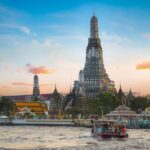
You’ll move through some of Bangkok’s most iconic religious sites, with guided stops timed so you can actually look (and not just rush-photo). Wat Pho is a standout if you choose it, and Wat Arun adds that postcard view of the 70-meter tower over the river.
One heads-up: you’re dealing with real temple dress rules, shoes-off moments, and lots of walking in Bangkok heat. Bring the right clothes and plan your energy, and the day feels smooth.
In This Review
- Key Things That Make This Tour Worth It
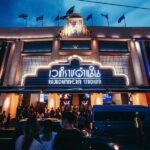
- Where the Tour Starts: River City Bangkok at 9:00 AM
- Market Sniffs Along the Way: Amulets and Tha Thien Food Market
- Wat Phra Kaew (Emerald Buddha Temple): The Sacred Center of Thai Buddhism
- Grand Palace Grounds: Where Royal Ceremonies Still Happen
- Wat Pho If You Choose It: Reclining Buddha, Medical Education, and Thai Massage Origins
- Wat Arun If You Choose It: The Temple of Dawn and Its Porcelain Tower
- Transport, Timing, and the Small-Group Advantage (10 Max)
- What to Wear and Know Before You Step In
- Price and Value: Is $42 for Royal Temples a Fair Deal?
- Who This Tour Fits Best (and Who Should Rethink It)
- Final Verdict: Should You Book This Bangkok Temple Loop?
- FAQ
- How long is the tour?
- Which temples are included in the tour?
- Is Wat Pho or Wat Arun optional?
- What’s included in the price?
- Can I take photos inside the temple buildings?
- What should I wear and what are the rules for shoes?
Key Things That Make This Tour Worth It
- Tickets included for the Grand Palace and the Emerald Buddha Temple, so you spend less time managing paperwork and more time inside the grounds
- Small group (10 max) keeps questions answerable and pacing calmer
- Licensed guide in English or German helps you read what you’re looking at, from royal symbolism to temple layout
- Wat Pho and Wat Arun can be added if you want the full temple loop (most days, you’ll be grateful you did)
- Markets on the route give you flavor beyond temples, including the amulet market area and the Tha Thien food market
Where the Tour Starts: River City Bangkok at 9:00 AM
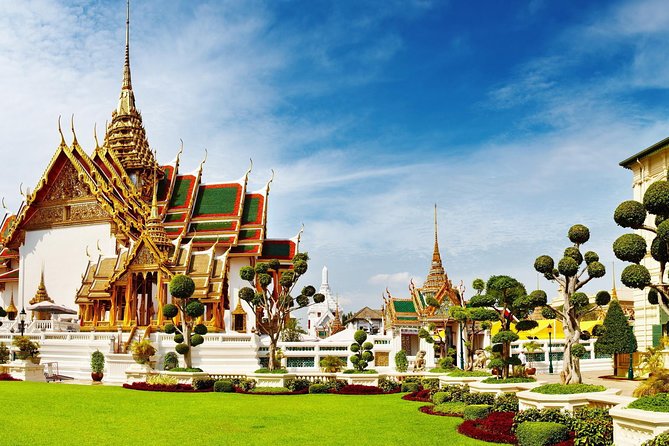
Most days begin at River City Bangkok, where you meet your guide at the Bigcountry Experience office. The start time matters here. You’ll want to be there close to 9:00 AM so you’re not arriving mid-chaos and having to figure out your bearings while everyone else is already moving.
River City is a handy base because it’s near the river and the general flow of the old-city sightseeing zone. Once the group forms, you head off by local transport rather than a private car that makes the day feel sealed off. It’s a small but real difference: you get to watch the city move while your guide keeps you pointed in the right direction.
You can also read our reviews of more walking tours in Bangkok

Market Sniffs Along the Way: Amulets and Tha Thien Food Market
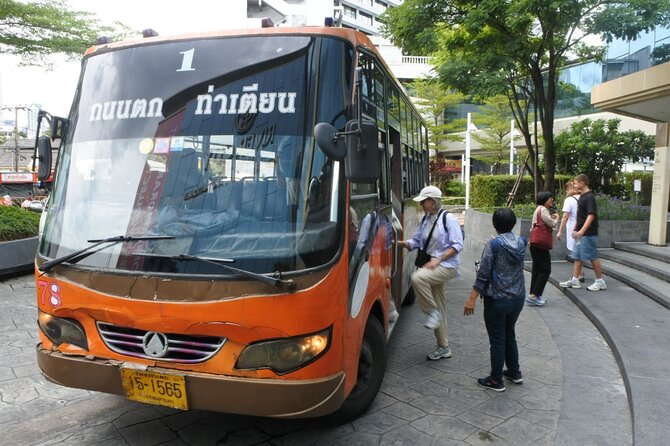
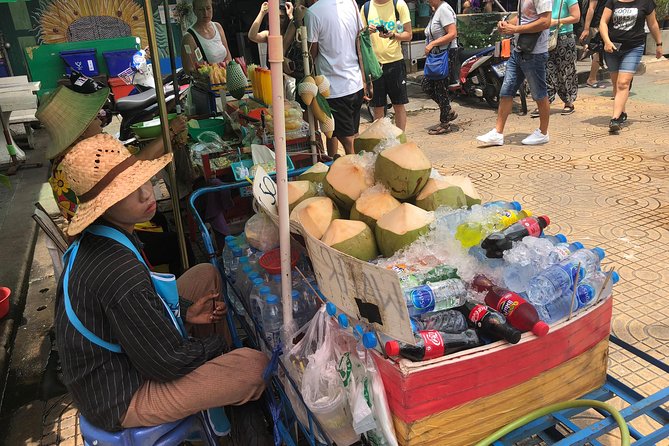
Before you reach the temples, you pass through the amulet market area on Rattanakosin Island. This is one of those places where Bangkok history shows up as daily life. You’ll likely see stalls focused on amulets and religious charms—small objects, big meaning for the people who carry and buy them.
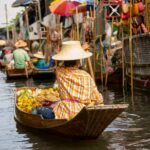
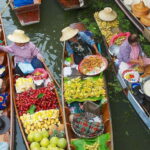
Then there’s the stop at Tha Thien Market along the way to Wat Pho (if selected). This market is known for dried, salted seafood and wholesale-style food products. Even if you don’t plan to snack, it’s a useful perspective: the temples are the headline, but the surrounding neighborhoods are what keep the culture alive.
Tip: treat the market moments like a breather with eyes. You’re not there for a shopping spree. You’re there to understand Bangkok beyond the postcard angle.
Wat Phra Kaew (Emerald Buddha Temple): The Sacred Center of Thai Buddhism
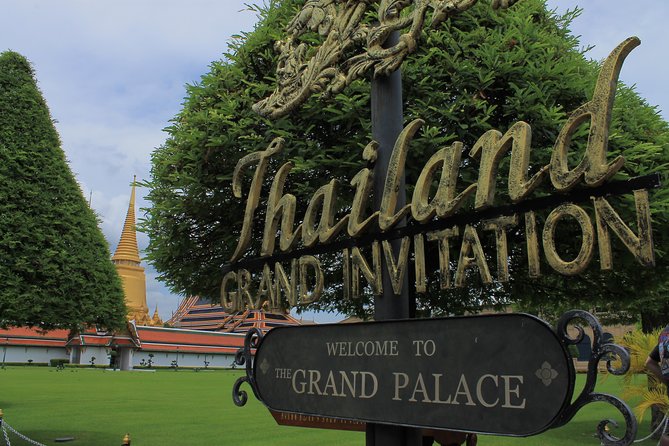
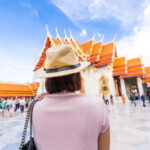
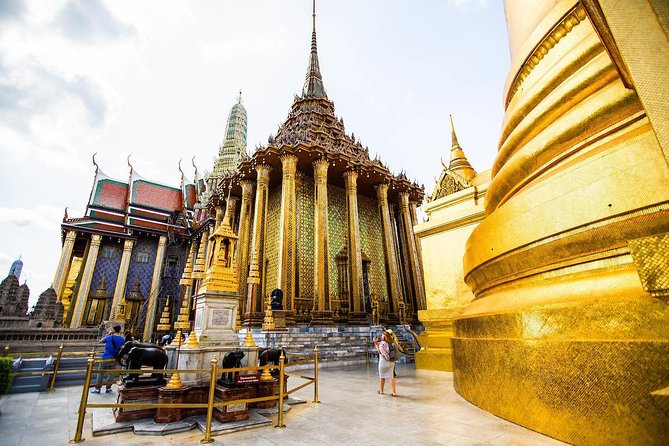
The first major temple stop is Wat Phra Si Rattana Satsadaram, better known as the Temple of the Emerald Buddha (Wat Phra Kaew). This is considered the most sacred Buddhist temple in Thailand, and it shows in how you’re meant to behave here—quiet focus, respectful dress, and attention to details.
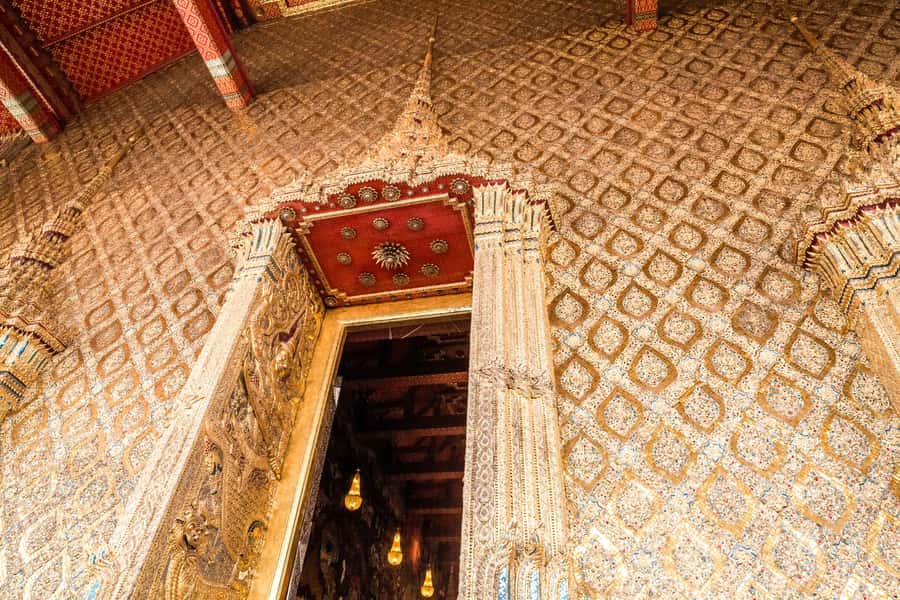
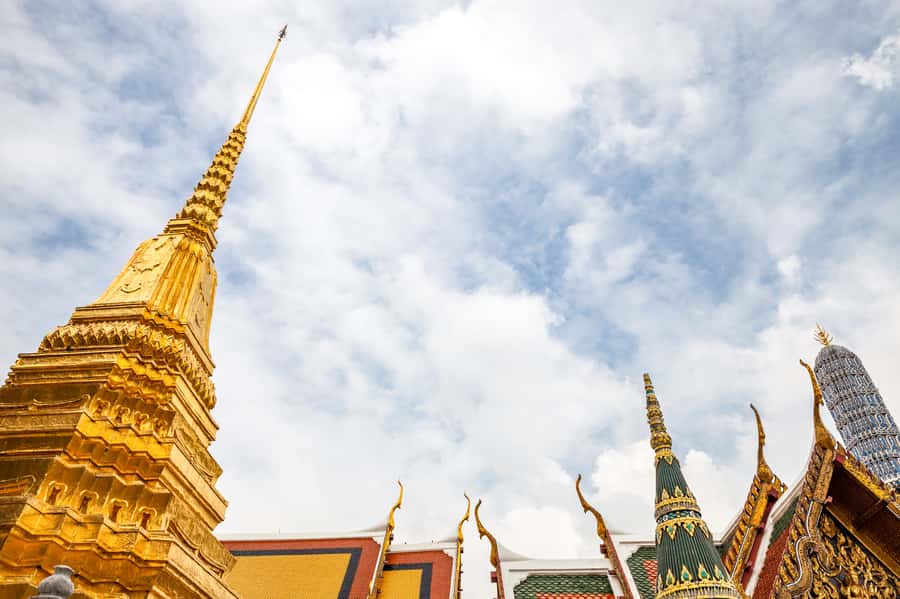
Your guide brings the buildings to life: brightly colored temple structures, golden spires, and glittering mosaic work that can look decorative until you learn what you’re seeing. The place is visually packed, so having a guide matters. They help you avoid the common trap of staring at the most shiny surfaces without understanding the layout or symbolism.
Photography rule: you can take photos in the Royal Palace grounds and in the compounds of the Emerald Buddha Temple, but not inside the buildings. That sounds strict because it is strict. Plan to use your camera mainly outdoors and in courtyards where the rules allow it.
Grand Palace Grounds: Where Royal Ceremonies Still Happen
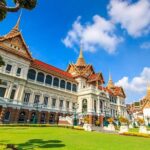
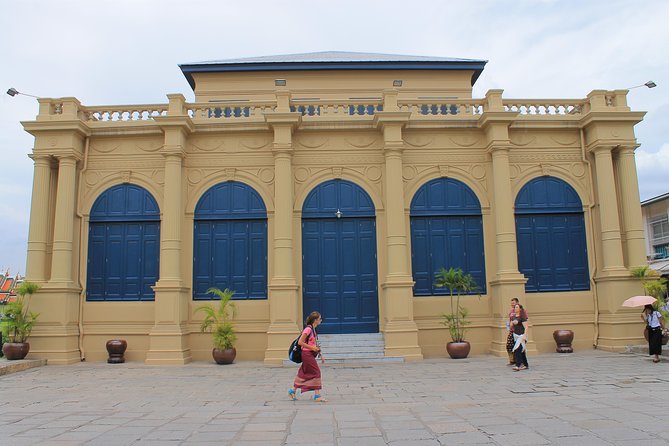
Next comes the Grand Palace. This was the official residence of the kings of Siam, and even today it’s still used for official events. That’s the key idea: the Grand Palace isn’t just a museum set. It’s an active ceremonial space, which is why your visit feels different from many other palaces you’ll see around the world.
You’ll get a guided tour and time for photos, and the stop is about 1.5 hours. With that amount of time, the guide’s job is to help you not drown in architecture. The best approach is to follow your guide’s path, then circle back briefly if you want extra photos. Trying to see everything from scratch usually means you miss the meaning.
Also, official spaces have official boundaries. Even though you’re touring, you still move with respect and follow the instructions from your guide about where you can and can’t go, plus when to pause for explanation.
If you’ve heard guide names like Air, Peter, or Philips linked to this kind of day, it matches what I’d look for: people who translate palace myths and royal symbolism into something you can actually picture, so you remember what you saw later.
Wat Pho If You Choose It: Reclining Buddha, Medical Education, and Thai Massage Origins
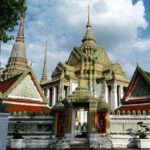
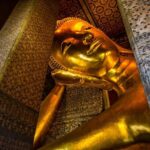
Wat Pho is the stop you add when you want depth. It’s known for the Reclining Buddha, and it’s also the oldest and largest temple complex in Bangkok. You’ll learn about King Rama I and how he rebuilt the temple complex on an earlier site, making it his main temple, with some of his ashes enshrined there.
What makes Wat Pho special is that it’s not only religious. It’s also about public learning. The temple is regarded as an early center for medical public education. You’ll notice marble illustrations and inscriptions used for instructions for people. That education angle is a big reason why Wat Pho is more than a beautiful temple stop.
One of the biggest facts your guide is likely to mention: Wat Pho has been recognized by UNESCO in its Memory of the World Programme. It’s one of those moments where you realize the temple isn’t just art and devotion; it also preserved educational content in a way that matters.
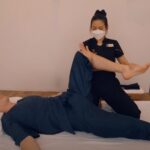
And then there’s the practical cultural legacy: Wat Pho is the birthplace of traditional Thai massage, taught and practiced at the temple today. So when you see the grounds, the story isn’t stuck in the past. It’s connected to something people still do.
Attire note applies here too. If you’re already dressed correctly for the first temple, you’ll feel relieved. If you’re not, you’ll feel it immediately.
You can also read our reviews of more city tours in Bangkok

Wat Arun If You Choose It: The Temple of Dawn and Its Porcelain Tower
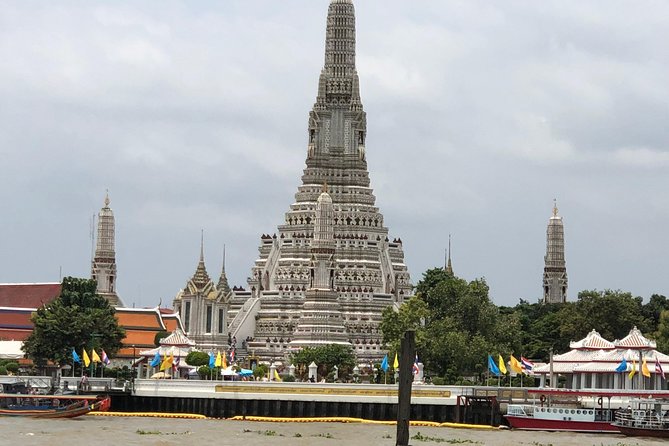
Wat Arun (Temple of Dawn) is one of Bangkok’s most famous landmarks, and it’s the kind of place where the photo is good for a reason. You’re looking at a giant 70-meter tower right beside the Chao Phraya River, decorated with tiny pieces of colored glass and surrounded by Chinese porcelain.
Your guide typically helps you appreciate the details because it’s easy to treat Wat Arun like a single view. Up close, though, it becomes a study in textures and repeating patterns. You’ll also learn why it’s associated with dawn and why the river location is part of the meaning.
This stop is also where pace matters. Depending on how the group moves, you may spend more time looking outward at the tower than walking in circles. That’s not a downside. Wat Arun is built to be appreciated from multiple angles, especially with the river as your backdrop.
Transport, Timing, and the Small-Group Advantage (10 Max)
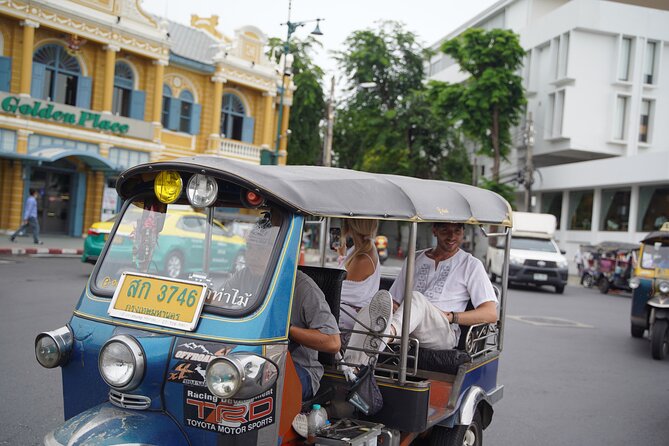
One reason this tour feels more “doable” than DIY temple hopping is how it handles movement. You’re traveling by local transport between stops. That’s not a luxury bus-style day. It’s more like getting guided access plus local know-how.
The practical side: you’re not left figuring out which bus or walkway to take while also trying to decode temple etiquette. Your guide keeps you moving and also keeps you informed while you’re waiting or walking.
In small groups, the vibe shifts. You’re not shouting over other people. You can ask questions and get answers that actually connect to what you’re looking at right then. And guides in this program are repeatedly praised for care—things like regular water and toilet breaks, managing time so you don’t feel rushed, and even keeping the group comfortable if the weather turns.
The reviews around guides like Mina, Kiwi, and Johnny fit that pattern: attentive pacing, frequent check-ins, and clear directions after the final drop-off so you’re not stuck wandering while hot and tired.
What to Wear and Know Before You Step In
Temple rules aren’t optional here. They’re part of the experience, and they affect how smooth your visit is.
- Sleeves and coverage matter: sleeveless shirts aren’t allowed.
- You’ll need proper attire for the national shrine chapels: no bare shoulders and knees, and strapless-heel shoes aren’t acceptable.
- Shoes must be removed before entering temple buildings.
Plan for that. Wear footwear that’s easy to slip off and on, and consider bringing socks if your feet hate hot surfaces.
Photography is controlled. You can photograph in the Royal Palace grounds and Emerald Buddha Temple compounds, but not inside the buildings. That means your shots will be courtyard and exterior oriented. If you’re the type who wants indoor detail shots, you’ll need to adapt.
Good news: restrooms are available.
Price and Value: Is $42 for Royal Temples a Fair Deal?
$42 per person sounds like a number until you break down what’s actually included. You’re paying for:
- Admission to the Grand Palace
- Admission to the Emerald Buddha Temple
- Wat Pho and Wat Arun admissions if you select those options
- A professional licensed guide
- Drinking water
If you were trying to do this alone, you’d still spend money on multiple admissions, plus you’d pay in time and stress managing routes and rules. Here, the guide is basically your shortcut to understanding, and the admissions are the first-cost item handled for you.
Duration is listed as 2 to 4 hours, depending on start times and which optional temples you choose. For the combination of major sites in central Bangkok, that time window is realistic. You’re not going for a half-day museum slog. You’re getting the highlights with context.
Who This Tour Fits Best (and Who Should Rethink It)
This tour works especially well if:
- You’re short on time and want the best Bangkok temple hits without decision fatigue
- You want historical and cultural context explained in plain language
- You’d rather pay a little to save hours of planning and ticket managing
It might be less ideal if:
- You dislike dress rules and shoes-off moments
- You need a very leisurely day with minimal walking
- You want totally free roam with no guidance about where to go next
If you’re flexible and prepared, this is a strong “first Bangkok temple day” option.
Final Verdict: Should You Book This Bangkok Temple Loop?
I’d book it if you want a guided route that makes the sights click fast: Grand Palace as a living ceremonial space, Emerald Buddha as the sacred centerpiece, Wat Pho for the Reclining Buddha plus the Thai massage and medical education story, and Wat Arun for the river-tower views.
The deal-maker is how much is handled for you—tickets, a licensed guide, and the pacing in a small group. Bring the right clothes, keep an eye on the photography rules, and you’ll leave with temples you can actually explain to friends.
FAQ
How long is the tour?
The tour duration is listed as 2 to 4 hours. Starting times vary, so check availability for the exact schedule for your day.
Which temples are included in the tour?
Admission fees to the Grand Palace and the Emerald Buddha Temple are included. Wat Pho and Wat Arun admissions are included only if you choose those options.
Is Wat Pho or Wat Arun optional?
Yes. Wat Pho and Wat Arun are offered as options, and their admission fees are included only if selected.
What’s included in the price?
The price includes admission fees for the Grand Palace and Emerald Buddha Temple, plus Wat Pho and Wat Arun if selected, a professional licensed guide, and drinking water.
Can I take photos inside the temple buildings?
Photography is permitted in the Royal Palace grounds and in the compounds of the Emerald Buddha Temple, but it is not permitted inside the buildings.
What should I wear and what are the rules for shoes?
Sleeveless shirts aren’t allowed. You’ll need proper attire with no bare shoulders and knees. Shoes must be removed before entering the temple buildings.