REVIEW · FOOD
Taste of Bangkok: A 3-Hour Chinatown Food Feast
Book on GetYourGuide →Operated by DiscoverEase Tours · Bookable on GetYourGuide
Food in Yaowarat feels like a moving feast. This 3-hour walk turns Thai-Chinese street classics into an organized, no-stress evening with guide-led tastings and real local context.
I love that you don’t just snack on random bites. You get a planned sequence of 10+ samples, including a stop at a Michelin-star food stall, so the highlights aren’t left to chance. The mix of savory and sweet also makes the whole night feel complete instead of one long stomach rollercoaster.
One heads-up: the tour isn’t set up for everyone. It lists not suitable for vegans and vegetarians, and it also notes that not all dietary restrictions can be accommodated, even though some people reported vegetarian options when traveling with the right guide.
In This Review
- Key things to know before you go
- Yaowarat at night: what makes this Bangkok food walk work
- The meeting point at Wat Mangkon Kamalawat (Wat Leng Noei Yi)
- Your 3-hour tasting route: 10+ Thai-Chinese dishes in smart pacing
- The Michelin-star street food stop: why it’s a big deal here
- The sweet finish: Chinese desserts and snacks at the end of the night
- Chinatown history you can actually taste
- Crowds, walking, and spice: the real-world considerations
- Price and value: is $36 for 3 hours worth it?
- Who should book this Taste of Bangkok tour?
- Should you book Taste of Bangkok: A 3-Hour Chinatown Food Feast?
- FAQ
- How long is the Taste of Bangkok food tour?
- Where does the tour start and end?
- What does the tour cost?
- What’s included in the price?
- Is hotel pickup or drop-off included?
- Is the tour available in English?
- How many people are in the group?
- Is it suitable for vegetarians or vegans?
- Can I cancel for a refund?
Key things to know before you go
- Small group size (max 8): easier pacing, more attention at each stall, and less lost-time weaving through crowds
- Start at Wat Mangkon Kamalawat (Wat Leng Noei Yi): a clear meeting point before you head into Yaowarat
- 10+ tastings, including a Michelin-star stall: you’re not hoping for a great meal, you’re getting built-in “best stop” energy
- Chinatown food history in plain language: Chinese immigrant influence shows up in the dishes, not just the facts
- English live guide (Na or Peak are common): friendly explanations plus practical advice on what to order and how to eat
- Not a food tour for every diet: plan around the tour’s limits on vegan/vegetarian needs
Yaowarat at night: what makes this Bangkok food walk work
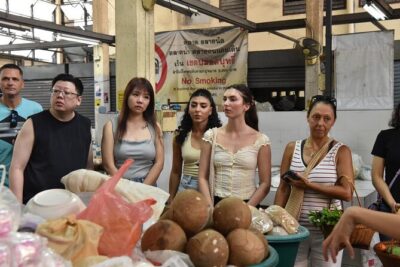
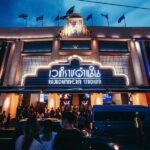
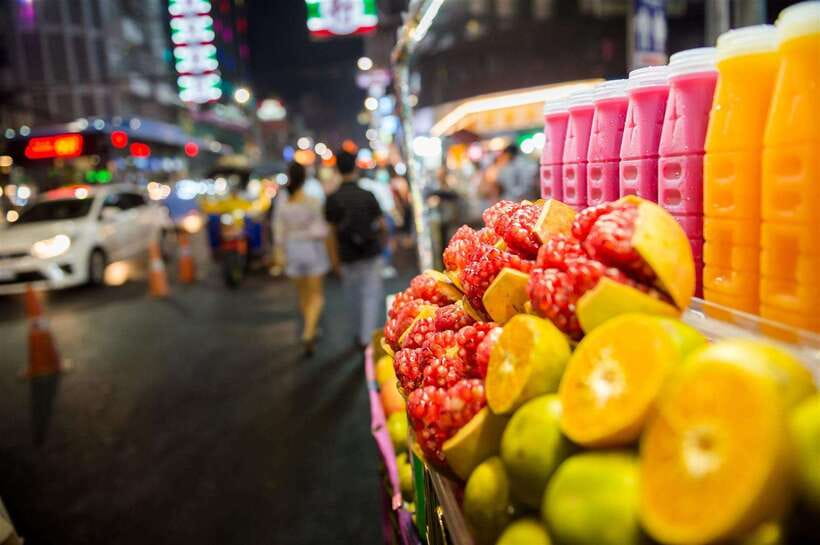
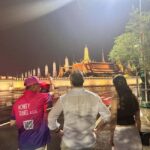
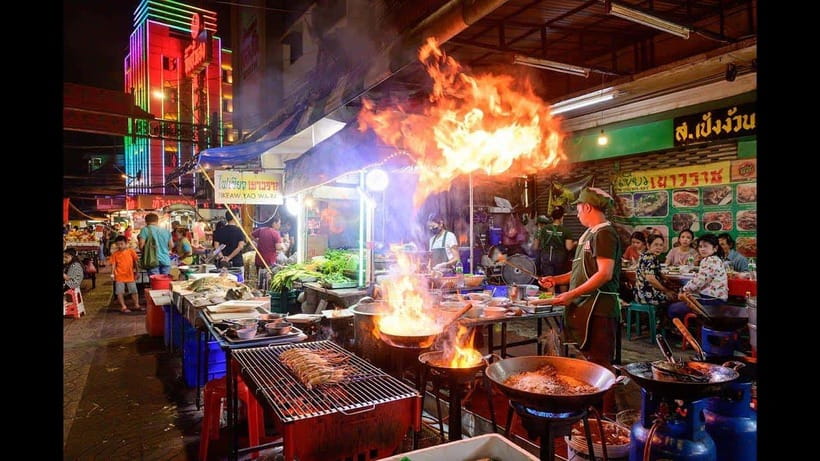
Bangkok’s Chinatown, called Yaowarat, is the kind of place where you can smell dinner before you see dinner. This tour leans into that. You’re not standing in one spot waiting for something to catch your eye. You’re moving street by street, sampling as you go, with a guide keeping the flow tight.
The best part is the balance between chaos and structure. Chinatown at night can be loud, crowded, and visually intense. A guided route helps you avoid the common problem of “I saw a million stalls but picked none.” Here, the tastings are the point, and the guide makes sure you hit the categories that make Thai-Chinese food what it is: crispy, savory, grilled, steamed, stir-fried, noodle-y, and then dessert.
I also like that you get context while you eat. You’ll learn how Chinese immigrant food traditions shaped Bangkok’s street-food identity. That’s not just trivia. It helps you notice patterns, like how certain flavors, textures, and cooking styles travel across generations and turn into something local.
You can also read our reviews of more food & drink experiences in Bangkok

The meeting point at Wat Mangkon Kamalawat (Wat Leng Noei Yi)
Your evening starts at Wat Mangkon Kamalawat (Wat Leng Noei Yi). Using a real landmark like this matters in Chinatown. You don’t want to be hunting for a tour group in a maze of narrow alleys and neon signs.
Plan to arrive a bit early so you can settle in without feeling rushed. This is especially important if you get nervous in crowds. One practical tip: wear shoes you trust. This is a walking tour, and the timing (3 hours) assumes you’ll keep moving.
Bring a reusable water bottle if you like, but note that bottled water is included. That small detail helps your pacing. When you’re tasting 10+ items, dehydration sneaks up fast, and Chinatown evenings don’t exactly slow down.
Your 3-hour tasting route: 10+ Thai-Chinese dishes in smart pacing
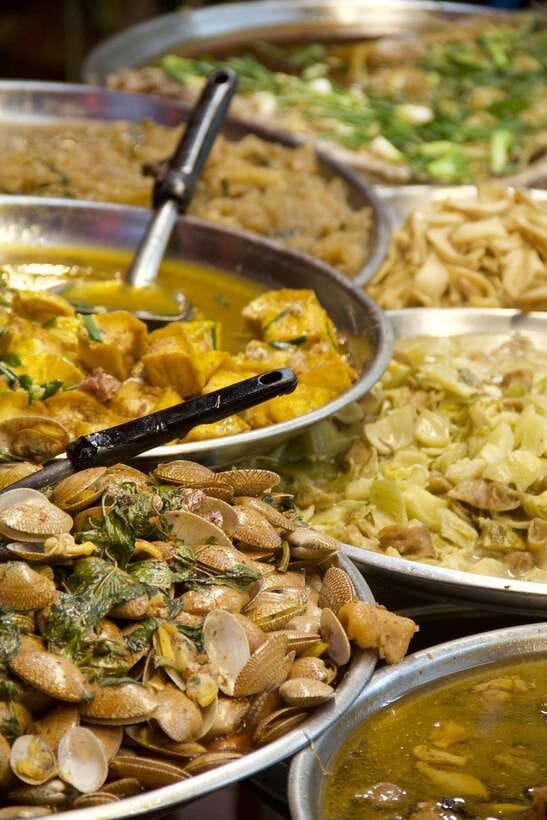
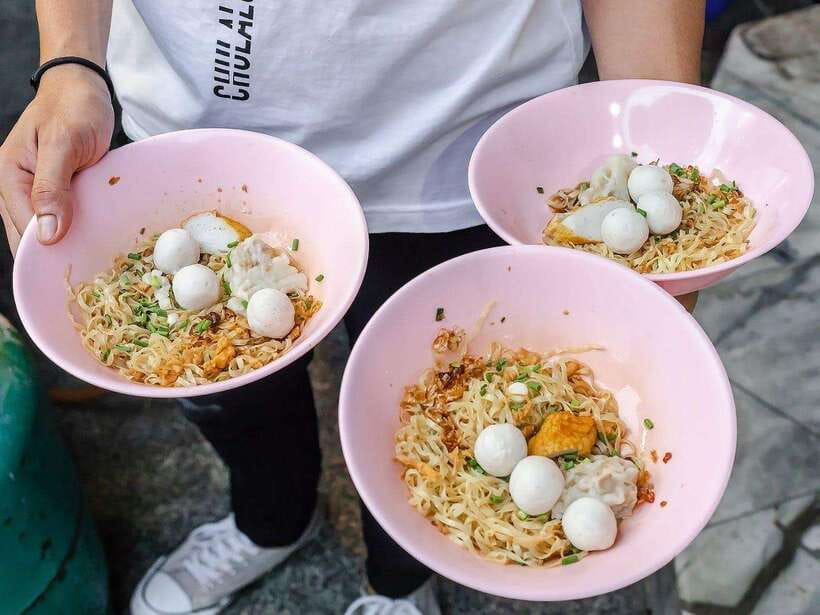
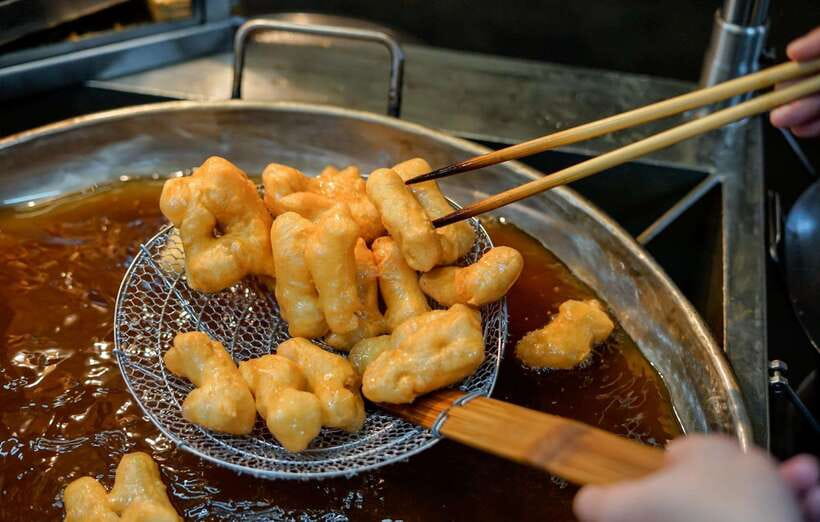
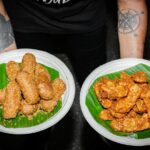
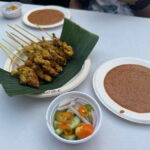
This is a food feast, not a polite sample session. Expect more than 10 different tastings across the evening, with stops that cover a spread of Thai-Chinese favorites. Based on the tour description, you can look forward to things like crispy spring rolls, barbecued meats, freshly steamed dumplings, and stir-fried dishes.
What I find useful about the way this tour is set up is the pacing between types of food. If you were doing this on your own, you might accidentally order too much of one style (too greasy, too spicy, too similar). A guided route keeps variety front and center, which makes the “wow” moments more frequent instead of burning out after the third stall.
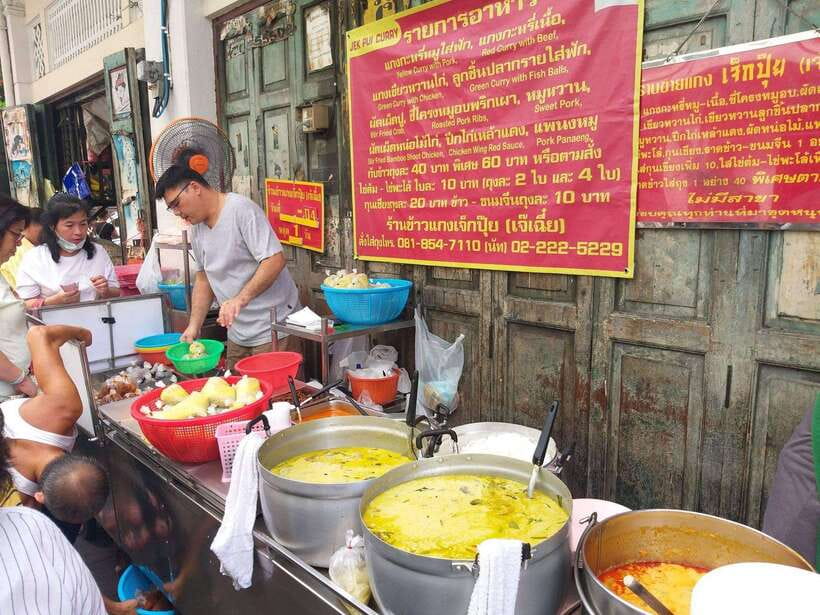
Also, the tour includes stops that go beyond the most obvious tourist picks. You’re meant to try dishes locals go back for, including noodle soups and spicy seafood dishes (with spice levels that can vary by stall). One thing to do before you start: decide your spice comfort level. If you want it milder, say so early to the guide so it’s addressed before the food hits the table.
And don’t show up starving in the heroic way. Show up hungry, yes. But also plan to pace yourself. Even with small group size, you’ll still be eating constantly for 3 hours.
The Michelin-star street food stop: why it’s a big deal here
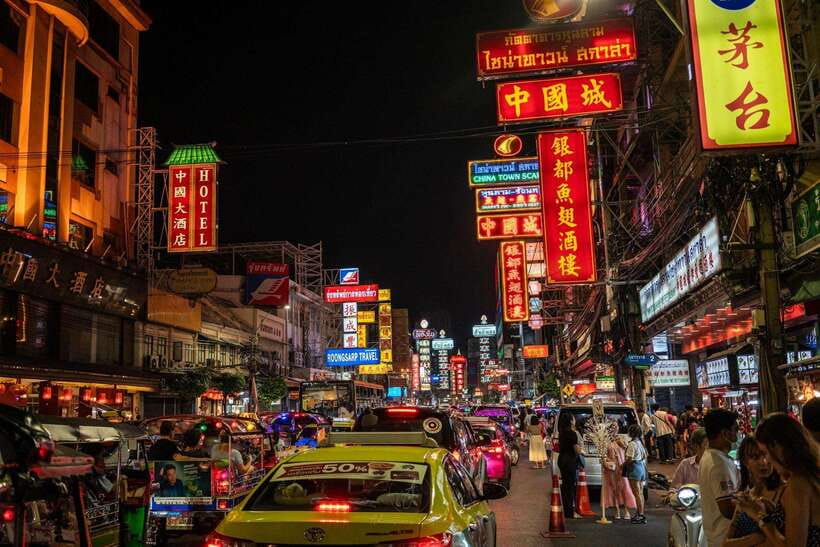
One of the main highlights is a stop at a Michelin-star food stall. That matters for two reasons.
First, it takes the guesswork out of where to go for a truly standout meal. In Chinatown, the “best” stall isn’t always the most famous-looking one. The guide’s job is to get you to quality when there’s plenty of food calling your name.
Second, it changes how you experience the rest of the night. When you taste something award-level in a street setting, you start noticing technique. Texture, seasoning balance, and consistency pop more clearly once you’ve had a benchmark dish.
What to do during that stop: eat slowly. If you treat it like just another bite, you’ll miss why it earned its reputation. Also, watch how the dish is presented and served. Even if you can’t replicate it at home, you’ll learn how to “read” street food—what to look for, what to prioritize, and how much you actually need to feel satisfied.
The sweet finish: Chinese desserts and snacks at the end of the night
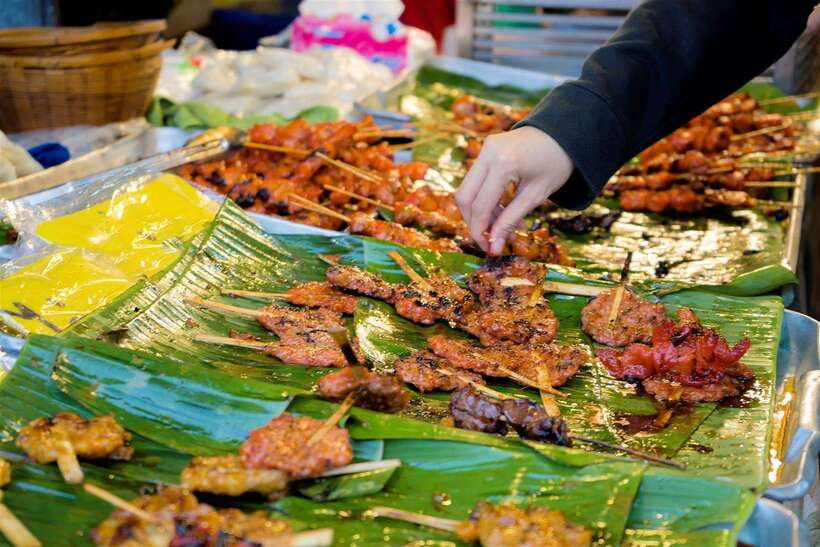
A good food tour doesn’t just end with more savory. This one finishes with traditional Chinese desserts and snacks, like freshly made buns and local-style pancakes, plus a refreshing drink.
That sweet ending is practical. After grilled and fried savory foods, your palate needs a reset. You’ll also feel less rushed at the end because desserts tend to be more shareable and easier to slow down over than hot main dishes.
If you like dessert as part of travel (and not as an afterthought), this stop is a nice payoff. If you don’t, still try at least one item. You’ll leave understanding what Chinatown food culture tastes like when it goes past dinner and into snack-time tradition.
You can also read our reviews of more tours and experiences in Bangkok
Chinatown history you can actually taste
Part of the experience is learning about Chinatown’s history and the influence of Chinese immigrants on Bangkok’s food scene. The value here is that it isn’t only “facts on a timeline.” It ties directly to what you’re eating and why certain flavors and cooking styles show up again and again.
Think of it like this: when your guide explains the background, dishes stop being random “mystery bites.” They become signals. You start to recognize family-style flavors that feel familiar even when the names are new.
This is also where an excellent guide makes the tour feel personal. In the feedback, English-speaking guides like Na and Peak are praised for being friendly, upbeat, and clear about what’s happening at each stall. I’d treat the guide’s notes as a map for how to order next time on your own—so you aren’t just repeating the tour, you’re building your own Chinatown routine.
Crowds, walking, and spice: the real-world considerations
This isn’t a sit-down dinner tour. It’s a walk through an active neighborhood where evening crowds can get intense, especially on weekends. One important consideration is comfort. If you struggle with packed streets, you’ll need patience and a strategy: stay close to the guide, step aside when needed, and don’t try to stop for selfies when the group is mid-flow.
Spice is another practical factor. Some dishes in Thai-Chinese street food are spicy by default, but stall-level heat can vary. If you’re sensitive, speak up. A couple of people noted that spice levels can be adjusted for the group when requested, but the takeaway for you is simple: tell the guide your preference early.
Finally, diet needs real checking here. The tour is listed as not suitable for vegans and vegetarians, and it also says not all dietary restrictions can be catered for. Still, at least one vegetarian traveler reported that their guide provided vegetarian options. That’s promising, but it also means you should confirm specifics ahead of time if food restrictions affect you.
Price and value: is $36 for 3 hours worth it?
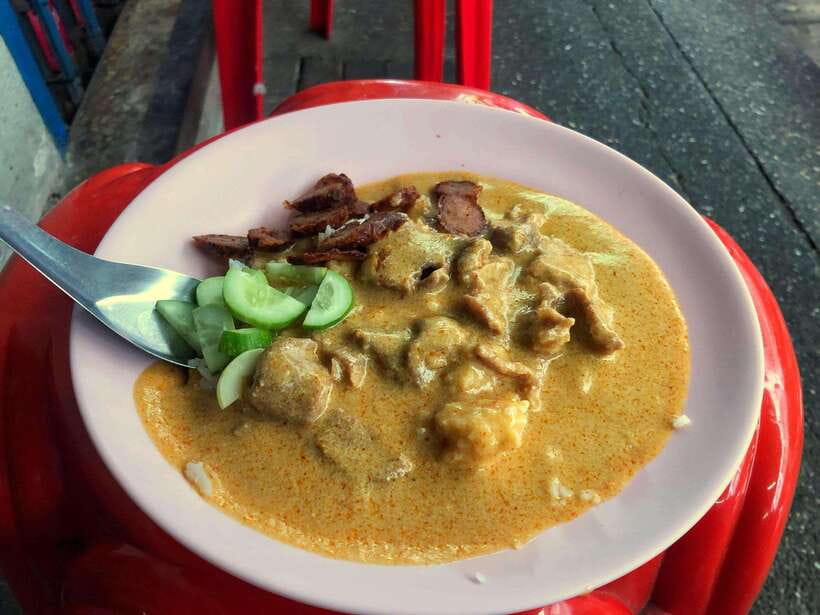
At $36 per person for a 3-hour guided street-food experience, the value depends on what you compare it to.
If you were doing this independently, you’d spend time figuring out where to go, what to trust, and how to handle language and menu names. You’d also likely miss the “best stop” moment unless you already know Yaowarat like a local. Here, you’re paying for a tight route, guidance, and a structured lineup of tastings, including a Michelin-star stall.
You also get food samples plus local guidance, walking tour, and bottled water. When you break it down, you’re essentially buying access to a curated evening where you eat enough that it feels like an actual meal rather than a few snacks.
For me, the price feels reasonable because you’re not just tasting food—you’re buying time saved and mistakes avoided. And in Chinatown, saving time isn’t just convenience. It’s how you end up eating better.
Who should book this Taste of Bangkok tour?
This tour fits best if you want:
- A guided way to eat across multiple stall styles without overthinking it
- A Michelin-star street-food moment in the middle of a street-food crawl
- History plus food, explained in a way that connects directly to what you taste
- A small group (up to 8), which helps when streets get tight
It may not be your best match if you need a vegan or strict vegetarian plan, or if walking in dense crowds stresses you out. The tour’s structure is built for motion and constant tastings, so it’s not designed for people who want a slower, fully customizable pace.
Should you book Taste of Bangkok: A 3-Hour Chinatown Food Feast?
If you like street food and you want to avoid decision fatigue, I think you should book it. The combination of 10+ tastings, the Michelin-star stall stop, and the Yaowarat evening route makes it a strong way to experience Bangkok Chinatown in a single night without spending your time hunting.
Before you commit, do two simple checks:
- Confirm how the tour handles your dietary needs, especially if you’re vegan or vegetarian. Don’t assume. Ask.
- Be honest about walking and crowd comfort. If you’re okay with busy streets and moving every few minutes, you’ll enjoy the energy.
If those fit, this is a fun, satisfying evening that leaves you full and better at ordering in Chinatown long after the tour ends.
FAQ
How long is the Taste of Bangkok food tour?
It lasts 3 hours.
Where does the tour start and end?
The tour starts at Wat Mangkon Kamalawat (Wat Leng Noei Yi) and finishes at The Chinatown Gate.
What does the tour cost?
The price is $36 per person.
What’s included in the price?
Included are a local guide, a walking tour, food samples, and bottled water.
Is hotel pickup or drop-off included?
No. Hotel pick up and drop off are not included.
Is the tour available in English?
Yes. The tour has a live English-speaking guide.
How many people are in the group?
The group is small, limited to 8 participants.
Is it suitable for vegetarians or vegans?
The activity is listed as not suitable for vegans and vegetarians. The tour also notes that not all dietary restrictions can be catered for.
Can I cancel for a refund?
Yes. Free cancellation is available up to 24 hours in advance for a full refund.