REVIEW · HISTORICAL TOURS
From Bangkok: Historical Day Tour to River Kwai
Book on GetYourGuide →Operated by Bigcountry Experience Co.,Ltd. · Bookable on GetYourGuide
The Death Railway has a pulse. On this Bangkok-to-Kanchanaburi day trip, I like the small-group feel and the way guides such as Luke or Jokey connect what you see at the cemetery and museum to the Death Railway train ride you take afterward. One caution: it’s a long day, with a big chunk of it spent on the road.
You’ll start by paying your respects at a well-kept Allied war cemetery with graves tied to the railway’s construction. Then you’ll hit the Thailand-Burma Railway Centre, followed by time at the River Kwai bridge and a train ride along the surviving track.
The tour is priced at $51 per person for a 10-hour day, and that includes lunch, entrance fees, a guide, and basic train fare (THB 100). Just remember: the basic train ticket doesn’t guarantee a seat, so if you want one, plan on the optional THB 200/person for assigned seating.
In This Review
- Key highlights worth clocking
- A long drive that actually makes sense
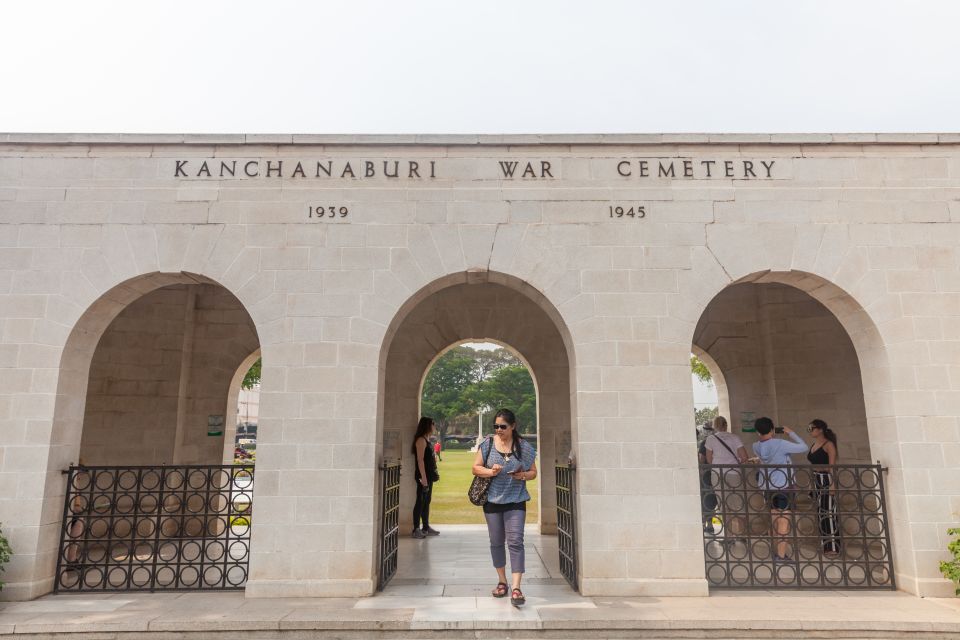
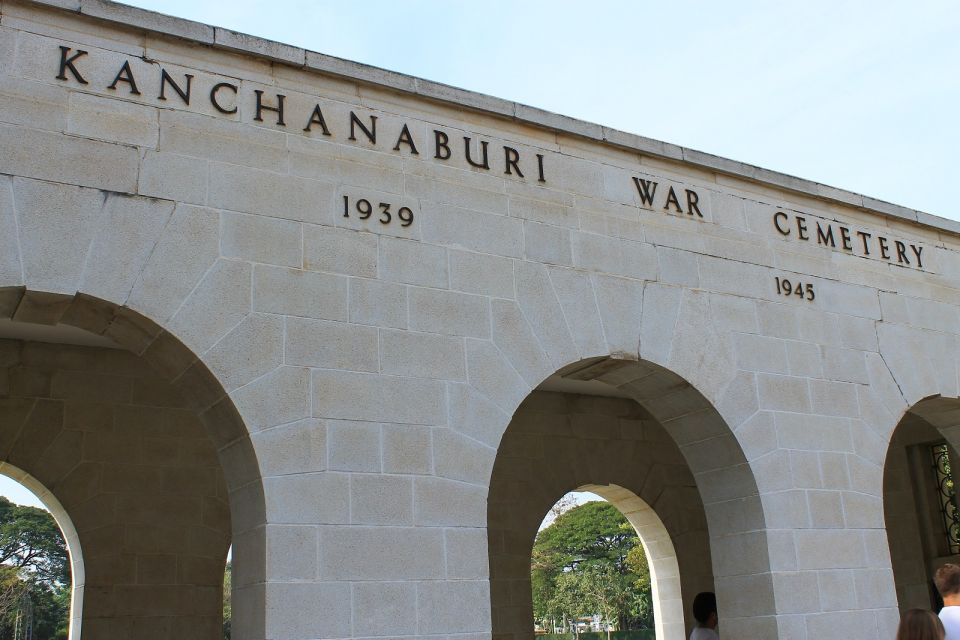
- War Cemetery and POW graves: start here for the right mood
- Thailand-Burma Railway Centre: the museum that explains the machinery
- Riding the Death Railway: the part you can feel
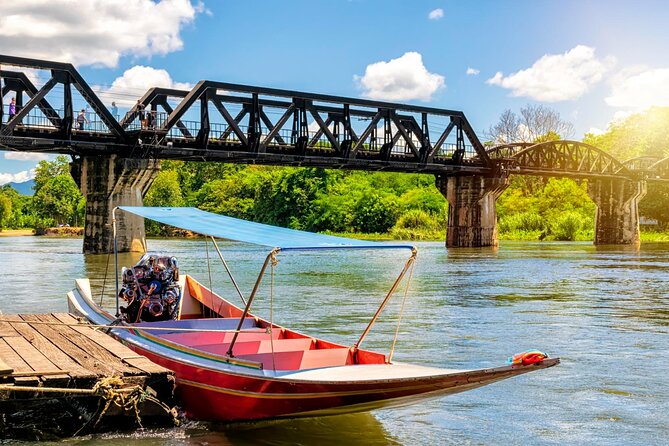
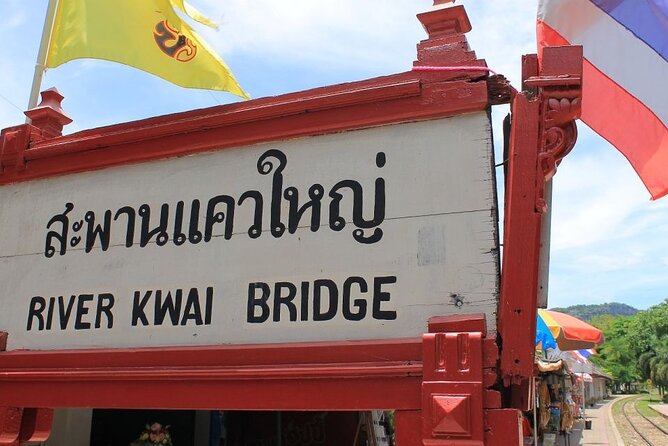
- River Kwai bridge: famous view, but it hits differently now
- Lunch where you disembark: pause and refuel
- The cave visit and the rail-side walk
- Price and value: $51 buys a full day, not just sightseeing
- Who should book this (and who should rethink it)
- Should you book the Bangkok-to-River Kwai day trip?
- FAQ
- How long is the tour from Bangkok to River Kwai?
- Where is the meeting point if I don’t want hotel pickup?
- What time are pick-ups available?
- Is lunch included?
- Does the included train ticket guarantee an assigned seat?
- What language is the guide?
Key highlights worth clocking
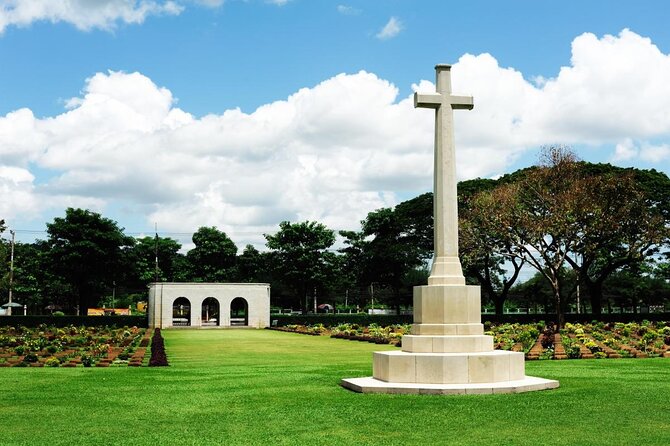
- War cemetery first: You get context and a place for quiet reflection before the sights start hitting harder.
- Thailand-Burma Railway Centre: Interactive exhibits with photos and artifacts that explain how the railway was built.
- Train ride on original track: A real stretch of the notorious railway line, with countryside views along the way.
- River Kwai bridge time: Time to walk around and take photos of the famous structure.
- Small-group guiding: Guides like Luke, Woody, Henry, William, and Ong are repeatedly praised for clear explanations and pacing.
- Optional seat upgrade: If you care about comfort, you’ll want the assigned-seat option.
A long drive that actually makes sense
Kanchanaburi is about 80 miles (130 kilometers) west of Bangkok, and you’re looking at roughly 3 hours each way by air-conditioned van. Yes, that’s a chunk of time. But it matters here, because the places you’re visiting aren’t quick “photo stops.” You’re going for memory, context, and a firsthand sense of scale.
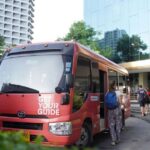
Pick-up depends on where you’re staying. Hotel pick-ups can start at 6:00 AM (Khaosan) or around 6:15 AM (Silom). If you’re not doing hotel pick-up, you’ll meet at BMP Bigcountry meeting point at River City Bangkok (23 Charoen Krung Soi 24, Talad Noi, Sampantawong, Bangkok 10100).
Also plan for Bangkok traffic. The schedule can slide if roads are slow, so if you’re the type who hates late arrivals, build in some patience. Many people feel the day runs long in practice, even though it’s sold as 10 hours.
You can also read our reviews of more historical tours in Bangkok
War Cemetery and POW graves: start here for the right mood
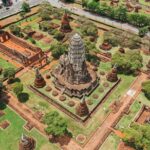
You’ll arrive and tour the War Cemetery, where graves of an estimated 9,000 Allied soldiers are tended. This is one of those moments where the setting helps. The grounds are described as well-kept, and the cemetery gives you the human anchor before you step into the mechanics of the railway story.
This part works well because it reframes what you think you know. You’re not just seeing a famous bridge or riding a train. You’re visiting a place tied directly to how brutal conditions were, and how many people died in the work.
A practical tip: go in with a slower pace than you’d use at a typical landmark. Even if your itinerary is tight, you’ll get more from this stop if you don’t rush through it like a checklist. One traveler even wished for a bit more time here—so if this is your priority, I’d mentally give it extra attention at the start.
Thailand-Burma Railway Centre: the museum that explains the machinery
Next comes the Thailand-Burma Railway Centre in Kanchanaburi. It’s an interactive museum, research, and information center built to present the story of the Thailand-Burma Railway. Expect exhibits with pictures and artifacts that help connect the dots between the plans, the labor, and the suffering.
What I like about this stop is how it sets the stage for the train ride later. Without this context, the railway can feel like a movie set. With it, you understand why the line was built, who paid the price, and why the phrase Death Railway stuck.
Time-wise, you’ll have enough to get the main story and see key exhibits, but it won’t feel like a half-day museum crawl. If you’re the type who reads every label cover-to-cover, you might wish you had more time. I’d treat it as your orientation stop: you’re learning the why, so the later sights land harder.
Riding the Death Railway: the part you can feel
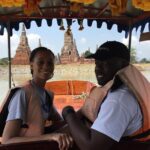
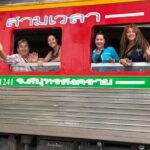
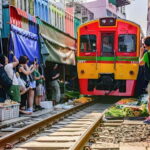
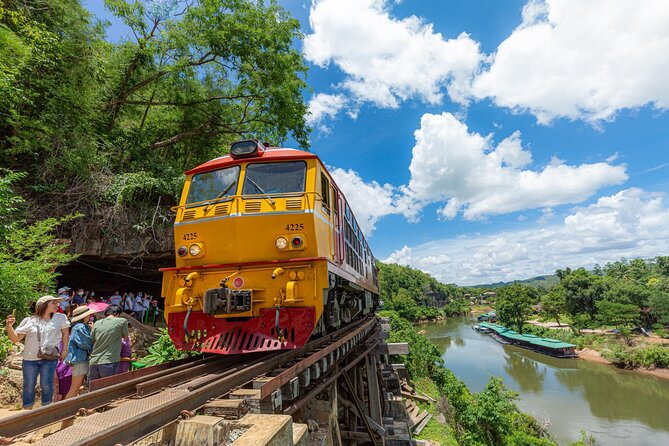
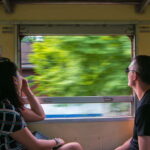
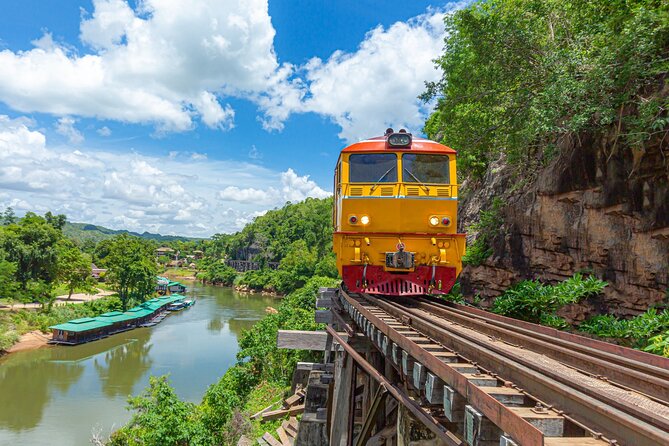
Then you get the highlight that makes this trip more than a museum day: a train ride along a stretch of the Death Railway track. The tour includes the basic train fee (THB 100), but important detail: it doesn’t guarantee an assigned seat.
If you care about comfort or you’re sensitive to crowding, consider the optional THB 200/person for assigned seating. People praise how the guide helps them get good placement. One tip that came up: if you can, aim for a seat that gives you a better view as you cross the viaducts and wooden structures. Ong reportedly helped his group secure seats on the left side for that perspective.
Even with assigned seating, remember you’re riding a heritage-style section of line. The point isn’t luxury. The point is perspective—how the countryside unfolds as the train follows the line the railway once followed, and how the track threading through this area makes the whole operation feel real.
If you’re short on patience, this is still a worthwhile segment because it gives you motion and scenery in between the heavier historical stops.
River Kwai bridge: famous view, but it hits differently now
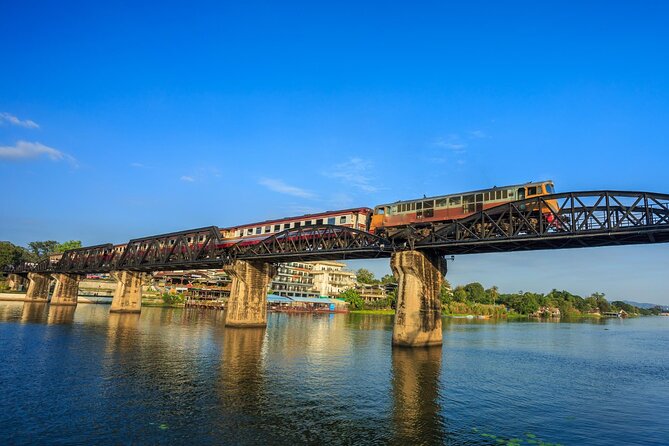
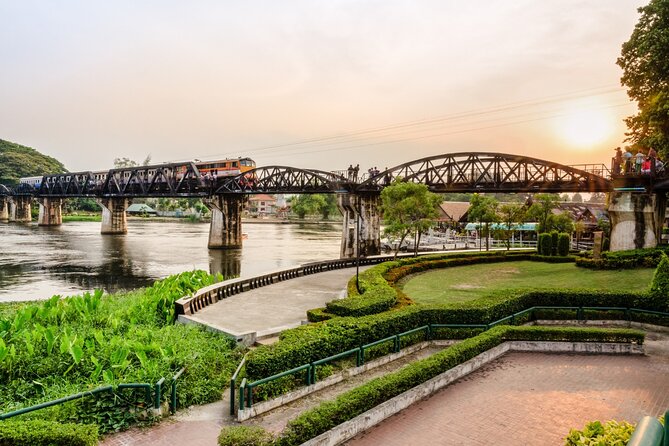
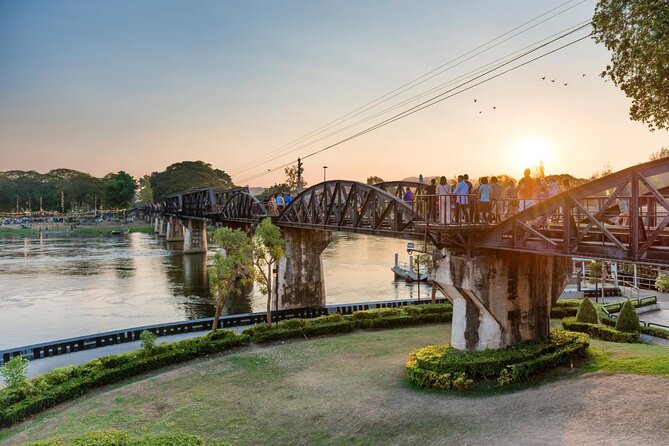
After the museum, you’ll go to the River Kwai bridge area. You’ll have time to explore and take photos, including being on the bridge itself while a train passes through (weather and timing can affect how that lines up).
Here’s the thing: seeing the bridge after you’ve visited the cemetery and museum changes how it lands. It’s still a famous postcard sight, but you’re no longer treating it as a symbol from a film. You’re seeing a real structure tied to real wartime forced labor and suffering.
I’d keep your expectations practical. The bridge photo angle depends on where you’re positioned and how crowds move at that time. Don’t burn time hunting for the perfect shot. Use the time you’re given to walk around, check the viewpoints, and enjoy the reality of standing where history played out.
Lunch where you disembark: pause and refuel
Lunch comes after the train segment, served at a restaurant near where the group finishes that phase. It’s included, and the meals described are more than an afterthought. People mention the lunch as tasty and a good break in a long day.
This is also your chance to reset before the final leg. You’ll likely be stepping into hotter conditions depending on season, and later you may walk on uneven ground around the rail and nearby cave area. So eat, drink water, and don’t treat lunch as fuel only. Think of it as your recovery stop.
The cave visit and the rail-side walk
Toward the end of the day, you’ll spend time walking in the area around the track and visiting the cave stop with a Buddha statue that’s part of the route. Some people also mention the nearby Krasae cave bridge area during this phase.
This segment adds variety. You’re not stuck in one “indoors vs bridge vs train” loop. You’re getting a little nature and a little more texture to the day—plus it gives you a chance to stretch your legs after sitting on the coach and the train.
Practical advice: wear shoes you can trust. The cave ground can be uneven. If you’re visiting in hotter months, bring a hat and plan to hydrate often. One traveler explicitly recommended going carefully in the cave area, and that’s good advice for anyone who doesn’t want a sore foot to ruin the last part of a meaningful day.
Price and value: $51 buys a full day, not just sightseeing
At $51 per person for a 10-hour day, you’re paying for more than basic transport. Your ticket includes:
- Lunch
- Entrance fees
- English-speaking guide
- Air-conditioned van transport
- Basic Death Railway train fee (THB 100)
Then there’s the seat choice. Since the basic train fare doesn’t guarantee an assigned seat, the THB 200/person upgrade is your main “maybe extra” cost. If you travel with older family members, or you want a calmer ride, that seat option is worth considering.
For me, the value comes from the combo: cemetery + WWII museum context + River Kwai bridge + actual track train ride + lunch. If you try to build this yourself, you’d spend just as much (or more) on transport time and coordination—and you’d miss the guiding that helps the story click.
The small-group setup also matters. Several people highlight how the day felt well paced and how guides like Luke, Woody, and Henry kept things organized.
Who should book this (and who should rethink it)
Book this tour if you want:
- A structured way to see the main Kanchanaburi WWII sites in one day
- The blend of serious history and a hands-on train experience
- English guidance that connects the cemetery, museum, and bridge
Consider a different plan if:
- You hate long travel days. This is roughly 3 hours each way, plus stops, and traffic can push the day longer.
- You want lots of downtime. Most people get a suitable amount of time at each stop, but it won’t feel like a slow, lingering museum day.
Should you book the Bangkok-to-River Kwai day trip?
If Death Railway history is on your list for Thailand, I’d say yes—this is one of the more efficient ways to do it from Bangkok without turning it into a scramble. The best part is the sequencing: you start at the cemetery, build context at the Thailand-Burma Railway Centre, and then the train ride and River Kwai bridge hit with more weight.
Just go in prepared for heat, uneven cave ground, and a long day of transit. If you plan your expectations around that, you’ll leave with a clear picture of what this railway meant—and what it cost.
FAQ
How long is the tour from Bangkok to River Kwai?
The tour duration is 10 hours.
Where is the meeting point if I don’t want hotel pickup?
You’ll meet at BMP Bigcountry meeting point located at River City Bangkok: 23 Charoen Krung Soi 24, Talad Noi, Sampantawong, Bangkok 10100, Thailand.
What time are pick-ups available?
Hotel pick-ups can start at 6:00 AM for Khaosan and 6:15 AM for Silom. Other Sukhumvit-area pick-ups are also offered (Sukhumvit 1-39, 2-26 at 6 AM). Traffic can also affect timing.
Is lunch included?
Yes. Lunch is included in the tour price.
Does the included train ticket guarantee an assigned seat?
No. The basic train fee included in the package (THB 100) does not guarantee a seat. If you want an assigned seat, it’s encouraged to pay THB 200/person on the train.
What language is the guide?
The live tour guide provides English and Thai.