REVIEW · FOOD
Bangkok Backstreets Food Tour with 15+ Tastings
Book on Viator →Operated by A Chef's Tour · Bookable on Viator
Chinatown food runs deeper than you think. This 4-hour Bangkok backstreets street food tour has a simple pitch: you eat your way through Yaowarat, with 15+ tastings that mix classic Thai staples with Chinese-Thai favorites you might miss on your own.
What I really like is the small-group setup (max 8 travelers), paired with two staff—a lead foodie guide plus an assistant who helps keep each stop moving. One possible drawback: it’s not a good fit for vegetarians, pescatarians, or anyone with severe allergies, since street food means cross-contact risk and limited menu swaps.
In This Review
- Quick hits you’ll care about
- Why Yaowarat Backstreets Beat a Sit-Down Meal
- Price and what $59 really buys you
- The 4-hour pacing: how it feels on the ground
- Getting started at Shanghai Mansion Bangkok (Yaowarat Road)
- Chinatown Stop 1: Yaowarat streets and that first wave of tastings
- Stop 2: Chinatown’s Chinese-Thai food connections (noodles, stir-fries, and more)
- The middle-to-late payoff: more variety, less guessing
- Two Michelin-listed street food venues: what that means in real life
- End back at the Shanghai Mansion: neon streets, easier navigation
- Food safety, allergies, and what you should know before booking
- What you’ll actually eat: the tasting mix, not just the headline
- Practical tips: shoes, rain, and how to show up hungry
- Who should book this Chinatown backstreets tour
- Should you book this Bangkok backstreets food tour?
- FAQ
- How long is the Bangkok backstreets food tour?
- How many tastings are included?
- How big is the group?
- Where does the tour start and end?
- Is alcohol included?
- Do I need to arrange pickup from my hotel?
- Is the tour suitable for vegetarians or pescatarians?
- What if I have a severe allergy?
- Can I get a refund if plans change?
Quick hits you’ll care about
- Max 8 people with a guide and assistant, so waiting time is usually low
- 15+ tastings across 8–9 stops, including 2 Michelin-listed street food venues
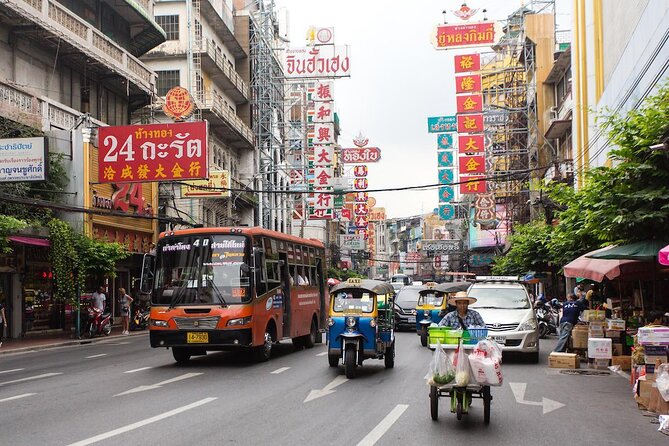
- Focus on Chinatown/Yaowarat backstreets where tuk-tuks can’t go
- Your guide explains dishes and the Chinese influence on Thai food (especially noodles and stir-fries)
- End back at the Shanghai Mansion Bangkok on Yaowarat Road
Why Yaowarat Backstreets Beat a Sit-Down Meal
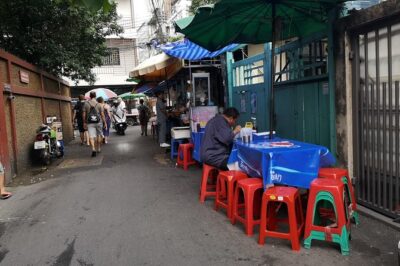
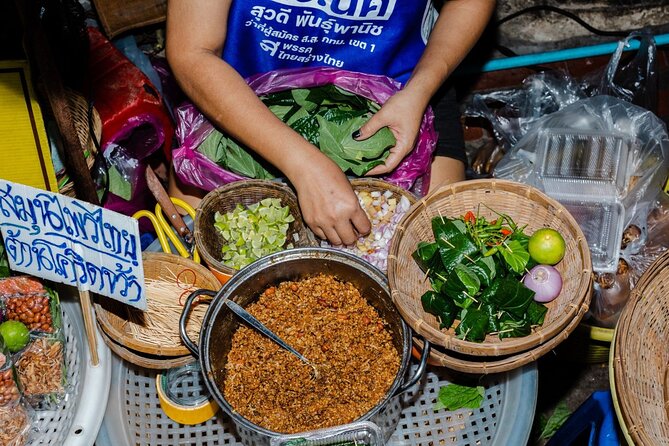
Yaowarat (Bangkok’s Chinatown) feels like a living pantry. The smells hit first, then you start noticing the patterns: where people line up, which dishes keep coming out, and how vendors set up their cooking stations like a routine they’ve perfected over years. That’s the point of this tour—street food, at street speed, with someone who knows where to stand and what to order.
I also like how the experience isn’t just about eating. A good chunk of the value is in the guidance: you learn what you’re tasting, how it’s made, and why it belongs in Thai-Chinese food culture. Guides such as Annie and Rach are repeatedly praised for explaining both the food and the context, and you can feel that difference when you’re ordering with understanding instead of guessing.
One note up front: you’ll get a mix of savory and sweet, and you should plan your appetite accordingly. This tour is built for people who want a true tasting experience—not a light snack.
You can also read our reviews of more food & drink experiences in Bangkok

Price and what $59 really buys you
At $59 per person, this tour can feel either cheap or pricey depending on what you compare it to. Here’s the fair way to judge it: you’re paying for 15+ included tastings, bottled water, a professional guide, and an assistant who helps the group keep moving through 8–9 stops.
Most food tours in big cities either (1) include fewer items or (2) run with larger groups and more time spent waiting. This one tackles both issues by keeping the group small (up to 8) and by having two people working the plan. In practice, that can mean you spend more time eating and asking questions, and less time standing around while the next table gets sorted out.
It also includes access to backstreets where bigger vehicles like tuk-tuks can’t go. That matters in Bangkok—some of the best food is tucked into narrow lanes and side alleys. If you’ve ever tried to find street-food spots solo, you know how easy it is to walk right past the good stuff.
The 4-hour pacing: how it feels on the ground
The tour runs about 4 hours, and it’s structured as a walking loop through Chinatown/Yaowarat. You’re not sprinting, but you are moving. Comfortable shoes are a must because you’re covering multiple stops and navigating dense streets.
The pacing is also supported by the tour’s staffing: one professional foodie guide plus an assistant. That two-person team approach shows up in the flow of the meal stops—plates and seats tend to be ready when the group arrives. You also get bottled water along the way, which helps keep things comfortable while you’re tasting.
Weather is a real factor in Bangkok. The tour recommends bringing rain gear/an umbrella if rain looks likely. If you’re going during a monsoon season afternoon or evening, plan for damp sidewalks and keep a small towel handy in your day bag.
Getting started at Shanghai Mansion Bangkok (Yaowarat Road)
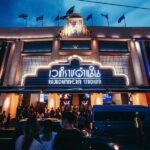
Your meeting point is the Shanghai Mansion Bangkok, right on Yaowarat Road (479, 481 Yaowarat Rd). This is a smart place to start for two reasons.
First, it puts you in the thick of Chinatown early enough to feel the change in the area as you move deeper into the side streets. Second, it’s easy to orient yourself—when the tour ends, you’ll be back in the same place for an easy finish and a clear reference point.
The Shanghai Mansion end point matters more than it sounds. The tour finishes back at the starting point, and that means you’re not trying to solve navigation after a very food-heavy experience. One of the better moments is simply regrouping at the end with your appetite satisfied and your bearings better than when you started.
Chinatown Stop 1: Yaowarat streets and that first wave of tastings
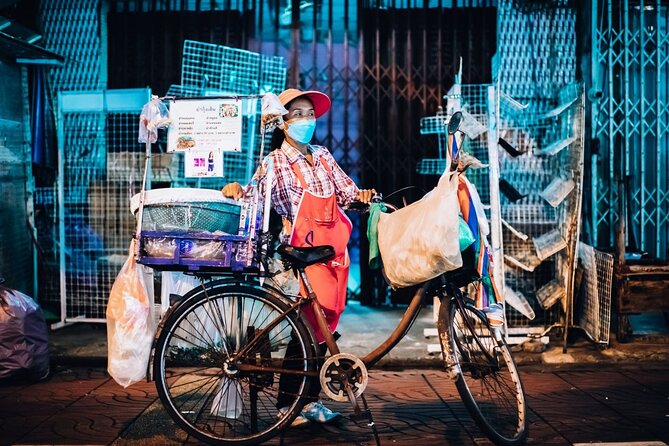
Your first stretch is in Chinatown/Yaowarat, where the tour shifts from wandering to feasting. This is when you get those early “okay, I get it” bites—often Thai curry-style flavors, noodles, and other street-food classics that set your taste expectations.
This start is especially valuable if you’re new to Bangkok. Chinatown can be overwhelming. A guide helps you focus on what to eat and how to order, and you’re not stuck trying to translate menu items while standing hungry and sweaty.
A practical advantage here: the tour route is designed so you can sample widely without spending the whole time traveling between far-apart areas. The itinerary is set up for 8–9 stops total, so you’re accumulating tastings steadily instead of cramming all the food into the end.
You can also read our reviews of more tours and experiences in Bangkok
Stop 2: Chinatown’s Chinese-Thai food connections (noodles, stir-fries, and more)
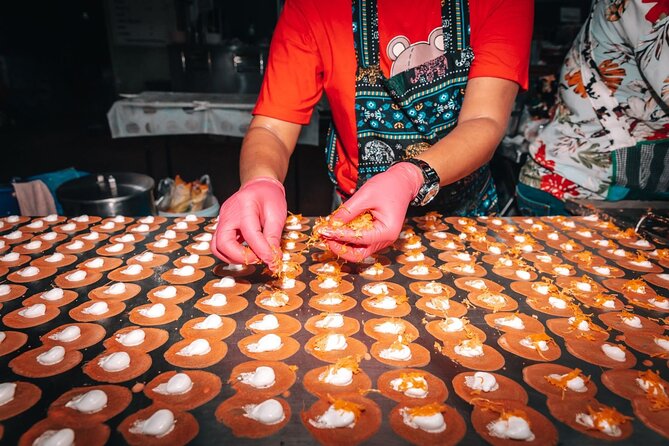
One of the strongest themes of the tour is the Chinese influence on Thai cuisine—a centuries-long connection you can taste in the noodles, stir-fries, and seasoning styles you’ll see around Yaowarat. This stop is where that theme becomes concrete.
Expect the guide to connect dishes to cultural patterns, like how certain noodle preparations show up in Thai Chinatown the way they do in parts of southern Chinese food traditions. If you like food history that stays practical—what’s in the bowl, what it means, and how it differs from other regions—this part hits the right notes.
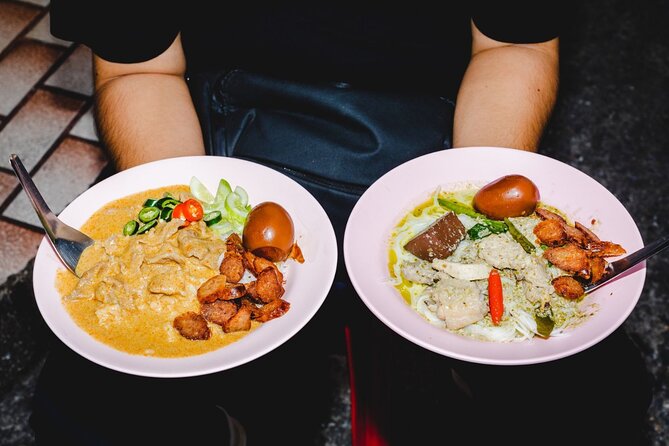
From the dish variety mentioned across the experience, you might also run into items like grilled prawn, green curry, and street staples that can range from soups to mains. The best guides keep you from treating it like a checklist. You taste, you ask, you learn why that particular dish fits this neighborhood.
The middle-to-late payoff: more variety, less guessing
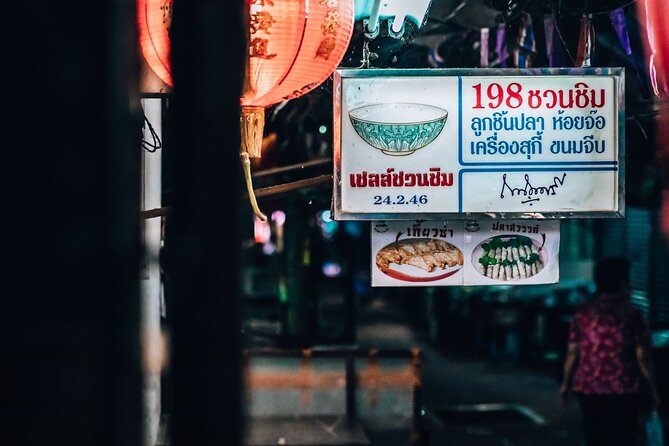
After the first couple stops, you’ll feel the tour’s logic: repeat enough food categories to build understanding, then change the textures and flavor styles so it stays interesting. The tastings aren’t only “one more bite.” You get variety across soup, savory mains, and sweets.
One example from the dish mix shared in the experience includes soy sauce ice cream—it sounds unusual until you’re tasting it and realizing that salty-sweet balance can work when done right. There are also sweets like mango sticky rice, which makes a strong ending flavor profile if you’re pacing yourself and saving a bit of stomach space.
If you’re a spice-sensitive eater, here’s the practical reality: street food does vary. You may still encounter heat, but the tour is guided, so you can ask questions and manage your comfort as you go. (And you’ll likely taste some dishes that are not designed to be fiery-hot.)
Two Michelin-listed street food venues: what that means in real life
This tour includes 2 Michelin-listed street food venues. The key word is listed. Michelin recognition doesn’t mean “quiet restaurant with white tablecloths.” In this context, it usually signals consistent quality and demand-driven popularity—often from places where people eat quickly and keep moving.
Why that matters for you: it’s a shortcut to trust. In Bangkok Chinatown, the difference between great and merely okay can be hard to spot from the sidewalk. Michelin-listed spots bring structure to your tasting list, and your guide helps you focus on what makes each place special.
It also makes the tour feel like it’s doing more than just “walking and snacking.” You’re still experiencing street life, but with quality anchors along the way.
End back at the Shanghai Mansion: neon streets, easier navigation
The tour ends back at the Shanghai Mansion Bangkok on Yaowarat Road. That finish point is practical after 15+ tastings because you’re not trying to re-navigate through dense alleyways while you’re full.
This is also a good moment for photos—Yaowarat’s lights and signage are part of the atmosphere, and you’ll have a clearer mental map of the neighborhood now. Even if you never plan to return to every lane, you’ll know which direction and landmark to use next time you’re craving a specific flavor.
Food safety, allergies, and what you should know before booking
Here’s the honest part of street food: it can be hard to control cross-contamination. This tour specifically notes it isn’t suitable for:
- Severe allergies (including shellfish and peanut)
- Halal needs and celiac disease, due to trace risks
- Vegetarians and pescatarians, because alternatives are limited
So if you’re thinking about booking and you have dietary restrictions, read that carefully. If your needs are mild or you can handle occasional traces, you might still need to discuss it—but severe cases should treat this as a no.
For everyone else, the best approach is to come with confidence and ask questions. Your guide can help you understand what’s in the dishes you’re about to try, especially when the menu includes ingredients you don’t expect.
What you’ll actually eat: the tasting mix, not just the headline
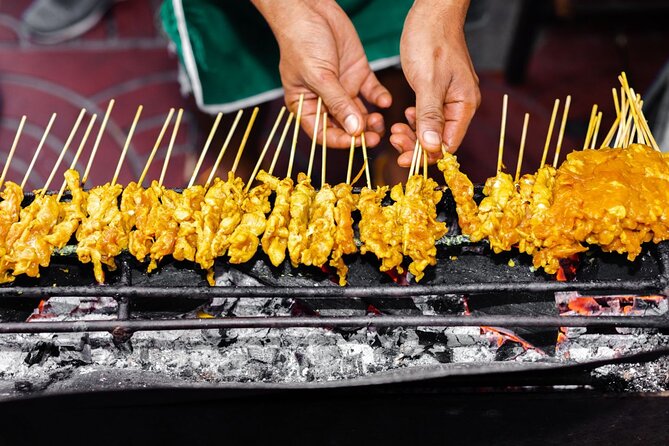
The tour promises Thai classics like Thai curry, chicken satay, and noodles, plus more across the stops. What makes the experience feel full is the pacing and variety—by the time you reach the end, you’re not just eating one style of dish repeatedly.
Based on the types of items described during the experience, you can reasonably expect a mix that may include:
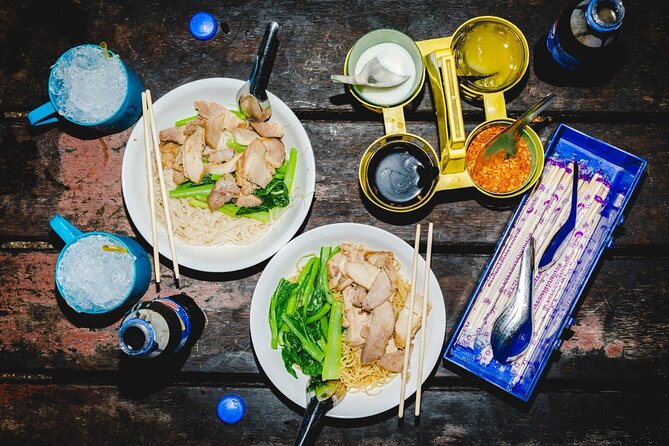
- Noodles and stir-fry style street favorites
- Curry flavors (including green curry)
- Skewered grilled bites like chicken satay
- Sweet finishes like mango sticky rice and soy sauce ice cream
I like that desserts aren’t an afterthought. When a tour includes sweets along with savory, it often signals better stop planning—vendors are chosen because the route can support a full arc of flavors.
And yes, you’ll likely end up eating more than you planned. Bring an open mind and a stretchy waistband.
Practical tips: shoes, rain, and how to show up hungry
If you do this tour, come prepared like it’s an actual meal. The tour itself advises you to come hungry, and the typical experience is packed with tastings. You’ll get more enjoyment when you’re not forcing yourself to eat while exhausted.
A few practical tips that make a real difference:
- Wear comfortable shoes for walking and uneven pavement
- Bring rain gear/umbrella if rain is possible
- Use a day bag with room for a small bottle of water if you like, though the tour includes bottled water
- Expect limited options if you’re avoiding pork, and note the tour says it may not suit no pork diets due to vendor menus
Also, keep your phone charged. You’ll want to photograph food that’s being cooked right in front of you, plus Yaowarat streets during the walk.
Who should book this Chinatown backstreets tour
This tour is a great fit if:
- You want authentic street food in Chinatown with a guide guiding your choices
- You’re traveling solo or as a couple and prefer a small group (max 8)
- You like learning while you eat—how dishes fit into Thai-Chinese culture matters here
It’s not the best fit if you:
- Need vegetarian/pescatarian options
- Have severe allergies or celiac disease concerns
- Require halal-only dining
Should you book this Bangkok backstreets food tour?
Yes—if your goal is to leave Chinatown with your stomach full and your taste map expanded. The 15+ tastings, small-group size, and two staff setup make it feel organized without turning it into a scripted factory tour. The Chinese-Thai food explanation is especially useful when you’re trying to understand why the flavors in Yaowarat feel familiar even when they’re not quite the same as other Thai regions.
I’d skip it if you’re dealing with severe allergies, or if vegetarian/pescatarian options are a must. In that case, you’ll likely spend the tour worrying instead of eating.
If you can handle street food and you love variety, this is the kind of meal-heavy experience that gives you Bangkok context fast—one bite at a time.
FAQ
How long is the Bangkok backstreets food tour?
It runs about 4 hours.
How many tastings are included?
You get 15+ food tastings included.
How big is the group?
The group is kept to a maximum of 8 travelers.
Where does the tour start and end?
It starts at Shanghai Mansion Bangkok on Yaowarat Road and ends back at the same meeting point.
Is alcohol included?
No. Alcoholic drinks are excluded.
Do I need to arrange pickup from my hotel?
Hotel pickup and drop-off are not included.
Is the tour suitable for vegetarians or pescatarians?
No, it’s not suitable due to limited alternatives at street vendors.
What if I have a severe allergy?
It isn’t suitable for shellfish, peanut, or severe allergies due to the nature of street food and cross-contamination risk.
Can I get a refund if plans change?
Yes, free cancellation is available up to 24 hours in advance for a full refund.