REVIEW · BANGKOK CITY HIGHLIGHTS & WALKING TOURS
Experience Real Bangkok by Bike
Book on Viator →Operated by Co van Kessel Tours & Experiences · Bookable on Viator
Bangkok by bike turns the city into something you can feel. You’ll pedal through Chinatown alleyways and into Thonburi, with a guide who points out what most people miss. It’s a hands-on way to see real street life, not just postcard stops.
I love that this tour keeps you mostly off traffic. You move at a leisurely pace through backstreets, then dip into the big moments like crossing the Chao Phraya River. I also like the small, practical extras: drinks, bottled water, and snack stops that keep your energy up without turning the ride into a food festival.
One consideration: the bike experience is best if you’re comfortable with city cycling and a moderate fitness level. The bikes are simple (one gear), and when groups get mixed, you may notice slower riders and some carrying/lifting of bikes along the way.
In This Review
- Key Things That Make This Bangkok Bike Tour Work
- Chinatown on Two Wheels: Why This Part Matters
- Inside the Chinatown Ride: What You’ll Actually See
- Crossing the Chao Phraya into Thonburi Without the Headache
- Thonburi Stop Highlights: Flowers, Temples, and Fruit
- The Pace, the Bikes, and the Real Safety Picture
- Your Guide on Route: More Than Facts, Less Lecture
- Snacks, Drinks, and How Food Fits the Ride
- Where It Starts (and Why Meeting Point Choice Matters)
- Price and Value: What $65 Really Buys You
- Who Should Book This Tour (and Who Might Prefer Something Else)
- Should You Book Experience Real Bangkok by Bike?
- FAQ
- How long is the Experience Real Bangkok by Bike tour?
- Where does the tour start?
- Do I need to be in good physical shape?
- Is a bicycle and helmet included?
- What’s included with the ticket?
- Is hotel pickup or drop-off included?
- Do we cross the river by ferry?
- What is the group size limit?
- Is cancellation free?
Key Things That Make This Bangkok Bike Tour Work
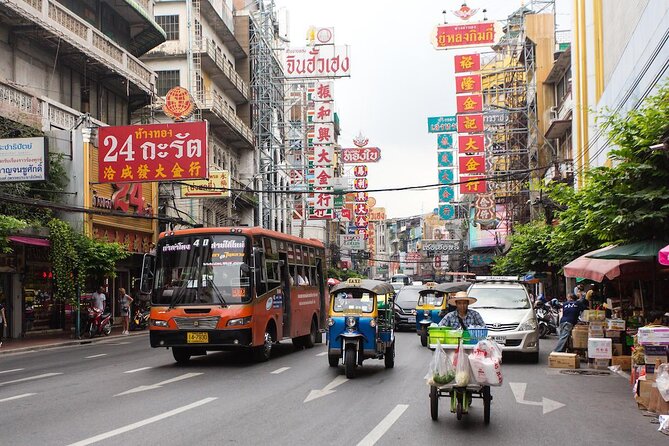
- Chinatown street-level scenes: shophouses, hidden temples, spirit house displays, and market motion
- Real local routing: mainly back-alleys away from traffic, not a bus-style loop
- River crossing to Thonburi: either bridge cycling or a local ferry option with ferry included
- Snacks and drinks included: bottled water, soft drinks, and fruit tastings along the route
- Small group limit: up to 16 riders means you get attention while staying in motion
Chinatown on Two Wheels: Why This Part Matters
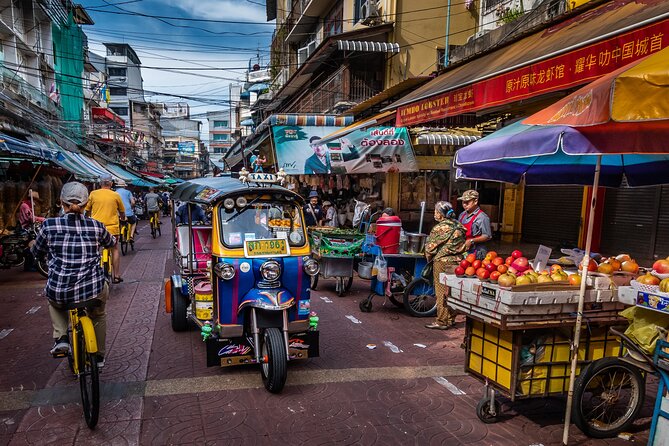
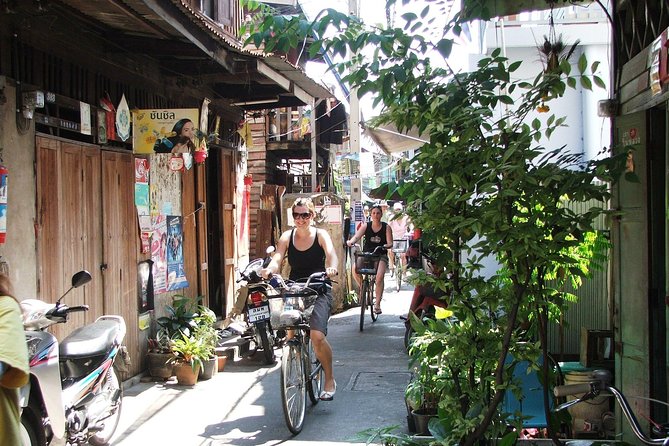
Cycling through Bangkok’s older neighborhoods changes your rhythm fast. On foot, you dodge crowds. By taxi, you watch everything blur. On a bike, you slow down enough to notice the details: the way shop owners arrange goods, how people move in alleyways, and what everyday worship looks like in small spaces.
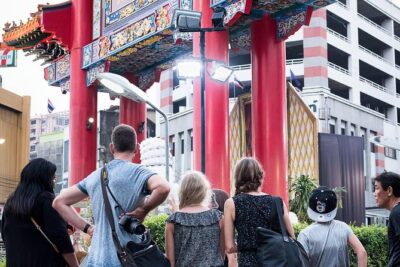
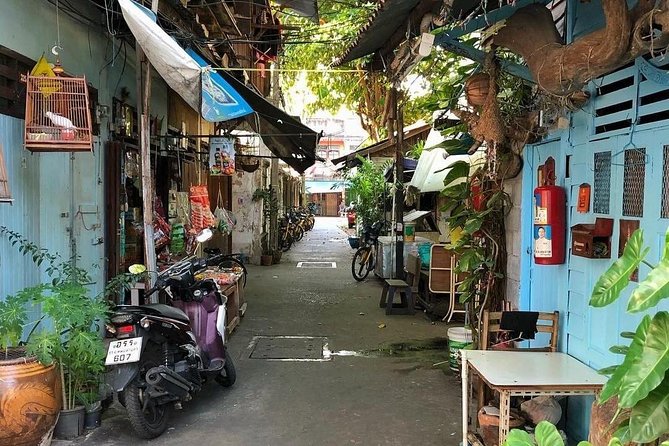
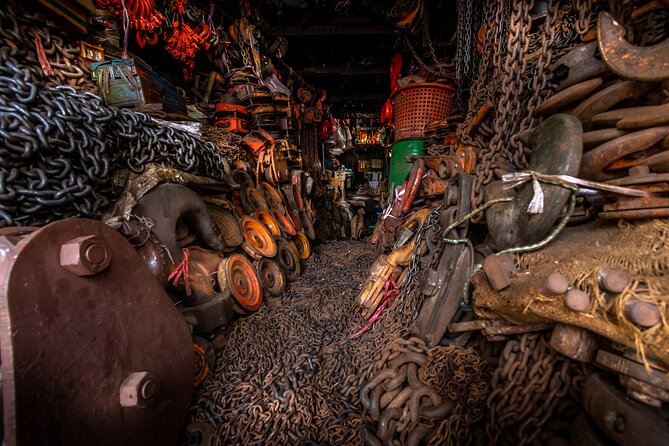
Chinatown is also where the city’s energy is hardest to fake. The ride starts in the heart of Chinatown and immediately feeds your senses with markets, narrow lanes, and that constant hum of people selling, eating, bargaining, and worshipping. You’ll pass shophouses trading in everything from Buddhist amulets to reused parts like recycled truck engines.
This tour doesn’t just point at sights. It helps you read what you’re seeing. A spirit house display near the road. Ritual paper burnings. A tiny temple tucked behind storefronts. Those are the kinds of small signals that make Bangkok feel like a living place.
You can also read our reviews of more cycling tours in Bangkok

Inside the Chinatown Ride: What You’ll Actually See
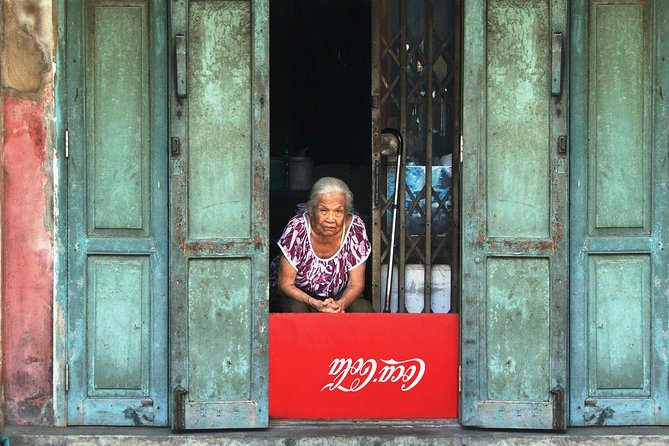
You’re in the alleyways early, so the tour feels like it starts in the real neighborhood, not the tourist edge. Expect narrow lanes, turns that come fast, and moments where the road suddenly widens for a breather. The guide keeps the group together, and you’ll usually only hit busier roads briefly.
Here are a few things to watch for as you ride:
- Shophouses and mixed storefronts: Bangkok business life often hides behind signage and gates, so keep an eye on what’s happening at street level.
- Temple corners you’d miss: small shrines and hidden worship spots show up between buildings and markets.
- Ritual details: you may see ritual paper burnings, plus spirit house displays, which are part of daily practice for many locals.
You don’t need to know Thai to get the point. Bangkok is visual, and you’ll be moving slowly enough to notice how the city layers religion, commerce, and everyday routine in the same block.
A small practical note: if you’re the type who wants clear, spaced-out photos every 10 seconds, this ride may test your patience. The best photos here come when you’re relaxed, not when you’re rushing to frame everything.
Crossing the Chao Phraya into Thonburi Without the Headache
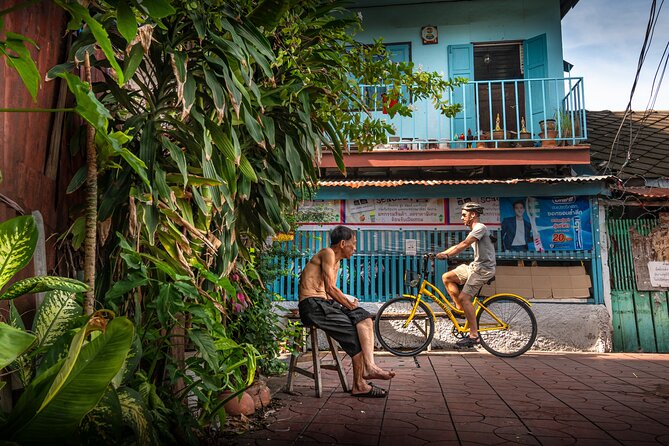
The Chao Phraya River is one of Bangkok’s great dividers. Crossing it changes the mood, and it’s also a smart way to see the city from a different side without spending your whole day in transit.
In this experience, the crossing happens as part of the route toward Thonburi. You may cycle over a bridge, or you may take a local ferry. Either way, the tour includes a ferry river crossing, so you’re not stuck with only one option.
Why this matters: Thonburi feels different from the Bangkok side in how people live along the water. It’s less about towering views and more about how communities function near the river—movement, shops, and daily rhythms.
If you get motion-sick, the ferry crossing is usually short enough that you can manage it, but bring whatever helps you personally (ginger candy, motion-sickness bands). Bangkok heat and sun matter too, so keep water close.
Thonburi Stop Highlights: Flowers, Temples, and Fruit
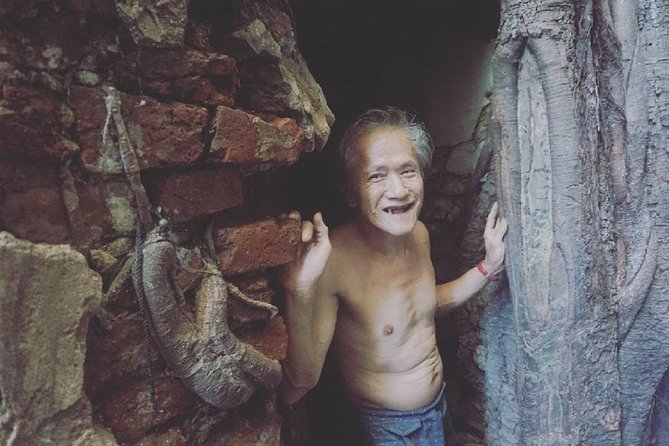
Once you reach the Thonburi side, the tour shifts from the intense market maze of Chinatown to a neighborhood pace that still feels local, but with different textures. This is where you’ll get a mix of sights tied to daily life.
Based on what I’ve seen riders describe, Thonburi often includes:
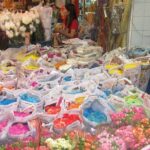
- A wholesale flower market stop (fragrant, busy, and very on-brand for this side of the river)
- A temple visit, where you can observe how people practice and how small rituals work in real time
- A hands-on cultural moment like lotus peeling at a temple, which gives you something to do while you learn
And yes, you should plan to snack. Riders commonly mention trying Thai fruit along the way, including fruit like mangosteen and custard apple, plus small bites such as sticky rice cracker-style snacks with dried watermelon.
The temple portion is more than a photo stop. It’s a chance to slow down for a moment in a city that usually keeps moving. If you’re tired from walking and want a break that still feels meaningful, this is the kind of stop that works.
The Pace, the Bikes, and the Real Safety Picture
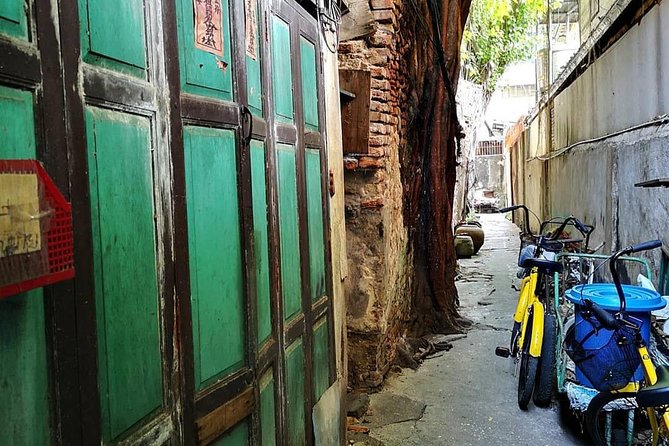
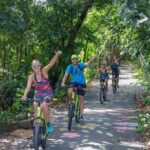
This is a leisurely bike ride that’s designed to get you off the beaten path without turning it into a race. Most of the time you’ll be on side streets and back-alleys, away from the worst traffic. Riders also report that they’re only on busy main roads for a small slice of the route, with the group organized for crossings.
The bikes are basic and practical. Reviews mention one-gear bikes and mostly flat terrain, which is good news if you don’t want hills to drain you. That said, city cycling still requires focus. You’re in a group, and you’ll ride in single file at times.
Safety has been a consistent theme in the feedback. Guides help with crossings, and in at least some cases they stop traffic to get everyone across safely. You’ll also hear clear instructions in English from guides who have strong communication skills in these rides, including names like Mike, Pekki, AA, Cookie, Kim, Amy, and others shared in reviews.
One consideration: if the group has riders who are uneasy about biking, it can affect the flow. When someone can’t keep pace or needs extra time, it can make you feel like the ride is stretching. I’d choose this tour if you’re comfortable with steady, not-stress cycling.
Your Guide on Route: More Than Facts, Less Lecture
What makes or breaks a bike tour is how the guide uses the ride time. Here, the goal feels like short, relevant context tied directly to what you’re seeing. You don’t get trapped in long lectures. You get practical explanations that help you notice things as they happen.
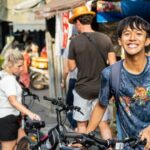
From the names shared by riders, guides include people like Mike, Alice, Mr K, Amy, Pekki, AA, Benny, Daisy, North, Bobbie, Cookie, Kim, and Jack. Across these experiences, the common thread is English communication and an easy, attentive vibe, paired with a real focus on keeping the group safe.
A good sign: riders often mention that the guides keep everyone engaged while still managing the group well. You’ll likely get those quick “look here” moments that turn a street corner into a story about local life, not just an attraction label.
If you prefer history in small bites, not chapter-by-chapter, this style fits well. If you want a strict academic timeline, you may want to pair this with a museum or guided walking tour later.
Snacks, Drinks, and How Food Fits the Ride
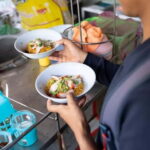
This tour includes refreshing drinks, bottled water, and snacks. You should treat the food as energy support, not a full meal replacement. The included bites are typically small: fruit samples and snack items like sticky rice cracker-style bites.
Riders mention fruit tastings such as mangosteen and custard apple, plus other snack combinations. One review also notes that the snack delivery was limited to a few fruit bites and a rice cookie. That’s still useful, but it’s not a feast.
Practical take: if you arrive hungry, eat a proper breakfast or early lunch first. Then use the included snacks to top up. This keeps you comfortable during the full three hours, especially in Bangkok’s heat.
Also note that the tour may include extra activities at a temple. For example, lotus peeling can take a few minutes and gives the food part of the experience a cultural anchor. It’s more than eating; it’s understanding.
Where It Starts (and Why Meeting Point Choice Matters)
The meeting point is at Co van Kessel (River City) – Bangkok Bicycle Tours, located at 23 Charoen Krung 24, Khwaeng Talat Noi, Khet Samphanthawong, Krung Thep Maha Nakhon 10100, Thailand. The tour ends back at the same meeting point.
Why this matters: River City is a convenient area to get to, and returning to the same spot makes the wrap-up easy. No long end-of-tour scavenger hunt for transportation.
The tour does not include hotel pickup or drop-off. If you’re staying far from the river-side area, plan your travel to the meeting point ahead of time. Think of this as an activity with a starting anchor, not a door-to-door service.
Price and Value: What $65 Really Buys You
At about $65 for around three hours, this tour is priced like a “do it once, do it right” Bangkok experience. You’re paying for more than the bicycle. You’re paying for someone to route you through places you’d likely skip on your own and to keep the ride organized.
Here’s what’s included:
- bike use and helmet option (if desired)
- local guide
- ferry river crossing
- drinks, bottled water, and snacks
What you don’t get: hotel pickup and drop-off.
So the value depends on you. If you enjoy active travel, love street-level neighborhoods, and want to see Chinatown and Thonburi in a short window, the pricing can feel very fair. If you mainly want major monuments and museums, you might feel the price is higher than your interests.
But for a small-group cycling experience that takes you into narrow alleyways and across the river, it’s a strong deal. The biggest “cost” is your comfort level on a bike in city traffic patterns.
Who Should Book This Tour (and Who Might Prefer Something Else)
This fits best if you’re:
- an active traveler with moderate fitness
- curious about neighborhoods and daily life
- okay with cycling in an urban setting where attention matters
- interested in Chinatown and Thonburi more than big-ticket landmarks only
It’s also a good choice if you’re trying to recover from jet lag while still doing something active. Several riders mention doing this early in their trip to get their bearings. A bike tour can help you understand the city’s shape fast.
You might skip it if:
- you’re not comfortable biking in a city environment
- you expect an easy, no-skill ride with no group dynamics
- you need hotel pickup to avoid planning anxiety
One more tip: pack light. You’ll be carrying yourself and moving through crowded areas. The ride works best when you’re not fussing with bags.
Should You Book Experience Real Bangkok by Bike?
If you want Bangkok in motion, with Chinatown alleyways and a real hop into Thonburi, I’d book this. The combination of off-traffic backstreets, guided attention, included drinks, and a river crossing makes it feel like a complete short adventure rather than a quick bike rental.
If you’re on the fence, do this simple check: are you willing to cycle for about three hours at a relaxed pace, pay attention during crossings, and eat snacks rather than expect a full meal? If the answer is yes, this tour is a smart use of time in Bangkok.
If you’d rather stick to indoor sights or prefer a slower walking pace, you may enjoy a different style of tour more. But for bike lovers and street-life seekers, this one has the right mix.
FAQ
How long is the Experience Real Bangkok by Bike tour?
It lasts about 3 hours.
Where does the tour start?
The start meeting point is Co van Kessel (River City) – Bangkok Bicycle Tours at 23 Charoen Krung 24, Khwaeng Talat Noi, Khet Samphanthawong, Krung Thep Maha Nakhon 10100, Thailand.
Do I need to be in good physical shape?
You should have a moderate physical fitness level.
Is a bicycle and helmet included?
Yes, the tour includes use of a bicycle, and a helmet is provided if desired.
What’s included with the ticket?
Included are the bicycle, helmet (if desired), ferry river crossing, local guide, refreshing drinks, bottled water, and snacks.
Is hotel pickup or drop-off included?
No, hotel pickup and drop-off are not included.
Do we cross the river by ferry?
A ferry river crossing is included. The crossing can happen either by cycling over the bridge or by taking a local ferry.
What is the group size limit?
The tour has a maximum of 16 travelers.
Is cancellation free?
Yes. You can cancel for a full refund if you cancel up to 24 hours in advance of the experience start time. If you cancel less than 24 hours before, the amount paid is not refunded.