REVIEW · COOKING CLASSES
Fun Thai Cooking Class near Bangkok
Book on Viator →Operated by Pang · Bookable on Viator
A quiet morning outside Bangkok turns into a full day of real cooking skills. You get a calm family home in a teak house garden, plus a break on the water, and then you cook with family-style guidance from Pang. I especially like the ingredient-first teaching and the way the class stays relaxed even if you cook rarely. The only catch: you start early, and you’re expected to eat breakfast before pickup.
This is a good option if you want Thai food that feels local, not staged. The day blends home touring and an herb garden feel with a neighborhood boat trip, so the cooking doesn’t feel random. One consideration: it’s a full day away from the city, so if you’re trying to pack in heavy sightseeing, plan your Bangkok schedule accordingly.
In This Review
- Key highlights you’ll feel quickly
- A teak house day outside Bangkok: what the rhythm is like
- Hotel pickup at 8:00 and your first boat ride by 8:45
- Arrival at The Thai House: garden touring before the knife work
- The 10:00 cooking class: ingredient intro, then morning cooking
- Morning class and lunch setup
- Afternoon cooking and tasting: learning by doing, not just watching
- Lunch you actually learn from: what’s included and why it matters
- What you leave with: apron, printed recipe, and repeatable habits
- Dietary needs: tailored dish choices if you have restrictions
- Price and logistics: is $218.10 worth it?
- Who this fits best (and who should skip)
- A quick practical checklist before you go
- Should you book this Thai cooking class near Bangkok?
- FAQ
- What time does the experience start?
- Is hotel pickup included?
- How long is the tour?
- What’s included in the price?
- Is breakfast included?
- Is the group small?
- Does the experience accommodate food restrictions or allergies?
- Are alcoholic beverages included?
- What’s the boat trip like?
- What is the cancellation policy?
Key highlights you’ll feel quickly
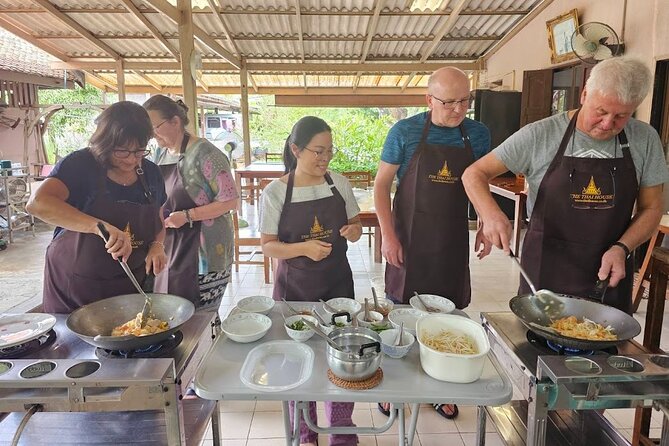
- Pang’s hands-on teaching style keeps the class comfortable and doable for beginners
- Herb garden and home tour vibe before you cook, so ingredients make sense
- Long-tail boat ride (about 1 hour) gives you a real neighborhood perspective
- Small group up to 8 travelers means you get more attention while cooking
- Lunch includes what you make, not just a generic meal
- Apron, printed recipe, and northern Thai coffee/tea mean you leave with take-home value
A teak house day outside Bangkok: what the rhythm is like
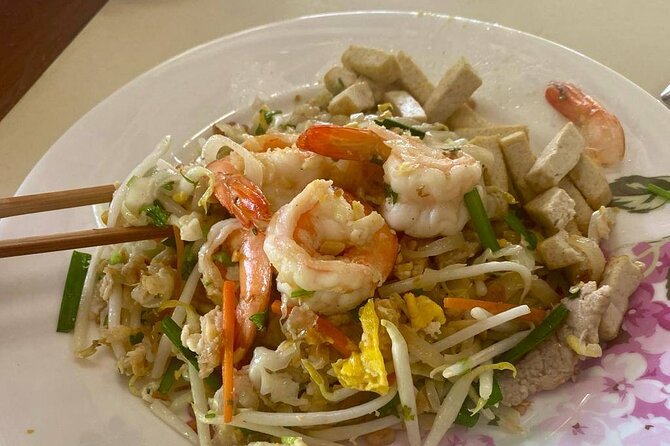
This is the kind of Thai cooking class that starts by slowing you down. You leave the bustle early, get picked up from your hotel, and head out to a traditional family Teak house set in a lush garden. It feels like someone’s home, not a classroom in a shopping-mall box.
The schedule has a clear flow: you arrive, you get a boat trip around the neighborhood, and then you move into cooking. That matters because Thai cooking is sensory. You taste and smell herbs, understand ingredients, then you cook while it’s still fresh in your mind.
The class is also designed to keep you supported. The teaching approach is not just watching a demonstration. It’s ingredient introduction first, then cooking, then tasting. Even if you’ve never chopped garlic with confidence, you’re not left to guess.
You can also read our reviews of more cooking classes in Bangkok

Hotel pickup at 8:00 and your first boat ride by 8:45
Pickup starts in the morning by car, with the day beginning around 8:30 am. The overview lists pickup at 8:00 and arrival shortly after, so I recommend you treat the morning as a strict start. If you like a buffer, set your alarm early and get ready the night before.
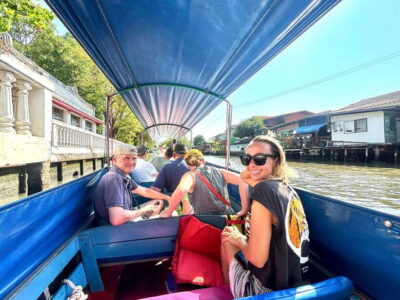
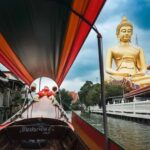
Once you arrive at The Thai House, you take a boat trip in the neighborhood. The route is described as an around-the-neighborhood ride, and the experience includes a long-tail boat style of riding. This is a smart break in the program. You’re moving from land to waterways, and that gives you context for how local life and food sourcing connect.
What to watch for on the boat portion: this is not an all-day cruise. It’s about 1 hour, so it stays energetic and keeps you from feeling stuck waiting. Bring your patience for the fact that the boat ride is part of the experience, not a quick photo stop. The payoff is that it sets the tone: home cooking starts with understanding the environment.
Arrival at The Thai House: garden touring before the knife work
Before the cooking gets serious, you get time at the home base. The focus here is traditional Thai living and food roots. You’ll do a home tour feel and spend time with the herb garden side of things, which helps a lot when you later try to recreate flavors back home.
I like this order. If you start with a dish and then hunt for ingredients afterward, it’s harder to remember what matters. Here, you see ingredients in a more natural setting first. That means when Pang shares methods and tips, you can match the lesson to something you just observed.
The garden and home portion also does something practical: it makes the kitchen time feel personal. You’re not just paying for recipes. You’re being welcomed into a family-style cooking day.
The 10:00 cooking class: ingredient intro, then morning cooking
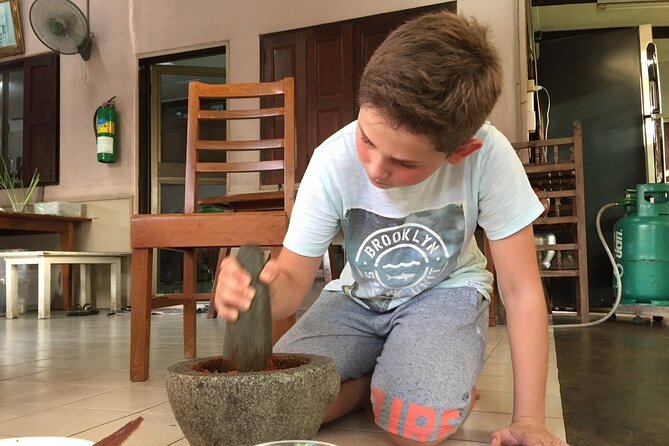
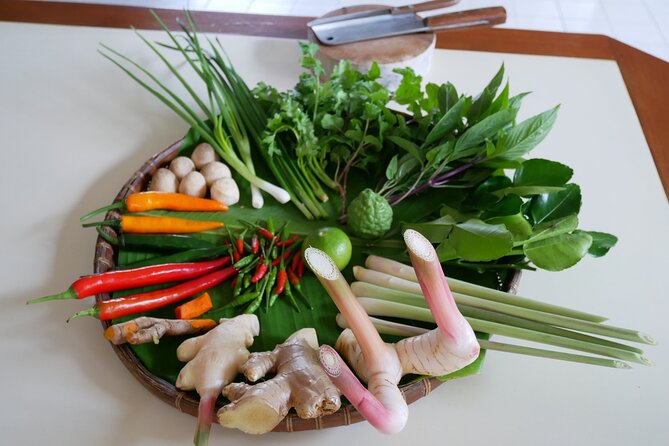
The cooking class begins around 10:00 am with an ingredient introduction. This is where you learn the building blocks. Thai recipes often hinge on balance—sweet, salty, sour, spicy—and that balance depends on the right ingredients and prep.
You’re not just learning names. You’re learning how ingredients work in real cooking: which ones need time, what to crush or mix, and what makes one flavor jump out instead of blending in.
Pang is the main instructor in this experience, and the program notes that Pang or Pla will share cooking tips. In practice, what matters to you is that the teaching is guided and practical—less intimidation, more step-by-step support. The class is also set up to welcome all cooking levels, so you won’t feel punished for being new.
Morning class and lunch setup
After the ingredient intro, you cook during the morning segment. The structure is designed so you build dishes over the session, then you move into lunch built around what you prepared.
That’s a key value point: you taste your work while your ingredients and cooking steps are still top of mind. It’s the fastest way to learn. If something tastes off, you can connect it back to your prep.
You can also read our reviews of more tours and experiences in Bangkok
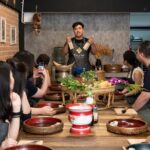
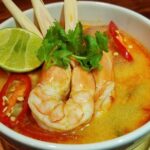
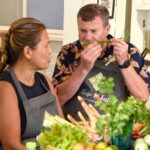
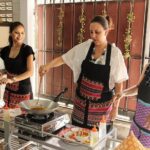

Afternoon cooking and tasting: learning by doing, not just watching
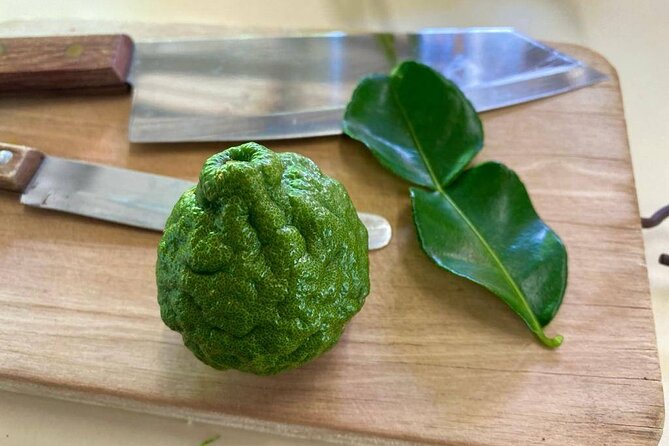
After lunch, the day continues with an afternoon class and tasting. This is where you typically get more confidence. The first dishes teach technique and pacing; the second part helps you refine how you season and handle flavors.
Thai cooking rewards attention. If you rush chopping or skip the reason behind a step, the dish won’t taste right later. This format fights that problem by keeping you actively cooking rather than passively observing. You’re also tasting during the process, which helps you correct and learn.
The tasting portion is where the day becomes fun in a very practical way. You get a clearer idea of what each dish should feel like—aroma, texture, heat level, and acidity. Then you can mentally map those sensations to what you did with your hands.
Lunch you actually learn from: what’s included and why it matters
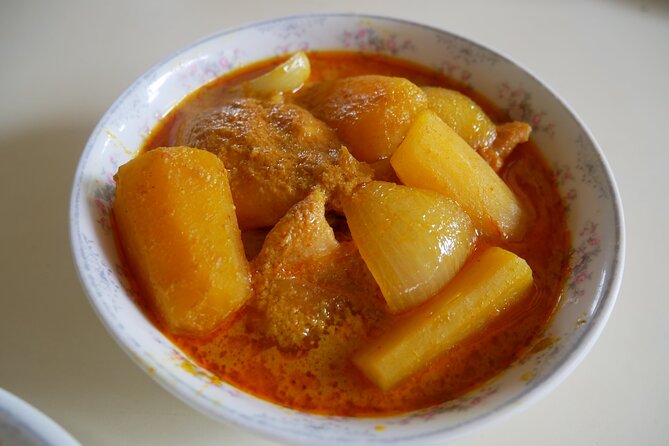
Lunch is included, and it’s tied to what you learn. That’s a big deal for value. A lot of cooking classes in big cities bundle a generic meal that has nothing to do with the lesson. Here, lunch is part of the cooking loop.
The day also includes coffee and/or tea, described as selected coffee from northern Thailand. I like that this isn’t an afterthought. Coffee or tea gives you a break that still feels connected to Thai daily life.
And bottled water is included. It sounds minor, but it’s one less decision during a full-day schedule.
What you leave with: apron, printed recipe, and repeatable habits
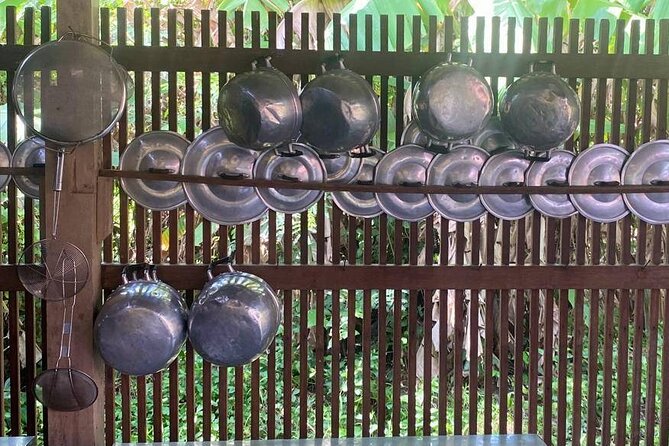
You’ll take home an apron and a printed recipe. That might sound like standard class gear, but the useful part is the combination: you get written recipes plus the family-style method you practiced in the kitchen.
Recipes matter, but technique matters more. The printed pages help you reproduce the dish later, while your memory of the step-by-step process helps you adjust to what you find at home. The real goal isn’t copying exactly. It’s knowing what to look for—like the aroma you want before serving or the balance you’re aiming at.
If you’re the type who cooks after a vacation, you’ll get mileage from this. The best souvenirs are repeatable.
Dietary needs: tailored dish choices if you have restrictions
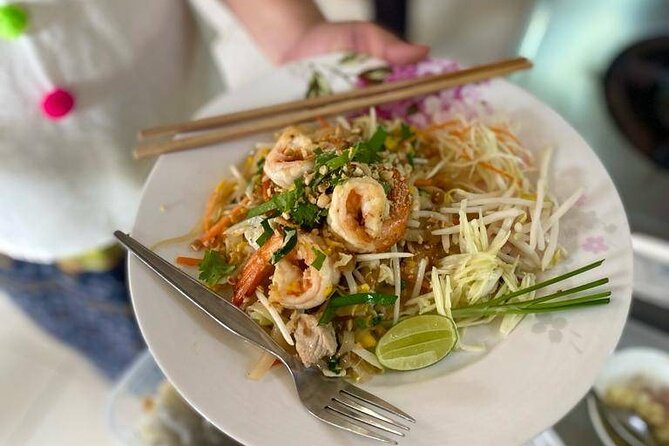
The experience states they can offer tailored dish choices for those with specific food restrictions or allergies. That’s helpful because Thai cooking often uses common ingredients that can be tricky for certain dietary needs.
When you book, make sure you clearly communicate your restriction. The more precise you are, the easier it is for them to adjust dishes. If you’re unsure how to phrase it, think in terms of the ingredient you must avoid and whether you need full avoidance or just reduced amounts.
Price and logistics: is $218.10 worth it?
$218.10 per person is not a budget activity, but it also isn’t just a cooking session. You’re paying for the full day format: private transportation, a 1-hour boat trip, travel insurance, lunch, plus the apron and printed recipes.
For value, I look at three things:
- What you get besides cooking (boat trip, home and garden time)
- How much support you receive (small group up to 8)
- What’s included so you’re not nickel-and-dimed (lunch, drinks, bottled water)
If your ideal Bangkok day includes more than a classroom lesson—if you want the home setting, the garden intro, and the neighborhood water ride—then the price starts to make sense. You’re basically buying a whole slice of local life, with cooking as the main event.
If you only want one or two dishes and you’re hoping to spend less, you might compare with cheaper, more urban cooking classes. But if you want structure, small group time, and a full-day experience that feels personal, this holds up.
Who this fits best (and who should skip)
This is a great fit if:
- you want a hands-on cooking day and not just a demo
- you like home-style travel moments—gardens, canals, everyday Thai life
- you’re traveling as a couple and value a small-group setting
- you want skills you can repeat at home, not just a photo album
It may be less ideal if:
- you want to keep every hour in the city center
- you dislike early starts, since breakfast is not included
- you prefer quick, drop-in activities rather than a structured full-day schedule
Also, if you rarely cook, that’s exactly where this shines. The class is described as supportive for different cooking levels, and the format is built for you to keep up.
A quick practical checklist before you go
- Plan to eat breakfast before pickup since breakfast is not included.
- Wear comfortable clothing for cooking and moving around a garden home setting.
- Bring your questions early. The ingredient intro is the best time to ask what substitutions work.
- If alcohol is part of your plan, note that beer is available for sale for those above 18, but it’s not included.
Should you book this Thai cooking class near Bangkok?
I’d book it if you want a Thai cooking experience that feels grounded in real daily life. The combination of Pang’s teaching, a small group, the herb garden and home tour feeling, and the long-tail boat ride makes this more than a meal lesson. You’re not only learning recipes; you’re learning how the ingredients and environment connect.
I would think twice if you’re trying to cram Bangkok highlights into every minute or if early mornings drain you fast. Also, if you expect a lazy, unguided tasting tour, this is hands-on cooking first.
If your goal is to come home with both confidence and a printed recipe you’ll actually use, this is a strong choice.
FAQ
What time does the experience start?
The experience starts at 8:30 am.
Is hotel pickup included?
Yes. Private transportation includes pickup from your hotel in Bangkok.
How long is the tour?
It runs for approximately 1 day.
What’s included in the price?
It includes private transportation, a 1-hour boat trip, travel insurance, lunch, an apron, a printed recipe, coffee and/or tea, and bottled water.
Is breakfast included?
No. Please eat breakfast before leaving your hotel for the cooking class.
Is the group small?
Yes. The class has a maximum of 8 travelers.
Does the experience accommodate food restrictions or allergies?
Yes. The provider offers tailored dish choices for specific food restrictions or allergies.
Are alcoholic beverages included?
No. Alcoholic beverages are not included, but beer is available for sale for those above 18.
What’s the boat trip like?
You’ll take a boat trip around the neighborhood for about 1 hour, including a long-tail boat ride style.
What is the cancellation policy?
Free cancellation is available up to 24 hours in advance for a full refund. If you cancel less than 24 hours before the start time, the paid amount is not refunded.