REVIEW · COOKING CLASSES
Bangkok: Mango Cooking School Thai Cooking Class
Book on GetYourGuide →Operated by Mango Cooking School · Bookable on GetYourGuide
Thai cooking in Bangkok gets real fast. Mango Cooking School mixes a market walk with a spotless, air-conditioned kitchen, so you go from ingredients to dinner without the chaos. I especially like the fact that you cook multiple dishes yourself, then eat what you make right away. The one thing to consider is that the class is structured, so you cannot just watch if you did not register.
I also like the way they handle learning for different ages and comfort levels, including kid-friendly tools and guidance that keeps the steps clear. The drawback for some adults: if you’re expecting a hands-off experience, this isn’t it. Parents also aren’t allowed to assist or observe during the program, which changes the vibe if you’re traveling with very young kids.
In This Review
- Key things that make this class worth your time
- Finding Mango Cooking School near BTS On Nut (without getting lost)
- What the market walk teaches you before the first pan heats up
- The 3-hour rhythm: how the class moves from coconut cream to dessert
- Menu you’ll actually cook: Som Tum, Pad Thai, Tom Yum, and more
- Coconut Milk and Mango Sticky Rice
- Appetizer: Som Tum
- Main dishes: Pad Thai, Tom Yum Goong, and Morning Glory
- Dessert and Thai milk tea moments (and why they’re not filler)
- Inside the studio: air-conditioned comfort, clean tools, and kid-friendly cooking stations
- Price and value: why $27 feels fair for what you get
- Who should book this cooking class (and who should skip it)
- Small practical tips so your experience goes smoothly
- Should you book Mango Cooking School?
- FAQ
- How long is the Bangkok Mango Cooking School Thai Cooking Class?
- What dishes will I cook and eat during the class?
- Is the market tour included, and does it run in the morning and afternoon?
- Where do I meet for the class?
- Is the instructor English-speaking?
- What are the rules for children?
Key things that make this class worth your time
- A local market tour is built in, and it runs with both morning and afternoon classes
- Clean, air-conditioned facilities (with air purifiers) help a lot in Bangkok heat
- You cook and eat classic dishes plus Thai desserts, not just watch demos
- The menu includes staples like Som Tum, Pad Thai, and Tom Yum Goong
- You get QR video recipes so you can repeat the dishes at home
- Families do well here thanks to kid-friendly cooking tools
Finding Mango Cooking School near BTS On Nut (without getting lost)
You’ll start with an easy walk from BTS Skytrain On Nut. Plan on a 5–10 minute walk, and meet at the spot across from BIG-C (On Nut) Market.
What I like about this setup is that you’re not stuck hunting for a hidden alley or arranging special transport. BTS puts you within reach of central Bangkok, and the location makes the class feel like a normal part of your day rather than a whole expedition.
You can also read our reviews of more cooking classes in Bangkok

What the market walk teaches you before the first pan heats up
Most Thai cooking classes jump straight to a recipe. This one starts with the ingredients, and that changes everything.
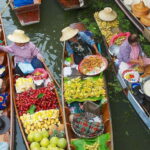
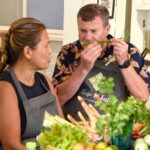
During the local market tour, your instructor introduces fresh herbs, seasonings, spices, and everyday items you’ll use in the dishes. This is where you learn the flavor logic behind Thai food, not just the steps: how aromatics drive taste, how balancing flavors matters, and how key ingredients show up in multiple dishes.
If you care about authenticity, this part is practical. You’re walking past the real building blocks of Thai cooking, then later you use them at your station instead of relying on a vague grocery list.
The 3-hour rhythm: how the class moves from coconut cream to dessert
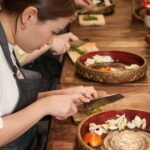
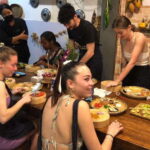
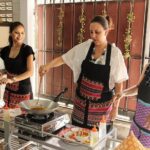
The class runs about 3 hours, and the flow is designed to keep you cooking, not waiting. You’ll cook around six dishes, guided step by step by an English-speaking chef.
A big part of the early rhythm is learning coconut. The menu includes Coconut Milk, specifically making coconut cream and coconut milk for mango sticky rice. That’s not just a dessert detail—it helps you understand how coconut balances sweetness and rounds out spice.
Then you move through savory dishes and finish with mango dessert. One nice touch is that the pace is structured so people eat what they cook rather than stacking everything at the end.
Menu you’ll actually cook: Som Tum, Pad Thai, Tom Yum, and more
Here’s the core of what’s listed for the class. Keep in mind the school notes the menu can change based on availability, but this is what you should expect.
Coconut Milk and Mango Sticky Rice
You’ll work with coconut to make coconut cream and coconut milk, then use that for Mango Sticky Rice. It’s a great lesson because it shows how Thai desserts depend on technique, not just sweetness.
You can also read our reviews of more tours and experiences in Bangkok

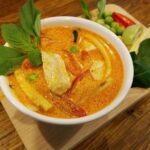
Appetizer: Som Tum
You’ll make Som Tum, the fresh and tangy green papaya salad. This dish teaches Thai flavor balance fast: sour, salty, and a touch of heat all need to land cleanly.
Main dishes: Pad Thai, Tom Yum Goong, and Morning Glory
You’ll cook multiple mains, including:
- Pad Thai: sweet and savory stir-fried noodles
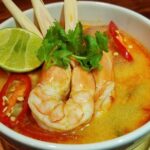
- Tom Yum Goong: tangy and spicy shrimp soup
- Stir-fried Morning Glory: crispy morning glory with garlic and chili
If you’ve never made Thai food before, this lineup is smart. It covers different textures and flavor styles—noodles, soup, and leafy greens—so you learn more than one trick.
Some classes skew toward one dish. Here you get variety, and that makes it easier to take something home that matches your tastes and your cooking style.
Dessert and Thai milk tea moments (and why they’re not filler)
The dessert component is a real part of the experience, not an afterthought. In addition to Mango Sticky Rice, you’ll also taste a traditional Thai dessert selected by the Mango Chef.
Thai milk tea is also part of the overall experience. The value here is simple: dessert and tea help you understand Thai sweetness and spice pairing in a way that’s harder to learn from a written recipe.
Inside the studio: air-conditioned comfort, clean tools, and kid-friendly cooking stations
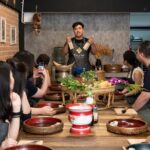
Bangkok heat can turn cooking into a chore. Mango Cooking School helps by keeping the space clean and air-conditioned on every floor, plus they use air purifiers.
In practical terms, that matters because you can focus on chopping, stirring, and tasting instead of sweating through concentration. The kitchen setup is also organized enough that you can follow along without feeling lost.
For families, the class includes kid-friendly cooking tools. And in the way the class is structured, children who participate aren’t stuck doing something symbolic—they’re set up for real hands-on cooking.
Price and value: why $27 feels fair for what you get
At about $27 per person for a ~3-hour class, the price isn’t just about a single meal. You’re paying for several things at once:
- a market walk with an English instructor
- cooking instruction from an expert chef
- ingredients and equipment
- a five-course meal
- QR recipes (video)
- a special gift
That bundle is where the value comes from. Many food experiences in Bangkok are either a tour or a meal. This gives you both, plus the learning you can reuse at home.
One more practical bonus: the location near BTS makes travel time cheaper and simpler. You’re not dependent on hotel pickup and drop-off, which can easily add cost elsewhere.
Who should book this cooking class (and who should skip it)
This class fits best if you want hands-on Thai cooking with a clear structure. It’s especially good for first-timers because you learn key dishes like Pad Thai and Tom Yum Goong without needing advanced equipment.
It’s also a strong option for families. The class design includes kid-friendly tools, and the schedule supports children with the right supervision rules.
If you’re traveling with very young kids, pay attention to the age limits. Children under 5 are not suitable, and children aged 5–11 must be accompanied by a guardian who also needs to reserve. Also, parents are not allowed to observe or assist during the program, and children cannot attend alone.
If what you want is to hang back and watch adults cook, this isn’t the class for that.
Small practical tips so your experience goes smoothly
Bring comfortable shoes. You’ll be walking to the market area and moving between the meeting point and the school.
Bring a camera if you want photos of ingredients and your dishes. The class is set up so you can actually eat what you cook, so it helps to capture both the process and the results.
Finally, be ready to adjust your expectations from restaurant style. Thai cooking is about balancing flavors in real time. If you like to taste as you go, you’ll enjoy this format.
Should you book Mango Cooking School?
If you want a Bangkok activity that teaches you food you can reproduce, I’d book this. The combination of a market walk, a clean air-conditioned kitchen, and hands-on cooking across classic dishes is exactly the kind of value that makes a short trip feel longer.
Book it if you’re:
- a first-time Thai-food cook
- traveling with a family (and your kids meet the age rules)
- interested in bringing Thai flavors home with QR video recipes
Skip it if you:
- only want to observe rather than participate
- need hotel pickup and drop-off
- are traveling with a child under 5
FAQ
How long is the Bangkok Mango Cooking School Thai Cooking Class?
The class lasts about 3 hours.
What dishes will I cook and eat during the class?
The listed menu includes Coconut Milk for mango sticky rice, Som Tum (green papaya salad), Pad Thai, Tom Yum Goong (shrimp soup), stir-fried morning glory, and Mango Sticky Rice, plus you’ll taste another traditional Thai dessert selected by the Mango Chef. The menu can change depending on availability.
Is the market tour included, and does it run in the morning and afternoon?
Yes. A Thai local market tour is available for both morning and afternoon classes.
Where do I meet for the class?
Meet by taking a 5–10 minute walk from BTS Skytrain On Nut Station, across from BIG-C (On Nut) Market.
Is the instructor English-speaking?
Yes. The instructor is listed as English.
What are the rules for children?
Children under 5 are not suitable. Children aged 5–11 must be accompanied by one guardian who also must make a reservation. Children cannot attend alone, and parents are not allowed to observe or assist during the program.