REVIEW · WORKSHOPS
Thai Dance Class
Book on GetYourGuide →Operated by ThaiGlam Studio · Bookable on GetYourGuide
Thai dance looks effortless, but it’s built from detail. This 2-hour class mixes traditional outfit fitting with a quick lesson on the history of Thai dance, then you practice in a small-group setting. You’ll also get a warm-up and learn several poses across three different songs, with time for photos in some parts.
What I like most is how practical the teaching feels. You start with how to wear the traditional Thai dance dress and full accessories, then you move on to the dance itself. Second, the class doesn’t treat dancing like random steps; you get the background first, and your teacher explains what different movements mean.
One thing to consider: this isn’t a casual sit-and-watch activity. It’s not suitable for wheelchair users, and kids under 10 can’t join, so it’s best if you’re comfortable standing, moving, and following instructions for the full session.
In This Review
- Key takeaways before you go
- Wat Arun Pier Pick-Up to Thai Glam Studio: How the class is set up
- Getting into the costume: Traditional Thai dress and accessories
- The history briefing that makes the dance click
- Warm-up and dancing through 3 different songs and pose sets
- Price and value: Is $70 worth it?
- Who should book this Thai dance class (and who should skip)
- Photo-friendly moments and how to get good shots without ruining the lesson
- Should you book ThaiGlam Studio’s Thai Dance Class?
- FAQ
- Where does the class take place?
- Do I get picked up, and where is the pick-up point?
- How long is the Thai Dance Class?
- What does it cost?
- How many people are in the group?
- Are drinks and dessert included?
- Is traditional dress provided?
- What languages are supported?
- Can I take photos or video?
- Is the class suitable for children or anyone with mobility limits?
Key takeaways before you go
- Pick-up from Wat Arun Pier makes the start easier than hunting for the studio alone.
- Traditional dress with full accessories is included, so you don’t need to guess what to wear.
- History first helps the steps make more sense once you’re in motion.
- Three songs, three pose sets give you enough variety to feel real progress.
- Small groups (max 7) mean more personal corrections when you need them.
- Photos in some parts lets you capture the outfits and a few practice moments.
Wat Arun Pier Pick-Up to Thai Glam Studio: How the class is set up
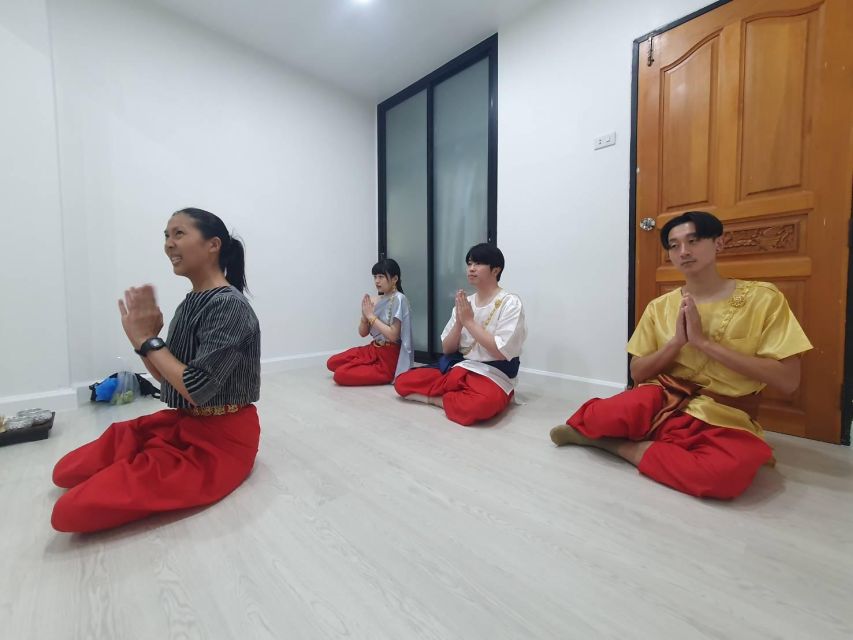
This experience runs out of Thai Glam Studio, and the day is designed to reduce friction. The plan includes pick-up service at Wat Arun Pier, so you can arrive, meet the team, and get to the studio without turning your schedule into a puzzle.
The class duration is 2 hours, which is a sweet spot. You get enough time to learn the costume basics, warm up, and then practice multiple dance sections without feeling like you’re trapped in a long workshop.
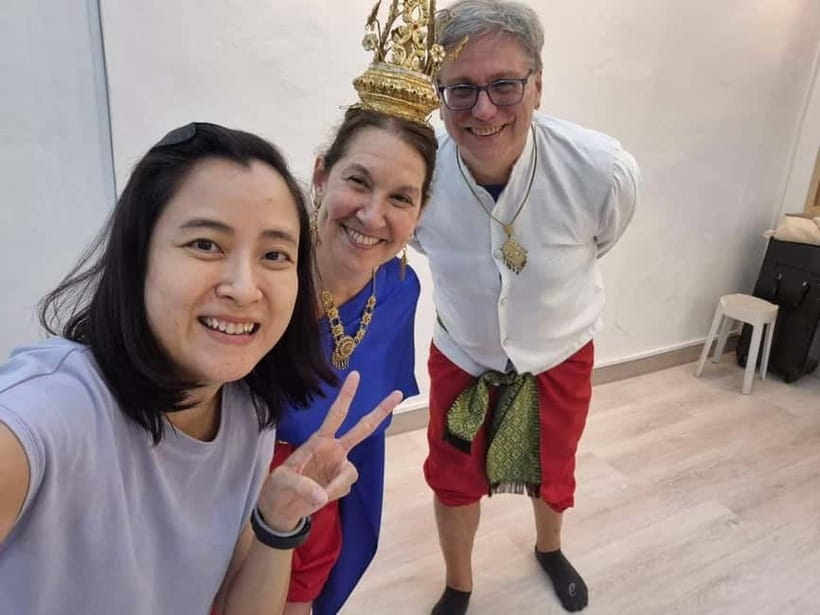
It’s also a small group limited to 7 participants. That matters more than it sounds. Thai dance relies on posture and arm/body placement, and a smaller room means you’re more likely to receive gentle corrections when your angles aren’t quite landing where the teacher wants them.
Before the lesson starts, you’ll have a welcome drink and Thai dessert. It’s a nice, low-pressure start. You can settle in, look around, and get ready to move without arriving hungry and rushed.
Practical tip: if you’re planning to take photos, come in with a clear idea of what you want to capture. The class allows photos and short clips in some parts, but not necessarily every moment. Wearing the costume early means the best outfit shots may happen at the beginning.
You can also read our reviews of more tours and experiences in Bangkok



Getting into the costume: Traditional Thai dress and accessories
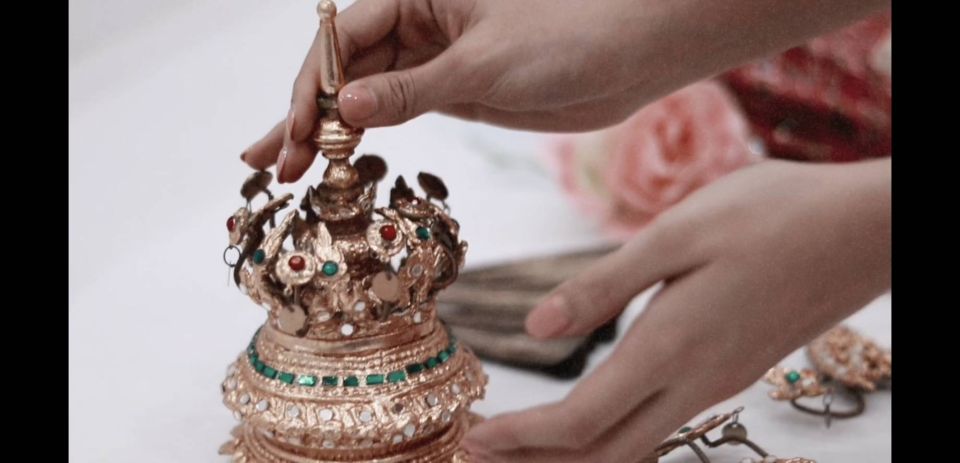
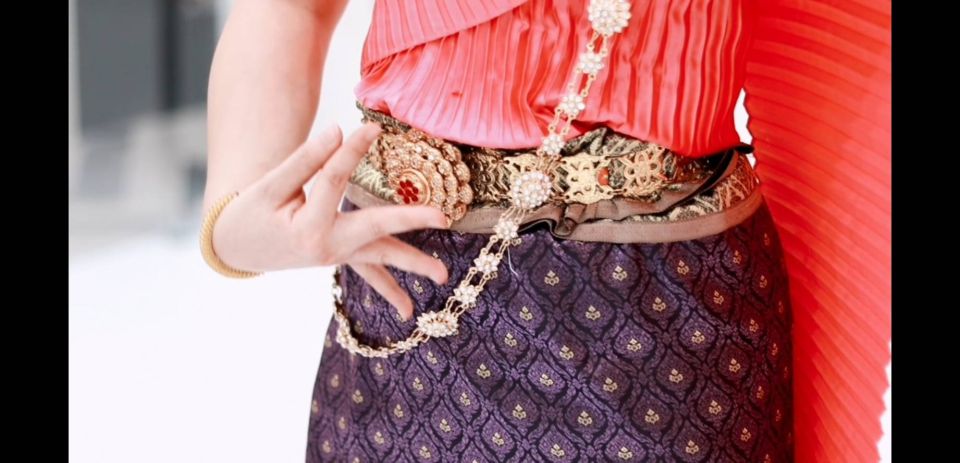
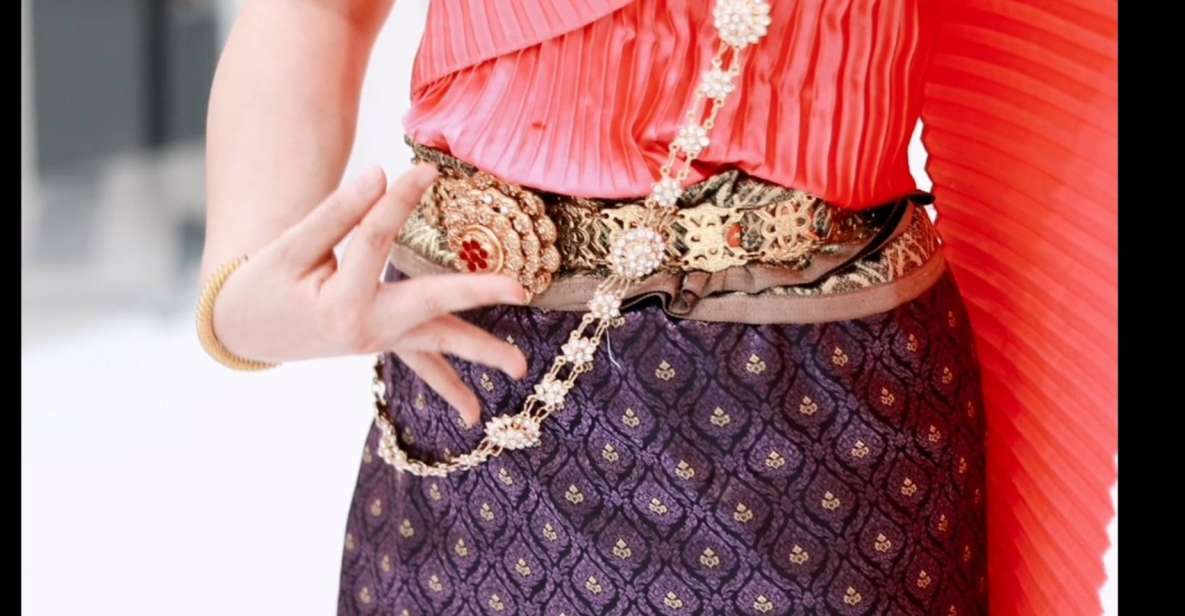
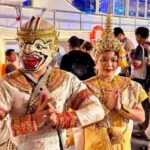
One of the most praised parts of the class is the costume component. You don’t just show up and get dressed; you learn how to wear the traditional Thai dance clothes and you get full accessories.
That’s a big deal for two reasons:
- The costume affects your movement. Thai dance relies on careful body alignment. If the fabric and accessories aren’t positioned correctly, your posture changes, and the dance can feel harder.
- You feel the culture, not just the steps. Wearing the outfit makes the experience feel like more than a random dance lesson. It turns the class into a performance practice session, not a demo.
Expect the session to walk you through the basics of putting everything on properly. Then you’re ready to dance without spending half the class figuring out what goes where.
What to wear underneath: the data doesn’t specify clothing rules, so I can’t invent details. But plan on dressing simply so you can adjust comfortably. If you want to avoid stress, wear something easy that won’t tangle with the costume.
Also, the class environment is set up for people to move in traditional attire. That’s useful if you’ve never worn a ceremonial outfit before. You’ll still feel a little awkward in the first few minutes, but the point of the early lesson is to get you past that quickly.
The history briefing that makes the dance click
A good dance class teaches steps. A better one explains why those steps exist. This one gives you the history of Thai dance before you start dancing, so you’re not learning movement like a copy-paste routine.
From the lesson style described, the teacher isn’t only calling out technique. They explain how movements carry meaning. In the reviews, people highlight that the instructor took time to discuss the significance of motion, and that the class felt like culture education, not just a physical workout.
Here’s the practical side: when you understand the context, your body pays attention. You’re less likely to move mechanically. You’re more likely to correct posture, timing, and shape because you know what the teacher is trying to communicate.
If you’re the type who usually skips the intro lecture, this is one of the few cases where I’d actually encourage you to lean in. The history part sets up the rest of your practice. You’ll likely notice yourself thinking, Now I get why this arm position matters, and that turns the class into a memory, not just a photo.
Warm-up and dancing through 3 different songs and pose sets
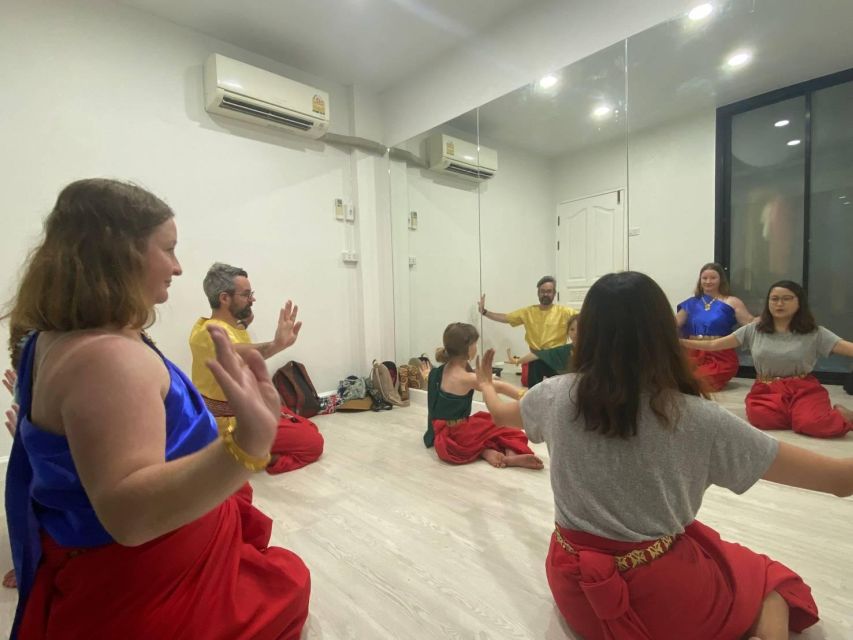
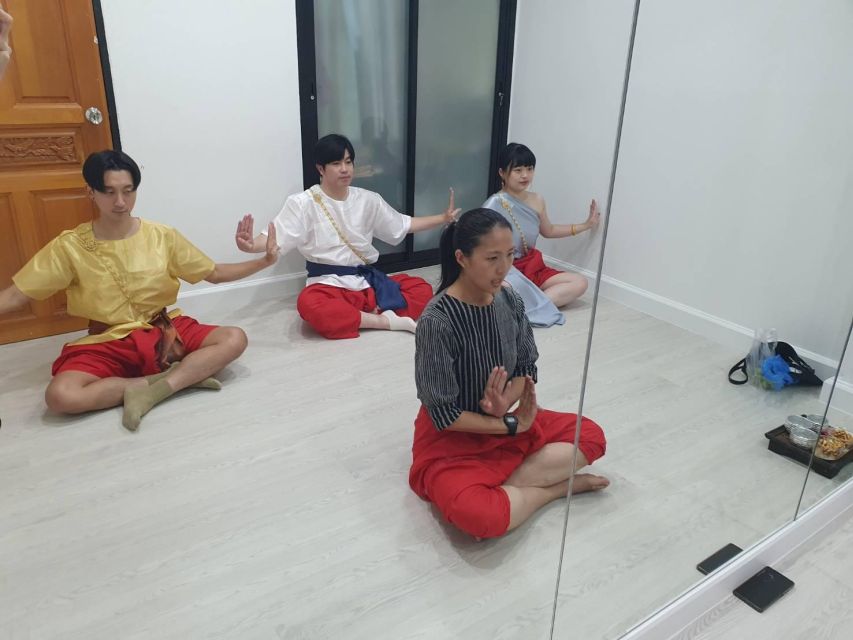
After the outfit and background, you move into warm-up and dance practice. The heart of the class is learning dance sections across three different songs and poses.
That structure is smart. Two hours is short, so the class can’t afford to spend all its time on one routine. Three songs give you variety and keep you engaged. More importantly, it helps you learn different shapes and transitions, which is usually what separates a beginner-level attempt from something that looks intentional.
Your teacher also provides correction. Reviews mention patient guidance and gentle adjustments, especially helpful for solo participants who might feel a little nervous stepping into a group class.
Another nice detail: in at least some parts of the session, you can take photos and short clips. That’s useful because costume shots look great, but the real payoff is capturing a pose set you’ve actually practiced. If your phone is full of shaky vacation footage, use the opportunity to take one or two crisp clips rather than trying to film everything.
Small group + correction is your best friend here. Even if you’re not a dancer, you can look coordinated when your posture and arm positioning improve even a little. In Thai dance, that’s often the difference between stiff and graceful—without needing to be flexible like a gymnast.
And if you’re traveling solo: the class can be arranged as a more personal lesson. One review mentioned the class became essentially private when only one person signed up, and the instructor stayed patient and calm. So if you’re worried about being the only person in the room, don’t. The class format is set up to work even when the group is small.
Price and value: Is $70 worth it?
Let’s talk money, but in a useful way. At $70 per person for 2 hours, this isn’t a bargain-basement activity. It also isn’t overpriced for what you actually get.
Here’s what’s included that you’d otherwise pay for or sort out yourself:
- Pick-up service from Wat Arun Pier
- Thai dessert and welcome drink
- Traditional Thai dance dress and full accessories
- A small-group class capped at 7 participants
- History of Thai dance before you dance
- Dancing practice across three songs and poses, guided by an instructor
When you compare the value, the costume and instruction time are the big levers. If you’ve ever tried renting an outfit for a cultural photo shoot, you know it can cost more than you expect. Here, the dress is part of the lesson, not just a costume handout.
The time is also efficient. You’re not booking a half-day. Two hours gives you a complete experience: orientation, dressing, background, and practice.
The one value “watch-out” is your expectations. If you want a long performance or a full costume experience for hours, this is shorter by design. Think of it as an entry-to-proper training session that ends with you understanding the dance better than you started.





Who should book this Thai dance class (and who should skip)
This works best for people who enjoy hands-on learning and appreciate cultural context. You’ll likely have the most fun if you like:
- Trying something physical without needing dance experience
- Learning how to wear traditional clothing properly
- Having a short history lesson connected to what you do with your body
- Getting corrections and practicing multiple song sections
It’s also a good solo traveler option. One review described it as a highlight and specifically thanked the organizers for making it work as a solo booking. The small group setup helps you feel included rather than awkward.
Who might not be a fit:
- Children under 10 aren’t suitable
- Wheelchair users aren’t suitable
- People over 95 aren’t suitable
Also note the rule: alcohol and drugs aren’t allowed. That’s pretty standard for activity-based cultural classes, but it’s worth knowing so you can plan your evening accordingly.
Comfort tip: you’ll be standing and moving, in traditional attire. If your knees or ankles don’t like long periods upright, you might want to consider the class length carefully. Two hours is manageable for many people, but it’s still movement.
Photo-friendly moments and how to get good shots without ruining the lesson
This class allows photos and short clips in some parts, which is great. But it also means you shouldn’t treat the whole session like a filming event.
Here’s how to keep it fun and not distracting:
- Take costume photos early or when you’re wearing the full accessories (that’s usually when you’ll get the clearest cultural look).
- Save video for the pose sets you practice, since those are the moments you’ll want to remember.
- Keep it short. A few clips beat dozens of blurry attempts.
One of the best parts of these classes is the turnaround: you start looking like a tourist in a costume, then you learn posture, and suddenly the outfit looks like it belongs on you. Photos help you track that change—if you capture a few key moments rather than trying to record everything.
Should you book ThaiGlam Studio’s Thai Dance Class?
If you want a 2-hour cultural activity that mixes costume, history, and real practice, I think this one is a strong pick. The included costume lesson and the way the class frames movement meaning give it a sense of purpose beyond basic dancing.
Book it if:
- You love learning the story behind what you do
- You want an authentic, structured class in a small group
- You’re happy to stand, warm up, and practice poses across three songs
Skip it if:
- You’re looking for a passive show or a long evening performance
- You need wheelchair accessibility
- You want alcohol-friendly nightlife energy (since alcohol isn’t allowed here)
If your main goal is to come away feeling like you actually learned something—about the dance, the culture, and your own ability to follow the steps—this class is exactly that kind of experience.
FAQ
Where does the class take place?
The class is at Thai Glam Studio.
Do I get picked up, and where is the pick-up point?
Yes. There is pick-up service at Wat Arun Pier.
How long is the Thai Dance Class?
The class lasts 2 hours.
What does it cost?
The price is $70 per person.
How many people are in the group?
It’s a small group limited to 7 participants.
Are drinks and dessert included?
Yes. You’ll get a welcome drink and Thai dessert before the class starts.
Is traditional dress provided?
Yes. Thai traditional dress with full accessories is included, and you’ll learn how to wear it.
What languages are supported?
The host or greeter supports English, Chinese, and Korean.
Can I take photos or video?
You can take photos and short clips in some parts of the class while learning.
Is the class suitable for children or anyone with mobility limits?
No, it’s not suitable for children under 10, wheelchair users, or people over 95.