REVIEW · PRIVATE & CUSTOM CITY TOURS
In and around Bangkok Private Tour Guide with Custom Experience
Book on Viator →Operated by Explorenique · Bookable on Viator
Bangkok can be a maze. A private guide turns it into a plan.
I like the custom itinerary style most: you pick what you want, and your guide shapes the day around your pace, interests, and goals. I also like that the tour is built for mix-and-match Bangkok, from the biggest temple sights to smaller neighborhoods and markets, instead of one long checklist.
One thing to plan for: the price is for your guide, not for entry tickets or all travel costs. Entrance fees aren’t included, and transport and guide-related expenses during the day can be on you, so the real value depends on how you choose to move around.
In This Review
- Key things I’d focus on before you book
- Price and Logistics: what $63.99 really buys
- How the custom itinerary works (and how you should plan it)
- Temple day essentials: Grand Palace, Wat Phra Chetuphon, Wat Saket, Wat Traimit, Wat Arun, Wat Phra Kaew
- Grand Palace (1 hour, entry not included)
- Wat Phra Chetuphon (Wat Pho) (1 hour, entry not included)
- The Golden Mount (Wat Saket) (1 hour, entry not included)
- Wat Traimit (Temple of the Golden Buddha) (1 hour, entry not included)
- Wat Phra Kaew (Temple of the Emerald Buddha) (1 hour, entry not included)
- Wat Arun (Temple of Dawn) (1 hour, entry not included)
- Old Bangkok neighborhoods: Khaosan Road, Banglamphu, Bangkok Noi, Kudi Chin, Tha Maharaj, Chinatown
- Khaosan Road (1 hour, entry not specified)
- Wang Lang Market (1 hour, admission listed as free)
- Tha Maharaj (1 hour, admission listed as free)
- Bangkok Noi + Kudi Chin (1 hour each, both listed as free)
- Banglamphu (1 hour, admission listed as free)
- Chinatown – Bangkok (1 hour, admission listed as free)
- Markets and river time: Chatuchak, floating markets like Damnoen Saduak, and shopping breaks
- Chatuchak Weekend Market (1 hour, listed as free)
- Damnoen Saduak Floating Market (1 hour listed as free, but usually a longer travel day)
- Getting around Bangkok: BTS, MRT, boats, tuk-tuk, and why it matters
- Modern Bangkok rhythm: MBK, Museum Siam, Siam Paragon, CentralWorld, Terminal 21, Lumphini Park, and malls
- MBK Center (1 hour, listed as admission free)
- Museum Siam (1 hour, entry not included)
- Siam Paragon, CentralWorld, Terminal 21 (1 hour each, many listed as free)
- Lumpini Park (1 hour, listed as admission free)
- Thai culture add-ons: massage schools, Muay Thai, shrines, and sunset rooftop dinners
- Logistics that can make or break your day
- Dress code for temples
- Admission fees are separate
- Timing and crowd control
- Downtime planning
- Should you book this private Bangkok guide tour?
- FAQ
- Are entrance fees included?
- Is hotel pickup and drop-off included?
- What about transportation costs during the tour?
- Are meals included?
- Is the tour private?
- Do I need to follow a dress code?
- How do I receive tickets?
Key things I’d focus on before you book
- Crowd-smart temple timing: the best guides use route choices to avoid the worst queues at the temples.
- A full 8 hours, but with breathing room: many stops are “about an hour,” so you can adjust instead of being rushed.
- Public-transport friendly by design: several standout days use BTS/MRT boats and trains, which keeps costs lower when you’re comfortable with it.
- Dress code matters at the royal sites: knee and shoulders covered for men and women—no shorts or sleeveless tops.
- Lots of add-ons from Thai culture to shopping: massage schools, markets, Muay Thai stadium visits, and modern malls can fit if you keep the day organized.
Price and Logistics: what $63.99 really buys
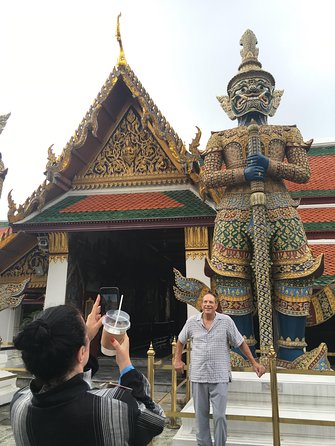
At $63.99 per person for an ~8-hour private day, you’re paying mainly for a licensed English-speaking guide and the time-savings of not figuring out everything yourself. That’s the core value. Bangkok is efficient, but it’s also confusing: canals, piers, temples with rules, and neighborhoods that feel totally different blocks apart.
What you should not assume: admission and some travel costs. The tour lists entrance fees to attractions as not included, and it also flags that transportation fees (while you’re together with your guide) are your responsibility. Food and drinks are also on you if you eat together with the guide.
So here’s the honest way to think about value:
- If you choose mostly temple visits where you can manage entry costs, and you’re fine using transit, this can be a great deal.
- If you want private vehicle comfort everywhere, or you add multiple ticketed attractions, your total day cost will rise fast.
There’s also a practical catch: this style of private tour can feel different from car-based sightseeing tours. Some days lean on public transport, which can be a win if you like local life, but it can also create longer travel chunks if your hotel is far from the transit lines.
You can also read our reviews of more guided tours in Bangkok
How the custom itinerary works (and how you should plan it)
The tour markets itself as custom, but custom still needs boundaries. The operator gives you a huge menu of stops, and the guide helps you build a feasible route. In practice, the difference between a great day and a chaotic one is whether you go in with a short list.
My advice before you book:
- Pick 6–8 must-dos for the day (not 15+).
- Group them by area so you’re not constantly crossing the city.
- Decide your preferred travel style: mostly transit and walking, or you’ll pay more for easier door-to-door movement.
When guides do well, it looks like this:
- They check in often on whether you want to walk more or switch transport.
- They handle the timing and crowd problem at temples.
- They help you avoid wasting time on closed sites or routes that don’t fit the day.
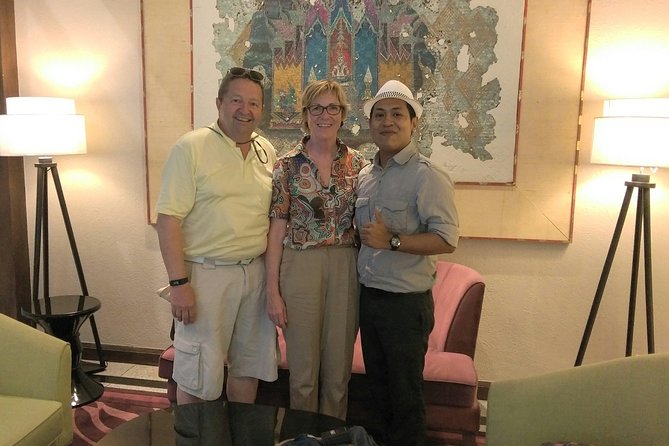
You’ll see guide names like Natty, Tee, Imm, Lily, Geng, and Pranee come up in stand-out experiences, and the common thread is not just friendliness—it’s planning. Natty is noted for crowd-smart routes and picture spots with fewer people, and Tee and Geng are praised for tailoring the day tightly to what people asked for.
Temple day essentials: Grand Palace, Wat Phra Chetuphon, Wat Saket, Wat Traimit, Wat Arun, Wat Phra Kaew
If you want Bangkok’s “holy wow” factor, this is the heart of the tour. The sample itinerary points you toward the classic temple circuit, plus a gold-studded detour.
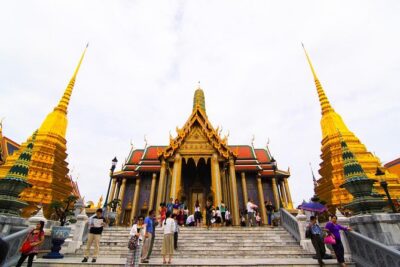
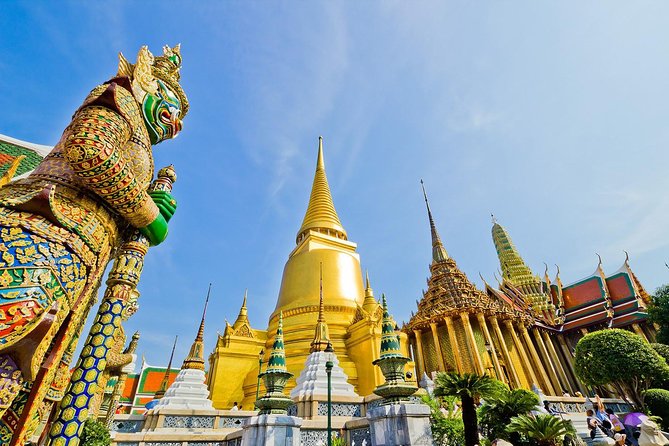
Grand Palace (1 hour, entry not included)
This is the big one. You’ll spend real time inside the complex, but plan for the practical stuff too:
- Dress code is enforced. Knees and shoulders covered. No shorts or sleeveless tops.
- Tickets aren’t included, so you’ll pay entry separately.
- Expect crowds. Even with a smart route, you’ll still feel the popularity.
Why it’s worth it: the Grand Palace is pure Bangkok monarchy energy—colors, architecture, and details that look like they were built for close-up staring.
Possible drawback: it’s a time sink if you show up late in the day. If your schedule is tight, aim to start here earlier rather than treating it as an “afterthought.”
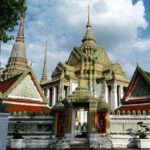
Wat Phra Chetuphon (Wat Pho) (1 hour, entry not included)
You’ll connect the Grand Palace grandeur to the temple culture of Bangkok’s everyday spiritual world. Wat Pho is on most travelers’ lists for a reason: it’s one of the city’s most important temple complexes.
Why it’s worth it: it gives you context. You’re not just seeing buildings—you’re learning what makes each temple function differently.
Possible drawback: it’s easy to underestimate how many small areas you’ll want to slow down for.
You can also read our reviews of more private tours in Bangkok
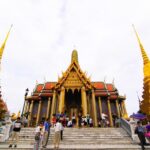

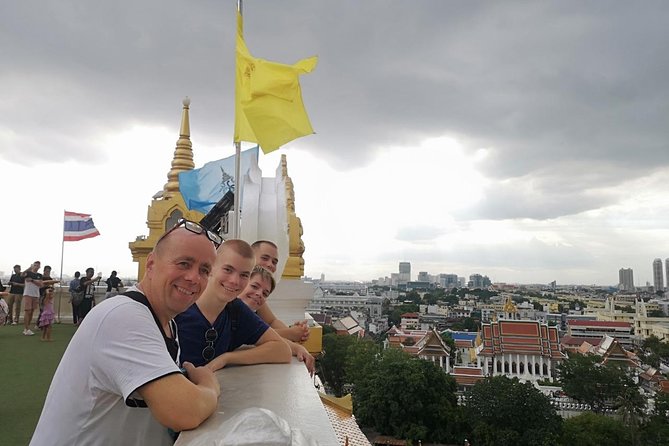
The Golden Mount (Wat Saket) (1 hour, entry not included)
Wat Saket is about views and relief. The climb can feel like a workout, but it’s also a good way to move away from the densest temple crowds for a bit.
Why it’s worth it: the higher viewpoint is a breather. It also helps you understand Bangkok’s sprawl and how temples sit in the city.
Possible drawback: stairs and heat. If it’s a hot day for you, schedule water breaks.
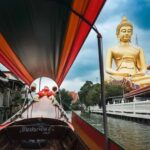
Wat Traimit (Temple of the Golden Buddha) (1 hour, entry not included)
This stop feels different because it’s specific and memorable: the Golden Buddha is the main attraction.
Why it’s worth it: it’s a simple story you can remember long after you leave the site.
Possible drawback: this is one of those places where you’ll want enough time to actually look closely, not just move through.
Wat Phra Kaew (Temple of the Emerald Buddha) (1 hour, entry not included)
If the Grand Palace is the stage, Wat Phra Kaew is the star. It’s a key part of the royal complex feeling.
Why it’s worth it: it’s the classic Bangkok “I came here for this” temple.
Possible drawback: it’s not flexible with attire rules. If you forget dress code, your day can get derailed.
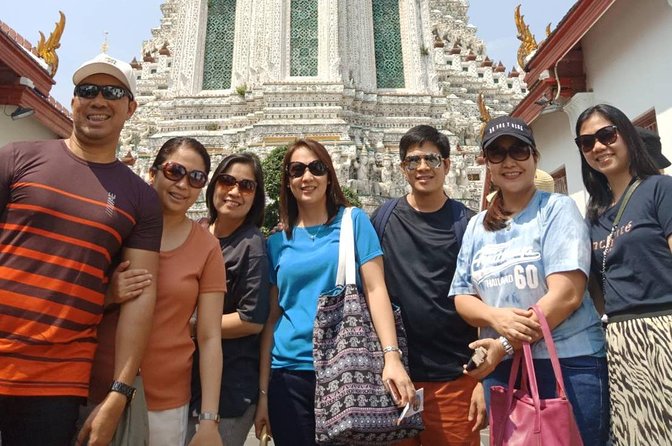
Wat Arun (Temple of Dawn) (1 hour, entry not included)
Wat Arun is the riverside payoff. Your itinerary lists it as a featured stop, and a lot of guides time it with river movement so you’re not just staring at it from one angle.
Why it’s worth it: the temple looks different from multiple positions along the river. You’ll likely get your best photos when the light lines up.
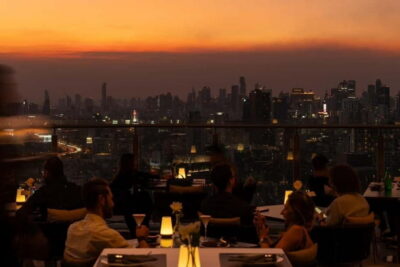
One extra benefit from great guides: some end the river temple day with a rooftop dinner or sunset view spot for Wat Arun. That kind of finish turns “temples” into a full memory.
Possible drawback: entry tickets add to the cost, and climbs can take time.
Old Bangkok neighborhoods: Khaosan Road, Banglamphu, Bangkok Noi, Kudi Chin, Tha Maharaj, Chinatown
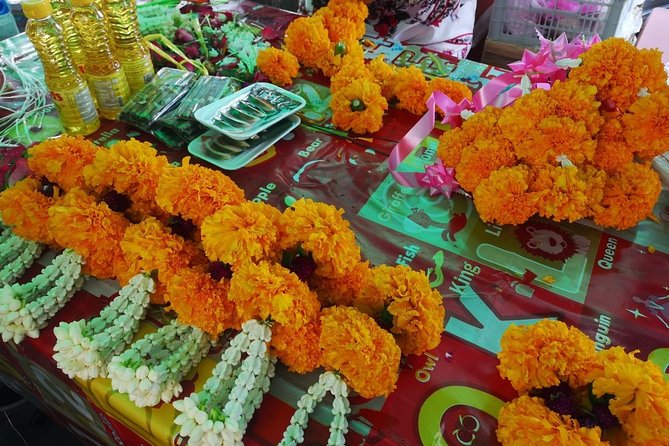
After the royal sites, Bangkok gets more human. You start seeing how people live around the temples and along the waterways.
Khaosan Road (1 hour, entry not specified)
Khaosan is energy—street life, casual food stalls, and the tourist orbit that everyone recognizes. A private guide helps you move through it without getting stuck in the loudest crowds.
Why it’s worth it: quick taste of Bangkok nightlife energy and street culture.
Possible drawback: if you’re hoping for calm, this isn’t it.
Wang Lang Market (1 hour, admission listed as free)
Riverside markets can be ideal for a “low-cost snack + local scene” break.
Why it’s worth it: you get to slow down, try foods, and watch daily life.
Possible drawback: rain can change the feel fast, and food lines can be longer than expected.
Tha Maharaj (1 hour, admission listed as free)
Tha Maharaj is another riverside stop that tends to work well as a connector area—close to where you’ll want to move toward the next temple or boat.
Why it’s worth it: it’s a good place for a break between sightseeing blocks.
Possible drawback: if you treat it as an “extra,” you might lose time you needed elsewhere.
Bangkok Noi + Kudi Chin (1 hour each, both listed as free)
These canal-side or neighborhood-feeling stops are where you see Bangkok beyond the postcards.
Why it’s worth it: your guide can explain what you’re looking at—markets, shrines, and the way old communities sit beside modern roads.
Possible drawback: they’re easier to enjoy if you’re comfortable walking and you don’t mind spontaneous detours.
Banglamphu (1 hour, admission listed as free)
This is where the vibe shifts from big sights to lived-in streets.
Why it’s worth it: great for photo walks and quick cultural context.
Possible drawback: it can feel repetitive if you already did the most popular adjacent areas.
Chinatown – Bangkok (1 hour, admission listed as free)
Chinatown is food and shopping. In great private tours, it becomes a guided “how to not get lost” adventure.
A recurring highlight from standout guide days: help with street food choices and communication, so you can sample without feeling like you’re guessing every menu.
Why it’s worth it: senses on overload—in the best way.
Possible drawback: it’s crowded. If your day is already packed with temples, you may need to keep Chinatown to “sampling mode,” not “hours of shopping.”
Markets and river time: Chatuchak, floating markets like Damnoen Saduak, and shopping breaks
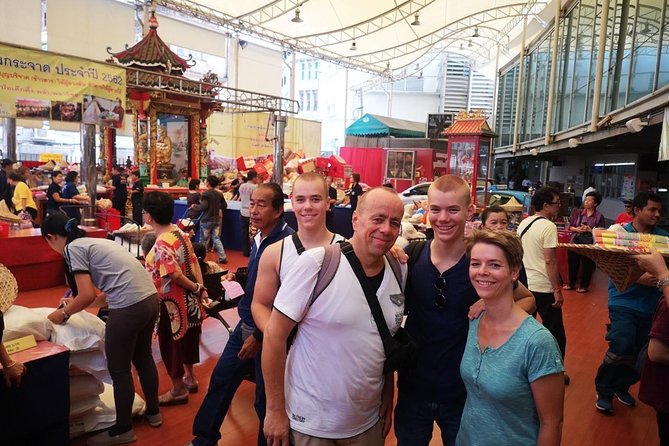
This tour’s biggest strength is that it can swap between sacred and street-level Bangkok.
Chatuchak Weekend Market (1 hour, listed as free)
Chatuchak only works on days it’s running. If your tour date lines up, it’s one of the best places to shop for souvenirs without paying “temple tax.”
Why it’s worth it: the variety is huge, and your guide can help you focus on what’s actually worth your time.
Possible drawback: it can eat your whole hour fast if you walk in without a priority list.
Damnoen Saduak Floating Market (1 hour listed as free, but usually a longer travel day)
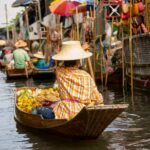
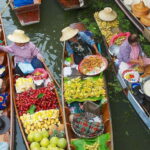
Floating markets can be spectacular on a good day—but they often cost you time getting there and back.
Why it’s worth it: boats, canals, and the visual contrast to Bangkok’s land streets.
Possible drawback: it’s far enough that it can squeeze your other plans. If you want Damnoen Saduak, keep the rest of your day lighter.
Getting around Bangkok: BTS, MRT, boats, tuk-tuk, and why it matters
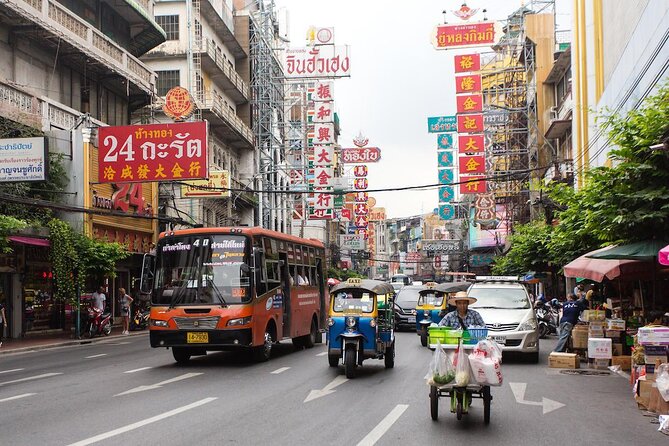
One of the most practical themes in successful guided days is transport variety. You’ll often see routes that combine:
- trains and metro lines
- ferries/boats along the river
- occasional tuk-tuk hops to save time
That mix matters because Bangkok looks different depending on how you move. The river gives you a clean visual line to temples. Trains give you speed. Walking gives you texture.
A strong example of how this can feel in a day: some guides have taken people through Chinatown with help navigating street food and shopping, then hopped into temples using boats and tuk-tuk as needed. Another recurring note is that a guide will check whether you’re happy walking or if you want to switch to a faster ride.
Your consideration: public transport is not included in the tour price, and transportation fees during the day are your responsibility. If your idea of a perfect day is private car comfort every hour, this tour might feel less aligned with your style unless you’re ready to arrange that.
Modern Bangkok rhythm: MBK, Museum Siam, Siam Paragon, CentralWorld, Terminal 21, Lumphini Park, and malls
Not every stop is temple-focused. The itinerary list is loaded with shopping malls and modern breaks, and that can be a good thing. Bangkok’s heat and crowds can wear you out. Malls and parks can reset you.
MBK Center (1 hour, listed as admission free)
MBK is a classic stop when you want quick shopping without committing to a long market crawl.
Museum Siam (1 hour, entry not included)
This can be useful if you want something interactive and less tied to heat and crowds.
Possible drawback: ticketed museums add cost. Also, one hour might feel short if you like museums.
Siam Paragon, CentralWorld, Terminal 21 (1 hour each, many listed as free)
These are ideal for:
- air-conditioning breaks
- quick skyline or street-style wandering
- grabbing simple snacks and water
Why they help: they protect your energy so you can enjoy the later temple stops without feeling fried.
Lumpini Park (1 hour, listed as admission free)
A park hour is a lifesaver when your day is all sightseeing.
Why it’s worth it: you can cool down, sit for a bit, and get your bearings.
Thai culture add-ons: massage schools, Muay Thai, shrines, and sunset rooftop dinners
Your itinerary list includes optional cultural stops that turn the day from sightseeing into actual Bangkok routine.
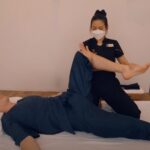
- Lek Massage Bangkok (BTS Siam Square): a massage-related stop can be a satisfying reset after temple walking. Admission is listed as not included, so you’ll likely pay separately if you choose the service.
- Erawan Shrine (Thao Mahaprom Shrine): a short shrine visit can be a meaningful cultural stop if your guide explains what you’re seeing.
- Rajadamnern Muay Thai Stadium: if you’re into combat sports, this can add a different Bangkok flavor beyond temples and shopping.
- Rooftop bar dinner with Wat Arun sunset views: this kind of ending shows up in top guide days, and it makes the river temple effort feel like a reward.
These add-ons tend to work best when your guide is keeping your priorities straight. If you cram too many ticketed options, you can run out of time and your day turns into logistics instead of memories.
Logistics that can make or break your day
Here are the things that decide whether your day feels smooth or frustrating.
Dress code for temples
For places of worship and some selected museums, you must cover knees and shoulders for both men and women. That’s a hard rule: no shorts, no sleeveless tops. If you forget, you risk being refused entry, and that kills momentum.
Admission fees are separate
Several temple stops list tickets not included. Some markets and malls list admission as free, but that doesn’t mean transport or snacks are free. Go in expecting separate spending for entries and any optional experiences.
Timing and crowd control
Great guides help you avoid the worst crowd windows. The goal is not to avoid people forever—it’s to avoid wasting time staring at sold-out lines or standing in the hottest chaos.
Downtime planning
This tour is designed around one-hour segments, which makes it easier to recover when something runs long (rain, crowds, or a site you want to linger in). But if your itinerary list is too ambitious, you’ll still feel the squeeze.
Should you book this private Bangkok guide tour?
Book it if:
- you want one full day that mixes the “must-see” temples with neighborhoods and markets
- you like the idea of a guide shaping the route around your interests
- you’re okay paying separate entrance tickets and handling transit costs during the day
Skip or choose differently if:
- you expect everything to be fully covered in one set price (this one isn’t)
- you want nonstop private car comfort
- you prefer zero planning from your side—because custom tours work best when you bring a small priority list
If you do book, do yourself a favor: pick 6–8 targets, group them by location, and confirm your transport comfort level early. That’s how you turn an 8-hour day into a genuinely satisfying Bangkok sampler—without burning your whole vacation inside a map app.
FAQ
Are entrance fees included?
No. Entrance fees to attractions are not included, and you’ll pay for tickets separately as needed.
Is hotel pickup and drop-off included?
Yes, the tour includes starting from your hotel and returning (if you desire). The end point is typically your hotel, though you can request a reasonable drop-off point within Bangkok.
What about transportation costs during the tour?
Transportation fees are not included. Since the tour is guided, you’ll be responsible for the transportation costs while you’re together with the guide.
Are meals included?
No. Food and drinks are not included. If you eat together with your guide, you cover those expenses.
Is the tour private?
Yes. This is a private tour/activity, and only your group participates.
Do I need to follow a dress code?
Yes for places of worship and some selected museums. Knees and shoulders must be covered for both men and women—no shorts or sleeveless tops.
How do I receive tickets?
You receive a mobile ticket.