REVIEW · BIKE & CYCLING TOURS
Past and Present Bike Tour of Bangkok
Book on Viator →Operated by Go Bangkok Tours · Bookable on Viator
Bangkok by bike feels like a shortcut to real. I love the Chinatown start, with its tight alleys and market chaos, and I love the ferry break that swings you into Thonburi without the usual traffic grind. The main catch is the mix of narrow streets and a moderate amount of walking at temple stops, so you’ll want a comfortable riding level.
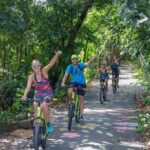
This half-day tour is built for small groups (max 6), and that size matters. You’ll get real guidance through places you’d usually breeze past, and guides such as Woody, Té, Qing, Kim, and Jig are known for keeping the pace manageable and the explanations practical. Morning or afternoon departures also help you match it to your day.
In This Review
- Key things I’d note before you book
- Why this Past-and-Present Bangkok bike route works
- Price and what you actually get for $35.68
- Morning or afternoon departures: when the ride feels best
- The meeting point and start-of-tour flow on the river
- Chinatown by bike: red luck, alleys, and cultural mix
- Flower and vegetable markets: a stop that feels like a real Bangkok day
- Chao Phraya ferry crossing: the break you didn’t know you needed
- Wat Arun: temple time with gardens and exhibitions
- Wat Prayoon and Wat Kalayanamitr: variety without extra travel
- Safety, bicycles, and riding narrow streets like a pro
- Included value vs what you’ll add later
- Who this tour suits best
- Who should think twice
- Should you book this Past and Present Bike Tour of Bangkok?
- FAQ
- How long is the bike tour?
- How much does the tour cost?
- What’s included in the ticket price?
- Is lunch included?
- Does the tour pick you up from your hotel?
- Do you need to bring ID?
- What’s the cancellation policy?
Key things I’d note before you book
- Old Customs House on the river sets the scene for how travelers entered Bangkok long ago
- Chinatown streets and market stops include flower and vegetable areas, not just storefront sightseeing
- Chao Phraya ferry crossing is included, so you’re not stuck on one side all day
- Wat Arun plus two more temples gives variety in one riverfront route
- Helmet, bike, and free lockers are included, which keeps your cost down
- Small-group riding (up to 6 people) means less waiting and more time moving
Why this Past-and-Present Bangkok bike route works
This is the kind of tour that makes Bangkok make sense fast. You’re not just looking at sights from the sidewalk. You’re moving through neighborhoods at street level, where daily life is right there—shops, stalls, prayers, and people stopping to talk.
The past-and-present idea isn’t a marketing slogan here. You start with a riverfront customs hub tied to early travelers, then you glide into Chinatown’s maze of woven alleyways and busy market areas. After that, you cross the Chao Phraya by ferry to Thonburi and focus on temples that dominate the skyline—especially Wat Arun along the water.
Two details add real value. First, it’s capped at 6 riders, so you don’t feel like you’re part of a slow-moving crowd. Second, you get a real setup for cycling: bike use and helmets are included, and lockers are available at no extra cost at headquarters.
You can also read our reviews of more cycling tours in Bangkok
Price and what you actually get for $35.68
At about $35.68 per person for roughly 4 hours, this is strong value for what’s included. Your price covers the local guide, bicycle and helmet use, ferry fees, and even souvenir photos emailed after the tour.
What that means for you: you don’t have to budget separately for the river crossing or hire anything on the spot. It’s also easier to plan because the tour ends back at the meeting point, and you’re not dealing with a complicated route to multiple hotel lobbies.
What’s not included keeps your wallet simpler but requires planning:
- Lunch is not included
- Alcoholic drinks are available to buy after the tour only
- No hotel pickup or drop-off, and transportation to and from attractions isn’t included
If you’re traveling light, those inclusions matter even more because you won’t be adding extra costs for basic essentials like ferry and guide time.
Morning or afternoon departures: when the ride feels best
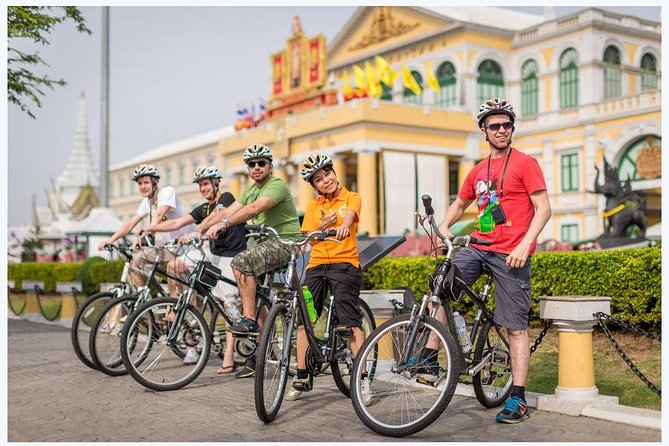
You can choose a morning or afternoon start, and that’s more useful than it sounds. Bangkok’s streets shift a lot by time of day—noise level, heat, and how long you’ll want to sit and walk at temple stops.
The tour runs about 4 hours. In practice, it can stretch a bit longer depending on how the group moves and how much time you take at stops. If you’ve got a tight dinner reservation, I’d still book a little buffer.
Small-group cycling is also about rhythm. You’ll keep moving, but you’ll get short windows to linger. One reason guides like Woody and Té stand out is that they manage time well without rushing the key moments.
The meeting point and start-of-tour flow on the river
The tour meets at Bangkok Bike Tours, 69, 2 Soi Charoen Krung 44, Talad Luang, Khet Bang Rak, Krung Thep Maha Nakhon 10500.
From there, the ride starts with a journey through a Muslim community, then heads toward the Old Customs House right along the river. This first stretch is more than a transfer. It’s your orientation. You’re learning what to notice as you bike: how the river shaped travel, why these neighborhoods developed where they did, and how different cultures share space in Bangkok.
Then you shift into Chinatown, where the streets narrow and the world gets louder. If you like travel that’s sensory—smells, sounds, and the rhythm of people working—you’ll feel it immediately.
Chinatown by bike: red luck, alleys, and cultural mix
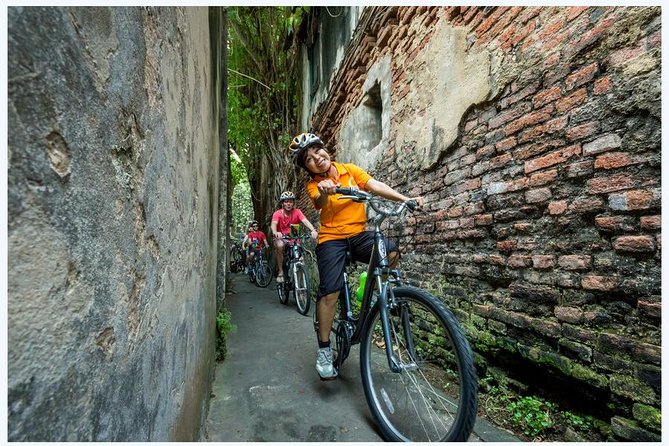
Chinatown here isn’t treated like a single photo spot. You’ll weave through the maze of alleys and woven streets with guidance that connects what you see to the people who live and work there.
One detail you’ll hear about: red symbolizes good luck in Chinese culture. That becomes a useful lens for noticing why certain signs, decorations, and visual cues pop up in the area.
As you ride, pay attention to how neighborhoods change even over short distances. This route is designed to show cultural layers rather than flatten them into a single theme. That’s why I like the approach: it gives you context as you go, instead of a lecture delivered after you’ve already moved past the key spots.
Also, your group size helps. With up to 6 people, you’re less likely to get stuck waiting for slow moments. You can keep your place and actually watch what’s around you.
Flower and vegetable markets: a stop that feels like a real Bangkok day
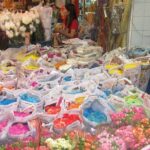
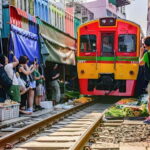
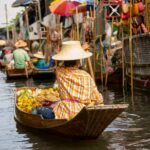
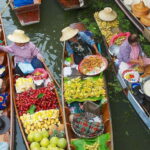
After Chinatown, the tour includes visits to flower and vegetable markets. This is where you can slow down and observe without having to interpret every sign in Thai.
What’s the practical value? Markets are where you learn the texture of daily life. You’ll see how vendors arrange goods, how people move through narrow spaces, and how something as simple as produce becomes part of a wider routine.
If you like photos, this is also one of your best stretches—but don’t treat it like a checklist. The best use of this stop is to watch how the area works: where the flow slows for bargaining, where people pass quickly, and how the market connects to surrounding shops.
Bring patience for this portion. Markets can be crowded and people don’t always move aside for cyclists. Your guide’s job is route management, and the smaller group size helps keep everyone safe and predictable.
Chao Phraya ferry crossing: the break you didn’t know you needed
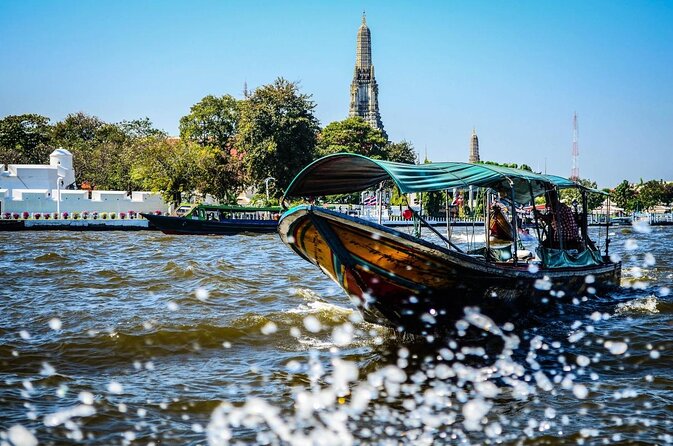
A big highlight is the ferry across the Chao Phraya River. It’s included, so you don’t have to negotiate anything or worry about finding the right pier.
This ferry segment does two things for you. First, it resets the day. After cycling through dense streets, you get open-air time and a clear view of the waterway. Second, it puts you in the right mood for the temples ahead. You’re arriving on Thonburi’s side not with stress, but with a kind of visual breathing room.
Even if you’ve seen river photos before, the ferry changes the scale. You notice how the temples sit relative to the water and how the shoreline shapes the skyline.
Wat Arun: temple time with gardens and exhibitions
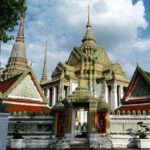
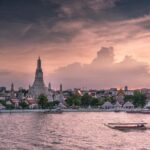
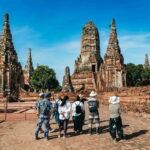
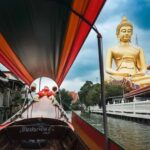
On the Thonburi side, the tour stops at Wat Arun. It’s one of the most recognizable names in Thailand, and the riverfront setting makes it feel even more dramatic.
What I like about this stop is that it’s not only a quick look at a single landmark. You’ll have time to enjoy flower gardens and exhibitions around the temple. That’s a smart way to experience a major site: you get both the iconic view and a slower stroll space to cool down and look around.
The temple portion also includes the reality check for this tour: you’ll do a moderate amount of walking at stops while still moving on bicycles between areas. If you’re comfortable with short stretches on uneven temple paths, you’ll be fine. If you hate walking, plan a slower pace and consider doing a different, more static tour.
Wat Prayoon and Wat Kalayanamitr: variety without extra travel
After Wat Arun, you’ll visit Wat Prayoon and Wat Kalayanamitr. This second temple sequence matters because it keeps your day from becoming repetitive.
You’ll see classic Thai temple culture again, but each site has its own feel. You’re essentially learning how the temple tradition can look different while staying recognizable—different structures, different sightlines, and different ways people use the space.
If you enjoy understanding context as you move, this section is a payoff moment. The river side isn’t just pretty in photos; it’s a practical route for religious sites that shaped local life.
Safety, bicycles, and riding narrow streets like a pro
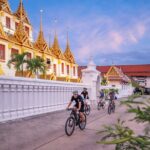
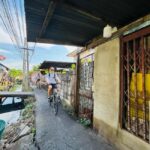
Cycling in central Bangkok means narrow roads and close quarters. That’s exactly why the tour setup matters: you get a helmet, you have a guide managing route flow, and the group stays small.
Your guide will handle the tricky parts: choosing when to slow, how to thread through tight areas, and when to stop so everyone stays together. People who’ve done the ride often highlight that this route feels secure and well organized, especially in Chinatown’s tight streets.
One practical note: bike sizing depends on your body. You’ll need to advise your height at booking so you get the correct frame. Also, you’ll need a current valid passport/ID number on travel day for insurance purposes. Bring it with you in a way that’s easy to show.
If you’re worried about comfort, the best approach is to focus on basics:
- Keep both hands on the bike
- Don’t rush ahead of the group
- Tell your guide if you’re tired or uncomfortable before it becomes a problem
Included value vs what you’ll add later
Here’s the clean breakdown of the deal:
Included in your price:
- Local guide
- Bicycle use and helmet
- Free lockers at the HQ
- Ferry fees
- Souvenir photos emailed after the tour
- Plenty of cold water and soft drinks after the ride
Not included:
- Alcoholic drinks (you can buy after the tour only)
- Lunch
- Hotel pickup or drop-off
- Transportation to/from attractions
For your planning, this means you should eat before you go or plan a meal right after. Also, drink water during the ride. You’ll get water provided after, but Bangkok heat doesn’t pause just because you’re cycling.
The souvenir photos are a nice touch because riding means you may not stop often to take steady shots. Getting copies afterward is helpful if you want a couple of keepers without juggling your phone every five minutes.
Who this tour suits best
This works well if you want:
- A first-time intro to Bangkok that still feels local
- Chinatown + river temples without long taxi hops
- A small-group ride where you can actually hear the guide
- Family-friendly sightseeing with an active twist
Kids can join, but they must be accompanied by an adult. The tour is designed to be manageable, though it still includes moderate walking at stops. If your child can handle a bike ride on busy streets and can keep moving during temple pauses, it can be a good fit.
It also suits solo travelers who like people but don’t want a giant tour machine. The max 6 travelers helps you feel like a group rather than a herd.
Who should think twice
Consider a different option if:
- You dislike cycling on narrow streets
- You expect very little walking
- You have trouble with bike fit and balance, even briefly
- You need hotel pickup, because this tour meets at a fixed location and ends back there
Also, bring your patience for market crowds and temple stop movement. The tour is active by design, and it won’t slow down indefinitely for every photo moment.
Should you book this Past and Present Bike Tour of Bangkok?
Yes, if your idea of a great Bangkok day includes street-level neighborhoods, a real ferry crossing, and temples that feel tied to the river instead of stuck on a distant bus route. The small group size, included ferry fees, and focus on both Chinatown and Thonburi make it feel like a smart use of a half day.
Book it soon if you want a specific time slot. The tour is commonly booked about 8 days in advance, and with only up to 6 riders per booking, popular departures can fill faster than you’d expect.
If you’re choosing between a bike tour and a traditional walking-only tour, this one gives you speed plus culture—movement through real streets, then slower temple moments when it counts.
FAQ
How long is the bike tour?
It runs about 4 hours.
How much does the tour cost?
The price is $35.68 per person.
What’s included in the ticket price?
You get a local guide, bicycle use, a helmet, free lockers at the HQ, souvenir photos emailed after the tour, and ferry fees. Cold water and soft drinks are provided after the ride.
Is lunch included?
No. Lunch is not included.
Does the tour pick you up from your hotel?
No. Hotel pickup and drop-off are not included. You meet at Bangkok Bike Tours and the tour ends back at the same meeting point.
Do you need to bring ID?
Yes. A current valid passport or ID number is required on the day of travel for insurance purposes.
What’s the cancellation policy?
You can cancel for a full refund up to 24 hours before the experience’s start time.
If you want, tell me your travel dates and whether you prefer morning or afternoon, and I’ll help you pick the best time slot and plan what to eat before and after.