REVIEW · FOOD
No Diet Club – Local food tour in Bangkok with many tastings
Book on GetYourGuide →Operated by NO DIET CLUB · Bookable on GetYourGuide
Bangkok street food starts at Sam Yot. This 3-hour walk takes you through Chinatown, Little India, and temple-area streets, guided by English-speaking locals as you sample Thai favorites.
I love the small group setup, and I also love that you get all the food included, so your meal stops feel pressure-free and focused on flavor.
One thing to consider: vegetarians are welcome, but Thai dishes often use meat, so some stops may be skipped or exchanged depending on your preferences. Some guides, like Laura and Estelle, keep the mood light with humor while you eat.
In This Review
- Key things to know before you go
- Starting at Sam Yot Metro: Your Bangkok Food Orientation
- 3 Hours of Tastings: How the Meal Pacing Actually Works
- Chinatown to Little India: Where the Street-Food Variety Shows Up
- Taste Targets You’ll Actually Remember: Pad Thai, Phat Kaphrao, Fried Rice, and Mango Sticky Rice
- Pad Thai
- Fried rice
- Phat Kaphrao
- Mango sticky rice
- Temples, Street Food, and Guide Stories That Keep It Moving
- Price and Logistics: Is $34 Good Value for Food in Bangkok?
- Who Should Book This Tour (and Who Should Plan Around Preferences)
- Should You Book No Diet Club in Bangkok?
- FAQ
- Where does the tour start?
- How long is the No Diet Club food tour?
- What does the price include?
- How much does the tour cost?
- What areas of Bangkok do you visit?
- What kind of dishes are included?
- Is the tour guide available in English?
- Is this a small group?
- Does the tour end where it starts?
- What should vegetarians expect?
Key things to know before you go
- Meet at Sam Yot metro station: easy starting point and you end back there
- 3 hours, multiple tastings: not just one big meal
- Food is fully included: you sample a range of Thai street-food styles
- Chinatown, Little India, and temple areas: you eat while you move through key neighborhoods
- Small group capped at 10: more conversation, less crowding at each stop
- English-speaking guide with history context: you get street-food context plus plenty of jokes
Starting at Sam Yot Metro: Your Bangkok Food Orientation
If Bangkok feels like a blur of lanes and signage, this tour gives you an instant mental map. You start at Sam Yot metro station, then you walk between three very different parts of the city: Chinatown, Little India, and an area near temples. The value here is simple: you get street-food context in the exact neighborhoods you’d otherwise have to figure out one meal at a time.
The other practical win is the guide style. You’ll be with an English-speaking local guide, and the group is kept small (up to 10). That matters because you’re not just following someone from stall to stall. You can ask what you’re eating, how it’s made, and what to look for when you’re back on your own later.
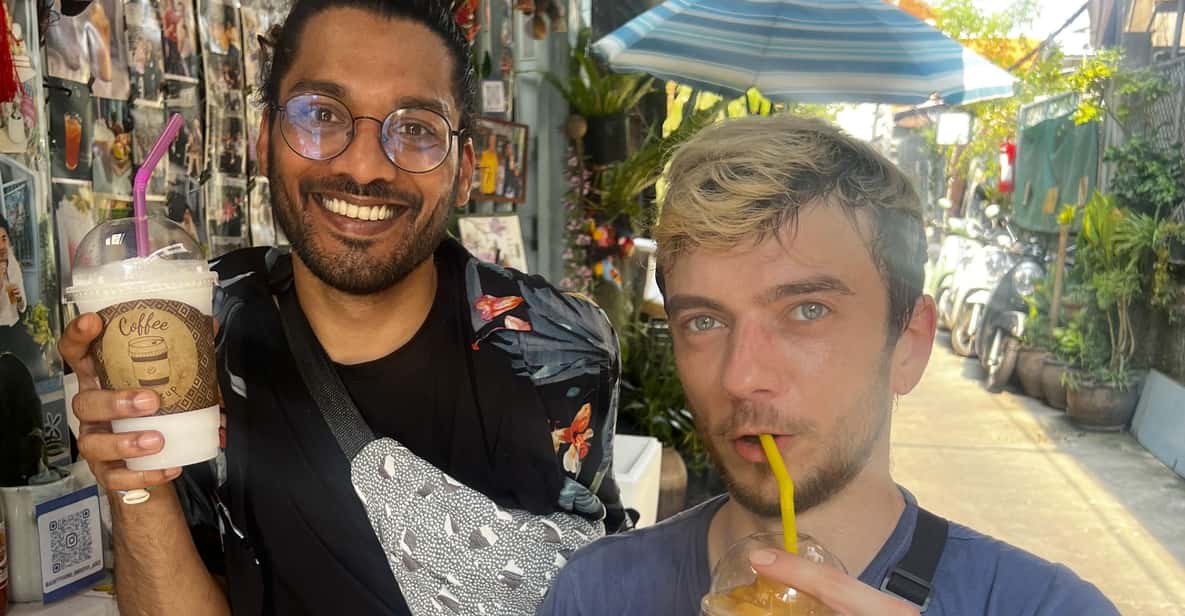
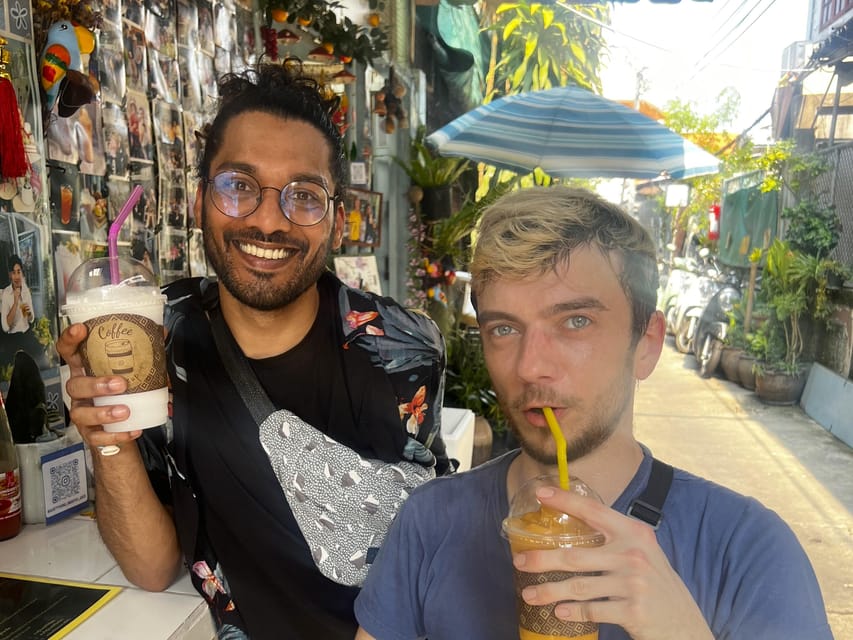
Also, I like that the tone is fun. Laura and Estelle show up in the guide lineup in the way people describe the experience: warm, chatty, and not afraid to mix in humor while you’re ordering food. When you’re eating things you’ve never tried before, a guide who keeps the mood easy makes a big difference.
You can also read our reviews of more food & drink experiences in Bangkok
3 Hours of Tastings: How the Meal Pacing Actually Works
This is a 3-hour food tour built around multiple stops and lots of bites, not one long sit-down. The tour focuses on street-food classics and also dishes you might not think to order on your own. You’ll see variety in textures and heat levels, too: sauces, sticky rice, crispy frying, plus spices and chili.
That pacing is part of the point. Thai food is often all about layers—sweet, salty, sour, spicy—so sampling across different dish types helps you build taste memory fast. In a short window, you’ll get a sense of how Thai flavors work together rather than just tasting one standalone dish and moving on.
For you, the best prep is the common-sense kind. Wear comfortable shoes. Bangkok heat can be real, and you’ll be walking. And because the tour includes the food, I suggest you arrive hungry but not painfully empty—think a light breakfast or a snack, not a full meal that makes you forget to enjoy what’s next.
Chinatown to Little India: Where the Street-Food Variety Shows Up
The tour runs through Chinatown and Little India, two areas that bring different food vibes to the same Bangkok street scene. Even when you don’t know the language, you’ll start noticing patterns fast: what stalls cook at different times, what ingredients show up again and again, and how people order—quickly, confidently, and in a way that feels local rather than tourist-first.
What I like most is that the tour is about the real spots, not just where you’d stumble into by accident. You’re meant to find the places locals actually eat. That means you get to see how Bangkok street-food culture works in practice: take-and-go meals, bold flavors, and food that doesn’t wait for a reservation.
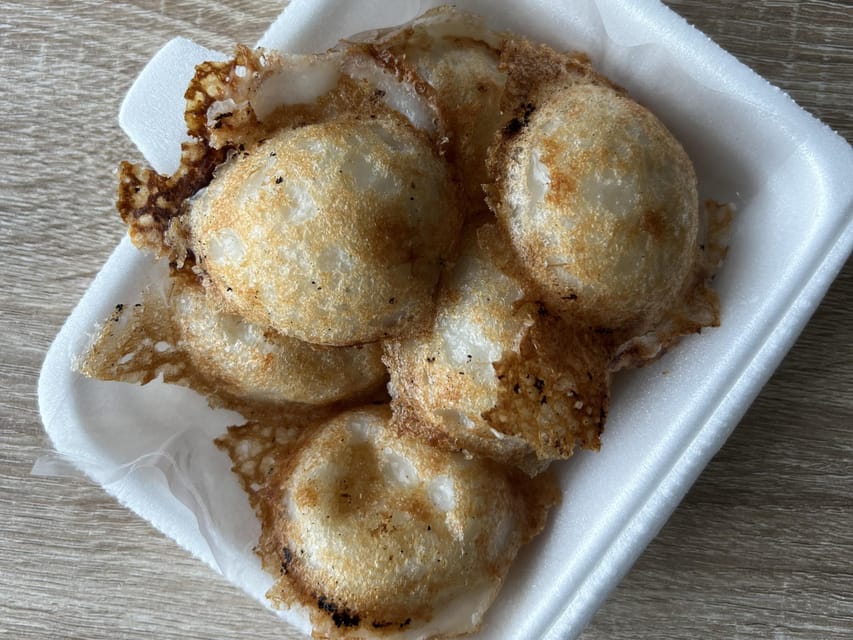
You’ll also taste a range of Thai dish styles during this walking portion. The tour highlights include iconic favorites like Pad Thai and fried rice, plus Thai basil stir-fry known as Phat Kaphrao. And the sweetness angle shows up, too, with mango sticky rice.
If you’re cautious about spice, this is the part where you’ll feel it most. The tour description explicitly calls out spices and chili, so don’t tough it out in silence. Ask the guide if something is especially spicy. You’ll get better results and enjoy the whole flow more.
Taste Targets You’ll Actually Remember: Pad Thai, Phat Kaphrao, Fried Rice, and Mango Sticky Rice
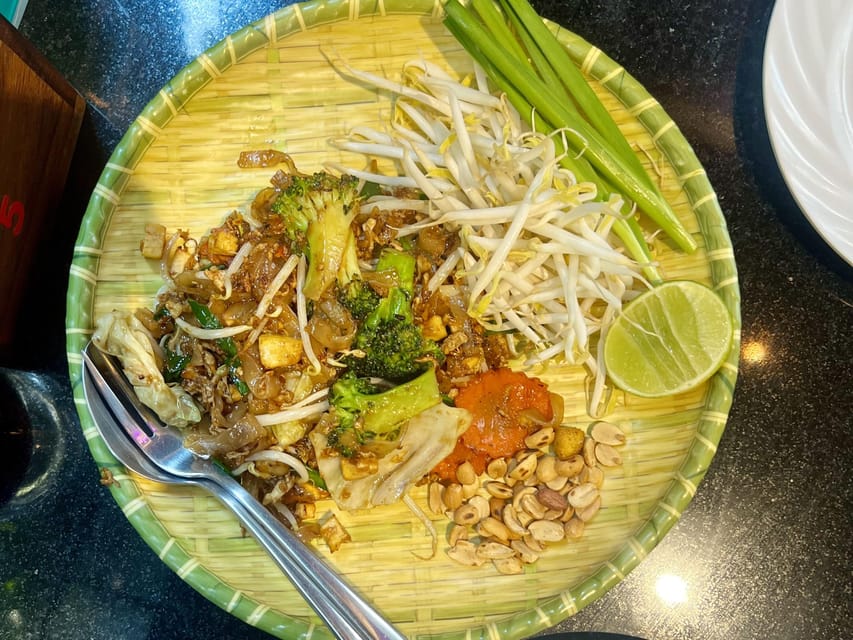
Some food tours deliver a lot of plates but not enough variety. This one does a nice job mixing the classics with the dishes that show Thai flavor engineering.
Pad Thai
You’ll encounter the emblematic street-food noodle dish that most visitors recognize, and that’s useful. It gives you a baseline. Then, as you move to other tastings, you can compare how other dishes treat noodles, sauces, and balance.
You can also read our reviews of more tours and experiences in Bangkok

Fried rice
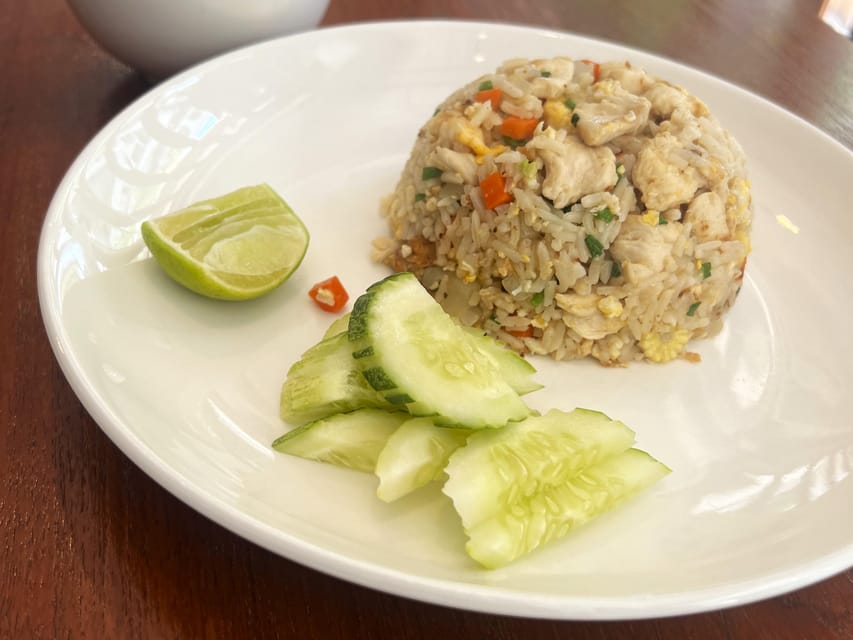
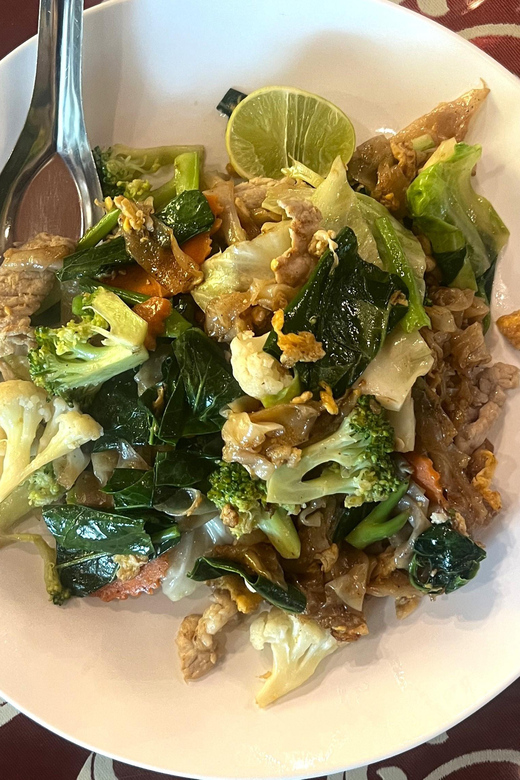
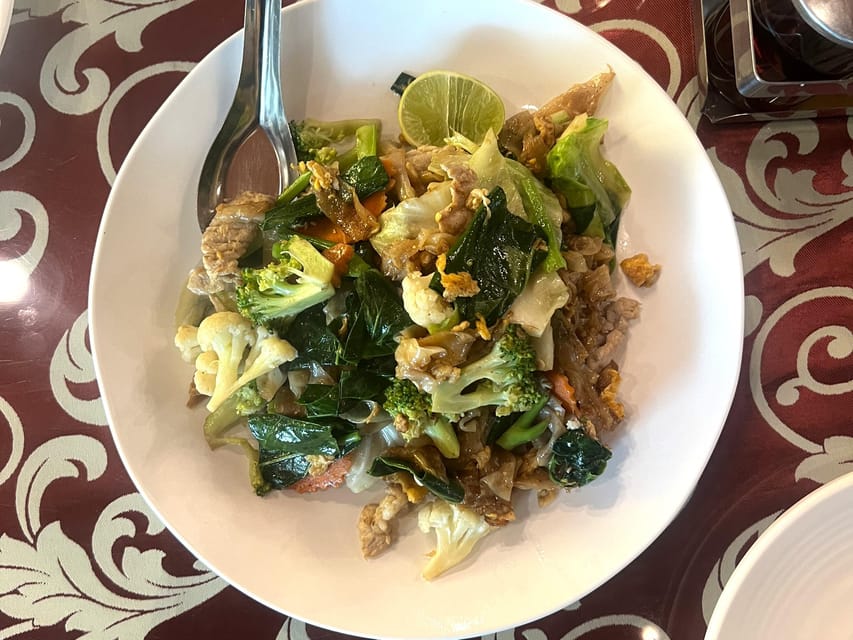
The tour also includes the famous fried rice you’ve probably heard about. This is a great “texture” dish to learn from—everything from wok aroma to crisp edges changes how fried rice tastes across stalls. Even if you think you already know it, street versions often surprise you.
Phat Kaphrao
Phat Kaphrao (Thai basil stir-fry) is one of those dishes that tells you a lot about Thai cooking. It’s not just savory; it’s aromatic, peppery, and typically built around bold chili-and-basil flavors. If you like meals that smell strong before you even take a bite, this is a key stop.
Mango sticky rice
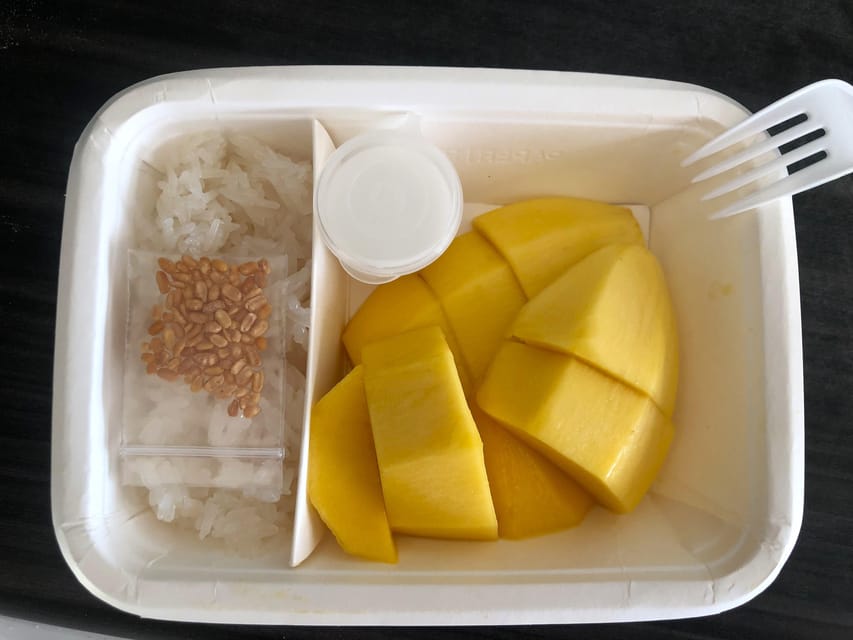
And then you get the sweet finish: mango sticky rice. It’s a reminder that Thai street food isn’t only spicy and savory. You’ll see how coconut and sweetness balance heat and salt elsewhere in your tastings.
The reason I’m emphasizing these dishes is because they’re good anchors. After the tour, you can order with more confidence. Instead of guessing what to ask for, you’ll know what you liked and what flavor direction you want next.
Temples, Street Food, and Guide Stories That Keep It Moving
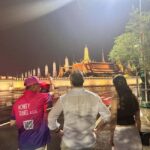
Near the temple areas, you get a different Bangkok mood. The tour doesn’t frame it as a quiet museum stop. It keeps the energy tied to food, but adds historical hindsight—small context points that help you understand why these food streets matter in Bangkok life.
That blend is valuable. Temples are easier to enjoy when you understand how the surrounding neighborhoods function. And street food is easier to enjoy when someone gives you context for what you’re eating and why people choose it.
You’ll also hear plenty of jokes—some guides are known for great or bad ones, which is exactly what you want on a walking food tour. Humor lowers the intimidation factor when you’re surrounded by smells you can’t name yet. It also keeps the group comfortable, especially if you’re trying new dishes back-to-back.
Price and Logistics: Is $34 Good Value for Food in Bangkok?
At $34 per person for a 3-hour tour with all food included, the price is easier to evaluate than a typical “walk and snack” deal. You’re not paying per dish. You’re paying for someone to (1) pick the stops, (2) get you into local eating spots, and (3) guide you through the experience with history context.
In Bangkok, eating street food can be cheap, but the savings stop when you factor in time and risk. If you’re figuring out where to eat alone, you can burn an afternoon and still end up in a place that’s aimed more at tourists than locals. This tour steers you toward the real spots, with tastings that range across noodle, stir-fry, fried rice, and sweet sticky rice.
The small-group limit (10 participants) also supports the value. If it were a huge crowd, you’d spend more time waiting and less time eating. Here, you keep the flow. The tour is also designed for walking, so you’ll get city orientation instead of only food.
If you want a straightforward food experience with less planning overhead, this price feels fair. If you want a self-guided meal crawl where you choose every stall, then you might prefer to go on your own. But for a first-time approach, $34 buys you direction.
Who Should Book This Tour (and Who Should Plan Around Preferences)
I think this tour fits best if you:
- are new to Bangkok and want a local food route you can revisit later
- enjoy eating a variety of Thai dishes within a short window
- like meeting people during tours and chatting while you walk (the group experience is part of the appeal)
It’s also a solid choice if you want a guide who can explain what you’re eating without making it feel like a lecture. The guide energy described for Laura and Estelle includes warmth and humor, and that style matters when you’re sampling multiple dishes quickly.
Now, the big caution: vegetarian preferences. The tour welcomes vegetarians, but Thai cuisine frequently uses meat, and some stops might be skipped or exchanged based on what you prefer. If you’re vegetarian for lifestyle reasons, you’ll want to communicate clearly before you order anything. If your tolerance is limited (like you want no meat at all), plan to be flexible with substitutions.
Should You Book No Diet Club in Bangkok?
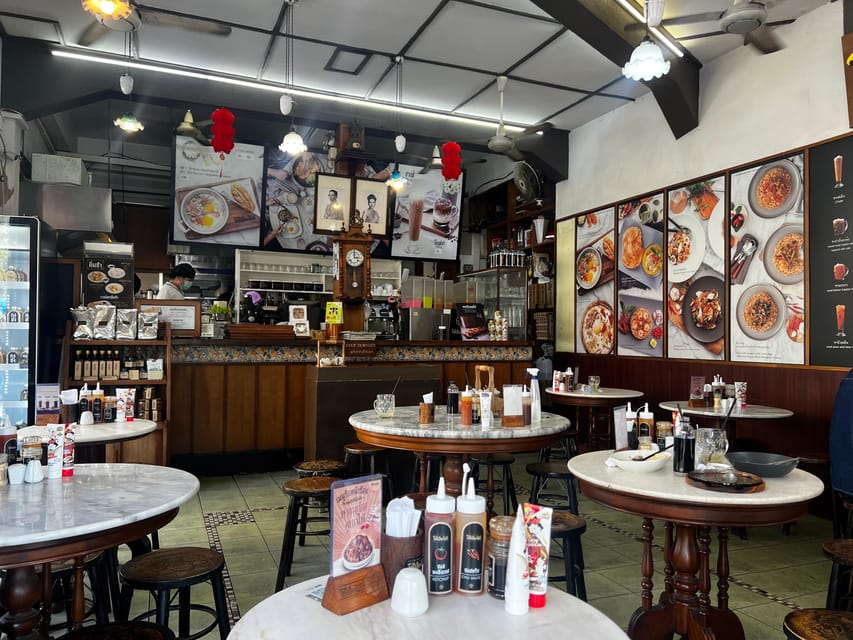
If you want a guided food route that covers major Bangkok food neighborhoods in three hours, with all tastings included, I’d book it. The structure is made for real learning: you taste key dishes like Pad Thai, fried rice, Phat Kaphrao, and mango sticky rice, while walking from Sam Yot through Chinatown, Little India, and temple-area streets.
Skip the tour only if you strongly dislike walking, you’re very sensitive to spices and chili (and you’d rather not adjust orders), or you need strict vegetarian meals without exceptions. For most people, though, it’s a smart way to eat first and plan later.
FAQ
Where does the tour start?
The tour starts at the metro station Sam Yot.
How long is the No Diet Club food tour?
It lasts 3 hours.
What does the price include?
The tour includes all the food.
How much does the tour cost?
The price is $34 per person.
What areas of Bangkok do you visit?
You walk between Chinatown, Little India, and temple areas.
What kind of dishes are included?
You’ll taste a mix of Thai favorites such as Pad Thai, fried rice, Phat Kaphrao, and mango sticky rice, plus other street-food styles with sauces and chili.
Is the tour guide available in English?
Yes, the tour has a live English tour guide.
Is this a small group?
Yes. The group is limited to 10 participants.
Does the tour end where it starts?
Yes, the tour ends back at the meeting point.
What should vegetarians expect?
Vegetarians are welcomed, but because Thai food often includes meat, some stops might be skipped or exchanged depending on your preferences.