REVIEW · EVENING EXPERIENCES
Night Street Food Tour of Bangkok’s Chinatown
Book on Viator →Operated by Bangkok Food Tours · Bookable on Viator
Chinatown smells like dinner. This 3-hour night walk gives you 12 tastings with a local food expert, plus real stories that connect Thai-Chinese food to Yaowarat’s history. I especially like how the pace stays practical: you eat, learn, and move on without feeling rushed. One thing to factor in: there’s no vegetarian or halal option, and the tour isn’t suitable if you can’t have seafood.
You’ll meet near Hua Lamphong MRT at 6:00 pm, then return to the same area when you’re done. It’s a straightforward plan for first-time visitors who want to get oriented fast, but it also means you should plan your own way to the meeting point (hotel pickup is not included).
In This Review
- Key highlights worth planning for
- Chinatown at night: what this tour actually feels like
- Price and value: what $58.70 buys you in real terms
- Where to meet (and why you should double-check pickup expectations)
- The core experience: walking the food route and learning Yaowarat
- The 12 tastings, in the order you’ll experience them
- Stop 1: Pa’jin cockle texas yaowarat for tomato soup noodles
- Stop 2: A Chinatown/Yaowarat dim sum tasting
- Stop 3: Chinese herb drink
- Stop 4: Seafood at a Yaowarat stall
- Stop 5: Pa’jin cockle texas yaowarat for crispy pork peppery noodles
- Stop 6: Thai ice cream for a cool-down
- Stop 7: Black sesame dumpling in ginger soup
- The landmark stop: Wat Tri Mitr and the Golden Buddha connection
- The guide factor: why people remember this one
- What to bring, and how to get the most out of your tasting night
- Who this tour suits best (and who should skip it)
- Should you book this Chinatown night food tour?
- FAQ
- What time does the tour start?
- Where do I meet the guide, and where does the tour end?
- How long is the Chinatown night food tour?
- How many food tastings are included?
- Is hotel pickup and drop-off included?
- Does the tour have vegetarian or halal options?
- What is the cancellation policy?
Key highlights worth planning for
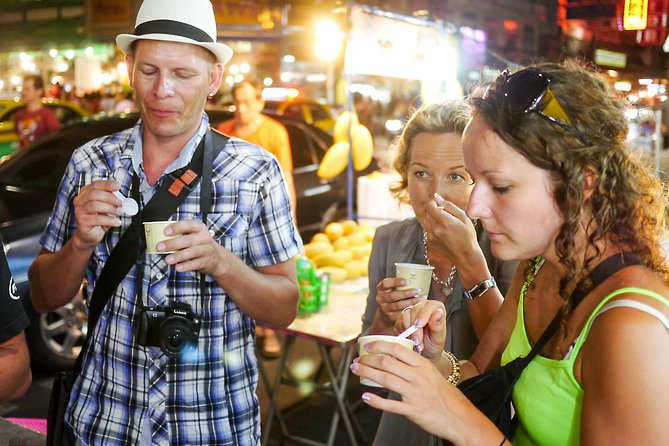
- 12 stops that add up to a big dinner (not just small bites)
- Thai-Chinese food lessons in plain language, while you walk Yaowarat at night
- A licensed guide who also helps with your bearings, including transit-style questions in past groups
- Dish variety across soup, dim sum, seafood, noodles, and dessert, so you don’t repeat flavors all night
- Landmark timing that mixes food with culture, including Wat Tri Mitr (Temple of the Golden Buddha)
Chinatown at night: what this tour actually feels like
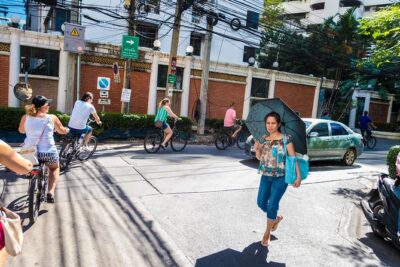
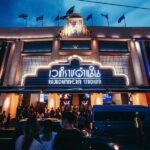
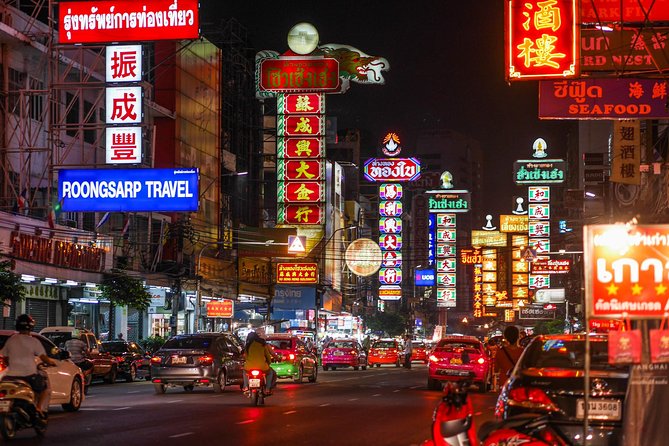
Bangkok’s Chinatown, also known as Yaowarat, is one of those places where your first instinct is to follow smells and crowds. The problem is that in a neighborhood like this, “good-looking” doesn’t always mean “good-to-eat.” This tour solves that by putting you with a local guide who decides what’s worth your time and what you should try next.
The biggest win for me is the combination of food and context. You’ll taste classic Thai-Chinese dishes, but you’ll also get the why behind them: the way Chinese merchants shaped the area in the late 18th century, and how Thai flavors got folded into the menu over time. That turns dinner into a mini orientation to the neighborhood.
The other big win is sheer usefulness. You’re walking with a plan, you’re not guessing where to stand, and you’re not trying to decode menus in the middle of a busy street. Even if you’ve never done street food before, this is designed so you can keep up.
You can also read our reviews of more food & drink experiences in Bangkok

Price and value: what $58.70 buys you in real terms
At $58.70 per person for about 3 hours, you’re not paying for a fancy restaurant meal. You’re paying for a guided tasting circuit: a professional licensed guide, local taxes, bottled water, and tastings at 12 locations.
Here’s why that matters for value: street food tastings are often “cheap per bite,” but they add up fast when you have to track each place down yourself and still end up with duplicates (same noodle, same topping, different stall). With this tour, the selection is handled for you, and the total quantity is meant to be enough for a hearty dinner.
One more practical note: the average booking window is about 26 days in advance, which usually signals this is popular during peak visiting times. If Chinatown is on your must-do list, it’s smart to lock in your spot rather than hope for a last-minute slot.
Where to meet (and why you should double-check pickup expectations)
This is an MRT-based tour. You’ll meet at/near Hua Lamphong MRT with your guide, and you’ll come back there at the end. The meeting point is listed by Bangkok Centre Hotel on Thanon Rama IV, but the key is that you’re expected to be at the MRT area, not picked up from your hotel.
So if your hotel is far from Hua Lamphong, plan extra time for your own transit. The upside is that once you’re done, getting onward is easy: you’re already near a rail station.
The core experience: walking the food route and learning Yaowarat
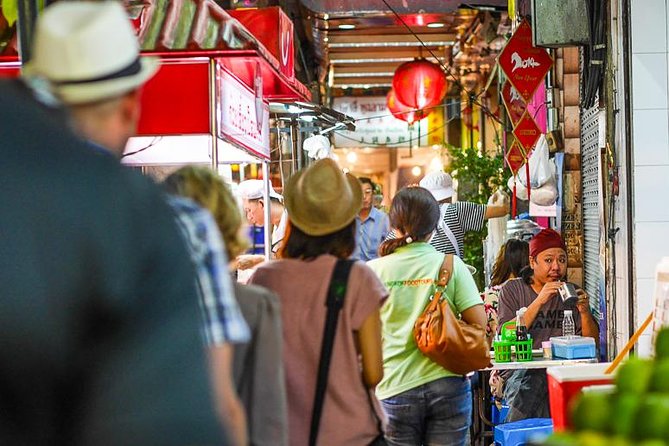
Expect a nighttime walking tour focused on Thai-Chinese flavors. Your guide will talk as you go—about Chinatown cuisine, neighborhood history, and the cultural meaning behind certain dishes and ingredients. Along the route, you’ll also see key landmarks, including Wat Tri Mitr, the Temple of the Golden Buddha.
The tour is built around a simple idea: each stop gets you one clear taste, and the guide connects it to the bigger picture of how Thai and Chinese cooking meet here. That’s helpful because it trains your palate for what to look for when you wander on your own later.
The 12 tastings, in the order you’ll experience them
You’ll move from stall to stall, usually spending around 10 to 30 minutes per stop depending on the dish. A useful way to think about it: you’re eating across several categories—soups, noodles, seafood, drinks, and dessert—so your night doesn’t turn into one long stream of the same flavor.
You can also read our reviews of more tours and experiences in Bangkok
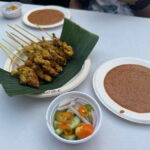
Stop 1: Pa’jin cockle texas yaowarat for tomato soup noodles
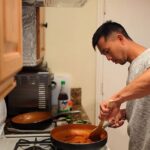
You start with noodles in tomato soup with fish balls. It’s a solid kickoff dish because it sets a savory base early, and fish balls are a familiar texture even if you’re new to the neighborhood’s style of street food.
Stop 2: A Chinatown/Yaowarat dim sum tasting
Next you get a few dim sum bites. This is a good mid-intro stop: dim sum helps you spot the Chinese cooking influence, and the guide’s explanations help you understand what makes a bite “right” even when you’re not reading every ingredient on the spot.
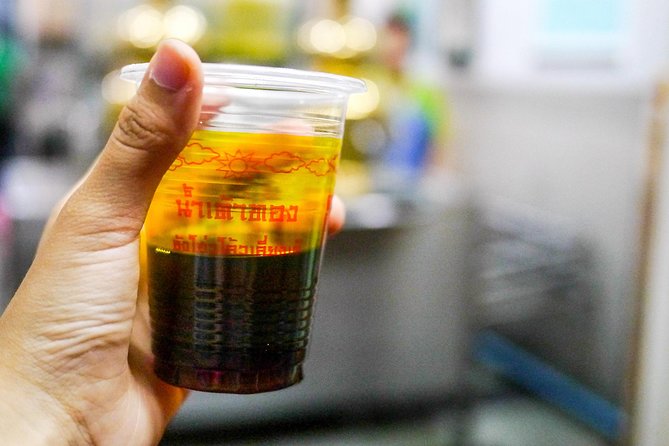
Stop 3: Chinese herb drink
Then comes a Chinese herb drink. This is one of those tastes that can be a turning point for some people: it’s not meant to be sweet and candy-like, and it’s often more about medicinal or digestive reputation. If you like trying drinks that aren’t just juice or soda, you’ll enjoy this moment.
Stop 4: Seafood at a Yaowarat stall
You’ll have a seafood dish. This part of the tour is exactly why the tour is marked not suitable for anyone who can’t have seafood. If you can eat seafood, this is where you’ll notice how Thai flavors show up next to Chinese methods.
Stop 5: Pa’jin cockle texas yaowarat for crispy pork peppery noodles
One of the most “Bangkok” stops follows: roll noodles in peppery soup with crispy pork. Peppery soup plus crispy pork gives you a mix of heat, aroma, and texture. It’s the kind of dish that makes you understand why this area is famous for night eating.
Stop 6: Thai ice cream for a cool-down
Then you get Thai ice cream (described as a flavor served during the tour). It’s a practical reset. After salty and spicy bites, something cold and creamy helps keep the rest of the tour enjoyable.
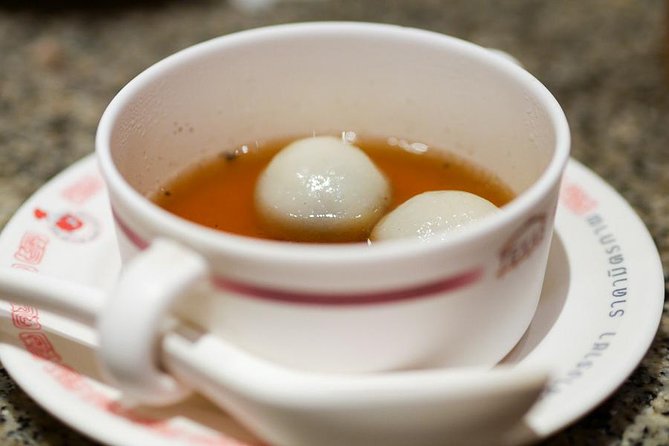
Stop 7: Black sesame dumpling in ginger soup
You end this tasting run with black sesame dumpling in ginger soup. It’s warm, comforting, and sweet in a way that feels like a night finale rather than a random dessert stop. Ginger also helps balance the richness.
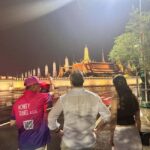
The landmark stop: Wat Tri Mitr and the Golden Buddha connection
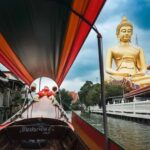
Food tours can sometimes feel like a string of stalls with minimal context. Here, the guide builds in culture—particularly around Chinatown’s identity. You’ll stop by Wat Tri Mitr, the Temple of the Golden Buddha.
Even if you’re not a deep temple-spotting person, this is a good add-on because it gives the night more shape. You’re not only eating; you’re seeing how the neighborhood’s cultural centers sit alongside the food streets.
The guide factor: why people remember this one
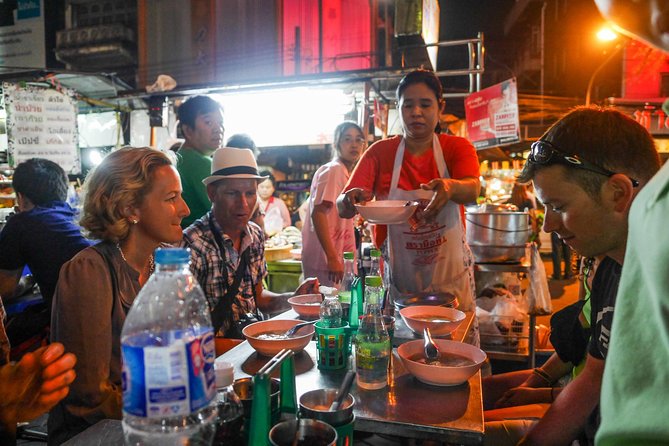
The strongest theme from past groups is the guide’s role in making everything click. Multiple guides in different groups are praised for connecting the food to Thai culture and Chinatown history, and for handling the street reality well—busy sidewalks, crowded intersections, and the need to keep moving without losing people.
If you’re the type who asks questions, this tour seems designed for you. Past groups mention answers not only about dishes, but also practical transit help, including help with figuring out subway navigation and app-based ride options.
Look for names like Nudi or Alice if you see them as the guide listed for your departure window—those names show up repeatedly in the kind of feedback that matters for food tours: clear explanations, good attention to the group, and smart routing.
What to bring, and how to get the most out of your tasting night
This is a walking tour at night. That means your comfort matters more than your outfit.
I recommend:
- Comfy shoes you can walk in for a few hours
- A bottle of water mindset, even though bottled water is included (you may want extra later)
- A light plan for eating: you’ll likely get full, so avoid scheduling a heavy meal beforehand
- If you have dietary restrictions, be honest early. The tour notes no vegetarian and halal options, and it’s not suitable for people who can’t eat seafood
Also, go in with curiosity rather than a checklist. The guide’s job is to introduce you to Chinatown favorites. Your job is to follow along and try what’s offered, even if you’re unsure at first.
Who this tour suits best (and who should skip it)
This is a strong match if you:
- Are a first-timer in Bangkok and want a structured way into Chinatown at night
- Like street food but don’t want to guess which stalls are worth your time
- Enjoy tours where the guide connects food to culture and neighborhood history
- Want enough food for a full meal without eating at random
You may want to skip or choose something else if you:
- Can’t eat seafood
- Need vegetarian or halal-friendly choices
- Prefer a quieter, less “street” style of sightseeing (this is a walking food route)
Should you book this Chinatown night food tour?
If Chinatown is on your list and you want a dinner that comes with context, I think this is a smart booking. The 12-tasting format and the licensed guide make it efficient value, especially if you’re worried about missing the best places on your own.
I’d book it if you’re comfortable eating Thai-Chinese dishes, including seafood, and you’re okay meeting at the MRT area rather than waiting for hotel pickup.
But if you need vegetarian/halal options or you can’t do seafood, save yourself the disappointment and look for a different tour style.
FAQ
What time does the tour start?
The tour starts at 6:00 pm.
Where do I meet the guide, and where does the tour end?
You meet near the Hua Lamphong MRT station (the meeting point is listed by Bangkok Centre Hotel on Thanon Rama IV). At the end, the tour concludes with you walking back to the Hua Lamphong MRT station.
How long is the Chinatown night food tour?
The duration is about 3 hours.
How many food tastings are included?
You’ll enjoy tastings at 12 locations, with enough food for a hearty dinner.
Is hotel pickup and drop-off included?
No. Hotel pickup and drop-off are not included. The tour uses MRT-based meeting and ending points.
Does the tour have vegetarian or halal options?
No. There is no vegetarian and halal option.
What is the cancellation policy?
This experience is non-refundable and cannot be changed for any reason. If you cancel or ask for an amendment, the amount you paid will not be refunded.