REVIEW · FOOD
Bangkok Electric Tuk Tuk: Thonburi, Wang Lang & Food Tour
Book on Viator →Operated by Intrepid Urban Adventures - Thailand · Bookable on Viator
Quiet tuk-tuks, loud smells, fast facts. This half-day Bangkok tour strings together Thonburi backstreets with real stops for food and local crafts, then ends at Pak Khlong Talat when the flowers start turning into a full-on sensory event. I like the way you travel by quieter electric tuk-tuk instead of getting jostled through traffic. I also love that you’re not just seeing markets from a distance—you’re sampling snacks along the way. One heads-up: there’s no hotel pickup, and you’ll do about 1.5 km walking plus a big chunk of ride time.
The route is built for a smooth afternoon arc: you start near Sanam Chai at 2:00 pm, ride into Thonburi for temples and the Baan Bu stoneware pottery community, stop at Thonburi Train Station (steam locomotives on display), then shift to Wang Lang Market for food and palace views across the river. You’ll finish with the Chao Phraya Express boat crossing and end at Pak Khlong Talat to see Thailand’s busiest flower distribution center. Guides like Pam, Pat, Bo, and Pe-Pae get specifically called out for keeping things moving at a good pace and for answering questions as you go—so you’re not just following a route.
In This Review
- Key things I’d watch for before you go
- Electric tuk-tuk in Bangkok: why this route feels better
- Where you meet and how the afternoon starts (Sanam Chai)
- Thonburi by electric tuk-tuk: temples you’ll actually notice
- Baan Bu stoneware pottery: what you’re learning beyond souvenirs
- Thonburi Train Station steam locomotives: an engineering pause
- Wang Lang Market: your food tastings and the Grand Palace view
- Riverside café break: why it helps the whole schedule
- Chao Phraya Express boat crossing: the easy way to read Bangkok
- Pak Khlong Talat flower market: the 24-hour finale
- Price and value: is $65.03 worth it?
- Who this tour fits best (and who should rethink)
- Should you book the Bangkok Electric Tuk Tuk: Thonburi, Wang Lang & Food Tour?
- FAQ
- What’s the duration of the Bangkok Electric Tuk Tuk tour?
- Where do I meet, and when does it start?
- How much walking is involved?
- What’s included in the food during the tour?
- Do they offer vegetarian options?
- Is hotel pickup included?
- Can I cancel for a full refund?
Key things I’d watch for before you go
- All-electric tuk-tuk rides make this feel less chaotic than typical Bangkok street touring
- Wang Lang Market food includes tastings that add up to a full meal, not random nibbles
- Baan Bu stoneware pottery is a hands-on cultural stop tied to a long-running artisan community
- Chao Phraya Express boat crossing helps you see Bangkok from the water without planning
- Pak Khlong Talat is 24/7, so timing matters and you should arrive with patience for crowds and smells
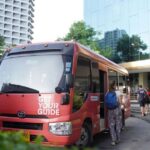
Electric tuk-tuk in Bangkok: why this route feels better
Bangkok traffic can turn a “quick sightseeing plan” into a stress test. An electric tuk-tuk helps because it’s quieter and easier to handle on narrower lanes, especially in Thonburi where roads can feel more local and less grid-like.
What also works here is the size and pacing. This tour runs with a maximum of 9 people, so your guide can actually steer the group, answer questions, and slow down when a market moment is worth it. You’re not stuck in a bus lineup trying to hold your phone steady through stop-and-go chaos.
If you’re hoping for a big checklist day packed with every famous landmark in Bangkok, this isn’t that. This is a “real neighborhoods + food + crafts + markets” plan, with a couple of key sights to anchor it.
You can also read our reviews of more food & drink experiences in Bangkok
Where you meet and how the afternoon starts (Sanam Chai)
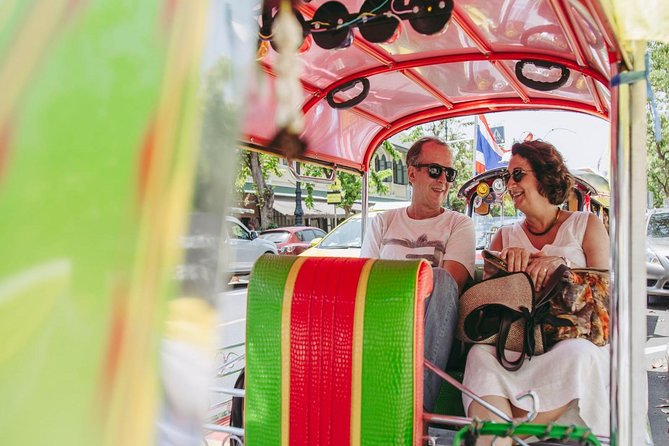
You meet at Sanam Chai (near the meeting point listed on the tour page) at 2:00 pm. Expect to find your group and climb aboard the tuk-tuk with no hotel pickup included.
That means you’ll want to plan your trip to the meeting area like it matters. Public transport can work well in central Bangkok, but you may still end up using a short cab/taxi ride depending on where you’re staying and the time of day. One practical tip: wear shoes you can walk in comfortably, because by the end of the tour you’ll have done about 1.5 km of walking.
After you’re seated, you’ll get the tour rhythm explained. The guide’s job is not just pointing at places—it’s helping you understand what you’re seeing and where to focus your attention while you’re moving.
Thonburi by electric tuk-tuk: temples you’ll actually notice
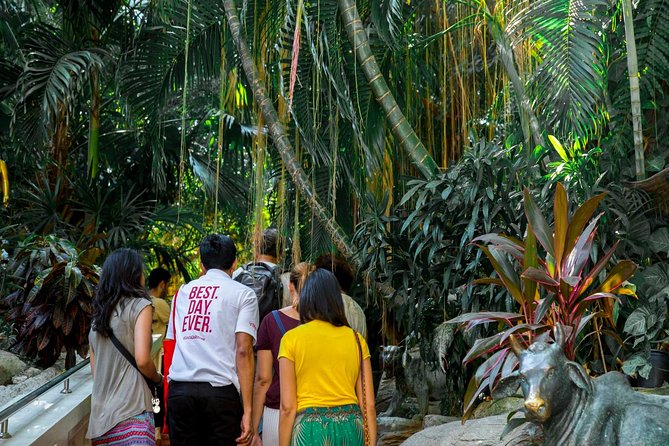
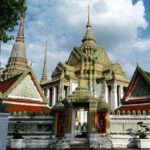
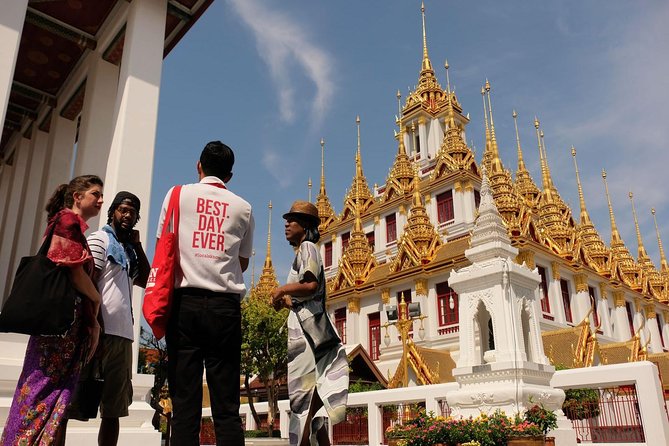
Your first stretch focuses on Thonburi, the riverside side of Bangkok with a different vibe than the grid-heavy downtown areas. You’ll pass temples and learn what makes this district important, including time around Wat Arun in the Thonburi sweep.
Passing by temples can sound like a “drive-by tour.” Here, it’s more useful than it sounds because the tuk-tuk can get you close to streets and viewpoints that large vehicles struggle with. You’re also moving at a human pace, so your guide can point out details—materials, layout, and how the river geography shaped settlement here.
If you’re temple-focused, you’ll likely like the contrast: brief, guided views now, then longer market and food stops later. If your dream is a full classic grand-palace day, don’t assume it’s included. The plan centers more on Thonburi and markets than on the main royal complex.
Baan Bu stoneware pottery: what you’re learning beyond souvenirs
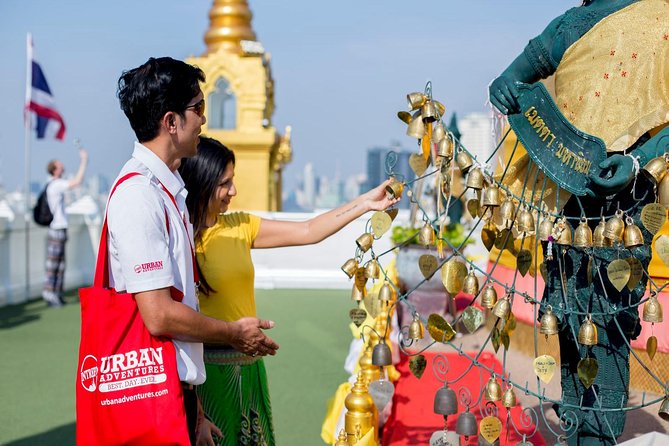
One of my favorite parts of the route is the stop at the Baan Bu traditional community. This isn’t framed as a quick sales stop. You’re there to see how artisans have been crafting stoneware pottery for generations—described as over 200 years and continuing through multiple generations of the community.
This kind of stop is valuable because it teaches you what to look for in Thai ceramics, even if you don’t buy anything. You’ll also understand why some pieces cost more: not because of branding, but because the making process takes skill and time.
Watch for how the guide connects the craft to everyday life in the neighborhood. That’s where the visit becomes more than a photo opportunity. If you like cultural stops that feel tied to real work, Baan Bu is a high point.
Thonburi Train Station steam locomotives: an engineering pause
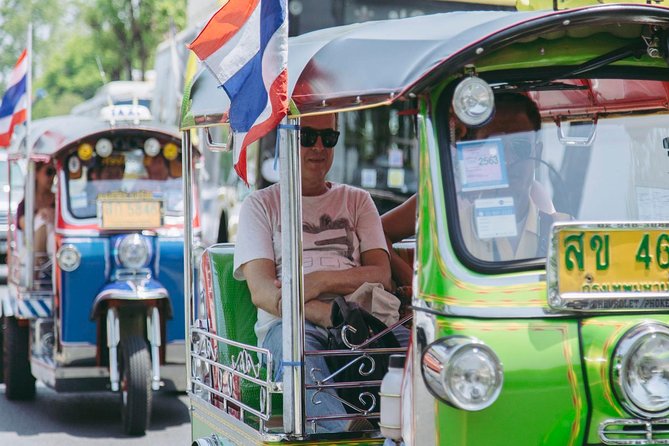
Next up is Thon Buri Train Station, opened in 1906. The standout here is that some of the city’s historic steam locomotives are still housed at the station, and you get a chance to learn about their significance and engineering.
This is the kind of stop that’s easy to skip if you’re doing Bangkok on autopilot. But it’s actually a smart breather in the afternoon: you get a change of pace from temples and markets, and you’ll walk away with a clearer sense of how Bangkok’s transportation grew.
If you’re into trains, model engines, or how infrastructure shapes cities, you’ll probably enjoy this stop a lot. If trains aren’t your thing, just use it as a calm window to recharge before the food-heavy part of the day.
You can also read our reviews of more tours and experiences in Bangkok

Wang Lang Market: your food tastings and the Grand Palace view
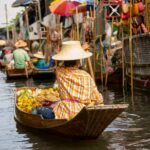
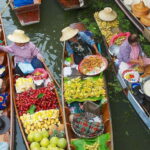
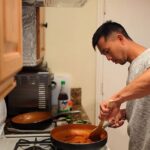
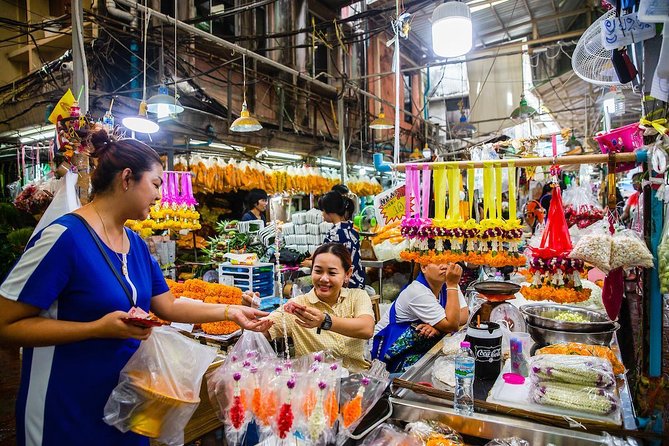
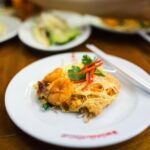
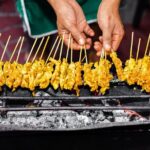
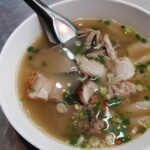
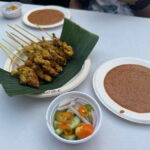
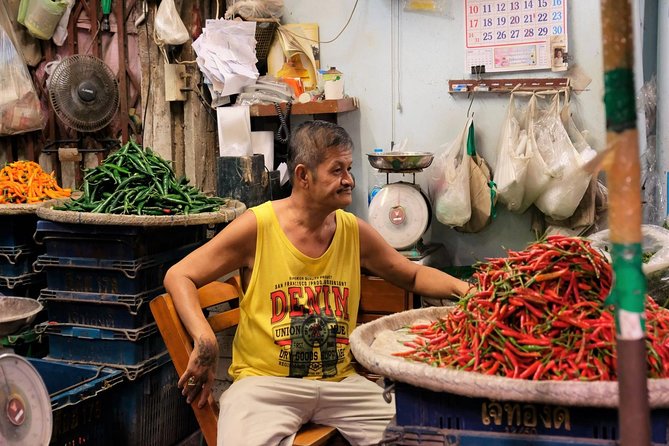
Wang Lang Market is where the tour turns from sightseeing into eating. You’ll sample local cuisine from vendors—things like fried pork with sticky rice, Thai desserts, and kanom bueng are specifically listed as part of the included food.
What I like about this approach: the food amount is planned so it adds up to a full meal, even though portion sizes can vary by season and by where you stop. So you’re not stuck with just two bites and a “good luck” attitude.
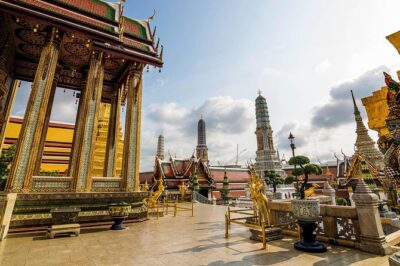
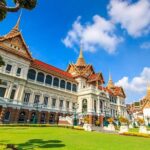
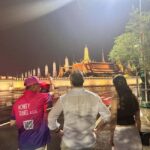
You’ll also get a memorable view element. From this area, you can see The Grand Palace across the Chao Phraya River. You don’t have to fight crowds at the palace gates to understand why people build their lives around this riverfront.
If you have vegetarian needs, the tour states it can cater to vegetarians, but it won’t cover other dietary requirements. If you’re anything beyond vegetarian, plan to eat carefully outside the included tasting menu.
Riverside café break: why it helps the whole schedule
After the market and food, you’ll pause at a riverside café for coffee or tea while you take in the views. This isn’t an extra you can skip without consequences—the break helps you absorb everything you just ate and walked past.
It also helps with decision-making. At this point in the tour, you’ve already seen temples, a craft community, and a transport stop. The café break is where your guide can point out what to focus on next so you finish the tour confident, not rushed.
Use this moment to slow down. If you’re the type who takes photos nonstop, this is your best time to do it without rushing the next step.
Chao Phraya Express boat crossing: the easy way to read Bangkok
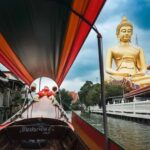
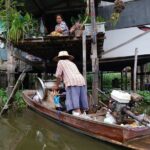
You’ll walk back to Pran Nok Pier, then take the Chao Phraya Express Boat to Sapan Phut Pier. The boat ticket is included, and it’s one of the easiest ways to experience Bangkok’s river without trying to decode schedules mid-day.
This crossing matters because it changes your perspective. From the water, you can connect the dots between Thonburi’s riverside feel and the palace-area skyline you saw from the market.
Practical point: plan to keep your stuff secure and be ready for a bit of movement on and off the boat. It’s not extreme, just enough to remind you this is real public transit, not a private river cruise.
Pak Khlong Talat flower market: the 24-hour finale
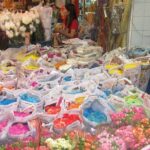
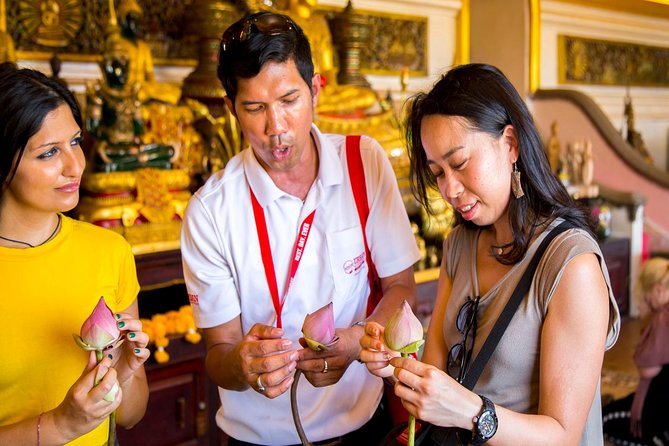
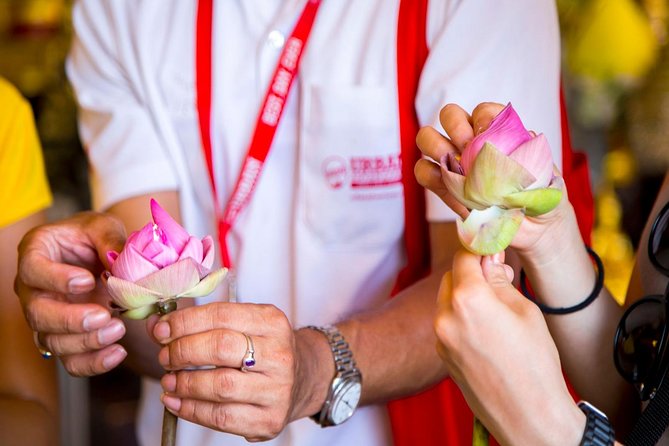
Your tour ends at Pak Khlong Talat, Thailand’s biggest flower market, open 24 hours a day, 7 days a week. This matters because it works like a distribution center as well as a place where people buy flowers—blooms are shipped in, sorted, and then sent to other cities.
The smell hits first. Then you’ll notice the scale: stalls stacked with varieties you might never see elsewhere in Bangkok. And because it’s a functioning hub, not just an attraction, it feels like you’re seeing supply chain life in real time.
Time here can feel intense since you’re wrapping up the tour. If you want to browse, keep your pace measured: pick a few standout sections, then come back for photos. Trying to cover everything at once usually leads to rushed, blurry memories.
Price and value: is $65.03 worth it?
At $65.03 per person (for about four hours), this tour lands in the mid-range for Bangkok. Whether it feels like a deal depends on what you’d otherwise do in that time.
Here’s what you’re getting for the money:
- an all-electric tuk-tuk with a guide
- visits tied to Thonburi, including temples and Baan Bu pottery
- food tastings that are meant to equal a full meal
- a planned coffee/tea stop with river views
- the Chao Phraya Express boat crossing
If you were doing this on your own, you’d likely spend money on transport one way or another, then pay for a guide to make sense of the craft and market details. The food component is also a big deal. Sampling street food safely and confidently with someone guiding you through what to try often costs less than you’d expect, and it’s less stressful than buying blindly.
My bottom line: if you like markets and street food and you want a structured way to move between them, this price feels fair. If your goal is only famous landmarks, you’ll probably feel like it’s too focused on neighborhoods and food.
Who this tour fits best (and who should rethink)
This tour is a great fit if you:
- want a half-day plan with small-group dynamics (max 9)
- like eating your way through local markets, not just photographing them
- enjoy craft and culture stops like Baan Bu pottery
- want an easier way to use the Chao Phraya river system via the express boat
It may be less ideal if you’re:
- hoping for a full “royal palace day” style itinerary (this plan is more Thonburi + markets)
- very sensitive to walking and plan to rely entirely on a vehicle the whole time (about 1.5 km walking is part of the deal)
- expecting hotel pickup and door-to-door convenience (you meet at Sanam Chai)
Should you book the Bangkok Electric Tuk Tuk: Thonburi, Wang Lang & Food Tour?
I’d book it if you want a smart afternoon that blends electric tuk-tuk travel, local food, and markets you’ll remember by smell and flavor—not just by name. The route is designed to connect river geography, community crafts, and market life without making you plan every ticket and transfer.
I’d skip or substitute if you only care about the biggest-ticket royal sights, or if you dislike market crowds and want quieter, timed-entry sightseeing. Also, if your dietary needs go beyond vegetarian, double-check your options before you commit.
If you do book, go hungry, bring comfortable shoes, and give yourself permission to linger at the stops that click. This tour works best when you treat it like a half-day walk-through of everyday Bangkok, guided with just enough structure to keep you from getting lost.
FAQ
What’s the duration of the Bangkok Electric Tuk Tuk tour?
The tour runs for about 4 hours.
Where do I meet, and when does it start?
You meet at Sanam Chai and the start time listed is 2:00 pm.
How much walking is involved?
The tour covers about 2 hours of tuk-tuk ride time and roughly 1.5 km (about 1 mile) of walking.
What’s included in the food during the tour?
You’ll sample authentic local cuisine, and the tour states the total amount of food included equals a full meal. Food options can vary by season.
Do they offer vegetarian options?
Yes, the tour can cater for vegetarians. It only lists vegetarian support and does not mention other dietary requirements.
Is hotel pickup included?
No. Hotel pickup and drop-off are not included, and you meet at the central Sanam Chai meeting point.
Can I cancel for a full refund?
Yes. You can cancel up to 24 hours in advance for a full refund. Canceling with less than 24 hours’ notice isn’t refundable.