REVIEW · FLOATING & RAILWAY MARKET DAY TRIPS
From Bangkok : Thaka Floating Market
Book on Viator →Operated by Bigcountry Experience · Bookable on Viator
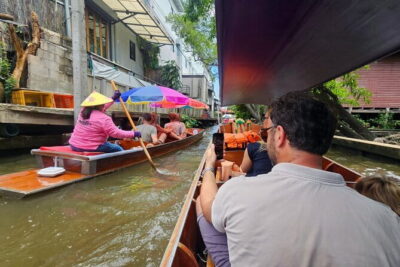
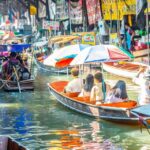
Boats, sugar, and real canal life. This Bangkok day trip to Thaka Floating Market is a nice break from city noise, with time on the water and a stop that shows how coconut sugar is made. You’ll see vendors working wooden boats along a palm-lined canal, with goods like lotus blossoms, coconuts, and handmade crafts.
I especially like the hassle-free hotel pickup and private transfers that keep the day stress-light. I also like the authentic market feel, where you’re not only looking at stalls, you’re around the rhythms of local buying and selling.
One thing to consider: meals aren’t included, so you’ll want to budget for food or plan to snack during the market. Also, the listed dress code is formal, which can feel like a strange rule on a warm day.
In This Review
- Key Things You’ll Notice on This Day Trip
- Why Thaka Floating Market Feels More Like Daily Life Than a Show
- Getting Out of Bangkok: 7:30am Start, Pickup, and a Smooth Pace
- River City Bangkok: A Useful Warm-Up Stop for Arts, Antiques, and Meeting Ease
- Coconut Sugar Farm Stop: How Local Palm Sugar Fits Into the Day
- Tha Kha Floating Market: Boats, Lotus Blossoms, Bargaining, and Snacks
- Samut Songkhram Area: Canals, Irrigation, and Coastal Influence
- Guides and the Private-Tour Advantage: From Quick Answers to Better Shopping
- Price and Value: Is $112.94 Per Person Fair for This 6-Hour Day?
- Who This Tour Suits Best (And Who Might Want Another Option)
- Should You Book This Thaka Floating Market Day Trip?
- FAQ
- What time does the Thaka Floating Market day trip start?
- How long is the trip?
- What’s included in the price?
- Are meals included?
- Is this a private tour?
- What is the cancellation policy?
Key Things You’ll Notice on This Day Trip
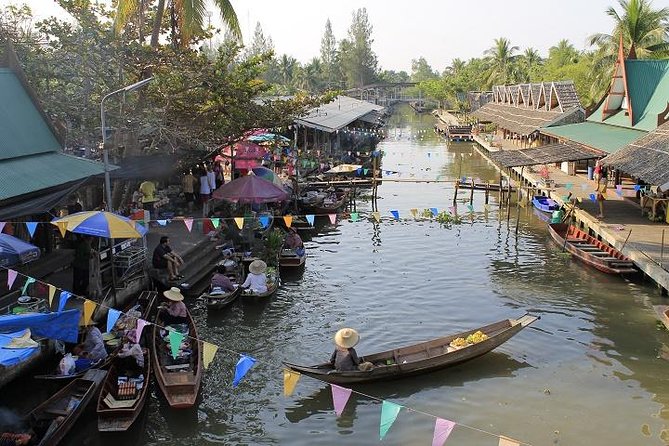
- Coconut sugar farm demo: watch local production and learn how it fits into everyday work
- Short, efficient orientation at River City Bangkok: a cultured arts-and-antiques stop near your meeting spot
- Time on the canal at Tha Kha Floating Market: around 1.5 hours to browse, bargain, and eat
- Wooden boats loaded with lotus blossoms and coconuts: the visual detail is part of the experience
- Private-tour pace with less crowd pressure: you’re not stuck in a huge group shuffle
Why Thaka Floating Market Feels More Like Daily Life Than a Show
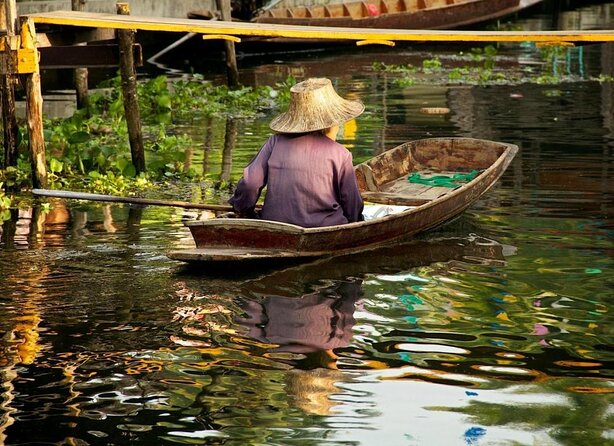
A floating market can go two ways. It can feel like a stage, built for photos. Or it can feel like a working neighborhood, where people show up because it’s useful.
Thaka Floating Market (Tha Kha Floating Market) leans toward the second option. The key is where it is and how the day is framed: you’re going to an area where locals still farm and do agricultural work, then bring produce and other items to sell. That’s why the boats and canal scenes don’t feel purely decorative. You’re watching commerce that’s actually tied to livelihood.
The market setup also helps. You’ll spend about 1 hour 30 minutes on the water. That’s long enough to slow down, browse at a human pace, and talk with vendors rather than just passing through. And because the day includes a stop at a coconut sugar farm, you get context before you see the food and handmade goods on boats. It connects the dots between ingredients, local production, and what ends up for sale.
If you like markets that feel practical and lived-in, this is a strong match. If you want only polished tourist entertainment, you might find it pleasantly plain.
You can also read our reviews of more shopping tours in Bangkok

Getting Out of Bangkok: 7:30am Start, Pickup, and a Smooth Pace
Your day begins at 7:30 am, which is a gift if you dislike long waits and traffic lottery. With one-way hotel pickup included, you’re not hunting for meeting points or trying to coordinate with rides while half-awake.
This trip also includes a driver/guide and private transfers, which matters more than you might think. In Bangkok, time evaporates fast. Here, your transport is handled, so your energy stays on the actual day plan: River City Bangkok, the coconut sugar farm, then the canal.
Duration is listed at about 6 hours, which is a realistic length for a half-to-three-quarter day. It gives you room to enjoy the market without turning the day into a marathon. Still, it’s long enough that you’ll want to plan for comfort and hydration. Bottled water is included, which helps.
Also note the tone of the experience: it’s described as a private tour/activity where only your group participates. That often means fewer people to compete with for guide attention. It’s a good fit when you want questions answered on the spot, especially around food, bargaining, or local routines.
River City Bangkok: A Useful Warm-Up Stop for Arts, Antiques, and Meeting Ease
Before you head out toward the water, you’ll meet at River City Bangkok, a cultured lifestyle center known for arts and antiques. The time here is about 30 minutes, and admission for this stop is listed as free.
So what is this stop doing in the day?
It’s partly practical: it’s a clear meeting point with an atmosphere that feels different from typical arrival points. That helps the start of the day feel organized and calm.
It’s also a light culture pause. River City Bangkok is described as having galleries, international exhibitions, artist talks, and even film showings. You probably won’t spend the whole day museum-shopping, but having a place like this at the beginning keeps things from feeling rushed.
One small tip: if you want to use this time to get your bearings fast—restrooms, quick snack, or just mentally switching from city to countryside—this half hour is handy. It’s enough to settle without eating up the day’s main draw.
Coconut Sugar Farm Stop: How Local Palm Sugar Fits Into the Day
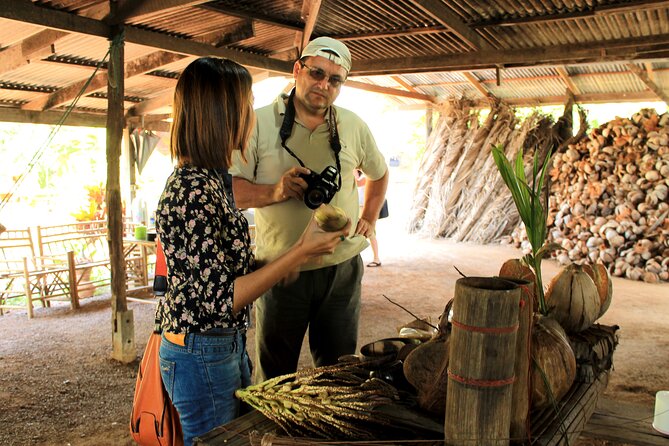
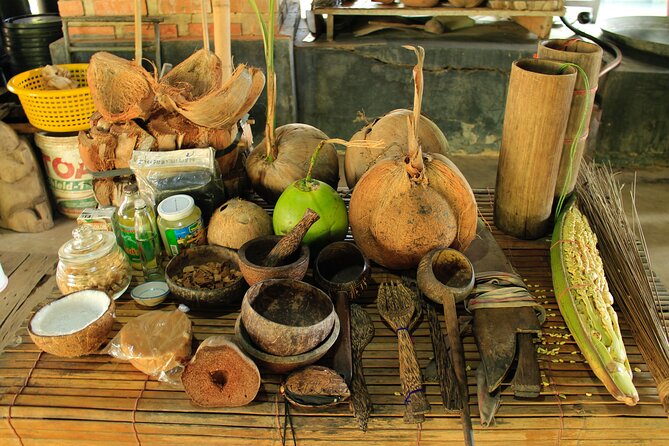
The coconut sugar farm stop runs about 20 minutes, and it’s included with free admission.
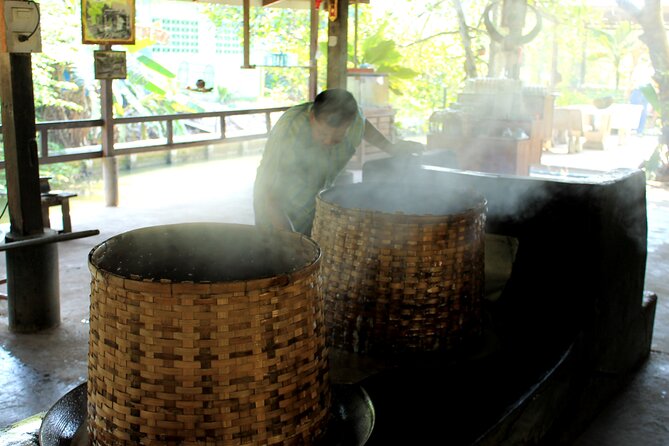
This is where the tour shifts from “look at the market” to “understand the ingredients and the work behind it.” You’ll watch local people making coconut sugar. Even without turning it into a classroom, seeing the production process helps you recognize what you’re likely to encounter later—sweets, syrups, and the sort of flavors that show up when vendors sell prepared items.
It’s also a short enough stop that it won’t drag your schedule. Twenty minutes is just right for observation: watch the process, ask what you can, then move on with fresh context.
What I like most about this kind of stop is that it changes your shopping behavior at the floating market. Instead of treating everything like souvenirs, you start asking practical questions: What’s made here? What’s labor-intensive? Why is one item priced differently? That can make your bargaining feel more fair and less random.
If you enjoy food production—how ingredients become products—this stop is a clear win.
Tha Kha Floating Market: Boats, Lotus Blossoms, Bargaining, and Snacks
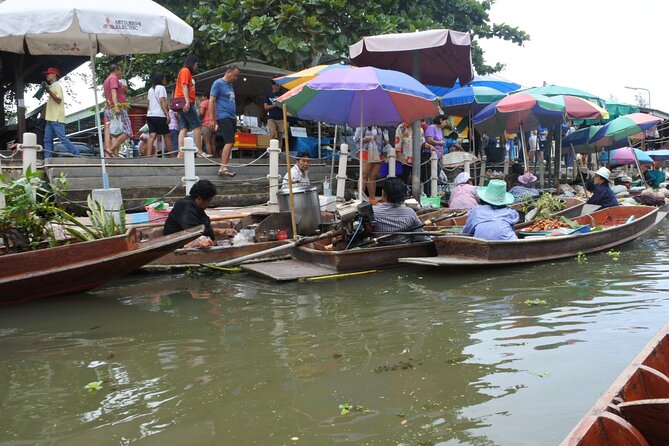
This is the heart of the day, with about 1 hour 30 minutes at Thaka Floating Market in Tambon Thaka.
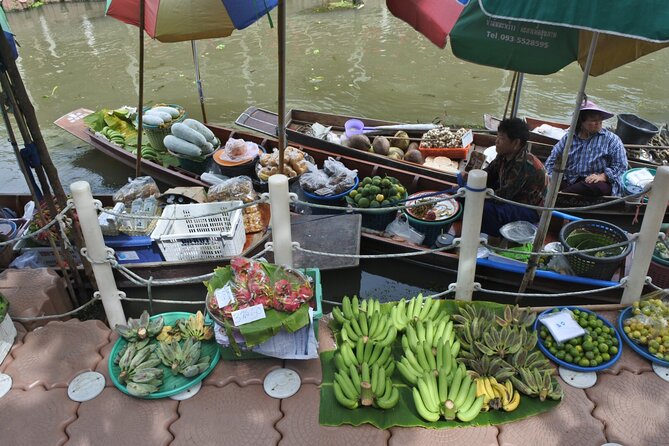
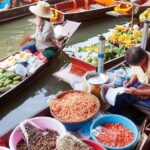
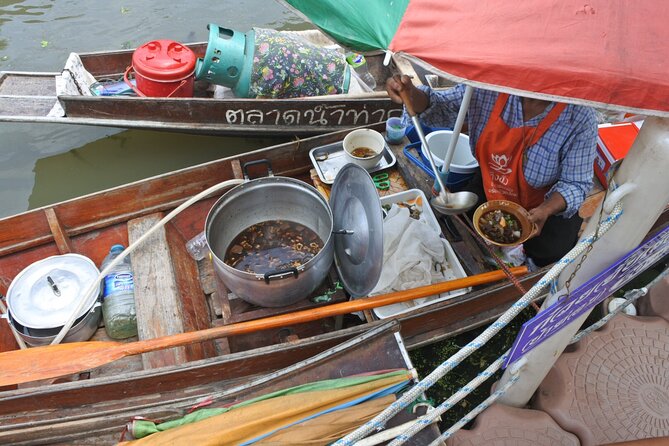
You’ll be in a canal-lined setting where locals bring fruits and vegetables and sell from boats. The market’s described as well-conserved in terms of local lifestyle. That means you’re not just seeing vendor tables on land; you’re seeing the movement and work of wooden boats.
What you can expect to notice:
- Boats piled with fragrant lotus blossoms, coconuts, and handicrafts
- Vendors paddling and selling directly in the palm-lined canal setting
- A chance to bargain for traditional cloth or carvings
That last part is important. Bargaining is only fun if you feel confident enough to do it. The time window helps because you’re not pressured to rush through everything once bargaining starts. You can handle one or two items thoughtfully—cloth, a carving, a small gift—rather than trying to buy everything you see.
The tour also mentions sampling local delicacies. Meals aren’t included, but this is exactly the kind of activity where you can spend money on small tastes instead of a full sit-down meal. If you’re the kind of person who enjoys street food but hates the guesswork, ask your guide what looks best to try first.
Possible challenge: markets move in layers—people, boats, sights, smells. If you want photos, it can be a little chaotic finding the cleanest angles while still respecting vendor space. The best strategy is simple: choose a few moments to linger for photos, then spend the rest talking, tasting, and watching boat activity.
One more practical point: the market is where you’ll likely feel the heat most. Keep your pace relaxed, and don’t plan to treat this as a high-speed shopping errand. Your enjoyment comes from slowing down.
You can also read our reviews of more tours and experiences in Bangkok




Samut Songkhram Area: Canals, Irrigation, and Coastal Influence
The day also includes a stop area described around Samut Songkhram, located at the mouth of the Mae Klong River to the Gulf of Thailand. The description highlights how water from the river spreads through the province via canals (khlong) for irrigation.
This part of the day gives you geographic context. Even if you don’t spend hours here, it helps you understand why floating markets exist in the first place. When canals are a main route for water movement, agriculture and commerce naturally connect. You’re not only visiting a market—you’re visiting the reason the market can happen.
The description also mentions evaporation ponds at the coast. You might catch signs of that coastal production logic from the drive, even if you’re not touring those areas in detail.
If you enjoy “why this place looks like it does,” this added context is worth it. If you’re mainly there for the market experience, don’t worry—you still get plenty of time where it matters most.
Guides and the Private-Tour Advantage: From Quick Answers to Better Shopping
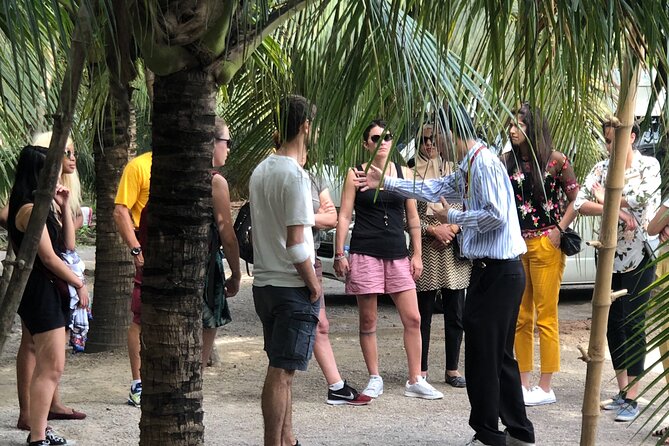
The guide experience is a standout part of the day. The trip includes a driver/guide, and in the feedback you’ll see names like Ho, Nathy, and Tom connected with excellent support. The common thread is clear: guides who speak very well and explain what you’re seeing, while staying friendly and responsive.
You don’t need a lecturer to enjoy a market day, but you do benefit from practical guidance:
- What to try for first bites
- How to approach bargaining without feeling awkward
- What different goods are and why locals sell them
Because this is a private tour/activity for your group, the guide has an easier job giving you attention. You’re less likely to feel like you’re one face in a crowd. That’s why the “personal experience” promise tends to matter. It’s not just comfort; it’s better interaction.
Also, pickup is described as prompt, which sets the tone. A well-run day starts with not wasting time.
Price and Value: Is $112.94 Per Person Fair for This 6-Hour Day?
At $112.94 per person, this isn’t the cheapest day trip option. So let’s talk value in plain terms.
You’re paying for:
- Hotel pickup (one way) and private transfers
- A driver/guide
- Bottled water
- Admission included for the floating market stop
- A structured day that’s short enough to feel manageable at about 6 hours
The market itself isn’t an entrance-fee-driven attraction, but the guide, transport, and guided timing are real costs. And the two stops before the market—the quick culture stop at River City Bangkok and the coconut sugar farm—add “meaning per hour.” That helps justify the price if you like context, not just shopping.
A big cost-saving point for you: meals aren’t included, but the tour mentions sampling delicacies at the market. That means you can steer spending toward tastes rather than a full meal if you prefer. If you already know you’ll want a proper lunch, budget for it.
Best value usually comes when:
- You want the floating market experience without the stress of planning transport
- You’re interested in local production (coconut sugar) as well as shopping
- You prefer a more controlled pace and fewer people to deal with
If you’re traveling as a single person, the per-person cost can feel higher than a group tour. If you’re traveling with a partner or small group, the private pace makes the price easier to swallow.
Who This Tour Suits Best (And Who Might Want Another Option)
This trip fits you if you want:
- An authentic-feeling floating market with time to browse and bargain
- A food-and-production angle, not just a photo stop
- Pickup convenience that saves time and energy
It’s also a good match if you like learning from guides with solid English and a friendly style. Names like Ho, Nathy, and Tom show up for a reason: people come away with the feeling that the day made sense, not just that they got transport to a market.
You might consider another option if:
- You dislike formal dress expectations. The listed dress code is formal, even though the day is outdoors and on a hot schedule.
- You’re very meal-driven and hate arranging your own food. Since meals aren’t included, you’ll need to plan.
Should You Book This Thaka Floating Market Day Trip?
I think this is a smart buy if you’re balancing two things: you want canal-market atmosphere, and you want the day to run smoothly from Bangkok. The mix of pickup + private transfers, plus a coconut sugar farm stop for context, is what makes the day feel more than just shopping.
Book it if you enjoy bargaining for small, meaningful items like cloth or carvings, and if you’re open to tasting local food as part of the experience. Don’t book it only if you already know you dislike formal dress rules or you need a full meal package included.
If you want a floating market day that feels closer to local life than a staged set, this one is worth your time.
FAQ
What time does the Thaka Floating Market day trip start?
The start time is 7:30 am.
How long is the trip?
It’s listed as about 6 hours.
What’s included in the price?
Included items are the driver/guide, one-way hotel pickup, and bottled water.
Are meals included?
No. Meals aren’t included.
Is this a private tour?
Yes. It’s described as a private tour/activity, with only your group participating.
What is the cancellation policy?
There is free cancellation. You can cancel up to 24 hours before the experience’s start time for a full refund. If you cancel less than 24 hours before, the amount paid is not refunded.