REVIEW · COOKING CLASSES
Silom Thai Cooking Experience with Market Visit
Book on Viator →Operated by I Asia Thailand · Bookable on Viator
Five dishes, one morning, real Thai markets. I like the market scouting part because you learn how to choose spices and produce in a real Bangkok setting. You also get a hands-on class making five dishes from scratch, then you sit down to eat what you cooked. The one catch: arrive on time, because the later you show up (after 9:05 a.m.), the less of the market you’ll join and you’ll wait at the school until class moves on.
For $59.99, this is strong value if you want more than watching Thai food videos. The group stays small (about 10 people), the school setting has air conditioning, and the cooking is step-by-step, even if your knife skills are still learning their first language.
In This Review
- Key things to know before you go
- Silom Thai Cooking School: small-group comfort in Bangkok
- Market Visit timing: what to do from 8:30 to 9:05
- Choosing Thai ingredients: how the market makes the cooking click
- Five dishes, five lessons: tom yum, pad thai, green curry, phanaeng, mango sticky rice
- Your class day flow: prep, cook, and meal rhythm
- Price and value check: what you get for $59.99
- Vegetarian option, no MSG, and smart ways to maximize your class
- Should you book this Silom cooking class?
- FAQ
- How long does the Silom Thai cooking class with market visit last?
- What dishes will I learn to cook?
- Are meals included?
- Is there a vegetarian option?
- Does the class use MSG?
- Where is the meeting point?
- What time should I arrive for the morning market session?
- Is hotel pickup and drop-off included?
- Can children attend?
Key things to know before you go
- Market visit with ingredient choices, so you understand what you’re actually cooking
- Five dishes made from scratch, not a couple of samples and photos
- Small class size, which means more help while you’re cooking
- Breakfast, lunch, and dinner included, so you’re not doing mental math later
- No MSG policy, plus vegetarian options if you need them
Silom Thai Cooking School: small-group comfort in Bangkok
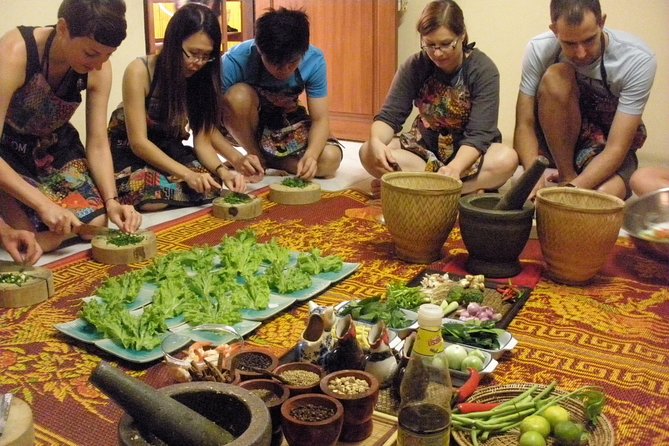
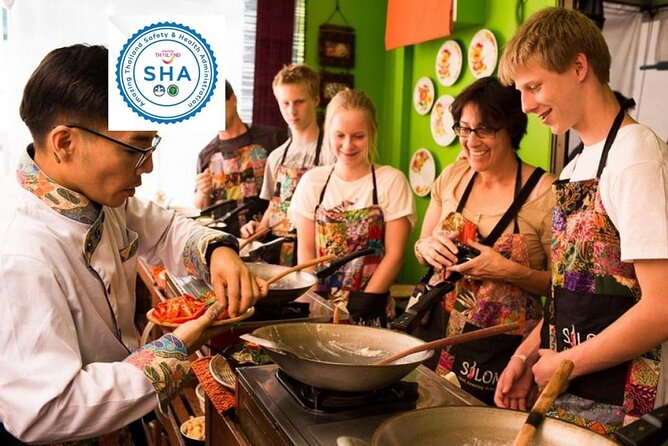
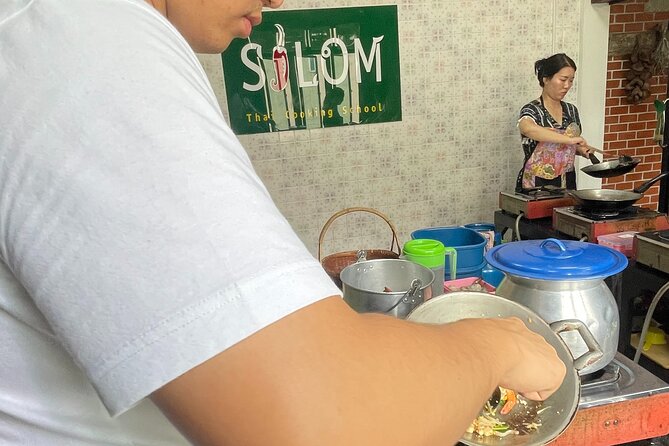
This experience starts at Silom Thai Cooking School in Bang Rak, where the vibe is practical and focused on doing the work. The class size is capped at 10 participants, and the overall group is kept to a small number as well. That matters more than you’d think. When it’s small, you can ask questions mid-recipe instead of waiting until the end.
The setting is also set up for comfort. One of the most repeated surprises is that the cooking area is air conditioned, which is a lifesaver in Bangkok humidity, especially right after a market walk.
Logistics are simple. There’s a clear meeting point at the school (เลขที่ 6/14 Decho Rd, Khwaeng Suriya Wong, Khet Bang Rak, Krung Thep Maha Nakhon 10500). The area is near public transportation, so you’re not forced into expensive private rides just to get there.
One more thing I appreciate: the class is framed for all skill levels. You won’t be punished for being new to Thai cooking. The goal is that you can replicate the basics at home later, not impress anyone with fancy gear.
You can also read our reviews of more shopping tours in Bangkok


Market Visit timing: what to do from 8:30 to 9:05
The market part is where your trip really starts to feel like Thai food, not just Thai food on a menu.
For the morning session, you’ll want to arrive between 8:30 and 8:45 a.m. The grouping happens at 8:45 a.m., and the market visit starts as the group comes together. The latest time to join is 9:05 a.m. After that, you’ll stay at the school until the class returns.
That timing isn’t just a technical detail. It affects the whole experience. If you arrive late, you miss the ingredient walk, which is one of the best parts because you learn how to pick items correctly rather than buying random versions of the same ingredient back home.
If you’re mapping your route, build in buffer time. Bangkok can be fine for getting there, or it can be unpredictably slow depending on the day and traffic. Arriving early lets you actually look around the market stalls with a clear head while your guide explains what matters.
Choosing Thai ingredients: how the market makes the cooking click
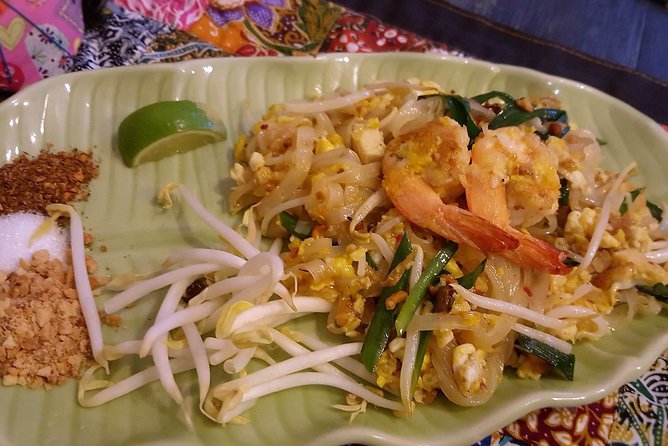
The market walk is not just a sightseeing bonus. It’s training.
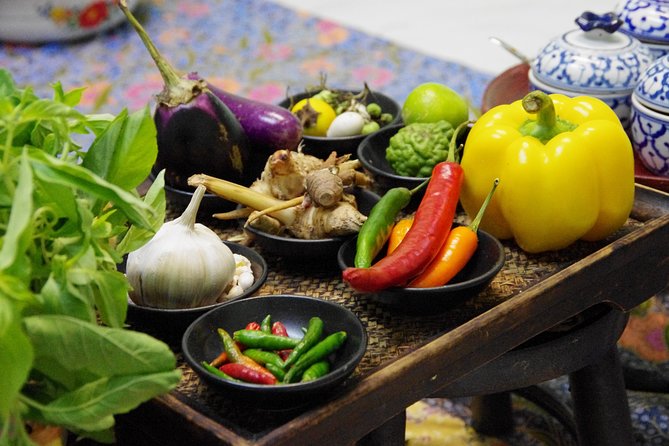
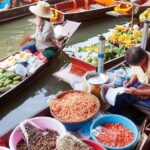
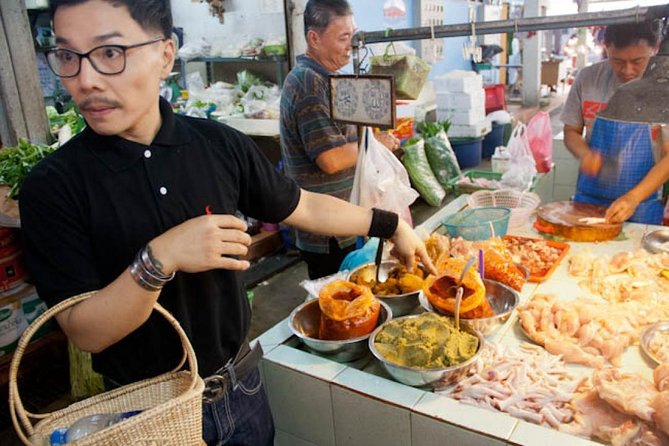
You’ll be instructed on how to choose ingredients properly and get everything needed for the dishes you’ll cook. That’s important because Thai cooking is often about balance and freshness, and the market teaches you what those words mean in real life.
Here’s what you should pay attention to during the market:
- Spices and aromatics: You’re learning what they are for, not just how they look in a jar.
- Fresh produce: This is where you learn the difference between ingredients that taste bright and ones that taste flat.
- How to build the dish basics: Even before you start cooking, you’re preparing the building blocks.
One of the reasons this class stands out is that it doesn’t treat the market as a separate tourist activity. It links the market to the kitchen so you can see how each ingredient affects the final flavors.
Also, you’re cooking with what you choose. That’s a key quality-of-experience detail. When you pick the ingredients yourself, the recipes feel less like a foreign script and more like something you can repeat.
Five dishes, five lessons: tom yum, pad thai, green curry, phanaeng, mango sticky rice
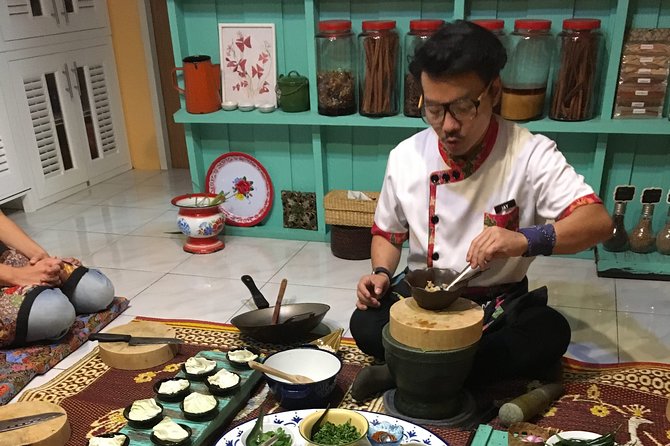
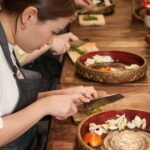
The cooking portion is hands-on and structured. You’ll learn to prepare five Thai dishes from scratch with a professional chef.
The menu includes:
- Tom yum (hot and sour soup)
- Pad thai (stir-fried rice noodles)
- Gaeng kiew wan gai (chicken in green curry)
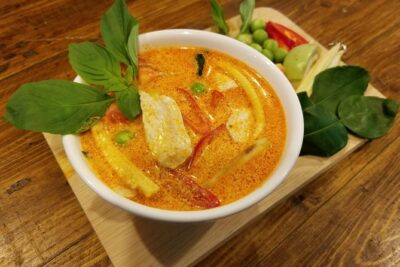
- Phanaeng (Thai panang red curry)
- Khao neow ma muang (mango sticky rice)
A big practical win: you’re not doing five unrelated dishes. Each one teaches a different side of Thai flavor.
- Tom yum helps you understand sour and hot notes and how Thai soups get their kick.
- Pad thai shows you how to build noodle flavor without turning everything into one bland sauce.
- Green curry is about depth and aromatic heat, with a creamy curry feel.
- Phanaeng is a contrasting style of curry, richer and thicker than you might expect from the flavor notes alone.
- Mango sticky rice lands the sweet finale and gives you a clean finish to remember what you learned.
One detail worth noting: the menu and courses can differ and may change. So don’t plan your trip around expecting the exact same dish list every day. Still, you can expect a curriculum that hits the same classic Thai targets.
And yes, the class is designed so you can participate even as a beginner. That’s why these recipes are the way they are: they’re iconic, but also teachable.
Finally, the kitchen has a no MSG policy. If you’re sensitive to added flavor enhancers, that’s a reassuring touch.
Your class day flow: prep, cook, and meal rhythm
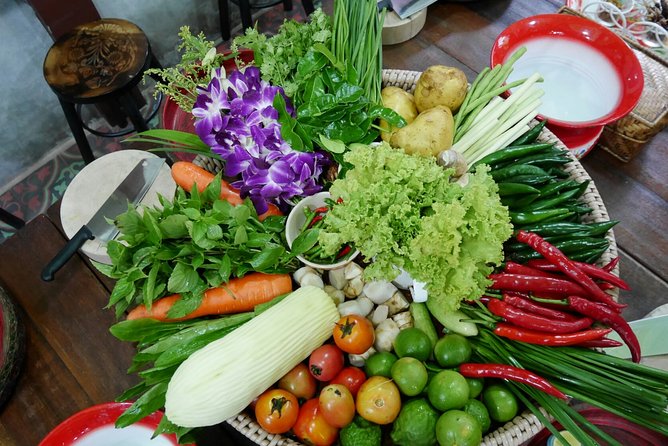
This experience runs for about 3 hours total, and it’s built to keep the momentum. You’re not just cooking once and then waiting around. The pace is active, and it moves between market, prep, cooking, and eating what you made.
You’ll also be fed. The experience includes:
- Breakfast
- Lunch
- Dinner
That’s a meaningful value driver. In Bangkok, meal costs can add up fast, especially if you’re trying different places while still fitting in other activities. Here, you get the meals as part of the experience, and they’re tied directly to what you cooked.
Here’s how the flow typically feels:
- Start at the school and meet your group
- Go to the local market for ingredients
- Return to cook five dishes from scratch
- Eat your results as part of the included meals
If you’re thinking about what to bring, keep it simple. Wear comfortable clothes you don’t mind getting a little food-scented, and keep your pace steady. The recipes are hands-on, so you’ll likely be standing and working more than you expect.
The best part is that you end with plates that feel like a trophy. Not just tasty—yours.
You can also read our reviews of more tours and experiences in Bangkok



Price and value check: what you get for $59.99
At $59.99 per person, this isn’t the cheapest cooking class you’ll find. But it’s also not overpriced for what you actually receive.
You’re paying for a full package:
- ingredient buying and market guidance
- professional step-by-step cooking help
- all ingredients
- and multiple included meals (breakfast, lunch, dinner)
That combination is where the value really shows. Many classes focus only on one dish and expect you to buy meals elsewhere. This one builds a whole food day around Thai cooking fundamentals.
Also, demand is real. The experience is often booked about 36 days in advance, so if you want a specific session, you should plan ahead.
A few notes to help you judge costs fairly:
- Hotel pickup and drop-off are not included, so factor that into your plan if you’re coming from far away.
- The class stays small, so you’re not paying for a high-volume factory vibe.
If you want a Thai cooking experience that teaches you why the food tastes right (starting at the market), this price can make sense fast.
Vegetarian option, no MSG, and smart ways to maximize your class
If you have dietary restrictions, this is a good call because you can notify the team when booking. A vegetarian option is available, so you’re not stuck with a single adapted dish and a sad side salad.
The tour also lists a no MSG policy. That can matter if you’re trying to cook or eat Thai food in a way that feels lighter or more controlled.
To get the most out of the experience, do two things:
- Tell them your dietary needs clearly when booking.
- Treat the market walk as the start of your lesson. Ask questions while you’re standing with the ingredients, not after you’re already holding a cutting board.
Finally, go in with a mindset that you’re learning process, not collecting Instagram moments. The instructors guide you step by step in preparing authentic Thai dishes, from classic curries to stir-fries and desserts.
Should you book this Silom cooking class?
Book it if you want:
- a market + cooking combo rather than a kitchen-only demo
- to cook five classic Thai dishes from scratch
- a small class setup with enough attention to actually learn
- meals included across the session, so you don’t have to scramble for food plans
Consider skipping or switching plans if:
- you’re arriving late and don’t think you can make the 8:30–9:05 a.m. window
- you’re looking for something purely casual and slow-paced (this runs efficiently for about 3 hours)
My practical takeaway: this works best as a food-focused Bangkok morning. If you want to leave with the confidence to buy the right ingredients and understand what you’re tasting, this is a strong use of your time.
FAQ
How long does the Silom Thai cooking class with market visit last?
The experience lasts about 3 hours.
What dishes will I learn to cook?
You’ll learn to make five Thai dishes, including tom yum, pad thai, gaeng kiew wan gai (green curry with chicken), phanaeng (Thai panang red curry), and khao neow ma muang (mango sticky rice). The exact menu and courses can change.
Are meals included?
Yes. Breakfast, lunch, and dinner are included.
Is there a vegetarian option?
Yes, a vegetarian option is available. You should notify the team when booking if you have dietary restrictions.
Does the class use MSG?
The experience follows a no MSG policy.
Where is the meeting point?
You start at Silom Thai Cooking School, เลขที่ 6/14 Decho Rd, Khwaeng Suriya Wong, Khet Bang Rak, Krung Thep Maha Nakhon 10500, Thailand and it ends back at the meeting point.
What time should I arrive for the morning market session?
Arrive between 8:30 and 8:45 a.m. Grouping starts at 8:45 a.m. The latest time to join is 9:05 a.m. After that, late arrivals stay at the school until the class returns.
Is hotel pickup and drop-off included?
No, hotel pickup and drop-off are not included.
Can children attend?
Yes. Children under 6 get free admission (limited to 1 child per group). Children 6 and over need to purchase an adult ticket.