REVIEW · BANGKOK CITY HIGHLIGHTS & WALKING TOURS
CHOB Bangkok Walking Tour (Talking + Walking + Eating)
Book on Viator →Operated by Thai Tour Guide · Bookable on Viator
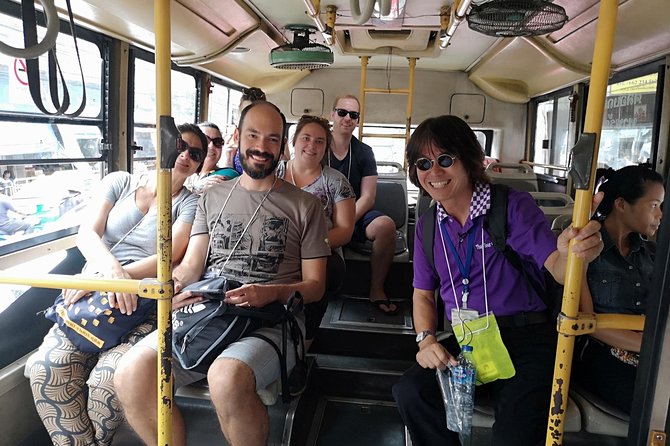
Bangkok makes more sense on foot. This Talking + Walking + Eating tour is built for first-timers: you get live guide context while you move between old temples, big modern landmarks, markets, and river scenes. I especially like the small group size and the way food is woven into the route, not tacked on at the end.
I also like how the best guides turn the day into an actual conversation. In the glowing feedback, guides like Joy and George are praised for being careful, courteous, and flexible, with the walk feeling less like a lecture and more like hanging out with a knowledgeable friend. The main consideration: it’s a lot of time on your feet in a city where heat and walking distances can add up fast—so wear comfortable shoes and keep your energy up for snack stops.
In This Review
- Key highlights at a glance
- A Half-Day Plan That Actually Gets You Oriented
- How the 5-Hour Route Feels in Real Life (and Where You’ll Notice the Walking)
- Lumpini Park: Starting With Bangkok’s First Public Park
- From Night Market and Red Lights District to the Reality of Street Life
- Tallest-Building Views and Skywalk Energy
- Traditional Thai Foods and a Dance Show: Food With Context
- Sky Bars and Night Bazaar Stops: Picking the Best Vantage Points
- The Chao Phraya River: Bangkok’s Main Waterway Moment
- Cable-Stayed Bridge Crossing: A Scenic Break From Side Streets
- Golden Mount (Wat Saket), Giant Swing, and Bangkok’s Sacred Landmarks
- Khaosan Road: Backpacker Energy With Local Street Realities
- Victory-Monument-Style Centerpiece and Citywide Crossroads
- Wholesale Cloths and a “Most Fancy” Mall: The Contrast That Teaches
- What You’re Getting for $50 (And What to Expect to Pay Separately)
- Who This Tour Fits Best (and Who Might Want to Skip It)
- Should You Book the CHOB Bangkok Walking Tour?
- FAQ
- How long is the CHOB Bangkok Walking Tour?
- What group size is this tour limited to?
- Where does the tour start and what time does it begin?
- Where does the tour end?
- Is anything included in the tour price?
- What weather conditions does the tour require?
Key highlights at a glance
- Max 8 people: more questions, fewer waiting around, and an easier pace.
- Live commentary while you walk: you learn while things actually happen around you.
- Lumpini Park orientation: start with Bangkok’s first public park for a calmer rhythm.
- Chao Phraya River + bridge views: get the lay of the land from the city’s main waterway.
- Food and culture stops: traditional Thai foods and a dance show are part of the flow.
- Range of Bangkok styles: temple landmarks, Khaosan Road backpacker energy, and shopping stops in one half-day.
A Half-Day Plan That Actually Gets You Oriented
Bangkok can feel like a puzzle with pieces everywhere—temples on one corner, malls on the next, and motorbikes doing motorbike things. This tour helps you assemble that picture fast. Instead of giving you a checklist of “must-sees,” it connects history and everyday life as you walk past landmarks and through neighborhoods.
The sweet spot here is the small-group maximum of eight. When the group is tight, your guide can slow down when something is confusing, and speed up when everyone’s ready. That matters in Bangkok, where a lot of signage is in Thai and the city changes personality block by block.
You’ll also get live guidance along the way, plus snacks included. Even if you’re not a big “food tour” person, those snack breaks keep the day from turning into nonstop sightseeing.
You can also read our reviews of more walking tours in Bangkok

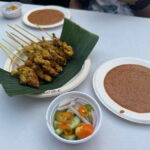
How the 5-Hour Route Feels in Real Life (and Where You’ll Notice the Walking)
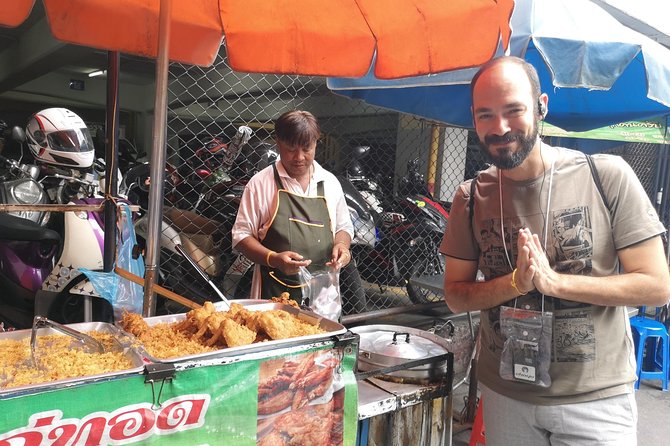
The tour is about five hours and starts at 9:00am from Silom MRT Station (Lumphini, Pathum Wan). It ends near Pratunam Pier. That structure is good because it uses Bangkok’s shape: you start in the transit-connected Silom area, then you work across zones that feel different from one another.
Because it’s a walking tour, you’ll want to plan your expectations around the physical side of Bangkok. Expect:
- Comfortable walking shoes (not fashion shoes).
- A bottle of water and a basic attitude of “I can handle a few long blocks.”
- Sun protection if you’re sensitive to heat.
The upside is you’ll see the city the way locals experience it: on foot, not through the window of a car. The downside is you won’t be immune to the city’s pace. Bangkok has its own tempo, and you’ll feel it.
Lumpini Park: Starting With Bangkok’s First Public Park
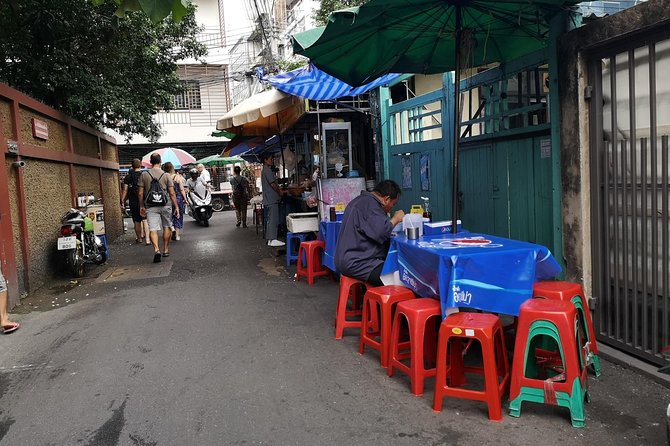
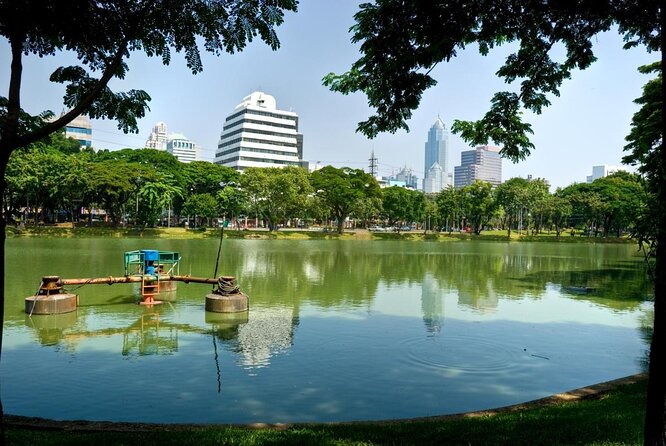
The first stop is Lumpini Park, described as the first public park in Bangkok. That’s not just trivia—it’s a useful starting point because it gives you a mental reset before you hit the busier streets.
At this stage of the day, you get a contrast that helps everything later click. Park space in Bangkok is where you can feel daily life outside the major landmark circuit. It also gives your guide a natural opening to talk about how Bangkok evolved from older patterns into the modern city you see today.
If you like orientation tours, this is a smart move: you begin with something grounded and then expand outward.
From Night Market and Red Lights District to the Reality of Street Life
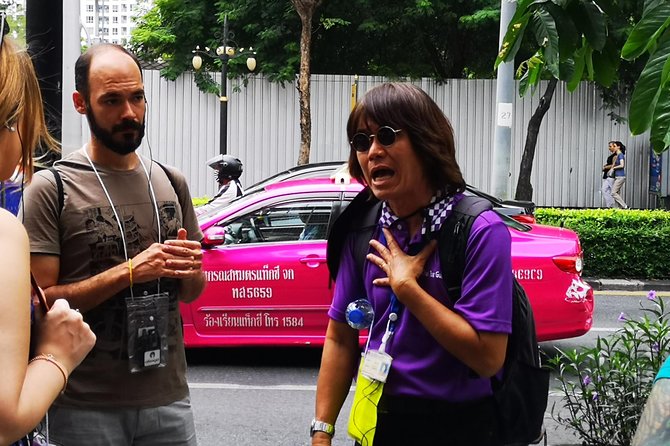
Next you move toward the Night Market & Red Lights District area. This part of the route is interesting because it shows you Bangkok’s “after-hours reputation” without pretending it’s one-size-fits-all. You’re seeing how the city functions socially and commercially, not just how it looks in photos.
A practical consideration: this area can be adult-focused and visually intense. If you’re traveling with kids or you prefer quieter streets, you may want to mentally prepare for that shift in tone. Also, keep your camera habits respectful—this is a good place to pause first, observe, then shoot only when appropriate.
That said, it’s exactly the kind of neighborhood stop that helps you understand Bangkok beyond temples and towers.
Tallest-Building Views and Skywalk Energy
The itinerary includes the tallest building in Thailand and also points to Mahanakorn Skywalk in the tour’s overview. This is where Bangkok switches from street-level storytelling to skyline perspective.
Why it matters for you: standing above the city (even in a quick stop) helps you understand distances and directions. Bangkok’s neighborhoods can feel disconnected when you’re down at sidewalk level. From above, the rivers, main roads, and major zones start to make sense as a system.
This is also a good moment to ask your guide about practical planning for the rest of your trip—how to get around, which areas are best at what times, and where you’ll get the biggest views for your effort.

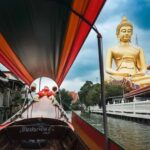
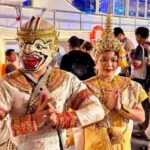
Traditional Thai Foods and a Dance Show: Food With Context
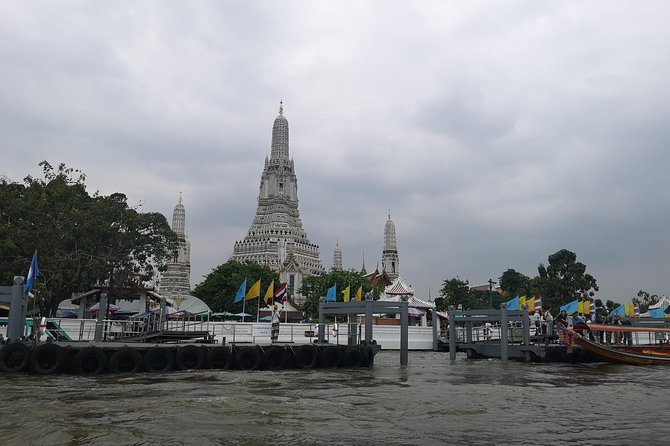
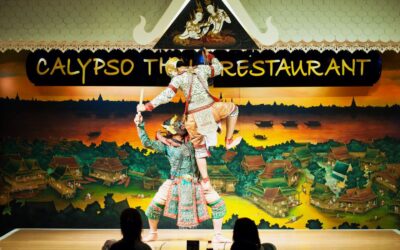
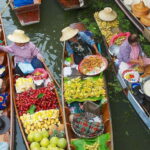
One of the most appealing parts of the tour is the combination of traditional Thai foods and a dance show. This isn’t just about tasting something good; it’s about learning why it matters.
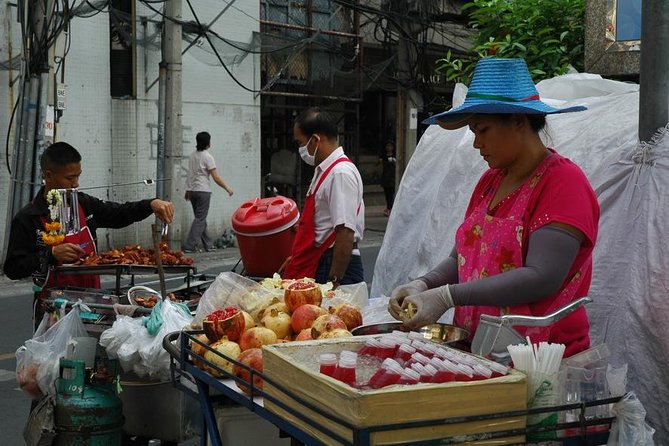
Food stops work particularly well on a walking tour because you’re already in the neighborhoods where the food lives. And the reviews reinforce that point: one highlight from Joy’s guided day included snacks like glass noodle pork soup, plus coffee breaks. That kind of stop is the difference between eating and experiencing—small, specific things tied to the place around you.
Practical tip: go into this portion hungry, but don’t over-stuff early. You’ll likely want room later for market snacks and more casual bites.
Sky Bars and Night Bazaar Stops: Picking the Best Vantage Points
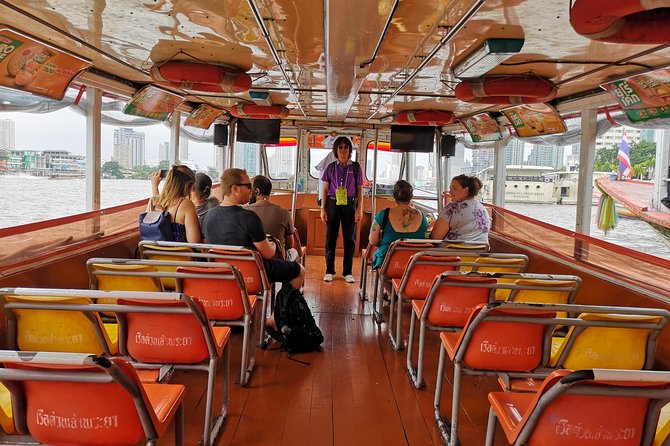
The itinerary lists Best Sky Bars in Bangkok and a Night Bazaar. Even if you’re not planning to party, this is useful. Sky bars are basically viewpoint tools with a drink menu, and knowing where they cluster helps you choose an evening plan quickly.
Similarly, night bazaars (and bazaar-style shopping areas) are where you can reset your expectations about “shopping in Thailand.” It’s rarely one single store with one single vibe. It’s lanes of options—some tourist-friendly, some local-leaning—and a guide helps you avoid wasting time wandering.
If you’re a shopper, you’ll appreciate these stops. If you’re not, treat them like a guided stroll: browse, learn what’s available, and use it to calibrate where you want to spend money later.
The Chao Phraya River: Bangkok’s Main Waterway Moment
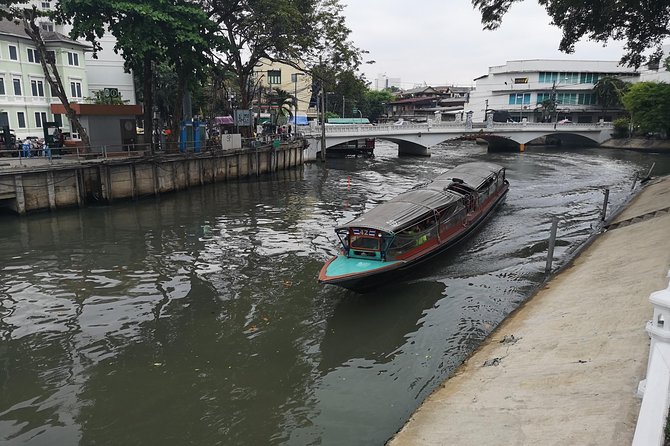
The tour includes the main river in Thailand, the Chao Phraya. This is a big deal for orientation. Bangkok isn’t just a city of roads—it’s also a city of water routes and riverfront culture. Seeing the river (and getting told what to look for) helps you understand why certain neighborhoods developed where they did.
The overview also mentions Asiatique The Riverfront, so you may get at least a taste of that riverfront energy. Even a short stop here tends to land well because it’s where the city feels more open. You’re not trapped in narrow streets and signage—you can actually see across space.
If you’re into photos, this is also where your phone camera finally gets a break from the chaos and gives you a cleaner frame.
Cable-Stayed Bridge Crossing: A Scenic Break From Side Streets
Another itinerary item is a cable-stayed bridge crossing the Chao Phraya River. Bridges are one of those “small” sights that still make a strong impression because they give you both movement and scale.
From a traveler perspective, this is a smart pause in the walking rhythm. You get a shift in viewpoint, fresh air, and a chance to look back at the river city you just learned about.
Golden Mount (Wat Saket), Giant Swing, and Bangkok’s Sacred Landmarks
The overview names Golden Mount (Wat Saket) and Giant Swing as part of the route. These are the landmarks that turn your day from “interesting neighborhoods” into “Bangkok history in front of you.”
- Wat Saket (Golden Mount): a temple complex that anchors the idea of Bangkok’s older spiritual landscape. It’s a landmark that helps explain how religious life fits into a modern megacity.
- Giant Swing: a major symbolic structure tied to Bangkok’s ceremonial past, and a landmark that’s impossible to miss once you’re near it.
The itinerary also includes stops described as one of the city’s oldest temple and a Brahman religious structure. You don’t need to know every term to get value here. What you’ll gain is pattern recognition: where spiritual structures sit, how people interact with them, and how that shapes daily movement.
Best approach: take a few minutes to stand back. Let your guide explain what matters, then step in only if you feel comfortable.
Khaosan Road: Backpacker Energy With Local Street Realities
The tour explicitly includes Khaosan Road as the backpacker hub. This part can be fun and chaotic, but it’s also a useful reality check. Khaosan is where many visitors experience Bangkok nightlife and street culture in one compact area.
Even if you don’t plan to party, the place is worth seeing because it shows how Bangkok markets itself and how travelers and locals share the same space—sometimes smoothly, sometimes not.
If you like people-watching, this stop delivers. If you prefer calm, use the guide to identify where the noise starts and where you can step away without missing the vibe.
Victory-Monument-Style Centerpiece and Citywide Crossroads
The itinerary mentions a public monument in the center of Bangkok. This kind of central landmark stop is valuable even if you’re not obsessed with monuments. It gives you a fixed reference point—something you can point to later when you’re trying to plan routes or understand where you are.
These stops also help your guide explain why roads and neighborhoods align the way they do. Bangkok becomes less random when you have a couple of anchors.
Wholesale Cloths and a “Most Fancy” Mall: The Contrast That Teaches
Late in the tour, you’ll hit shopping zones including wholesale cloths and shopping and a most fancy shopping mall. This contrast is one of the best parts of Bangkok for first-timers. You go from street commerce to polished mall culture without feeling like you’re in the “wrong” place either way.
From a value perspective, this is where you can decide how you want to shop for the rest of your trip:
- Do you want price-hunting and variety?
- Or do you want comfort, air-conditioning, and easier browsing?
Either way, having both types in one guided afternoon prevents decision fatigue.
And since the tour ends near Pratunam Pier, it fits the idea that you’re winding toward a transit-heavy, shopping-heavy area.
What You’re Getting for $50 (And What to Expect to Pay Separately)
The price is $50 per person for an approximate five-hour small-group tour with live guide commentary. What makes it feel reasonable is the combination:
- Max eight travelers, which keeps it personal.
- Multiple major zones, not just one neighborhood.
- Snacks included, which helps the day’s rhythm.
- Guide-led context for temples, rivers, markets, and modern landmarks.
What’s less clear from the basic inclusions: entrance fees for viewpoints or attractions aren’t explicitly listed as included. The only inclusion stated is snacks, and the “not included” section points to personal expense and insurance.
So my practical advice: treat the $50 as paying for the guided experience and food/snack support, and keep a little extra budget for any tickets or purchases you decide you want along the way.
Who This Tour Fits Best (and Who Might Want to Skip It)
This tour is a great match if you:
- Are a first-time visitor who wants orientation fast.
- Like learning as you go, with live commentary rather than a static itinerary.
- Enjoy food and don’t mind that the “eating” part includes small tastings/snacks.
- Prefer a guided day over DIY planning, especially in a city that can be overwhelming.
It may be less ideal if you:
- Have low tolerance for walking in heat.
- Dislike areas with adult-oriented nightlife energy (since the red-light district is part of the route).
- Want a deeply structured “museum-style” schedule with guaranteed entry fees covered (the inclusions listed are limited to snacks).
Should You Book the CHOB Bangkok Walking Tour?
If you want a half-day that helps Bangkok stop feeling like a blur, I’d book it. The small-group size (up to eight) plus the “conversation” style praised for guides like Joy and George is a strong combo, especially if you like asking questions and adjusting your pace.
Also, you get a satisfying mix: Lumpini Park, sacred landmarks like Wat Saket (Golden Mount) and Giant Swing, river energy on the Chao Phraya, plus stops around Khaosan Road and shopping zones. That range is exactly what many first-timers need.
Just come prepared for walking and plan for the possibility of extra costs if you choose to enter specific attractions. If you do that, this tour is a solid, value-friendly way to understand Bangkok in one guided afternoon.
FAQ
How long is the CHOB Bangkok Walking Tour?
It runs for about five hours.
What group size is this tour limited to?
The tour has a maximum of 8 travelers.
Where does the tour start and what time does it begin?
It starts at Silom MRT Station at 9:00am.
Where does the tour end?
It ends at Pratunam Pier.
Is anything included in the tour price?
Snacks are included.
What weather conditions does the tour require?
This experience requires good weather. If it’s canceled due to poor weather, you’ll be offered a different date or a full refund.