REVIEW · COOKING CLASSES
Bangkok: White Lotus Thai Cooking Class with Market Tour
Book on GetYourGuide →Operated by White Lotus Thai Cooking School · Bookable on GetYourGuide
Your Bangkok food lesson starts at the markets. This is a market-first cooking experience at White Lotus Thai Cooking School that links real ingredients to real technique, with guides like Jeab and Pat turning Bangkok stalls into step-by-step confidence. I especially love the hands-on cooking of four classic dishes and the friendly, home-like vibe where you eat what you make.
The standout second half is the fresh coconut milk part, used for sticky rice and taught from scratch, not from a shortcut. One drawback to plan for: transportation isn’t included, so you’ll want a simple way to get yourself to Sanamchai MRT and then the 2nd floor meeting point inside The Market Organization.
In This Review
- Key Points to Know Before You Go
- Market Stops Before You Touch a Wok
- Where White Lotus Thai Cooking School Fits in Your Bangkok Day
- The Cooking Setup: Clean Stations, Clear Instructions, Real Feedback
- Fresh Coconut Milk for Sticky Rice: The Skill That Levels Up Everything
- The 4 Thai Dishes You’ll Cook and How to Nail Them
- Tom Yam Goong: Hot, Sour, and Shrimp-Forward
- Pad Thai: The Wok Work You’ll Actually Remember
- Som Tam: Crunchy, Sharp, and Customizable
- Mango Sticky Rice: Dessert With a Technique Behind It
- Eating Together, Lucky Draw, and a White Lotus You Fold
- Price and Logistics: Getting $35 Worth of Bangkok Flavor
- Who Should Book This Class (and Who Might Skip It)
- Should You Book White Lotus Thai Cooking Class?
- FAQ
- How long is the Bangkok White Lotus Thai Cooking Class?
- What dishes will I cook during the class?
- Do I visit markets before cooking?
- What is included in the $35 per person price?
- Can the class accommodate vegetarian diets?
- Where do I meet the group?
- Is there an age limit?
Key Points to Know Before You Go
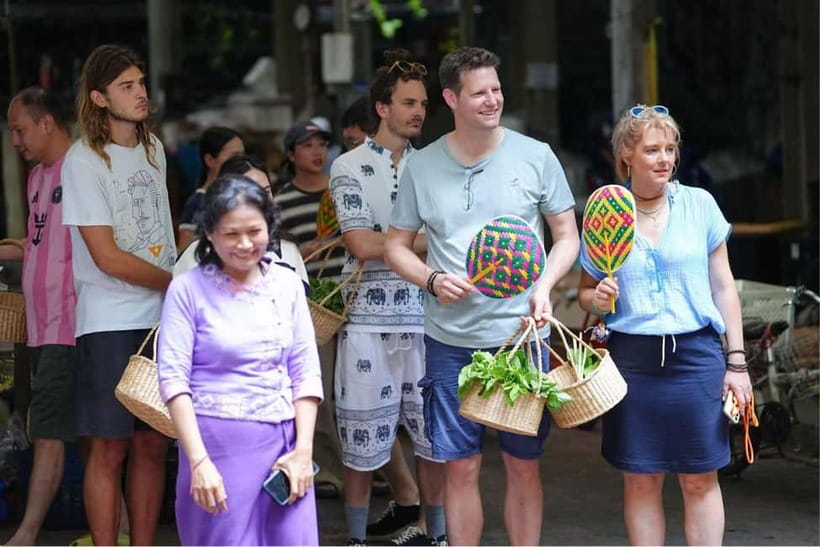
- Market walk with tastings: Wholesale fruit/veg stops plus Bangkok’s biggest flower market, with vendor explanations you can’t easily DIY.
- Fresh coconut milk from scratch: You learn the technique behind sweet sticky rice, not just the final plating.
- 4 dishes, not a demo: You cook Tom Yam Goong, Pad Thai, Som Tam, and Mango Sticky Rice with guided control over flavor.
- Small-group feel: The class is described as cozy and in small groups (some sessions run around 10 people), so you can ask questions.
- Spice choice: You can choose how spicy you want your dishes.
- A fun finish beyond dinner: Lucky draw, white lotus folding, and a take-home certificate.
Market Stops Before You Touch a Wok
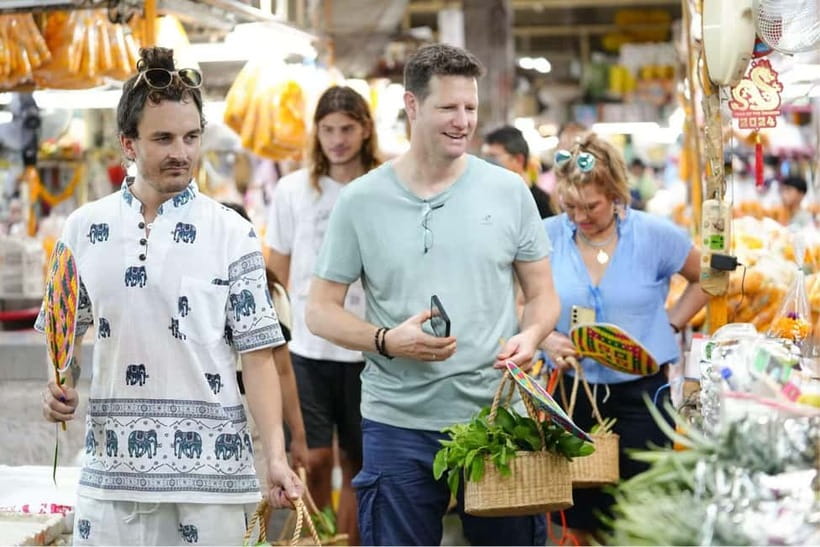
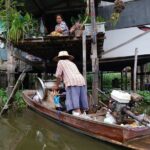
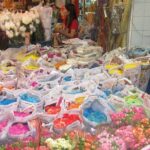
This class starts the right way: before you see a cutting board, you get your senses working. You walk through a local wholesale vegetable and fruit market and then continue to Bangkok’s biggest flower market. The point isn’t just photos. You get to feel, touch, smell, and taste some of the exotic ingredients Thai cooks use every day, while local vendors explain what you’re looking at.
That matters because Thai cooking is ingredient-driven. If you know what to buy and what to avoid, you’ll cook better at home later. At the flower market, you also pick up context for how Thai culture uses flowers in everyday life, not just in formal settings. In the hands-on kitchen, that cultural piece helps the recipes click, because you understand what each ingredient is doing, and why it’s part of the dish.
Another nice touch is the pacing. The market portion gives you time to ask basics, like how to judge freshness and how to handle ingredients that look unusual. And since the class group is small and the guide is teaching in English (and Thai), you’re not left guessing.
A small practical note: if you’re sensitive to crowds or smells, the market part may feel intense at first. But the guide’s explanations help you translate the chaos into something useful fast.
You can also read our reviews of more shopping tours in Bangkok


Where White Lotus Thai Cooking School Fits in Your Bangkok Day
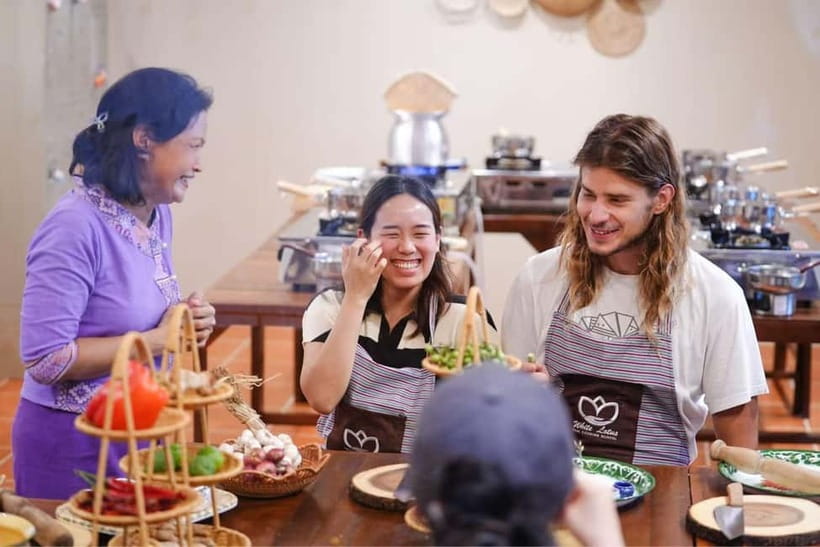
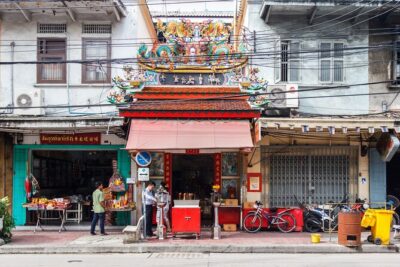
White Lotus Thai Cooking School is located on the 2nd floor of The Market Organization at Paak Klong Talad. The location is very close to transit: about 150 meters from Sanamchai MRT station, and roughly 60 meters from a 7/11 for an easy reference point.
This is the kind of meeting spot that works well if you like being near local life, not if you expect a “hotel pickup bus and done” setup. Since transportation to and from the school isn’t included, you’ll want to plan your route ahead, especially if you’re pairing this with other Bangkok stops on the same day.
Inside, the vibe is described as cozy and home-like, and it’s not a loud factory class. Reviews also highlight that the kitchen is clean and organized, which helps when you’re standing at your station cooking dishes like Tom Yam Goong and Pad Thai. You’ll likely be cooking in a small group (some sessions are mentioned as about 10 people), so the instructor can keep an eye on everyone.
Most instructors teach in English, and some are also known for clear, patient directions. Names that show up repeatedly include Jeab, Sasi, Chon, Pat, and others. In practical terms, that’s great news if you’re a beginner: you’re not just watching a chef, you’re doing the steps with coaching.
The Cooking Setup: Clean Stations, Clear Instructions, Real Feedback
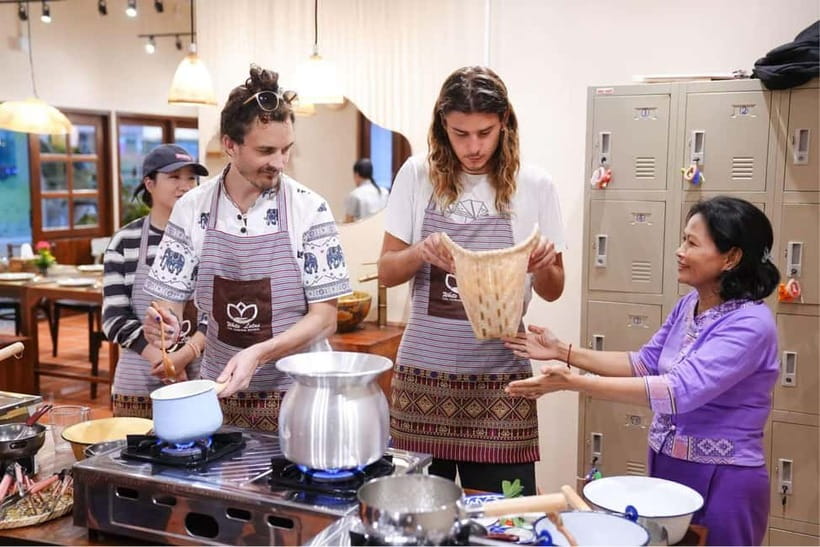
Once you’re in the kitchen, the format becomes very hands-on. You’re taught how to prepare dishes step-by-step, and the instructor checks in so you don’t drift into guesswork. People specifically call out that instruction is clear and paced well, with time to follow along.
One thing I like about this setup is that it works for different skill levels. The class is suitable for beginners, but it also gives enough technique to feel rewarding if you’ve cooked before. Thai cooking can be intimidating because flavors balance in layers. In this class, you get guidance on those balances rather than just recipe instructions.
Another practical comfort: you’re cooking in a space that feels designed for this purpose. Reviews mention the room is tidy, the tools and stations are well arranged, and the overall experience stays organized instead of rushed. When you’re switching between tasks like slicing aromatics, prepping sauces, and timing stir-fry, organization makes a real difference.
You’ll also notice that you can usually adjust what you make. One strong theme in the feedback is that you can choose spice level, and there are vegetarian options. Some groups mention choosing shrimp or chicken, which is helpful if you want a specific version of the recipes.
Fresh Coconut Milk for Sticky Rice: The Skill That Levels Up Everything
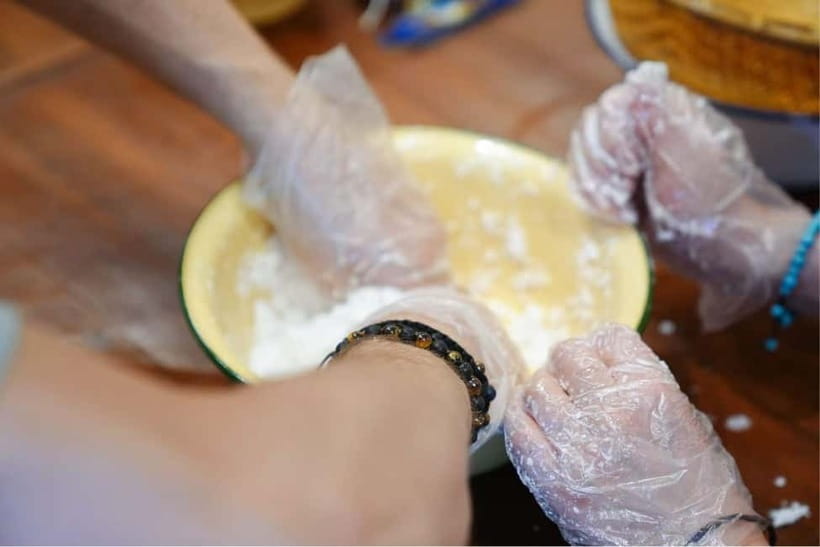
The recipe highlight isn’t just one dish. It’s the method you use for fresh coconut milk for sweet sticky rice. Instead of relying on pre-made coconut milk from a carton, you make it from scratch as part of the class.
This matters for two reasons. First, it teaches you what “fresh coconut” tastes like in the final dish. Coconut milk affects sweetness, body, and aroma, so when you understand the process, you can reproduce the flavor at home. Second, it teaches you to treat coconut milk as an ingredient you control, not a fixed quantity you dump in and hope for the best.
In a cooking class, you want at least one technique you can reuse later. For Thai food, coconut milk and sticky rice are a big one. By the time you taste your own sticky rice, you’re not just eating dessert. You’re tasting the outcome of a skill you learned.
And yes, this part is especially satisfying because it fits naturally into Thai flavors. Coconut milk shows up in mango sticky rice and sweet sticky rice, and once you understand it here, you’ll recognize how it supports fruit sweetness and balances sour or salty dishes in the rest of your meal.
The 4 Thai Dishes You’ll Cook and How to Nail Them
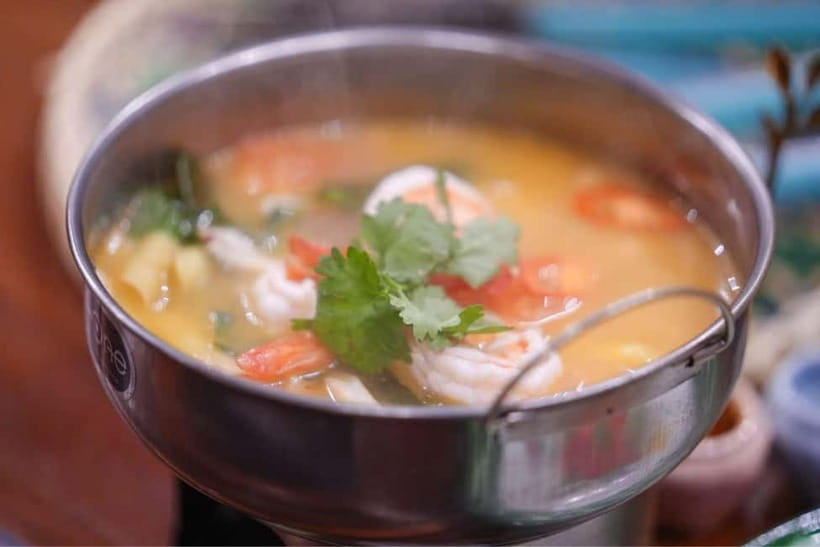
This is where the class earns its value: you cook four authentic Thai dishes rather than watching someone else do all the work.
You can also read our reviews of more tours and experiences in Bangkok


Tom Yam Goong: Hot, Sour, and Shrimp-Forward
Tom Yam Goong is one of Thailand’s most recognizable soups. In class, you learn how to build that signature profile: hot, sour, and fragrant, with shrimp as a central ingredient. The guidance helps you manage timing and seasoning so it stays flavorful instead of one-note.
If you want shrimp vs chicken options, that comes up in feedback, and you can also request vegetarian variations for suitable dishes. Even if you stick to the classic version, you’ll come away knowing how the soup’s flavor system works.
Pad Thai: The Wok Work You’ll Actually Remember
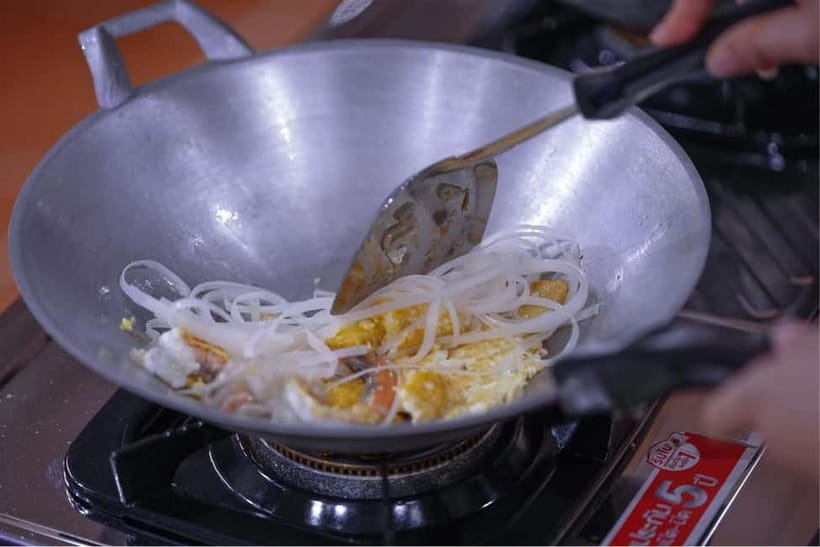
Pad Thai can go wrong fast if timing and sauce ratios slip. The class format helps you handle it in the real way Thai cooks do it, with clear steps and enough attention that you aren’t left to interpret your own mistakes.
People often describe Pad Thai as a favorite. That makes sense: it’s familiar enough to feel approachable, but detailed enough to be a true learning experience. If you like noodles, you’ll like how this teaches you to keep balance between sweet, salty, and tangy flavors.
Som Tam: Crunchy, Sharp, and Customizable
Som Tam is green papaya salad, famous for its sharp punch. In the class, you’ll learn the techniques that make it taste bright and alive, not dull. Reviews also emphasize that you can choose how spicy you want it, which is key for Som Tam since the heat level changes the whole dish.
This dish is a great one to take home mentally because it’s flexible. If you understand what makes it sharp and crunchy, you can adapt it later to what you can find at local markets.
Mango Sticky Rice: Dessert With a Technique Behind It
Mango sticky rice lands as the “finish line,” but it’s also the proof of your coconut milk work. You’re not just assembling a dessert. You’re tasting how coconut supports sweetness and texture, with sticky rice and mango doing their part.
For many people, this is the emotional payoff. You spend time learning ingredients and methods, and then the dessert makes you feel that you truly earned it.
Eating Together, Lucky Draw, and a White Lotus You Fold
After cooking each dish, you eat what you made. This is more than a meal. It’s a social reset that turns the class into an actual experience, not a tutorial.
You’re eating with new friends in a friendly, cozy atmosphere. Feedback repeatedly points to the warmth of the staff and instructors, and the sense that you’re being hosted rather than processed. That matters because Thai cooking isn’t just about instructions. It’s also about pacing, tasting, and learning through small feedback loops, and those are easier in a relaxed environment.
After the meal, you get a lucky draw. You also learn how to fold a white lotus, which is a fun cultural touch that feels different from the usual “here’s a certificate, bye.” The certificate is included and helps make the day feel like a completed activity, not something you only half remember.
There’s also mention of a small souvenir, which adds a bit of closure. If you like collecting simple keepsakes tied to experiences, this hits that sweet spot.
Price and Logistics: Getting $35 Worth of Bangkok Flavor
The price is listed at $35 per person for about 210 minutes (3.5 hours). That sounds simple, but the value comes from what’s included, not just the number.
You’re getting:
- A market visit with wholesale vegetable/fruit stops
- A flower market visit
- Cooking of 4 dishes
- Hands-on preparation of fresh coconut milk
- The meal you cook
- A certificate (and extras like a lucky draw and white lotus folding)
If you’ve paid for cooking classes in other countries, you know the common trap: you’re charged for a recipe list while someone else handles the hard parts. Here, you’re cooking multiple dishes with coaching, and you’re learning ingredient choices before you cook. That combination is why the class feels like more than a “one meal” activity.
For logistics, remember two things:
1) transportation isn’t included, so get your route sorted to Sanamchai MRT and the 2nd floor meeting point
2) you should arrive hungry, since you’ll cook and eat during the session
If you can handle markets and enjoy hands-on work, this is priced like a strong deal.
Who Should Book This Class (and Who Might Skip It)
I think this fits best if you want a Bangkok experience that’s practical, social, and rooted in real ingredients.
You’ll enjoy it if:
- you want a hands-on class and not a sit-and-watch show
- you love Thai food and want technique, not just recipes
- you’re traveling solo, as a couple, or with friends and you like meeting people
- you want a beginner-friendly setup with clear guidance and options for spice level
It’s also a good choice for families in the school’s experience history, though the data notes it’s not suitable for children under 6. So if you’re traveling with younger kids, you’ll need to choose another activity. Older kids (like 7+) have been mentioned as doing fine with the class flow.
The main “consider” item is your own schedule. It’s 3.5 hours and you start at a specific meeting point inside the market area, so it works best when you can devote real time and energy to it.
Should You Book White Lotus Thai Cooking Class?
If your goal is to take home usable Thai cooking skills, I’d book this. The class gives you the full arc: markets for ingredient context, a technique lesson for fresh coconut milk, cooking four iconic dishes, and a sit-down meal where you eat your results. You also get extra cultural touches like the white lotus folding and the certificate.
Before you commit, consider one practical question: can you get to the school easily without a pickup? If your plans include lots of far-apart attractions and you don’t want to juggle directions, you might want to bundle this with nearby Bangkok stops so the commute stays simple.
If you have dietary preferences, it’s worth clarifying what they can adjust for you, since vegetarian options and shrimp/chicken choices do show up in the experience.
FAQ
How long is the Bangkok White Lotus Thai Cooking Class?
The class lasts about 210 minutes, or roughly 3.5 hours.
What dishes will I cook during the class?
You’ll cook 4 authentic Thai dishes: Tom Yam Goong, Pad Thai, Som Tam, and Mango Sticky Rice. You’ll also prepare fresh coconut milk for the sweet sticky rice.
Do I visit markets before cooking?
Yes. You visit a local wholesale vegetable and fruit market and the biggest flower market in Bangkok.
What is included in the $35 per person price?
The price includes the market visits, hands-on cooking, fresh coconut milk preparation, cooking of the 4 dishes, the meal you eat, a certificate, and activities like a lucky draw and white lotus folding.
Can the class accommodate vegetarian diets?
The class info says you can cook Thai dishes suitable for different needs, and feedback includes vegetarian options being available. If you’re vegetarian, you should mention your preference when booking or on the day.
Where do I meet the group?
Meet at White Lotus Thai Cooking School on the 2nd floor of The Market Organization (Paak Klong Talad), about 150 meters from Sanamchai MRT station.
Is there an age limit?
The experience is not suitable for children under 6 years old.