Ten days, four regions, one easy plan.
This private Thailand family tour strings together Bangkok, Ayutthaya, Chiang Mai, and Phuket without you wrestling with tickets or transfers. I like how the route balances big wow sights (Grand Palace and Wat Pho) with calmer moments like a Chao Phraya cruise and temple stops that slow your day down. I also like the hands-on Thai cooking class in Chiang Mai. One thing to consider: some guides may have a strong accent, so if your group is sensitive to audio clarity, you’ll want to speak up and ask them to repeat.
What really makes this work for families is the rhythm. You’re up for temples and viewpoints in the morning, then you get breaks built in through meals, transit breaks, and afternoon changes of scene. And because this is organized as a private tour/activity, you only share the experience with your own group, not random strangers.
The other practical detail: temple dress rules are strict. Plan for covered shoulders and knees, and leave the tank tops and shorts for the beach days in Phuket.
In This Review
- Key highlights to look forward to
- First impressions: a private north-to-south route that keeps stress low
- Bangkok in one full day of landmarks and river calm
- Ayutthaya day: palace-style calm, then ruin-scale reality
- Chiang Rai: tea-country views, border markets, and the Golden Triangle
- Chiang Mai: markets, rickshaw streets, monk chat, and 306 steps
- Cooking class day and the Phuket flip: culture on one side, beach on the other
- Phuket free time: how to use it so the trip doesn’t feel unfinished
- Price and value: what $3,199 really covers
- Small logistics that matter: dress code, timing, and guidance clarity
- Who this family Thailand tour fits best (and who should reconsider)
- Should you book this private 10-day Thailand family tour with Phuket?
- FAQ
- What locations are included in the tour?
- Is this tour private?
- What’s included in the price?
- What is not included?
- What is the dress code for temple visits?
- What time does the tour start and where is the meeting point?
- Is the trip refundable if I cancel?
Key highlights to look forward to
- Golden Buddha + Emerald Buddha combo in Bangkok on the same day, with efficient routing
- Chao Phraya River cruise used as a real reset between temple-heavy stops
- Ayutthaya’s ruins paired with a Thai lunch so you’re not just rushing between photos
- Chiang Mai night-market energy in daytime form via Warorot Market and an organized rickshaw ride
- A join-in Thai cooking class that gives you a souvenir you can eat and recreate
- Phuket free days built in, so you can choose beach time, seafood, or slower exploring
First impressions: a private north-to-south route that keeps stress low
This itinerary is built like a guided “country sampler.” You start in Bangkok, move through central Thailand’s historic heart at Ayutthaya, then head north to Chiang Rai and Chiang Mai, and finally land on Phuket for sunshine and downtime. That mix is the big appeal: you get temple architecture, old-city atmosphere, mountain-region views, and a classic Thai beach finish.
The private setup matters more than you might think. You’re not zigzagging between booking apps, timed entry windows, and airport transfers. You get an air-conditioned vehicle for the overland segments, plus English-speaking guides throughout the itinerary and economy-class airfare for the required hops between Bangkok, Chiang Rai, Chiang Mai, and Phuket. For a family, that means you’re spending energy on experiences, not logistics.
Just know the tradeoff: this is still a “packed” 10 days. You’ll be moving almost constantly, and some days are structured around multiple temple stops. If your family prefers one big sightseeing block per day, you’ll feel the schedule more. If your family likes seeing a lot, this format can feel satisfying rather than exhausting.
You can also read our reviews of more private tours in Bangkok
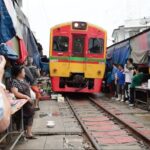
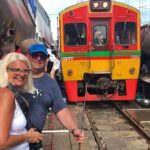
Bangkok in one full day of landmarks and river calm
Bangkok day one is about getting you settled fast. After arrival, you’re met at the airport arrival hall and transferred to a downtown hotel in an air-conditioned car. The goal is simple: you start your trip with a smooth landing and enough time to reset after travel.
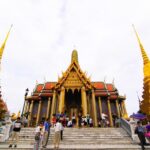
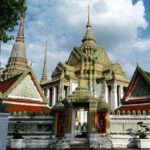
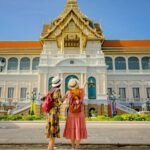
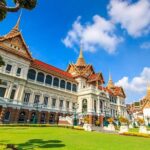
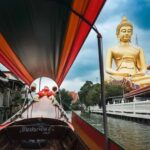
Then day two is the “greatest hits” temple day, grouped in a way that keeps travel time reasonable. You begin at Wat Traimit (Temple of the Golden Buddha), where you’ll see the famous seated Buddha statue known for its dramatic presence. Next you head to Wat Phra Chetuphon (Wat Pho), home to the giant reclining Buddha, followed by the core of royal Bangkok at the Grand Palace and Wat Phra Kaew (Emerald Buddha).
What I like about this grouping is how it builds a visual story. You start with a major Buddha statue, then shift to a temple complex with its reclining figure, then to the royal palace complex that feels like the city’s ceremonial center. It’s a lot of sight-seeing, but it’s also a clear progression.
After the palace circuit, the itinerary turns to something that’s not just photo-friendly but genuinely useful: a Chao Phraya River cruise. Bangkok can get intense. The cruise gives your group a chance to cool down, catch your bearings, and see parts of the city from the water, including small canals that you just don’t notice from the street.
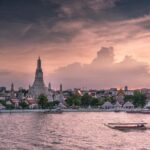
Day two ends at Wat Arun (Temple of Dawn), famous for its tall pagoda. It’s a satisfying finish because you transition from the big palace complex to a more open riverside viewpoint.
Practical note for families: you’re doing multiple temple visits back-to-back. Plan for breaks. If you’re traveling with kids, keep snacks handy and make water stops part of your routine.
Ayutthaya day: palace-style calm, then ruin-scale reality
Day three is your first move out of Bangkok’s constant motion. You travel to Ayutthaya, the ancient capital of Siam for more than 400 years. This is where Thailand shifts from modern streets to the kind of historical atmosphere that makes you slow down.
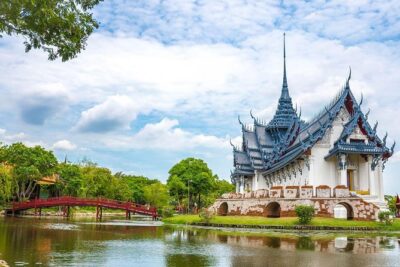
You start at Bang Pa In Palace, which feels like a “change in scenery” stop. It’s more palace-and-gardens than ruin-and-stones. Then you visit Wat Niwet Thammaprawat, described with a gothic inspired style. That contrast helps: the day isn’t only one type of temple.
Lunch is handled in the middle of your Ayutthaya time, with Thai food at a local specialty restaurant. That matters. A long temple day with no real meal reset is where families start to get cranky. Here, lunch is built in so you can refuel while the day stays structured.
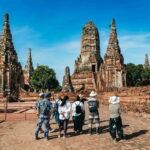
Then you reach Wat Mahathat, a key ruin stop. The feel of Ayutthaya is different from Bangkok. You’re not looking at a single preserved complex; you’re looking at the landscape of ruins and how the ancient city once functioned. It’s the kind of place where the guide’s explanations can help you connect the dots beyond the visuals.
The only potential drawback is that your Ayutthaya time is followed by travel the same day. Late afternoon you fly 1.5 hours to Chiang Rai and then transfer to your selected hotel. So you’ll be switching gears from history to airport to hotel, all in one day. If your family handles travel well, this will feel efficient.
Chiang Rai: tea-country views, border markets, and the Golden Triangle
Day four takes you into northern Thailand’s scenery and into areas that feel more “edge of the map” than “classic postcard.” You start at Mae Salong, known for tea plantations and scenic viewpoints. This stop is a good match for families because it’s outdoors-focused and slower paced than dense city temples.
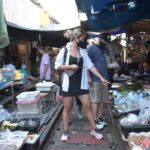
Next you head to Mae Sai, the border market on the Thai-Burmese border. Markets can be chaotic, but this is also where you see everyday commerce and cross-border life. Go in ready to browse, not to expect everything to feel curated or polished.
After lunch you continue to the Golden Triangle, where Thailand, Myanmar, and Laos meet. This is a viewpoint stop, and like many border regions, it can feel busy depending on timing. Still, it’s one of those “you can’t really get this at home” experiences.
You finish the day at Chiang Saen, with ruins and remains connected to an ancient kingdom along the Mekong River. It rounds out the day with a history angle that complements the market and viewpoint stops.
The day ends with an escort back to your Chiang Rai hotel. That’s valuable after a border-and-travel day: you don’t lose energy waiting around with no plan.
Chiang Mai: markets, rickshaw streets, monk chat, and 306 steps
Day five moves further into Chiang Mai region culture. On the way, you stop at Wat Rong Khun, famously called the White Temple. It’s visually striking, and it’s also a nice reset because you get a temple moment before arriving in the more active Northern city.
Then you head to Mae Khachan Hot Spring for a short rest stop. This is a great practical inclusion for families. Even 20 minutes can make the next leg easier, especially if you’ve been walking.
Next, you arrive in Chiang Mai and visit Wat Jed Yod (known for its seven spires) and Wat Suan Dok, recognized for the cluster of white pagodas. You also have a hotel arrival at the end of the day, so you’re not dragging your day into endless evening commitments.
Day six is where Chiang Mai starts to feel like a living city. You begin at Warorot Market (Kad Luang), an indoor market with Chinese elements due to over a century of trade. This is a strong first stop because you’re grounding your Chiang Mai experience in daily life, not just temples.
Then comes one of the more fun, family-friendly touches: a rickshaw ride. The itinerary specifically calls it an exclusive experience, and it’s aimed at letting you glimpse older streets and alleys with market energy. It’s also a smart way to reduce walking while still seeing the city.
From there you visit the Three Kings Monument, then Wat Chedi Luang. A neat detail here: the itinerary notes there is monk chat from 9:00 to 17:00 daily. If your group wants to ask questions about Buddhist beliefs and daily monk life, this is the kind of moment that makes a trip feel human rather than strictly sightseeing.
You then move to Wat Phra Singh, and finally end at Wat Phra That Doi Suthep. You’ll face the famous 306 steps leading up to the main hall. Your group can climb them, and if you’re traveling with kids or anyone with mobility limits, you’ll want to pace this carefully. It can be a full end-of-day challenge, but it also makes the last stop feel like a real accomplishment.
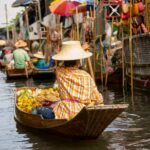
Cooking class day and the Phuket flip: culture on one side, beach on the other
Day seven is a turning point. You start with a Thai Farm Cooking School Class, described as a join-in experience. It includes a market walk before the cooking, which is a huge plus for families because you get context for ingredients rather than just watching a demo. Then you cook and learn through the class itself.
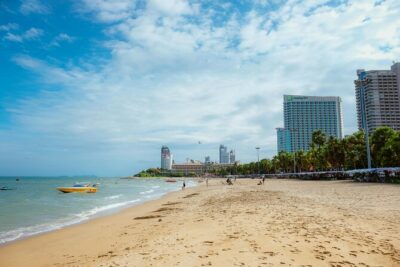
After that, you fly to Phuket in the afternoon. You transfer to your hotel by local driver in an air-conditioned vehicle. The vibe shift is big, and that’s on purpose: after days of temples and northern sightseeing, Phuket gives your family permission to exhale.
Days eight and nine are intentionally flexible: 8 hours each day at your own pace. This is where you can decide what kind of Phuket trip you want. You might focus on beach time, a relaxed seafood meal schedule, or easier sightseeing. You’re not locked into a rigid temple circuit for those days, which is a smart design for families.
Phuket free time: how to use it so the trip doesn’t feel unfinished
Because those Phuket days are open, your success here depends on your choices. The good news is that Phuket has enough variety that you’re unlikely to run out of options even with a family schedule.
My practical advice: pick one “anchor” plan per day, then leave the rest flexible. For example, do one longer outing (beach or a full-day island-style excursion) and keep the other half-day light. That way you’re not rebuilding your energy every evening.
Also, use your free days to match your family’s energy levels. If your kids are tired, go for a slower beach morning and keep the afternoon simple. If you want more adventure, you can add it without feeling like you’re fighting a pre-booked schedule.
And yes, Phuket is where the temple dress code stops mattering. This is the time for shorts, tank tops, and sun protection.
Price and value: what $3,199 really covers
At $3,199 per person, you’re paying for a lot more than sightseeing. The itinerary includes economy-class airfare for the key internal legs (Bangkok to Chiang Rai, Chiang Mai to Phuket, and Phuket to Bangkok). You also get selected hotel accommodation with daily breakfast, English-speaking guides, and an air-conditioned vehicle with private/shared driver service across the ground segments.
You’re also covered for entrance fees for the sights listed, plus breakfast and lunch on multiple days (breakfast count listed as 9, lunch count listed as 5). In other words, you’re not building your budget from scratch day by day.
What’s not included is equally important:
- International flights into and out of Bangkok
- Tips for guides and drivers
- Travel insurance and visa fees
- Personal expenses (laundry, phone calls, drinks)
- Any festival/holiday peak surcharges
- Not suitable for people over 80 years old
So is it “worth it”? For families who want a structured trip with transport and admissions already handled, the value often comes from time saved and decision fatigue avoided. If you’re the type who enjoys DIY planning and doesn’t mind booking flights, hotels, and tickets yourself, you might be able to lower costs. But if your priority is a smooth, guided route across multiple regions, this price starts making sense quickly.
Small logistics that matter: dress code, timing, and guidance clarity
Two practical points can make or break the experience.
First, temple dress code. The rule is clear: no shorts or sleeveless tops for places of worship, and knees and shoulders must be covered. This applies to both men and women, and you risk refused entry if you ignore it. Pack a light layer or shawl that can handle warm weather.
Second, guide communication. One past traveler noted a very strong accent sometimes made it harder to understand memorized explanations. That doesn’t mean you’ll have the same issue, but it’s smart to be aware. If understanding is a priority for your group, tell your guide early that you may need repetition.
On timing: you start at 9:00 am and the meeting point is at Bangkok Intl Airport with a Bangkok address listed for the start. That’s early enough to avoid rushing later in the day.
Who this family Thailand tour fits best (and who should reconsider)
This tour fits best if you want a guided sampler across Thailand’s big regions, and you value having air-conditioned transport, English-speaking guidance, and entrance fees handled. It also suits families who can handle daily movement and temple days with short breaks.
It might feel too intense if your group wants lots of downtime every day, or if anyone struggles with long stair climbs like 306 steps at Doi Suthep. It’s also not suitable for people over 80, based on the tour’s stated limits.
If your family’s travel style is “see the highlights, then relax,” you’ll like how the itinerary transitions. Bangkok and Ayutthaya give you cultural anchors. Chiang Rai and Chiang Mai add northern variety. Phuket gives you breathing room.
Should you book this private 10-day Thailand family tour with Phuket?
I’d book it if your ideal trip looks like this: temples and history early, markets and local culture in the middle, and beach time at the end with freedom built in. The main value is that you’re guided end-to-end across multiple regions, with the internal air tickets and entrance fees included.
I’d hesitate if your group needs very slow days, or if you know you won’t tolerate a tightly scheduled temple circuit. Also, if your family can’t manage stairs and uneven steps, plan carefully for Doi Suthep.
If you decide to go, pack smart for temple dress rules, and treat Phuket days as your recovery period. Done right, this itinerary gives you a full Thailand story without making you do the work.
FAQ
What locations are included in the tour?
The tour covers Bangkok, Ayutthaya, Chiang Rai, Chiang Mai, and Phuket, moving from north to south over about 10 days.
Is this tour private?
Yes. It’s listed as a private tour/activity, so only your group participates.
What’s included in the price?
Included items are economy-class airfare for the internal routes, selected hotel accommodation with daily breakfast, English-speaking guides, air-conditioned vehicle service with driver, entrance fees for the sights mentioned, and specified breakfasts and lunches.
What is not included?
International flights to and from Bangkok, tips for guides and drivers, personal expenses like laundry and drinks, personal travel insurance, Thailand visa fees, and any festival/holiday peak season surcharges are not included.
What is the dress code for temple visits?
For places of worship, you must have knees and shoulders covered. No shorts or sleeveless tops are allowed, and you may be refused entry if you don’t follow the rule.
What time does the tour start and where is the meeting point?
The start time is 9:00 am, and the meeting point is listed at Bangkok Intl Airport with a Bangkok address provided for the start location.
Is the trip refundable if I cancel?
No. This experience is non-refundable and cannot be changed for any reason.