REVIEW · EVENING EXPERIENCES
Bangkok: Street Food Tasting Tour at Night
Book on GetYourGuide →Operated by KIJSIRAVEJ COMPANY LIMITED · Bookable on GetYourGuide
Chinatown street food, guided by a pro. This Bangkok night market food tour strings together six food stops of Thai-Chinese best-sellers, with a guide who explains what you’re eating and why it matters. I also like that you get a highlighted homemade menu stop with a secret ingredient, not just random street samples. The main drawback is that it’s not a good match for many diets and allergies, especially if you’re vegan, gluten-free, or allergic to shrimp, peanuts, pork, or dairy.
You’ll meet outside the MRT Wat Mangkon station (exit 3), then walk into Chinatown’s late-night chaos on foot—so skip taxi hassles and wear comfortable shoes that can handle crowded sidewalks. I like the practical pace: 150 minutes means you get a serious food hit without turning the night into an all-nighter.
Guides often bring real personality to the walk; some departures are led by Sophie/Sofie, and the best tours use that skill to add quick culture and food-history context between bites. One thing to watch, though: street eating is a contact sport, so pay attention to how food is handled and don’t force it if something feels off for your comfort level.
In This Review
- Key highlights worth your attention
- Entering Bangkok Chinatown after dark
- Meet at Wat Mangkon, then ditch the taxi plan
- The 150-minute pacing: enough time to eat, not enough to regret it
- Stop-by-stop: how the six tastings are likely structured in Chinatown
- Stop 1: The opening Chinatown snack moment
- Stop 2: Dumplings or Chinese-style savory bites
- Stop 3: A Thai-Chinese best-seller menu stop
- Stop 4: A sweet pastry or dessert-style bite
- Stop 5: The #1 ranking local dish moment
- Stop 6: The homemade menu finale with a secret ingredient
- Thai-Chinese flavor: why this tour’s cuisine focus matters
- The guide experience: English narration and the Sophie/Sofie effect
- Price and value: what $49 buys you in Bangkok
- Logistics that can affect your comfort
- Who should book this night food tour
- Should you book this Bangkok Chinatown street food tasting tour?
- FAQ
- Where do I meet for the Bangkok Chinatown street food tasting tour?
- How long is the tour?
- How many food stops are included?
- Is hotel pick-up and drop-off included?
- Is alcohol included in the price?
- Is the tour vegetarian or vegan-friendly?
- Does the tour allow people with gluten intolerance or gluten-free needs?
- What allergies should make me reconsider booking?
- Are electronic devices allowed during the tour?
Key highlights worth your attention
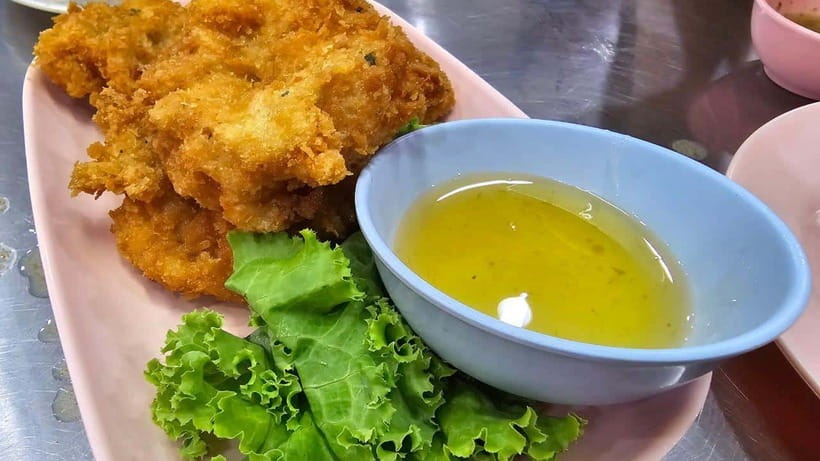
- Six planned tastings (not a random stroll): You’ll hit multiple stops and leave full, not just snack-y.
- Thai-Chinese menus you can’t easily replicate at home: Expect the flavors and street “sets” that locals actually order.
- A standout homemade menu with a secret ingredient: This is your structured finale, not just another street booth.
- Chinatown walking, including narrow alleys: Great for atmosphere, but it does mean tight spaces and lots of foot traffic.
- A guide who ties food to local culture: You’ll learn the story behind what you’re tasting, along the way.
- Small-group potential on some dates: You may get a more personal vibe than the mega-tour style.
Entering Bangkok Chinatown after dark
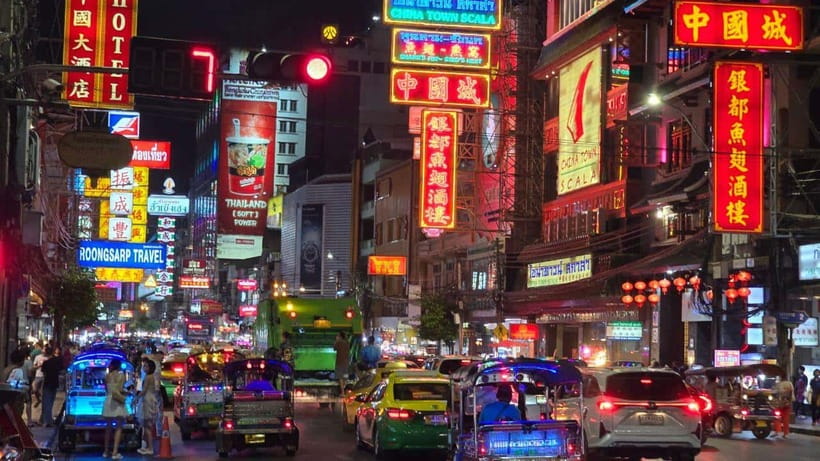
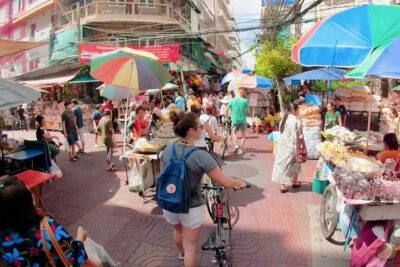
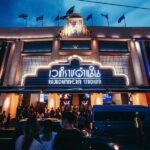
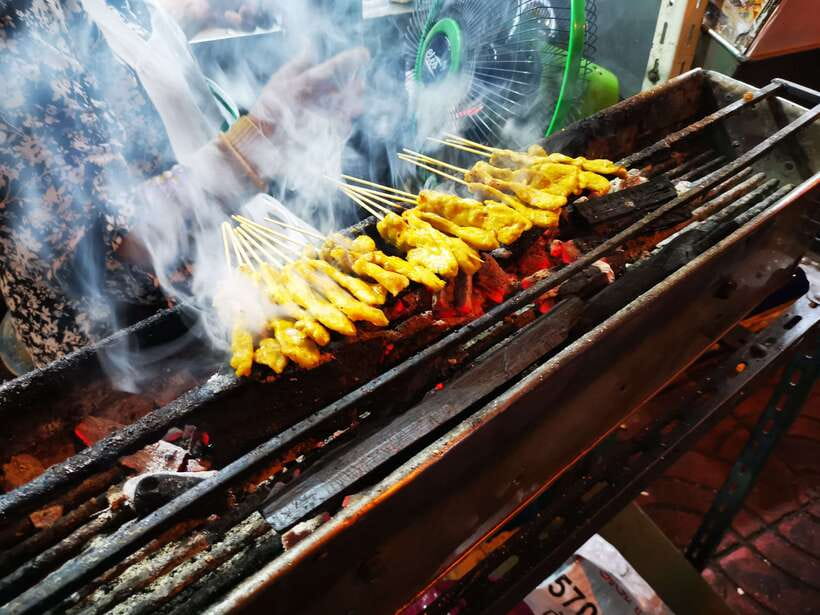
Bangkok’s Chinatown at night has a specific rhythm. The streets feel like they run on hunger: grills going, woks hissing, and people lining up without making a big deal about it. This tour works because it matches that rhythm. You’re not trying to plan each meal yourself—you’re following a guide through a set of stops built for eating.
The best part is that the food focus stays tight. You’re getting tastings designed around what the area is known for, especially Thai-Chinese dishes and well-liked local favorites. That matters because street food can be overwhelming when you’re hungry and don’t speak the food language.
You’ll also get short context as you go. It’s not a lecture. It’s the kind of explanation that helps you understand the difference between similar-looking items—like how sauces, dough, and fillings reflect Chinese-influenced Thai street menus.
If you’re expecting a high-end dining experience, adjust your expectations. This is street-level eating. You’re trading table service for proximity to where the food actually happens.
You can also read our reviews of more food & drink experiences in Bangkok

Meet at Wat Mangkon, then ditch the taxi plan
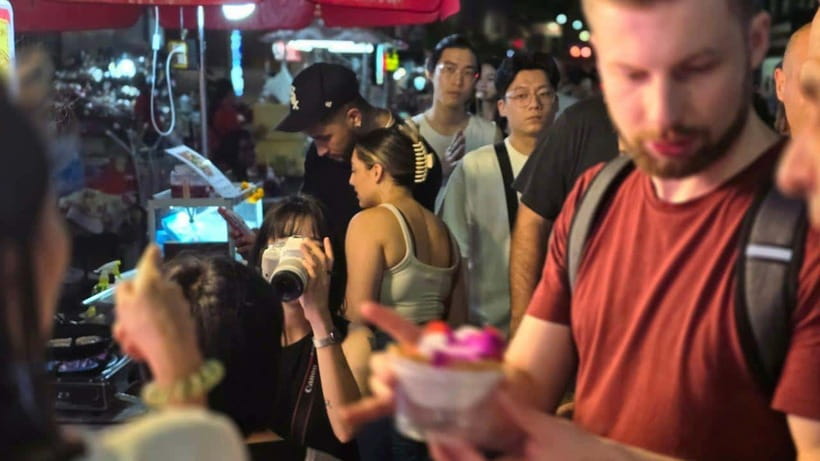
Your meeting point is clear: outside the MRT Wat Mangkon station, exit 3. The tour specifically warns you about heavy traffic, which is exactly why I suggest you treat this like an MRT-first night plan. Chinatown gets slow fast, and arriving late just adds stress.
Once you’re in the area, you’ll spend the tour walking. That’s part of the fun because the “market” feeling is real—you’re moving through alleys where people eat standing up and share space with scooters and street vendors.
A couple practical notes that affect your comfort:
- You’ll want comfortable shoes for uneven sidewalks and crowds.
- You should expect tight walking lanes at times, which can be uncomfortable if you hate confined spaces.
- The tour does not include hotel pickup and drop-off, so you’ll be on your own getting there. Use MRT and arrive a little early so you can find the group without rushing.
Also, taxis can look convenient on a map. In Chinatown at night, they often turn into a parking lot.
The 150-minute pacing: enough time to eat, not enough to regret it
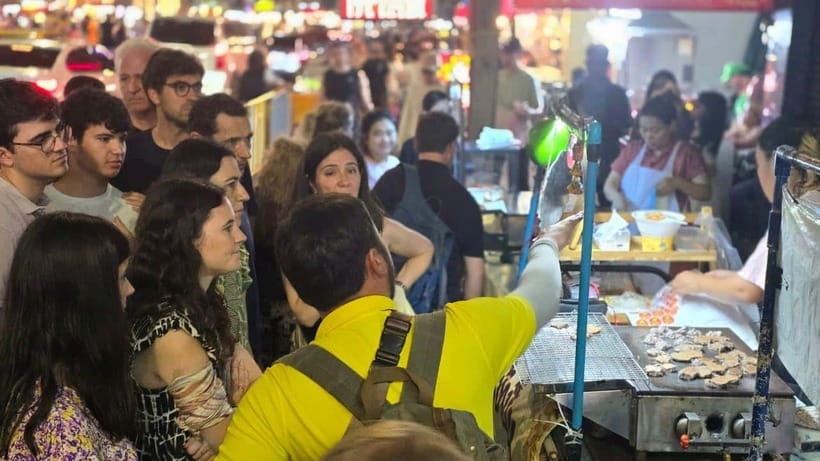
At 150 minutes, this is a well-timed “late dinner fix.” You’re not stuck out until midnight, but you’re also not just doing a quick sampler. The goal is to get you tasting at six different food stops during the walk, which is the sweet spot for trying variety while still leaving your appetite satisfied.
This pacing also helps with decision fatigue. Instead of standing in front of six menus and trying to guess what’s good, you follow the guide’s sequence. That’s especially valuable in Chinatown, where you’ll see lots of similar-looking items and mixed-language signage.
You also get the cultural payoff in small chunks. You’re learning between bites, not waiting until the end for explanations.
If you’re the type who gets hangry quickly, this tour’s structure is a win. You’re never too long between tastings, and the tour design assumes you’ll keep moving.
Stop-by-stop: how the six tastings are likely structured in Chinatown
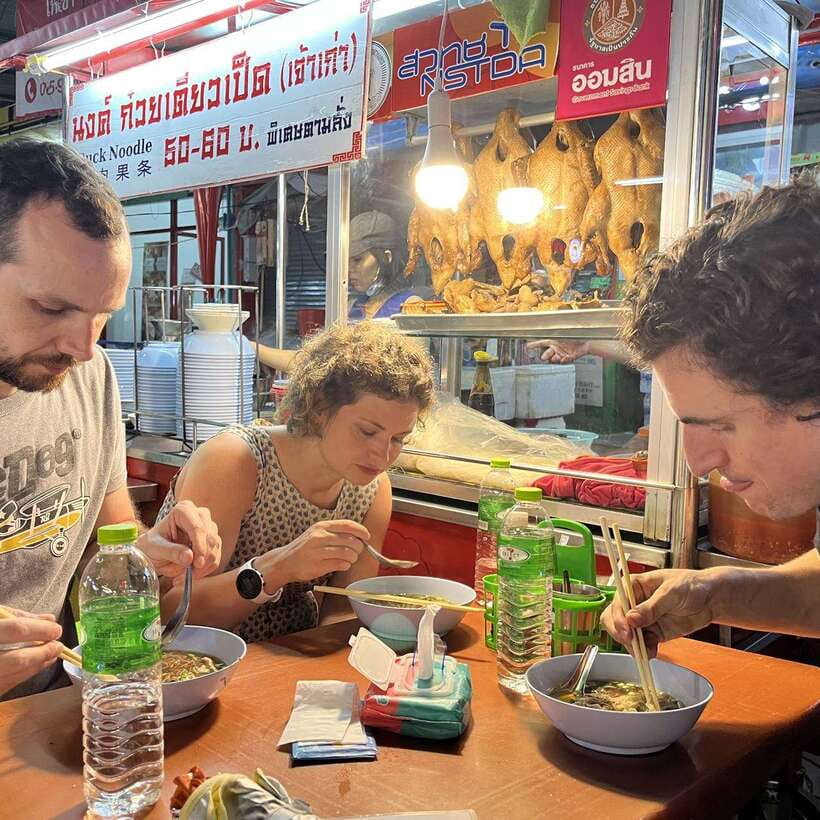
You won’t be served a single course. You’ll bounce between booths and stalls, sampling Thai-Chinese street-food favorites in a sequence that aims for variety. Here’s the practical way to think about what those six stops usually cover, based on the food types and tour highlights.
Stop 1: The opening Chinatown snack moment
The first stop usually helps you get your bearings. Expect something easy to start with—often a savory street bite that sets the flavor baseline for what comes next.
Why it’s smart: your stomach warms up, and you figure out how sauces and textures work in this specific market style before the tour hits its heavier items.
Possible drawback: if you start with something spicy or rich, you’ll feel it more later. If you’re sensitive, mention it early to your guide.
You can also read our reviews of more tours and experiences in Bangkok
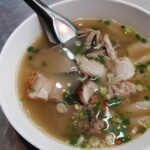
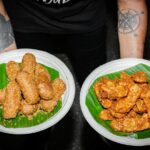
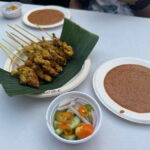
Stop 2: Dumplings or Chinese-style savory bites
The tour explicitly includes savory dumplings as part of the tasting mix. This is a great choice for Chinatown because dumplings translate well on the street: you can eat them fast, and you can taste the filling and seasoning clearly.
Why it’s worth your attention: dumplings often show you whether a shop is using better ratios—thicker skins, stronger aromatics, and fillings that taste balanced instead of one-note.
Possible drawback: dumplings can be one of the most allergen-heavy items on a street-food menu. If you have restrictions, this is exactly where you’ll need the most caution.
Stop 3: A Thai-Chinese best-seller menu stop
The highlights point to local best-selling Thai-Chinese style menus and getting tastes of top-ranked local dishes. In practice, this stop is where the tour leans into what regulars order—likely items that are faster to service for crowds and consistently popular.
Why it’s valuable: “best seller” is useful street-food logic. A dish that sells constantly usually has repeatable quality. You’re not gambling on a random new stall.
Possible drawback: popularity can mean lines and crowding. If you hate tight spaces, this is where you’ll notice the market feel most.
Stop 4: A sweet pastry or dessert-style bite
The tour mentions sweet pastries in the mix. This is your palate reset, and it helps you appreciate the savory flavors without ending the tour with salty overload.
Why it matters: street food can blur together if you only eat savory things. Adding a sweet option makes the tour feel complete and helps you enjoy the final stops more.
Possible drawback: some sweets contain dairy or nuts. If you’re sensitive to common allergy categories, do not assume all pastries are safe.
Stop 5: The #1 ranking local dish moment
You’ll taste what the tour positions as the #1 ranking local dishes in town. This is typically one standout item that the guide wants you to try, not just because it’s good, but because it tells a story about what Chinatown does best.
Why it’s great value: this is the one stop designed to feel like a “main attraction.” If you’re only doing one Chinatown night food experience, this is the heart of the tour.
Possible drawback: this stop can be intense on flavor and portion density. If you’re pacing yourself or have a smaller appetite, you’ll want to slow down and let your stomach keep up.
Stop 6: The homemade menu finale with a secret ingredient
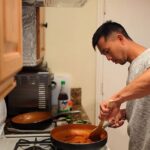
The highlight you don’t want to miss is the highlighted homemade menu with a secret ingredient. That phrase matters. It suggests you’re not only eating what’s easiest to sell on the street—you’re getting a more intentional menu moment.
Why this is a strong finale: homemade-style dishes tend to show craftsmanship. And a secret ingredient idea usually means the flavors have an extra layer you can actually detect if you pay attention.
Possible drawback: “secret ingredient” also means it might be something you can’t easily identify. If you’re allergic, you’ll want clear confirmation from your guide before eating.
Thai-Chinese flavor: why this tour’s cuisine focus matters
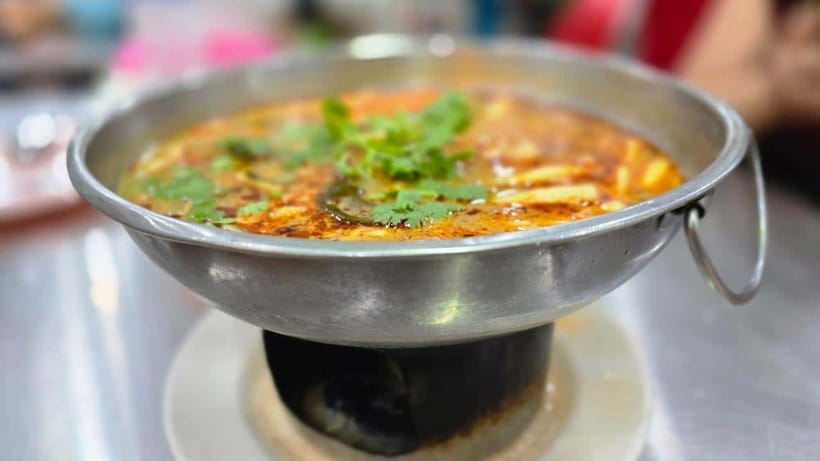
Chinatown food in Bangkok sits at a crossroads of influences. Thai-Chinese street food often blends savory aromatics, soy-based depth, and textures that fit fast street eating. It’s not just “Chinese food in Thailand.” It’s a local street language.
This tour leans into that reality with menus built around what’s popular. That’s how you get more meaning from the bites. Instead of eating random items, you taste a coherent slice of what the neighborhood is known for.
Also, you’re learning as you go. That helps you taste better. When you know what you’re looking for, you notice the difference between:
- sweet soy vs. darker, deeper sauces,
- ginger-forward aromatics vs. sharper chili notes,
- dumpling fillings that taste seasoned vs. just salty.
If you’re a foodie who likes to understand, not just consume, this tour is aimed at you.
If you only want food with no explanation, you may still enjoy the guide’s pointers because they’re tied directly to what’s in your hand.
The guide experience: English narration and the Sophie/Sofie effect
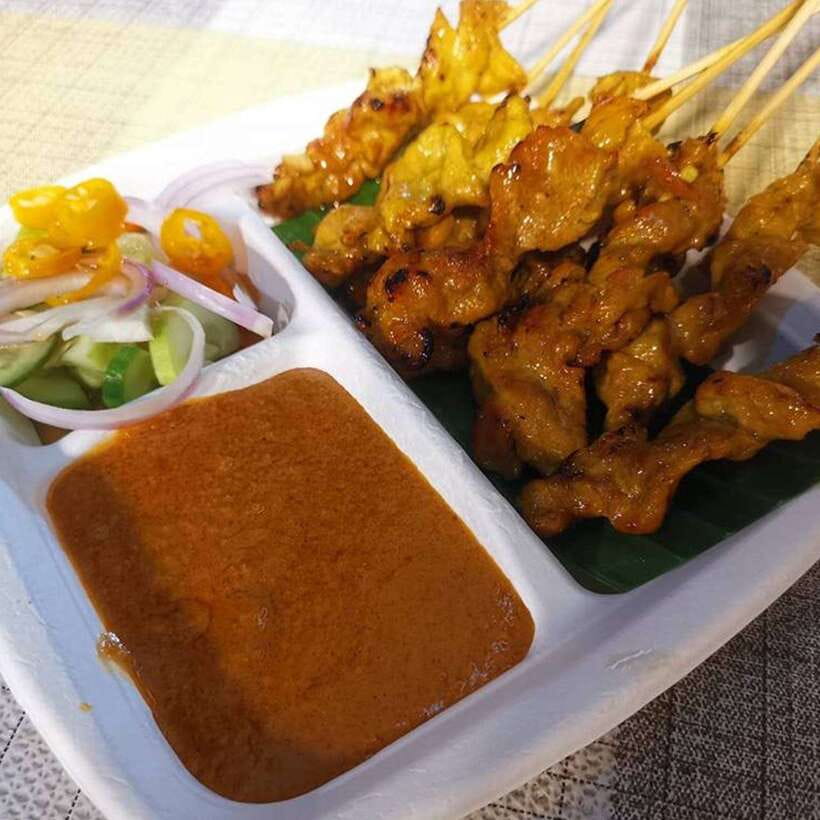
Your guide is English-speaking, and the tour is built around a guide-led walk where explanations happen between tastings. That’s one of the key value drivers for paying $49, because you’re not just buying food—you’re buying context and direction.
In the experiences shared with the company, guides such as Sophie or Sofie get singled out for being strong with both food and history-style facts about Bangkok and the Chinatown area. That kind of pairing is practical. It turns a night market into something you can remember with details.
Why that matters for you: Chinatown is crowded, and menu choices can feel like guessing. A good guide helps you:
- pick items you’ll actually like,
- understand what you’re tasting,
- avoid the dead ends where tourists accidentally crowd around the wrong stall.
One caution from the wider world of street food tours: hygiene habits can vary from stall to stall. On a walking tour, you’re trusting the team to manage safe preparation and handling. Keep your eyes open for how food is plated, and if you feel uneasy, speak up in the moment.
Price and value: what $49 buys you in Bangkok
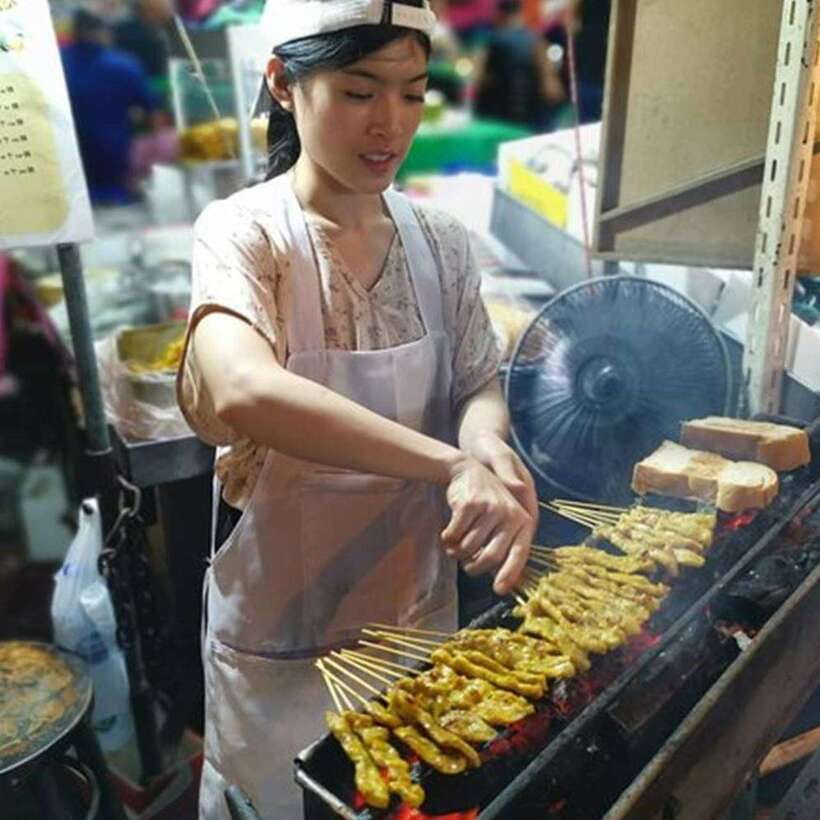
At $49 per person for a 150-minute night tour with six tastings, the cost is easier to judge than it looks.
Here’s the value math in plain terms:
- You’re paying for guide time and translation (not just food).
- You’re paying for access to a curated route through Chinatown.
- You’re paying for multiple tastings, which would cost you more if you tried to assemble it yourself under pressure.
Also, the tour doesn’t include hotel pickup, and it doesn’t include alcohol. That keeps the pricing more focused on food tastings and guide-led walking. If you’re already planning to use MRT, you’re not paying extra for transportation logistics.
So is it worth it? If you want a structured night eating plan, yes. If you just want to wander and pick your own items slowly, it might feel pricey—because you’d be able to eat cheaply by sampling one or two dishes on your own. This tour pays off when you want variety fast and you want someone else to do the hard part: choosing for you.
Logistics that can affect your comfort
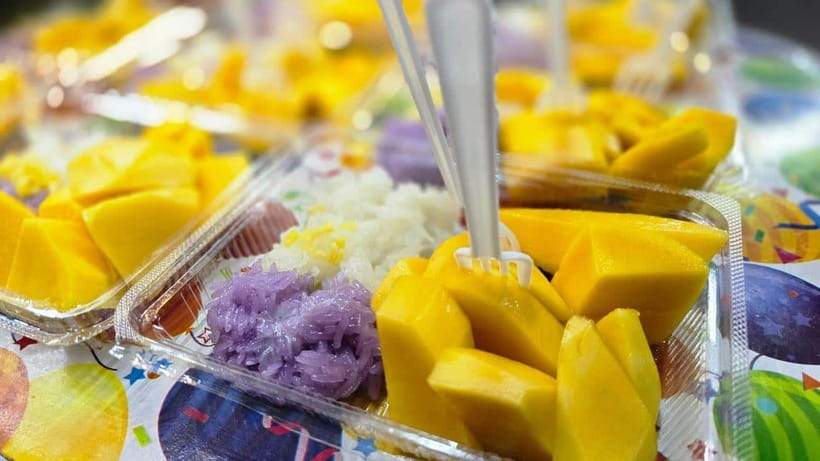
A few rules and practical details matter more than they sound.
No alcohol and no drugs. That keeps the experience more family-friendly and keeps you in control on busy streets.
No electronic devices allowed. This is unusual, but it changes the feel of the tour. You’ll likely store your phone and focus on the walking and eating. If you rely on your phone for navigation, plan ahead and download anything important before you start.
Not for bare feet. Easy fix, just wear shoes.
Bring comfy shoes. That one is non-negotiable in Chinatown.
Dietary restrictions are a bigger deal. The tour may not be suitable for vegetarian, vegan, or gluten-free diets, and it requests that people with allergies to shrimp, peanuts, pork, or dairy products consider not booking. If you fall into those categories, assume the menu includes common ingredients that can’t be safely swapped on the fly.
Mobility limits also matter. The tour isn’t suitable for wheelchair users or people with mobility impairments, and it may not work well for people with claustrophobia because you’ll walk through narrow alleys and crowded areas.
Who should book this night food tour
This tour is a strong fit if you:
- want a guided Chinatown walk with six tastings rather than a DIY buffet of guesses,
- like Thai-Chinese flavors and want to learn what’s popular and why,
- enjoy history-style context tied directly to food,
- want a 150-minute night plan that doesn’t drain your whole evening.
Skip it (or at least think twice) if you:
- have allergies or dietary needs that involve shrimp, peanuts, pork, dairy, gluten, or nuts,
- need full vegetarian or vegan options,
- get uncomfortable in tight crowds or narrow alleys,
- rely on phones for navigation during walks and don’t want to go device-free.
Should you book this Bangkok Chinatown street food tasting tour?
Book it if you want a focused, guide-led way to eat your way through Chinatown. The big reasons are the six planned stops, the Thai-Chinese emphasis, and that homemade finale with a secret ingredient. You’ll also likely get a better night out of it if you enjoy learning small details while you eat, especially with guides such as Sophie/Sofie who tend to bring both food and local context to the walk.
Skip it if your dietary needs are complex or you need strict accommodation for allergies, because the tour is not built for vegan/vegetarian/gluten-free substitutions. Also think twice if claustrophobia or mobility limits are part of your comfort equation.
If you’re an adventurous eater with the flexibility to enjoy what Chinatown is serving, this is one of those Bangkok nights that can turn into a highlight for the right reasons: you leave full, you learned something, and you didn’t have to play menu roulette.
FAQ
Where do I meet for the Bangkok Chinatown street food tasting tour?
You meet outside the MRT Wat Mangkon station at exit number 3.
How long is the tour?
The duration is 150 minutes.
How many food stops are included?
You’ll have tastings at 6 different places.
Is hotel pick-up and drop-off included?
No. Hotel pick-up and drop-off services are not included.
Is alcohol included in the price?
No. Alcoholic beverages are not included.
Is the tour vegetarian or vegan-friendly?
The tour may not be suitable for vegetarian or vegan diets.
Does the tour allow people with gluten intolerance or gluten-free needs?
The tour may not be suitable for people with gluten intolerance.
What allergies should make me reconsider booking?
The tour asks people with allergies to shrimp, peanuts, pork, or dairy products to consider refraining from booking.
Are electronic devices allowed during the tour?
No. Electronic devices are not allowed during the experience.