REVIEW · BANGKOK
Bangkok: Koko Japanese Omakase
Book on GetYourGuide →Operated by Hungry Hub · Bookable on GetYourGuide
Ninety minutes, and your table feels like Japan. Japanese Omakase in central Bangkok is a compact, chef-led meal built around the showmanship of course after course, with an intimate, exclusive vibe that keeps the focus on food. You’re not just ordering dishes; you’re watching them get made, then eating them at the right moment.
I love the way this experience leans hard into fresh seafood and Japanese-sourced ingredients, so the meal tastes like more than a theme night. One possible drawback: if Thai diners are seated at nearby tables, the chef may speak only Thai for a while, and the dish explanation for your turn can be very brief.
In This Review
- Key Things You’ll Notice Right Away
- Bangkok Japanese Omakase for $24: what that value really means
- What “omakase” looks like over 90 minutes
- Chef artistry isn’t just style—it’s part of the flavor
- Sharing set packages: smarter sampling for groups
- Japanese-sourced seafood in Bangkok: why it matters
- Hospitality style: attentive, but don’t expect long explanations
- Getting there, and what to bring (and not bring)
- Who this omakase experience suits best
- Should you book Koko Japanese Omakase?
- FAQ
- FAQ
- How long is the Koko Japanese Omakase experience in Bangkok?
- What is the price per person?
- Is transportation included?
- What kind of dining experience is it?
- Does the venue offer sharing sets for groups?
- Are alcohol or drugs allowed?
- What items are not allowed at the venue?
- Is it refundable if plans change?
Key Things You’ll Notice Right Away
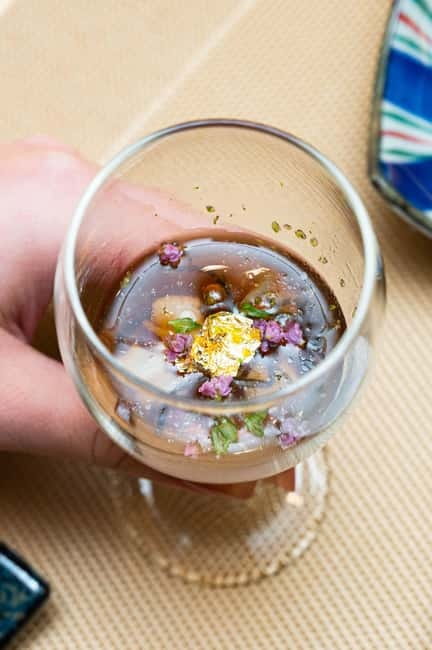
- A true omakase flow with chef prep and course pacing built for a 90-minute experience
- Japanese sourcing for seafood and ingredients, which is the whole point of choosing omakase
- Sharing set packages that let groups try more without paying for a full separate order each
- Intimate, exclusive atmosphere that feels quieter and more focused than a typical restaurant
- Impeccable hospitality paired with fast, practical explanations during service
Bangkok Japanese Omakase for $24: what that value really means
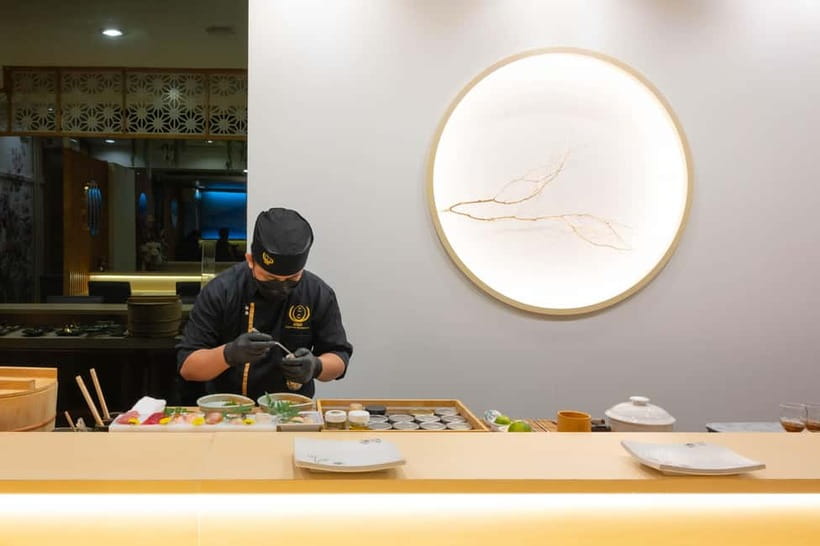
At around $24 per person and 90 minutes, Koko Japanese Omakase is positioned for one specific goal: a proper Japanese omakase-style meal without the luxury-menu price tag. In Bangkok, that matters. Seafood quality and sourcing can make or break the experience, and here the promise is clear: fresh seafood and ingredients sourced from Japan, served in a chef-led sequence.
This is also not a long, slow dinner where you fade into the background. It’s a timed experience, which changes how you should approach it. You’ll want to arrive ready to eat, keep your phone away between courses, and let the chef’s rhythm set the pace. If you like restaurants where service feels coordinated and intentional, you’ll probably feel at home.
And because the venue is described as intimate and exclusive, you shouldn’t expect a chaotic, noisy dining room. The value isn’t only the price. It’s the feeling that your table is the focus.
You can also read our reviews of more tours and experiences in Bangkok.

What “omakase” looks like over 90 minutes
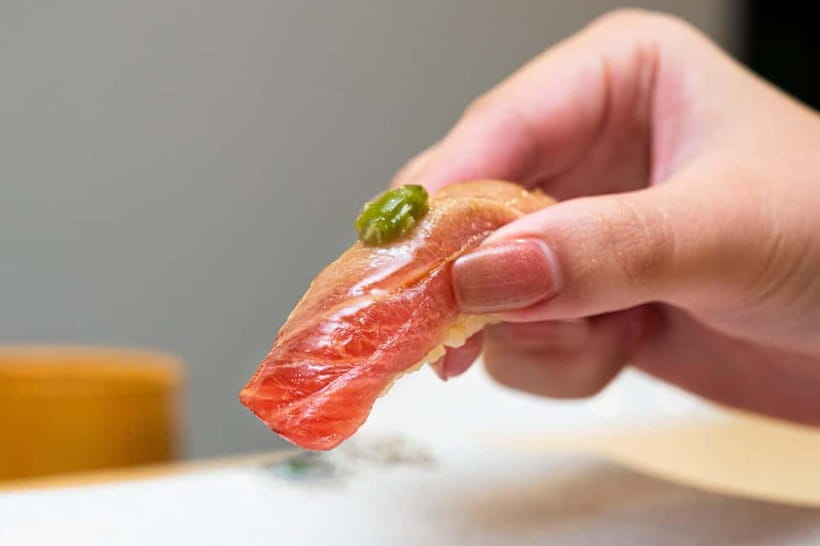
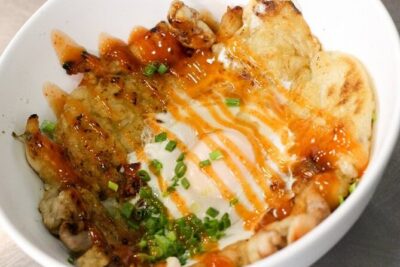
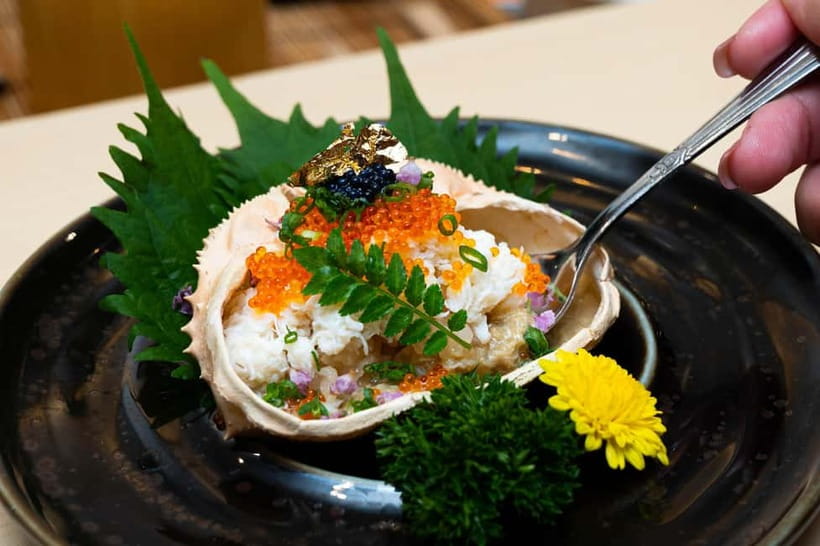
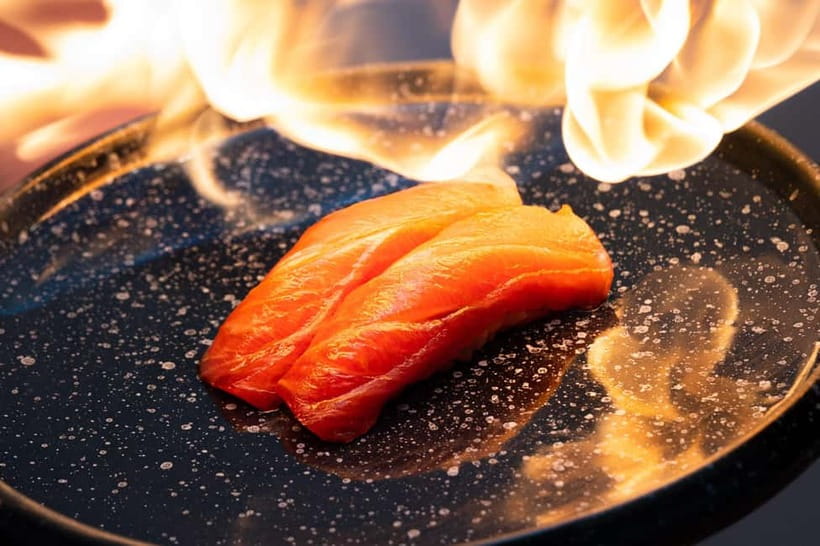
Omakase is about trust: the chef decides the sequence, and you experience it in order. Here, the big action is right at the table level—each dish is prepared by the chef, and the meal is presented course by course with care. That’s what makes this different from ordering a few sushi pieces and calling it dinner.
Over 90 minutes, the pacing tends to be tight enough that you’ll experience the full arc of the meal without losing your appetite to waiting. You can expect:
- A chef-led sequence where each course is handled as its own moment
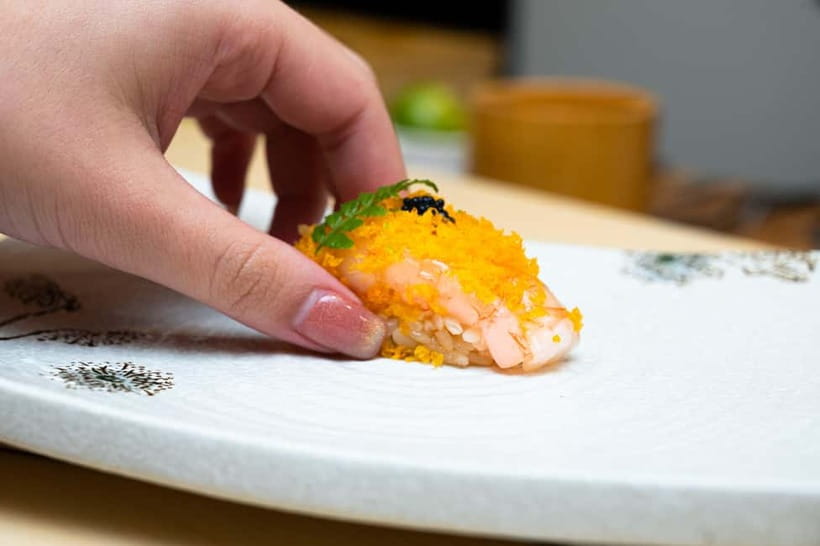
- Careful presentation, not just food dropped on a plate
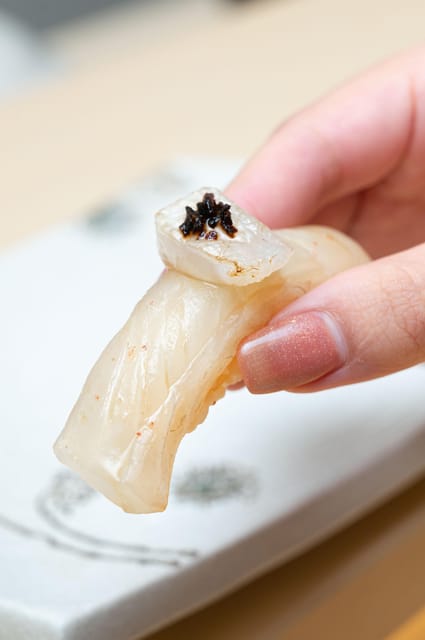
- A focus on seafood and premium ingredients, not heavy sauces
A practical tip: pace your water sips and avoid filling up on anything before the main courses begin. If you go in hungry and stay present, you’ll get the best “course-to-course” effect—different textures and flavors showing up while your palate is still fresh.
Chef artistry isn’t just style—it’s part of the flavor
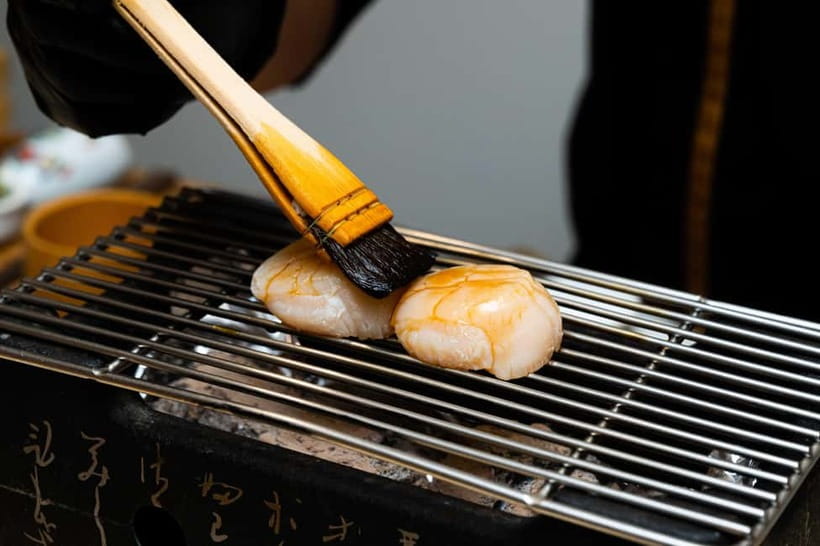
One of the headline promises is the “artistry and skill” of the chefs preparing each dish, and that’s not marketing fluff when the meal is built like omakase. When food is made right in front of you, you tend to notice details that you’d miss with a kitchen-and-plate assembly line.
Here’s what you can take from that:
- You’re more likely to get food at the intended temperature and timing
- You’ll see how the chef treats the ingredients—especially seafood—before it reaches you
- The meal becomes an experience, not a transaction
The chef also plays an information role. In one case, the dish identification during your turn was described as quick, which tells you something about the style of service: don’t expect a long lecture. Expect practical, short guidance. If you’re the type who enjoys quick explanations tied to taste and texture, that can actually be a good fit.
Sharing set packages: smarter sampling for groups
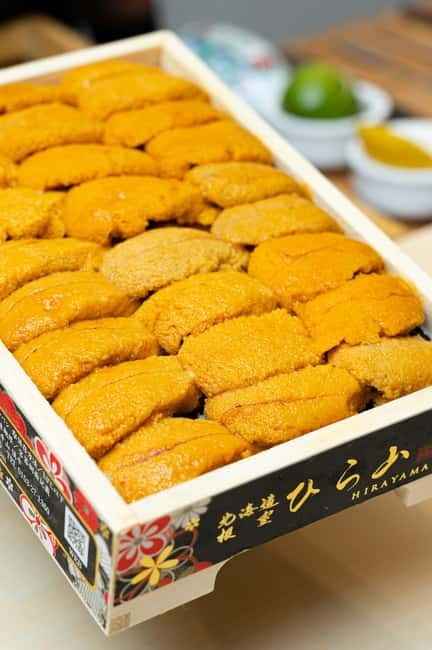
The restaurant offers sharing set packages designed for groups. That’s a big deal for value. Instead of everyone ordering separate courses (and everyone spending time waiting for slightly different items), the package structure encourages variety at a controlled price.
What you’ll like about this approach:
- You sample more across the meal without paying like it’s a tasting menu
- Group dining feels coordinated because dishes are part of a curated set
- You avoid the common problem of one person buying most of the “real food” while others get leftovers
It’s also a good strategy if you’re traveling with friends and your group has mixed preferences. Omakase is still the backbone, but the sharing format makes it easier to experience the meal together.
For couples, it can also work if you’re hungry and enjoy trying different bites. Just note that sharing setups are often designed with groups in mind, so ask yourself if you prefer full control of your own plate versus a communal rhythm.
Japanese-sourced seafood in Bangkok: why it matters
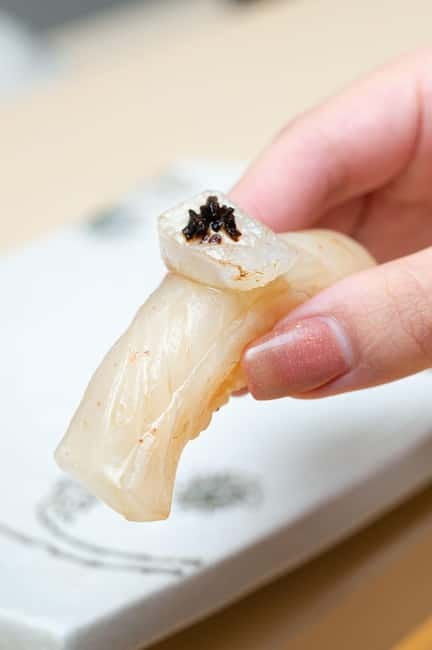
Bangkok has plenty of sushi and seafood options. So why spend on omakase? Because the ingredients are supposed to come from Japan, and the meal is designed to highlight them through minimal fuss. When the focus is highest quality seafood and Japanese sourcing, the difference shows up most in:
- Freshness (how “clean” and lively the seafood tastes)
- Texture (how firm or delicate it feels, not just how it tastes)
- Balance (less masking with heavy sauces)
If you’re food-minded, this is where omakase can justify the price. The value isn’t only the chef performance—it’s the ingredient quality plus the way it’s served in the right order.
Hospitality style: attentive, but don’t expect long explanations
The experience includes impeccable hospitality, and that likely shows in how smoothly courses move and how the staff handles your table. But based on how service can feel, you should adjust your expectations.
One note to plan around: if Thai diners are seated at nearby tables, the chef may speak Thai during their interaction, and your own dish introductions can be quick and to the point. That doesn’t automatically mean you’ll miss the experience. It just means:
- Don’t rely on long storytelling for understanding
- Pay attention to what’s in front of you and how it’s presented
- If you want clarification, ask briefly and directly
I’d treat this as a meal for the senses first, language second. If you like cooking demos where the real education is watching technique, you’ll probably enjoy this format.
Getting there, and what to bring (and not bring)
Transportation is not included, so you’ll want to plan your own ride or walk route. Since you’re in central Bangkok, this usually isn’t a nightmare, but it does mean building in time for street traffic and getting dropped close enough to enter easily.
What you should also know: the venue lists clear items that are not allowed, including:
- Alcohol and drugs
- Swimwear
- Bare feet
- Sportswear
- Weapons or sharp objects
That means you should dress like you’re going to a normal dinner. Comfortable shoes matter. Also, since alcohol is not allowed, don’t plan on pairing your meal with drinks from the restaurant. If you’re used to turning dinner into a social drinking session, this will feel more like a focused dining event.
Who this omakase experience suits best
This is a strong fit if you:
- Want a traditional Japanese omakase style meal, but on a Bangkok-friendly budget
- Like seafood and appreciate quality ingredients more than heavy sauces
- Travel with friends or family and want a sharing set package option
- Enjoy watching chefs work and eating in a structured course rhythm
It may be less ideal if you need lots of conversation or prefer a very long, leisurely dinner. The experience is 90 minutes, and service appears practical and brief, especially around dish explanations.
Should you book Koko Japanese Omakase?
I think it’s worth booking if you want a real taste of omakase—chef-led, seafood-focused, and priced like a smart night out. The best reason to go is the combination of Japanese-sourced ingredients and an intimate omakase format that respects your time with a tight 90-minute flow.
If you’re extremely language-dependent for your dining experience, keep your expectations practical. You may get quick dish identification rather than detailed commentary, especially when the chef switches languages based on who’s seated.
My call: book it when you’re hungry, you want seafood quality, and you’re open to a meal where the main story is what’s on the table.
FAQ
FAQ
How long is the Koko Japanese Omakase experience in Bangkok?
The experience lasts 90 minutes.
What is the price per person?
The price is $24 per person.
Is transportation included?
No. Transportation is not included.
What kind of dining experience is it?
It’s a Japanese Omakase experience, with chef-prepared dishes in an intimate setting.
Does the venue offer sharing sets for groups?
Yes. There are sharing set packages designed for groups so you can sample a variety of dishes at a valuable price.
Are alcohol or drugs allowed?
No. Alcohol and drugs are not allowed.
What items are not allowed at the venue?
Items not allowed include weapons or sharp objects, swimwear, sportswear, swimming, and bare feet.
Is it refundable if plans change?
No. The activity is non-refundable.