REVIEW · BANGKOK CITY HIGHLIGHTS & WALKING TOURS
Bangkok: Chinatown & Taladnoi Street Art Guided Walking Tour
Book on GetYourGuide →Operated by TRIPZA sightseeing · Bookable on GetYourGuide
Bangkok can feel like a blur unless you know where to look. This 4-hour walk through Yaowarat and Talat Noi shows the city’s Thai-Chinese layers in a way a casual stroll usually misses. I love how the route blends temples, shrines, and market streets into one flowing morning, and I love the storytelling from guides like Jenny, Nok, Mai, and Mariyah, who explain the culture without making it feel like a lecture. The main drawback to plan for is the walking pace and tight alleyways, which also makes it a poor fit if you’re pregnant or using a wheelchair.
You meet at MRT Wat Mangkon Exit 3, start with Chinese spiritual life at Wat Mangkon Kamalawat, then move through a morning market atmosphere, historical stops like Tian Fah Foundation Hospital and the Golden Buddha at Wat Traimit, and finally end at the Chao Phraya riverfront. By the time you reach River City Bangkok, you’ll have enough context to choose your own next step—riverside lunch, a boat ride, or a slow wander on your terms.
In This Review
- Key takeaways before you go
- Getting Oriented Fast: MRT Wat Mangkon to Real Yaowarat Streets
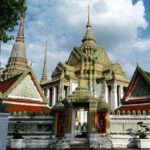
- Wat Mangkon Kamalawat: The Center of Chinese Spiritual Life
- Morning Market Mood: Street Food, Incense, and Local Life
- Tian Fah Foundation Hospital: Charity with Real Historical Weight
- Wat Traimit and the Golden Buddha: A Story That Lifts the Whole Route
- Wat Pathum Khongkha: A Softer, Royal Pause
- Talad Noi Ironworks Alleys: Where Craft Still Shows Up
- Talad Noi Community Museum and Street Art Stops
- Ending at River City Bangkok: Choose Your Own Next Move
- Price and Logistics: Is $19 Good Value?
- Who This Tour Fits Best
- Practical Tips to Make It Easier (and More Fun)
- Should You Book This Chinatown and Talad Noi Walk?
- FAQ
- Where do I meet the tour guide?
- How long is the walking tour?
- Is the tour led by an English-speaking guide?
- What’s included in the price?
- Are meals included?
- What should I wear or bring?
- Is this tour suitable for pregnant women or wheelchair users?
- Where does the tour end?
- Can I cancel and get a full refund?
Key takeaways before you go
- Start at MRT Wat Mangkon Exit 3 for a smooth entry into Yaowarat.
- Temples + everyday commerce: Wat Mangkon Kamalawat, Wat Traimit, and market streets in one route.
- Thai-Chinese heritage explained clearly by an English-speaking guide.
- Talad Noi street art meets old ironwork alleys, plus a community museum stop.
- You finish at River City Bangkok, so your day doesn’t have an abrupt end.
Getting Oriented Fast: MRT Wat Mangkon to Real Yaowarat Streets
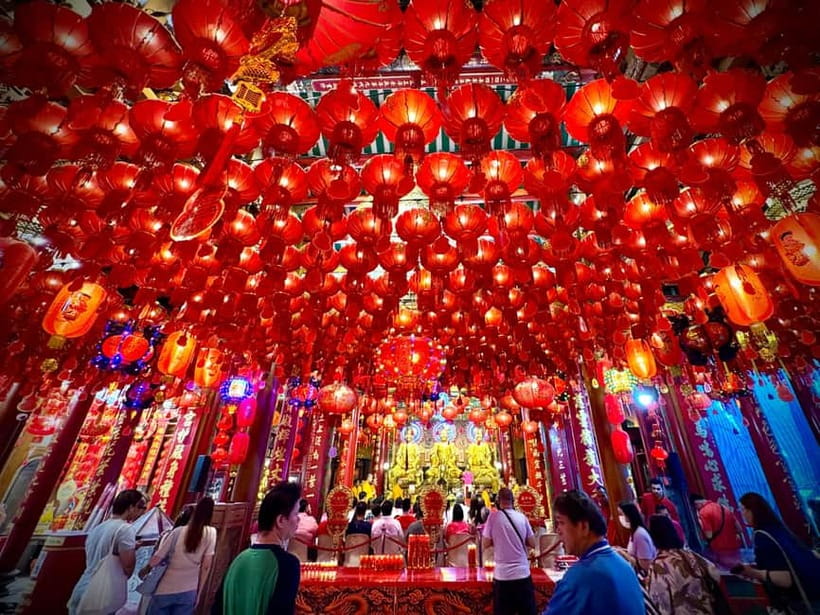
I like tours that solve the first problem right away: where you’re standing and what you’re looking at. You start at MRT Wat Mangkon Exit 3, which is an easy anchor point for Chinatown—and you’ll walk straight into Yaowarat’s daily rhythm instead of orbiting the usual photo spots.
If you choose optional pickup, your guide meets you and holds a sign with your name, then you roll out together. Either way, the tour begins with you getting bearings quickly, and that matters here because the streets multiply fast once you leave the wider roads.
In the first part of the walk, expect a mix of short photo moments, guided viewing, and walking through side streets where incense, signage, and small religious details show you how this neighborhood “works.” One practical benefit of a guided route is safety and flow: you’re less likely to get stuck backtracking through narrow lanes while also trying to figure out what each building is.
You can also read our reviews of more walking tours in Bangkok


Wat Mangkon Kamalawat: The Center of Chinese Spiritual Life
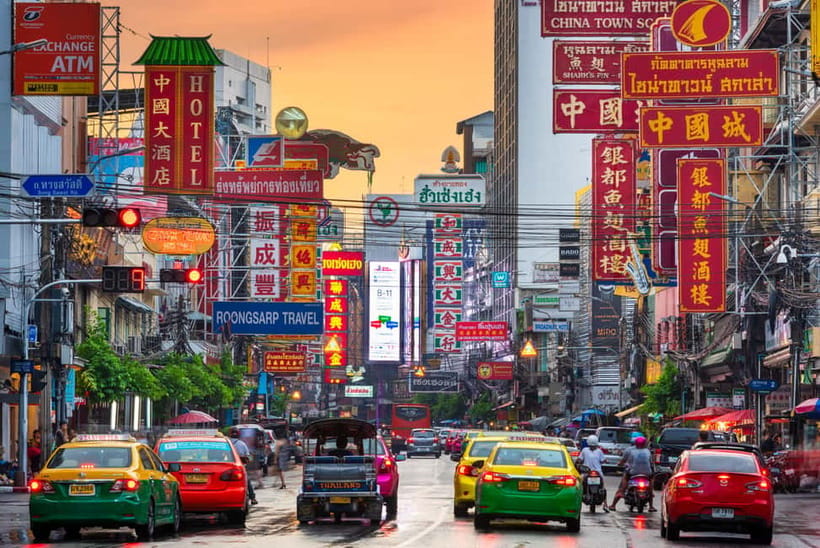
The first big temple stop is Wat Mangkon Kamalawat, described as a hub of Chinese spiritual life—and you can see why. This isn’t a place you treat like a quick backdrop. Your guide helps you read the space: why these shrines and rituals show up here, and how Chinese religious traditions took root in Bangkok’s commerce-and-trade community.
What I appreciate about this stop is pacing. You’re not just walking past something impressive; you’re learning what it represents. And because the tour includes later historical stops, Wat Mangkon Kamalawat works as an early “key” for understanding the rest of the neighborhood.
Morning Market Mood: Street Food, Incense, and Local Life
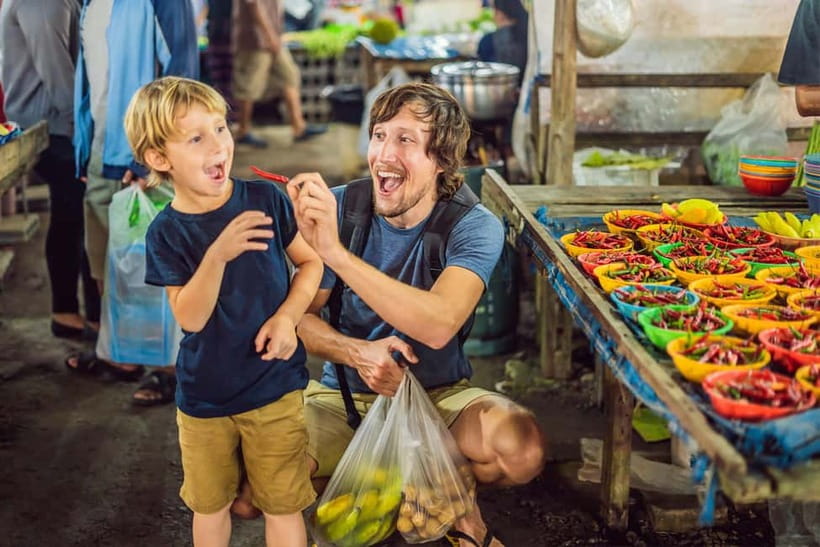
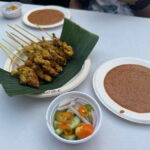
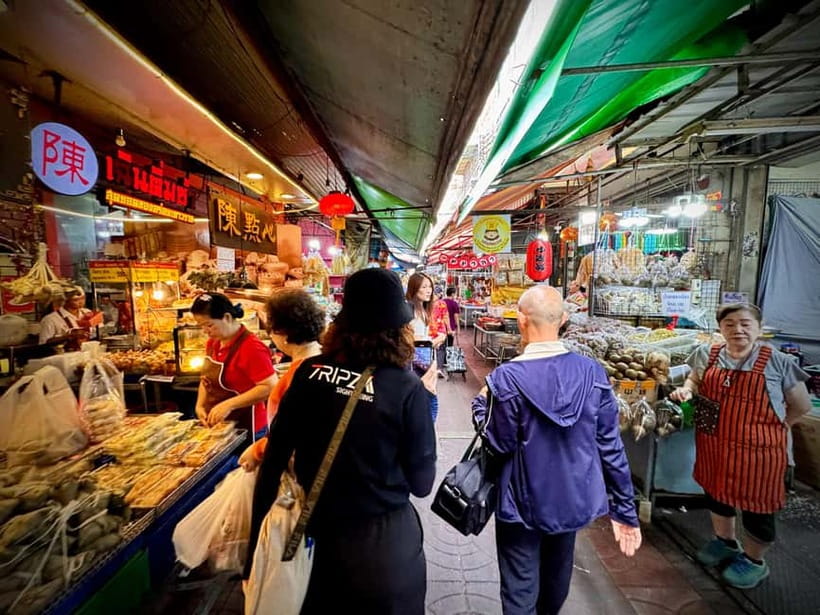
After temple time, you move into a lively morning market stretch. This is where Chinatown stops being an idea and becomes a sensory experience: street food, incense, and the constant movement of people doing ordinary errands—plus vendors setting up for the day.
Your guide brings context while you walk. The goal isn’t to force you to eat anything or buy anything; it’s to help you understand what you’re seeing. If you’ve ever felt overwhelmed by markets, you’ll probably appreciate that the guide points out the patterns: where people gather, what rituals look like in daily life, and how commercial activity and religious life coexist in the same block.
Practical note: Bangkok mornings can still feel hot and bright, even when it’s busy rather than scorching. Wear comfortable shoes and bring your hat and sunscreen, because you’ll spend meaningful time outdoors.
Tian Fah Foundation Hospital: Charity with Real Historical Weight
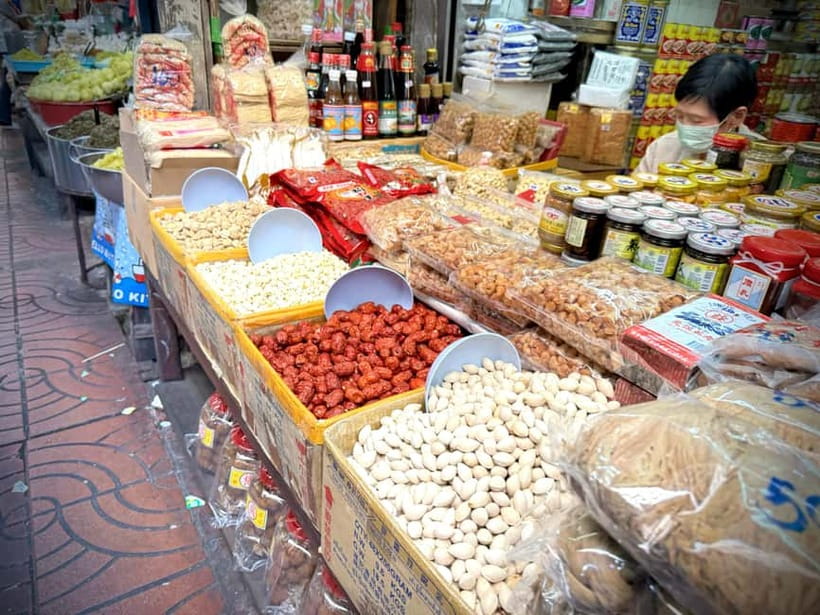
One of the more memorable moments for me was the stop at Tian Fah Foundation Hospital. It’s framed as Thailand’s first Chinese charitable hospital, and the tour uses that fact to explain something bigger: how immigrant communities built support systems when they couldn’t rely on the same institutions as everyone else.
This is one of those stops that changes how you see the neighborhood. It’s not just old buildings and food stalls. Chinatown here is also people organizing care, faith, and resources—right alongside trade.
Even if you only pause briefly, your guide’s explanation helps you connect it to what you’ll see later: the flow of communities, commerce, and the stories that get passed through generations.
Wat Traimit and the Golden Buddha: A Story That Lifts the Whole Route
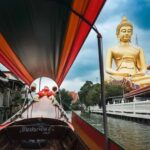
Then comes Wat Traimit, tied to the famous tale of the Golden Buddha. This is one of the strongest “anchor stories” on the walk because it gives you a reason to look closely rather than just keep moving.
Your guide shares the story behind the Buddha, and that matters because the object itself can feel like just another temple highlight until you know why the story is important. Once you understand the narrative, Wat Traimit turns from a stop on a list into a payoff for everything you learned earlier—especially the theme of Thai-Chinese cultural links and how communities preserved identity.
You can also read our reviews of more guided tours in Bangkok




Wat Pathum Khongkha: A Softer, Royal Pause
Mid-route, you’ll also visit Wat Pathum Khongkha, described as peaceful and royal. This works like a palate cleanser after the denser market and alley sections.
Here, you get a different atmosphere: calmer temple grounds and a slower rhythm. The contrast helps you notice things you might otherwise miss—like the way religious architecture and spatial design changes depending on what role a temple played within the area.
If your feet are starting to protest a bit, this is a good moment to take it easy, sit for a short breather if the space allows, and reset before heading into Talad Noi.
Talad Noi Ironworks Alleys: Where Craft Still Shows Up
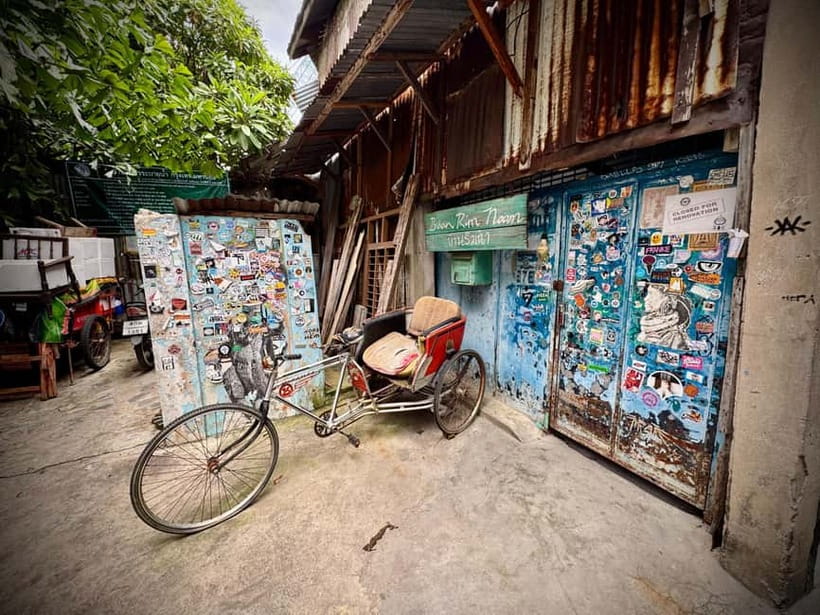
Talad Noi is where the walk gains a different texture. You enter the historic ironworks alleys, tied to skilled Chinese craftsmen who once forged metal tools. The tour doesn’t treat these lanes like scenery; it frames them as working history.
What I liked here is the cause-and-effect feeling. You see old shopfronts, metalworking cues, and tight streets—and your guide connects them to the neighborhood’s role in commerce. It’s not just “there used to be factories.” You understand how craft connected to trade, jobs, and community identity.
This is also the section where you’ll feel the most walking. Expect uneven ground in places, and keep an eye on your footing. If you’re traveling with anyone who has limited mobility, this portion is usually the hard part of the day.
Talad Noi Community Museum and Street Art Stops
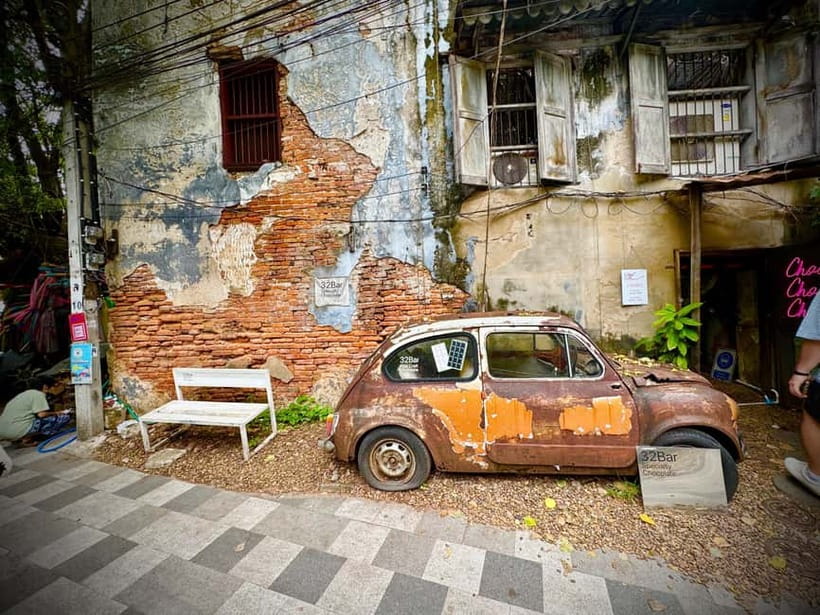
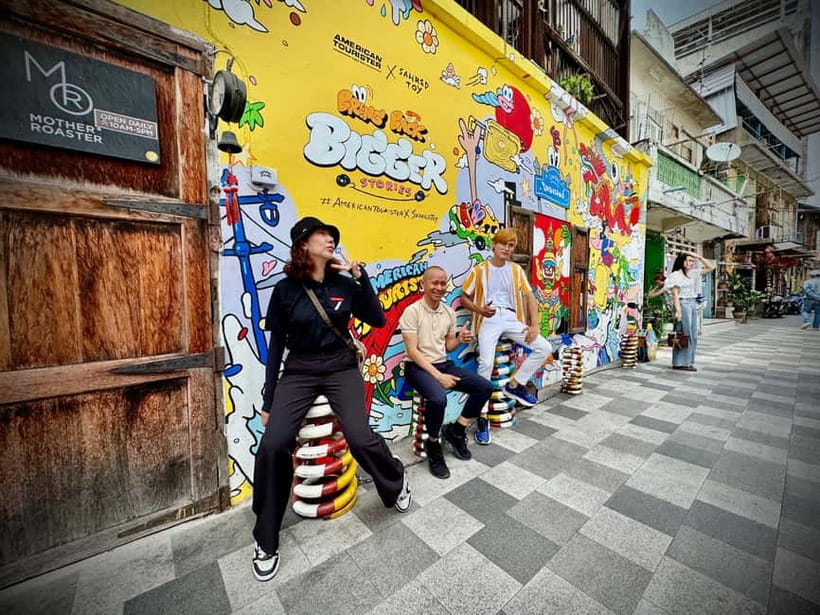
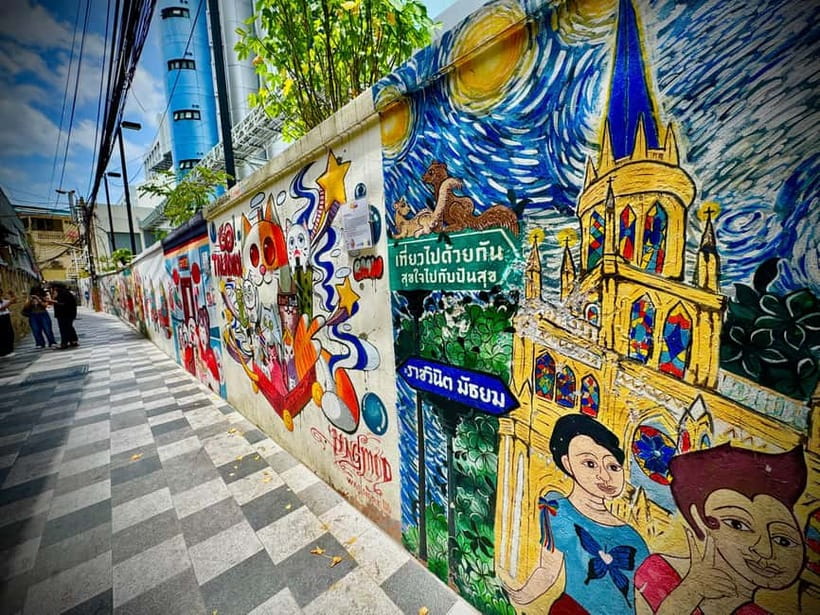
After the ironwork alleys, you step into the Talad Noi Community Museum. The tour uses it to connect the past to the present—especially through street art. The area’s colorful street art isn’t treated as decoration; it’s framed as a way people keep telling their neighborhood stories.
You’ll also find hidden shrines tucked between old buildings. This is a great moment to slow down and look upward and sideways. Tiny details matter here: inscriptions, offerings, and small altars you might miss without someone pointing them out.
And you’ll get a break and some free time in Talad Noi, which helps. After hours of walking and absorbing, that small reset makes the street art and museum stop land better instead of feeling like one more item before the finish.
Ending at River City Bangkok: Choose Your Own Next Move
You wrap up at River City Bangkok on the banks of the Chao Phraya River. I like endings that don’t trap you in a dead zone. River City Bangkok gives you options right away: riverside lunch, a slow stroll along the water, or taking a scenic boat ride.
Even if you don’t plan anything big, the riverfront makes a natural transition from dense alley walking to open air. You get that moment of clarity where you can look back on what you just learned and connect it to the city’s bigger geography.
Price and Logistics: Is $19 Good Value?
For $19 per person and about a 4-hour duration, this is strong value—mainly because you’re not paying for a single landmark. You’re paying for a route that links multiple sites: temples (Wat Mangkon Kamalawat, Wat Traimit, Wat Pathum Khongkha), a community-focused stop (Tian Fah Foundation Hospital), and Talad Noi’s craft lanes, museum, and street art.
What’s included is also practical: a fully licensed English-speaking guide and bottle of water. Meals aren’t included, so budget a simple lunch after you finish near the river.
The only “logistics” consideration I’d flag is fit. This is a walking tour in older streets and alleys. You’ll get more enjoyment if you can comfortably do several hours on your feet and handle some uneven pavement and narrow sections.
Who This Tour Fits Best
This walking tour is a good match if you like culture you can see in everyday life—markets, shrines, and the way communities organized themselves around trade and faith. It also fits well if you enjoy guided interpretation, because the guide is a big part of what makes the Golden Buddha story and Thai-Chinese heritage feel understandable rather than random.
It may not be for you if:
- You’re pregnant (not suitable).
- You use a wheelchair (not suitable).
- You want a mostly “sit down and view” experience rather than walking between stops.
If you’re traveling with kids, it can work too, as long as everyone can handle steady walking and heat. Some guides in recent groups were praised for patience and clear explanations.
Practical Tips to Make It Easier (and More Fun)
Bring the basics your comfort depends on: comfortable shoes, light clothing, a hat, and sunscreen. Even though you’re in the shade at times near temple walls and buildings, you’ll still spend enough time outdoors that sun protection matters.
A bottle of water is included, but if you’re a heavy sweater, you might want a bit extra just in case. The tour includes a break in Talad Noi, yet the day still stays active.
Finally, set your expectations for photos and streets: you’ll make photo stops, see markets, and move through alleys. You’ll enjoy it most if you treat it like walking with a local guide who knows what to notice, not like checking items off a list.
Should You Book This Chinatown and Talad Noi Walk?
I’d book it if you want Chinatown with context. This isn’t only about seeing famous temples—it’s about understanding how immigration, commerce, and belief shaped Yaowarat and Talad Noi into what you can still walk through today.
Skip it if you need lots of accessibility support or you’re looking for a low-walking, landmark-only day. And if you’re hoping for a short, relaxed stroll with minimal streets, you may feel the pace.
Overall, with strong guide praise for clear explanations and friendly, attentive pacing, it’s the kind of tour that turns a half-day in Bangkok into something you actually remember when you’re back on your hotel bed later.
FAQ
Where do I meet the tour guide?
Meet your tour guide at MRT Wat Mangkon Exit 3.
How long is the walking tour?
The tour lasts 4 hours.
Is the tour led by an English-speaking guide?
Yes. It includes a fully licensed English-speaking guide.
What’s included in the price?
The price includes the guide and a bottle of water.
Are meals included?
No. Meals are not included.
What should I wear or bring?
Wear comfortable shoes and light clothing, and bring a hat and sunscreen. It’s also a good idea to carry your own water bottle for extra hydration.
Is this tour suitable for pregnant women or wheelchair users?
No. It is not suitable for pregnant women or wheelchair users.
Where does the tour end?
The tour ends at River City Bangkok, right on the Chao Phraya River.
Can I cancel and get a full refund?
Yes. You can cancel up to 24 hours in advance for a full refund.