REVIEW · BANGKOK CITY HIGHLIGHTS & WALKING TOURS
Bangkok: Chinatown By Night Walking Tour
Book on Viator →Operated by Vox City International Ltd · Bookable on Viator
Chinatown feels different after dark. This Bangkok Chinatown By Night Walking Tour uses street-food tastings and local storytelling to connect what you see on Yaowarat with the older Chinese-Thai life underneath it. One thing to consider up front: there are no headphones included, so you’ll be relying on your guide’s voice in busy streets.
I like that the route leans into real places you can’t get from a quick drive-by: a community museum, old shophouses and courtyards, and small temples you’d probably walk past. The big value is the way your guide ties details together so the neighborhood stops feel meaningful, not just scenic.
If you want a quiet, minimalist night stroll, this may not be your match. If you enjoy history mixed with food, temples, and everyday city life, this is a fun, low-commitment evening.
In This Review
- Key Highlights You’ll Notice on This Night Walk
- Chinatown After Dark in Bangkok: What You’re Really Signing Up For
- Starting at Hua Lamphong Rong Muang: Timing, Pace, and Getting Oriented
- Chareon Chai Community Museum: When Chinatown’s Everyday Life Becomes the Main Story
- An Old Mosque Built Like a European Villa: Bangkok’s Mix in One Surprise Stop
- Chinatown’s Old Market (Talat Kao): The Alley Where Shopping Feels Like Theatre
- Riversides and the Chao Phraya Orange Express Line: A Temple You Can Spot From the Water
- So Heng Tai Mansion in Talat Noi: Courtyard Architecture and the 19th-Century Story
- An Ayutthaya-Era Royal Monastery: Official History Meets Night Street Life
- Zhou Si Kong Shrine Along the Chao Phraya: Luck, Health, and Local Prayers
- Street Food and the Taste-First Approach: What You’ll Actually Get
- Price and Value: Why $15 Can Work If You Want Context, Not Just Photos
- Guides Matter: Nam, Jimmy, Tony, Bobby, Kim, Bass, and Dan
- What to Bring for a Smooth Night Walk
- Who This Tour Is Best For (and Who Might Skip It)
- Should You Book? A Quick Decision Guide
- FAQ
- How long is the Bangkok Chinatown by Night walking tour?
- What time does the tour start?
- Where does the tour start and end?
- How much does it cost?
- Is a mobile ticket used?
- Is food included?
- What’s included in the tour package?
- What is not included?
- Do I need to wear anything special for temples or shrines?
- What’s the group size limit?
- Can I cancel for a full refund?
Key Highlights You’ll Notice on This Night Walk
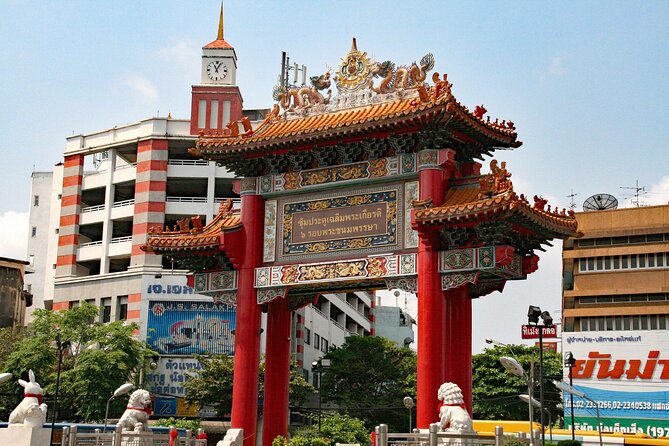
- Street-food tastings in Chinatown: you’ll sample popular dishes while your guide explains what you’re eating
- Talat Noi architecture: stops include a 19th-century Chinese courtyard house like the So Heng Tai Mansion area
- River-side faith and shortcuts to atmosphere: temples and shrines along the Chao Phraya bring the night to life
- Big-picture context fast: stories about trade, community, and how Chinese culture shaped Bangkok
- Guides who keep you moving and paying attention: lessons are delivered with energy, not just facts on a timer
- Value-add in the Vox City app: included self-guided options after the walk
Chinatown After Dark in Bangkok: What You’re Really Signing Up For
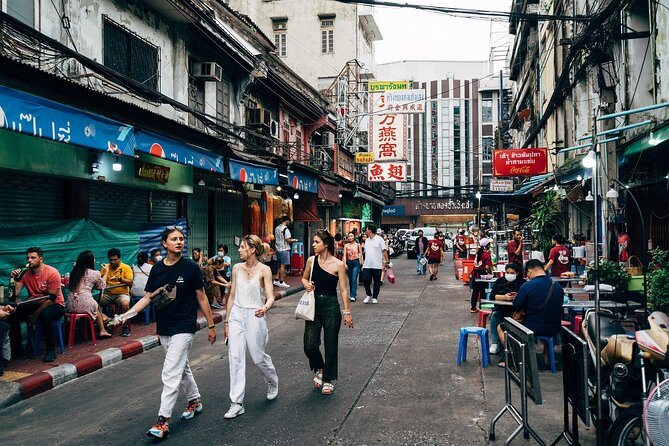
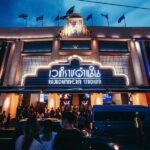
This tour is less about checking off famous landmarks and more about learning how Chinatown runs at night. In Bangkok, neighborhoods don’t pause after sunset. Yaowarat and the lanes off it keep their rhythm—shopfronts lighting up, people flowing through, and food smoke turning into part of the skyline.
For me, the smartest part is the guide-led wayfinding. Your expert doesn’t just point things out; they explain why certain places matter, and how those choices shaped the neighborhood. That matters because Chinatown is crowded and easy to misread on your own. With a guide, you start noticing the signs you’d otherwise miss.
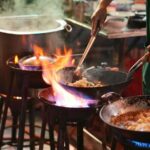
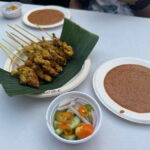
You’ll also get a practical taste of local street food. Not a sit-down meal. Think small bites and a guided sense of what’s common here, what to look for, and how the dishes fit into daily life.
A quick note: it’s a walking tour in real streets. You’ll want to be comfortable moving through crowds at night and standing for short stops.
You can also read our reviews of more walking tours in Bangkok

Starting at Hua Lamphong Rong Muang: Timing, Pace, and Getting Oriented
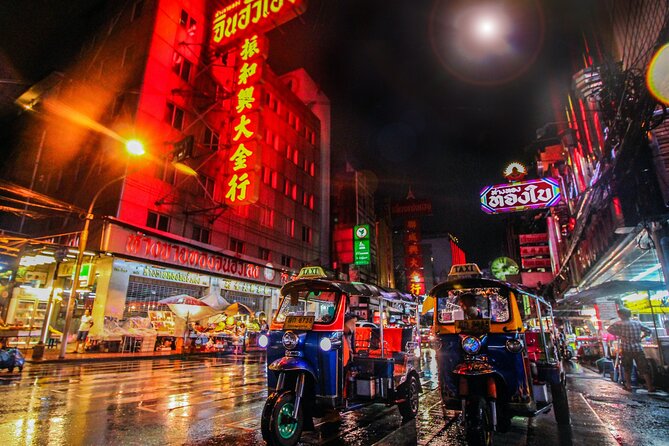
The walk starts at 6:30 pm at Hua Lamphong Rong Muang, Pathum Wan. That’s handy because it gives you a real evening window—dark enough to feel the night energy, but early enough that many shops are still open.
It’s listed as about 2 hours long, and the flow is structured around short stops rather than long museum-style waits. That keeps it from turning into a slog. Still, it’s street time, so expect the pace to be affected by foot traffic, food lines, and how long your guide wants you to look at details.
You’ll also finish back at the meeting point, which is convenient. No end-of-tour scramble to figure out where you are and how to get out.
Also, you’ll use a mobile ticket, so have your phone ready. If you’re the type who likes a paper backup, you might still want a screenshot just in case your signal is spotty.
Chareon Chai Community Museum: When Chinatown’s Everyday Life Becomes the Main Story
One of the first stops is an old house converted into a community museum for the Chareon Chai Community. This is the kind of place that helps your brain switch from shopping-mode to understanding-mode.
Instead of treating Chinatown like a theme park, the museum focus nudges you toward people and routine: how families lived, how community life formed, and how the neighborhood’s identity grew over time. It’s a useful opener because it gives context before you wander deeper into the lanes.
What to watch for: the way the guide connects community heritage to what you see later—shopfront patterns, the feel of the streets, and why certain kinds of commerce became part of the area’s reputation.
Possible downside: if you prefer strictly outdoor photo stops, you may feel this part slows the pace. But as an anchor for the rest of the walk, it’s genuinely useful.
An Old Mosque Built Like a European Villa: Bangkok’s Mix in One Surprise Stop
Next comes an older mosque built in a style that resembles a European villa. That kind of architectural mash-up is one of the reasons Bangkok feels endlessly interesting: influences don’t always arrive as a neat, single-theme package.
This stop isn’t there just for a photo. It’s a reminder that Chinatown isn’t a sealed-off world. It’s part of Bangkok’s broader story of migration, trade, and cross-cultural contact.
What you’ll get from your guide here: a sense of how the neighborhood’s identity includes more than one faith or visual tradition.
Practical tip: if you’re sensitive to heat or crowds, this is a good chance to slow down, look carefully, and regroup before the market and food stops pick up intensity again.
Chinatown’s Old Market (Talat Kao): The Alley Where Shopping Feels Like Theatre
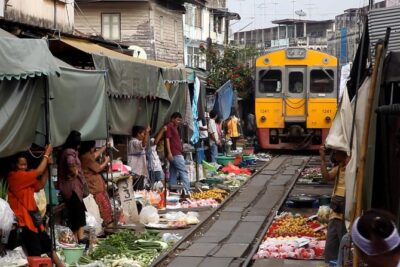
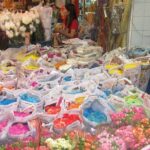
Then you head to Chinatown’s old market, also known as Talat Kao, tucked into a long narrow alley off Yaowarat Road. This is where the neighborhood energy tightens.
Old markets in Bangkok aren’t just about buying things—they’re about the choreography: vendors moving, customers browsing, and the sound and smells that make the place feel alive even when you’re not buying anything.
Since your guide is watching what you’re looking at, they can steer you toward relevant food and everyday details. This is also one of the best places to start building your mental map. Later, when you see a similar shop style or a familiar ingredient, you’ll understand why it’s common.
What to expect: tight lanes, a lot of nighttime foot traffic, and a strong street-food presence nearby.
A smart consideration: if you’re easily overwhelmed by crowds, stay close to your guide. Chinatown moves fast at night.
You can also read our reviews of more evening experiences in Bangkok



Riversides and the Chao Phraya Orange Express Line: A Temple You Can Spot From the Water
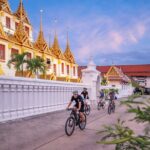
A standout stop is a small temple near the Marine Department station of the Chao Phraya orange express line, visible from the riverside. This is valuable because it connects Chinatown back to Bangkok’s water network.
The Chao Phraya isn’t just scenery here. It’s part of how the city historically functioned—movement of people, goods, and ideas. Having a riverside viewpoint during a walking tour keeps the night story from feeling trapped inside one neighborhood.
What to watch for: how your guide explains the temple’s role and how the riverside setting changes your sense of distance and direction.
If you like “real Bangkok” moments—places that locals actually use—this kind of riverside stop is a great payoff.
So Heng Tai Mansion in Talat Noi: Courtyard Architecture and the 19th-Century Story
Next you visit the So Heng Tai Mansion, a 19th-century Chinese courtyard house in Talat Noi. Courtyard houses are one of those architectural forms that explain social life: families, privacy, light, airflow, and how different rooms supported daily living.
Your guide’s job here is to make the building feel human instead of just old. The courtyard style tells you how space worked for ordinary people, not only for wealthy owners.
Why this stop matters for your experience: once you understand the logic of courtyard living, Chinatown shopfronts and lane layouts start clicking into place. You stop seeing them as random clutter and start seeing them as practical design.
Small caution: if you’re expecting a big-ticket attraction with lots of formal interior viewing, your experience may be more about the storytelling and the architecture outside/around the structure than an all-hours sightseeing marathon.
An Ayutthaya-Era Royal Monastery: Official History Meets Night Street Life
You’ll also visit an old royal monastery established during the Ayutthaya era, still in Bangkok. This kind of stop widens the lens. Chinatown may be the focus, but Thai history doesn’t switch off just because you turn onto Yaowarat.
Monasteries from older eras act like time anchors. They remind you that Bangkok’s identity is layered: royal-era Buddhism, trading communities, and later urban changes all share the same map.
What to expect: a quiet contrast from the market energy. Even if the streets are loud, the guide’s explanation can slow your thinking for a minute.
This stop is a good reminder that in Thailand, the religious landscape often sits inside everyday routes—especially at night.
Zhou Si Kong Shrine Along the Chao Phraya: Luck, Health, and Local Prayers
The final shrine stop is Zhou Si Kong Shrine, an old riverside shrine about 200 years old in the Talat Noi area. It’s tied to local worship and prayers for good luck, good health, no illness, and strength throughout the year.
This is where you learn the “why” behind the small details. Shrines aren’t just decorative. They’re part of the everyday way people think about risk, wellbeing, and luck—especially in a city that’s always moving.
What I like about this stop: it makes Chinatown’s spiritual life feel grounded. Not distant. Not staged.
Practical moment: if you’re unsure what to do around shrines, just follow your guide’s lead and keep your movements respectful. You’re there for understanding, not performance.
Street Food and the Taste-First Approach: What You’ll Actually Get
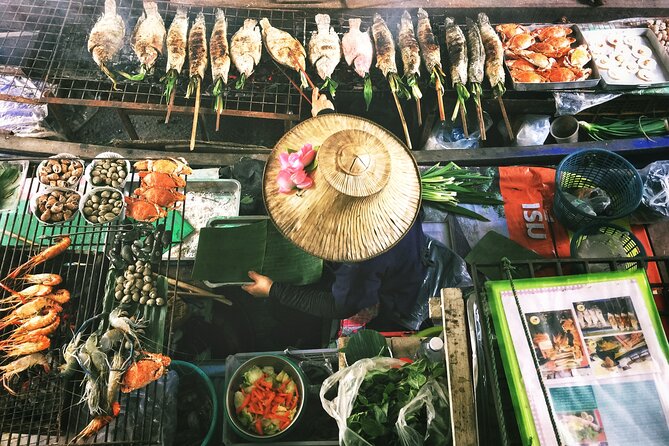
Food is a big part of the tour, and the format is built around tasting popular Thai street food while your guide explains dishes. That’s smart for two reasons.
First, you avoid the guessing game. In Chinatown, you’ll see a lot of items that look similar but taste very different. Your guide helps you map flavors to names.
Second, it turns food into context. The tour isn’t only about eating; it’s about understanding what’s common and why people choose it.
One key consideration: the tour price includes tastings, but you may want to buy extra items at stalls. That’s not guaranteed in the data, but it’s a common way these markets work. Bring small bills or coins so you’re not stuck.
Spice and dietary reality check: the tour data doesn’t list specific dietary options. If you’re sensitive to spice or have allergies, you’ll want to speak up early so your guide can help you choose what fits you.
Price and Value: Why $15 Can Work If You Want Context, Not Just Photos
At $15 per person, this is priced like a budget-friendly evening activity. The real question is what you get for that money, and the answer is mostly about guidance and time.
You’re paying for:
- an expert-led route through multiple distinctive stops
- cultural storytelling that makes the street food and temples easier to understand
- and included Vox City app value (three free self-guided tour additions)
That’s good value if you want to make your time count. In a city like Bangkok, the difference between wandering and learning can be huge. You’re paying to avoid the confusion and get the “what am I looking at” answered as you go.
The only likely mismatch is if you don’t care about street food or history context, and you just want pictures. In that case, you might spend less by doing a self-guided route with a map.
Guides Matter: Nam, Jimmy, Tony, Bobby, Kim, Bass, and Dan
One of the strongest themes in the experience is how guides keep things engaging. Names that stand out include Nam, Jimmy, Tony, Bobby, Kim, Bass, and Dan.
The best part of strong guiding in Chinatown is pacing and translation. You don’t just hear facts; you learn how to look. Great guides also notice when people struggle in the heat or get overwhelmed in crowds, and they adjust so the tour stays comfortable.
Even if you don’t get the same guide name, you can use this as a sign of the tour’s style: it leans human, energetic, and attentive to what’s happening around you.
What to Bring for a Smooth Night Walk
You’ll be on foot, in city streets. Keep it simple:
- comfortable walking shoes
- a small water bottle (you’ll appreciate it at night)
- cash for any extra food purchases you may want
- your mobile ticket ready on your phone
Also, because headphones aren’t included, think about how loud the streets are around you. If you like a quieter experience, consider earplugs.
For temple and shrine areas, dress respectfully. When you’re unsure, choose something comfortable that covers shoulders and knees.
Who This Tour Is Best For (and Who Might Skip It)
You’ll likely love this tour if you:
- want a short, structured evening plan
- enjoy street food but want help choosing and understanding it
- like history told through real places, not lectures
- want to see more than just the main road crowds
You might skip it if you:
- hate walking in busy areas
- want a long, indoor museum-style experience
- need strict dietary accommodations without discussion time
This is a great “first Chinatown night” activity, especially if you’re staying near central Bangkok.
Should You Book? A Quick Decision Guide
Book this tour if you want a low-stress way to understand Chinatown after dark. The mix of community heritage, market life, courtyard architecture in Talat Noi, and riverside shrines makes the evening feel complete without dragging on.
Skip it only if your idea of a night out is mostly quiet sightseeing or you’re not interested in street food. Otherwise, this is one of those practical Bangkok experiences where the guide turns confusion into clarity fast.
FAQ
How long is the Bangkok Chinatown by Night walking tour?
It’s listed as about 2 hours (approximately).
What time does the tour start?
The start time is 6:30 pm.
Where does the tour start and end?
It starts at Hua Lamphong Rong Muang, Pathum Wan, Bangkok 10330, Thailand, and ends back at the meeting point.
How much does it cost?
The price is $15.00 per person.
Is a mobile ticket used?
Yes. The tour uses a mobile ticket.
Is food included?
The tour description says you’ll taste popular Thai street food during the walk.
What’s included in the tour package?
Included items are the Chinatown walking tour, local insights, expert storytelling, and 3 free self-guided tour options in the Vox City app.
What is not included?
Headphones are not included, and entry to attractions is not included.
Do I need to wear anything special for temples or shrines?
The tour includes temple and shrine stops, so it’s wise to dress respectfully for those areas.
What’s the group size limit?
The maximum group size is 99 travelers.
Can I cancel for a full refund?
Yes. You can cancel up to 24 hours in advance for a full refund.