REVIEW · BANGKOK CITY HIGHLIGHTS & WALKING TOURS
Wat Paknam Walking Tour
Book on Viator →Operated by Brandy & Friends · Bookable on Viator
80 meters of Buddha power in the morning. This Wat Pak Nam walk gives you a top Bangkok temple sight in the first stretch, then shifts gears to the canal life of Thonburi with views that feel more local than central Bangkok. I especially liked the 80-meter Buddha image at Wat Pak Nam and the sense of place along the canal, including stops tied to crafts and community.
One note before you book: it’s not suitable if you have knee problems or if you weigh more than 130 kg, since you’ll be doing a real walking tour for about 3 hours 30 minutes.
In This Review
- Quick Takeaways Before You Go
- Wat Pak Nam: Bangkok’s Giant Buddha and Museum-Pagoda Stop
- Thonburi by Canal: Artist Houses and Local-Feel Walking
- Wat Kamphaeng Bangchak: A Temple Stop That Breaks Up the Day
- Khlong Bang Luang Market: Floating-Market Past and Fish-Feeding Fun
- Thai Lunch and the Food Pause You’ll Actually Appreciate
- Price and Value: What $70 Really Buys You
- Timing, Meeting Point, and How to Handle a 3.5-Hour Walking Day
- Who This Tour Fits Best (and Who Might Skip)
- Should You Book Wat Paknam Walking Tour?
- FAQ
- What time does the Wat Paknam Walking Tour start?
- How long is the tour?
- How much does the tour cost?
- What’s included in the price?
- What’s not included?
- Is there a mobile ticket?
- Where do I meet the group?
- What’s the cancellation policy?
- What if the weather is bad or the minimum number of travelers isn’t met?
Quick Takeaways Before You Go
- Wat Pak Nam’s 80-meter Buddha makes this an instant highlight, with a pagoda and a museum inside to match the scale
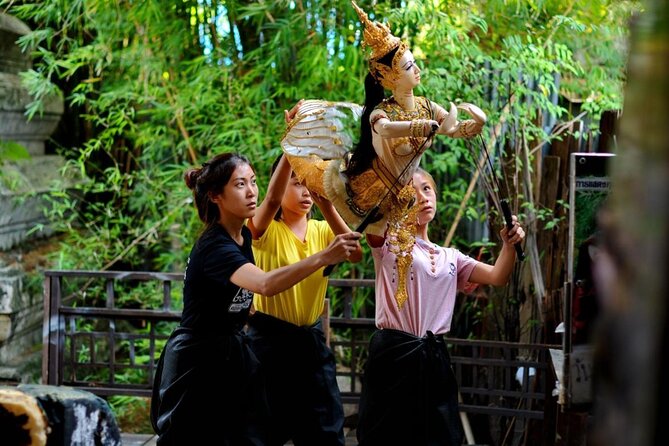
- Thonburi canal atmosphere is the real theme after the temple, with time at canal-side artist spaces
- Khlong Bang Luang Market connects you to the area’s floating-market past, plus you’ll feed fish
- A guide by the name of Champ is a standout, with attentive answers and strong local context
- Thai lunch and bottled water are included, which helps keep the day smooth and predictable
Wat Pak Nam: Bangkok’s Giant Buddha and Museum-Pagoda Stop
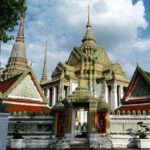
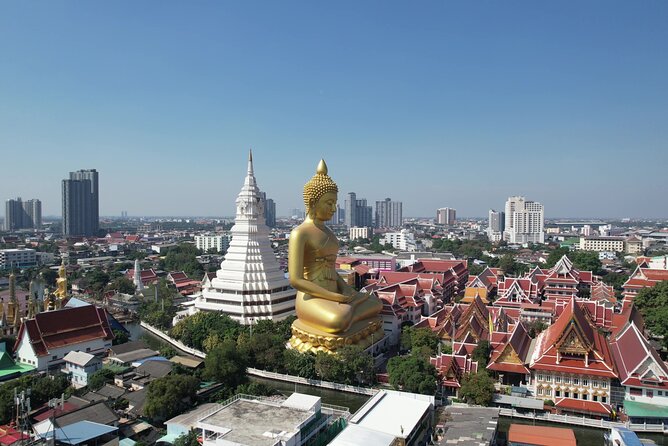
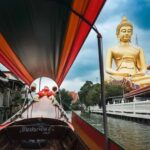
Your morning starts at Wat Pak Nam, and the temple’s size sets the tone fast. The star is the giant Buddha image, reportedly 80 meters tall, and it’s described as the highest Buddha image in Bangkok that you can see. That’s the kind of detail that changes how you experience a temple. Instead of trying to spot one impressive piece among many, you’re visually anchored from the start.
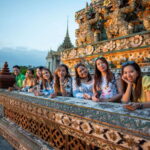
What I like about this kind of temple visit is that it’s not just a photo stop. Wat Pak Nam is also tied to Buddhism meditation temple roots, and it’s presented as a temple with worldwide popularity. Even if you don’t read much about doctrine, you can still feel how the space is meant to be calm and focused. You’ll also see a beautiful pagoda and there’s a large museum inside, so you get temple architecture plus a deeper look at what’s preserved there.
The one drawback to keep in mind: Wat Pak Nam is an early-morning must-see, so plan to arrive ready to look carefully and walk steadily. If you’re the type who likes to linger, you may feel lightly rushed in the first stretch—but the payoff is big because you’re starting with a true centerpiece.
You can also read our reviews of more walking tours in Bangkok

Thonburi by Canal: Artist Houses and Local-Feel Walking
After the temple, the tour shifts toward the other side of Bangkok: Thonburi, the canal-world where daily life still follows the water. This is where your guide matters a lot. One review specifically called out the guide Champ as very knowledgeable and attentive, and that shows in how these neighborhoods make sense once someone explains what you’re seeing.
You’ll visit the Artist House Bangkok, described as a wooden Thai artist house along the canal. The idea here isn’t just to look at a building—it’s to catch a slice of how artists share skills and practice in a neighborhood setting. That kind of stop can feel small in terms of geography, but it adds meaning. You stop seeing Thonburi as a generic “boat and canals” area and start seeing it as a lived-in place with creative energy.
This part of the day also lines up with the tour’s overall rhythm: you’re not just moving from temple to temple. You’re walking in between, picking up context, then pausing where the canal life shows up in structures and community spaces.
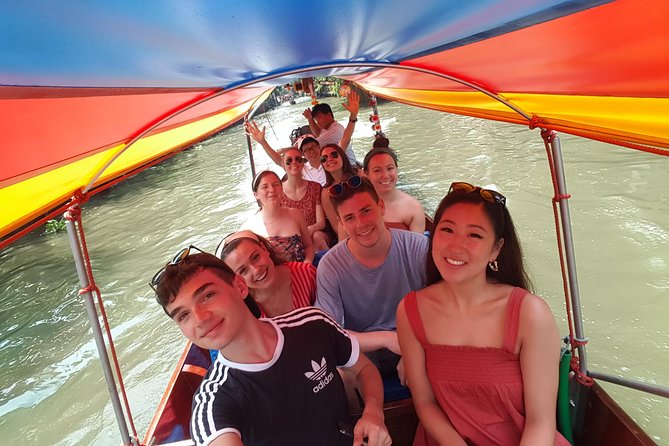
And yes, there’s a boat ride experience mentioned in the feedback, which is a smart match for this route. Walking shows you the edges of the canal world; a boat ride helps you understand how canals shape the whole layout.
Wat Kamphaeng Bangchak: A Temple Stop That Breaks Up the Day
Mid-tour you’ll reach Wat Kamphaeng Bangchak. There isn’t a long explanation in the details you provided about what makes this specific temple unique, but it does serve a practical purpose: it breaks up the day so you’re not only doing temple-with-museum and then jumping straight into market mode.
I like a stop like this because it adds variety. If you spend the whole time “stacking” one kind of sight, you can mentally tune out. A second temple stop keeps your senses active: you reset from canal textures to sacred spaces, then back again.
What to expect here in a practical sense: you’ll treat it like a standard temple visit—give the space respect, move at a walking pace you can handle, and don’t assume you’ll have the same level of big, single-feature impact as Wat Pak Nam. Think of it as part of the day’s temple thread rather than another giant “wow” moment.
Khlong Bang Luang Market: Floating-Market Past and Fish-Feeding Fun
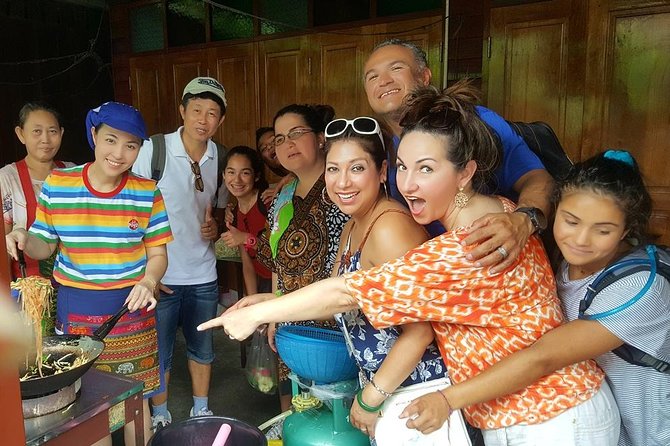
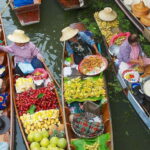
One of the most memorable parts of the route is Khlong Bang Luang Market. You’re told it used to be a floating market, though now only a few boats remain. That matters, because you’re not just watching a historical reenactment. You’re seeing how a place changes with time—and how something that was once built around boats becomes centered around land-based market life while still keeping a little water-based spirit.
The fish-feeding is the detail I’d plan around. It turns the market visit into an active moment, not just a snack and photos stop. If you like small interactive experiences, this is the kind of thing that makes a market worth your attention, even when you’re not hunting for bargains.
Also, this is the type of stop where a good guide pays off again. Markets can be chaotic if you’re wandering on your own. With a guide, you can focus on what’s worth looking at and how to navigate the area without getting pulled into every side street.
Thai Lunch and the Food Pause You’ll Actually Appreciate
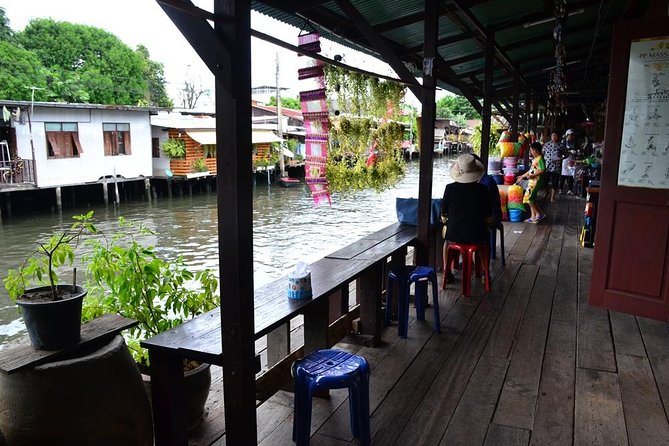
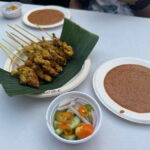
After the walking and sights, you’ll stop for Thai food at a local restaurant. You’re also told lunch is included (a la carte), along with bottled water. That inclusion is more valuable than it sounds, especially on a half-day tour, because it removes the stress of hunting for something reliably good while you’re tired.
A la carte means you’re not stuck with one single set meal. I like that because it gives you a little choice while still keeping the timing of the tour smooth. And since coffee and/or tea aren’t included, this is a day where you might decide whether you want a drink afterward or hold off until you’re back in town.
If you’re someone who wants to eat Thai food in a way that doesn’t feel like a tourist detour, this kind of organized lunch break is one of the best uses of your time.
Price and Value: What $70 Really Buys You
At $70 per person, this is not a budget street-snack kind of tour. But it also isn’t just a temple entry ticket with a guide’s pat-on-the-back. You’re paying for a structured morning that bundles:
- a major temple visit with the 80-meter Buddha
- canal-side culture stops, including Artist House Bangkok
- another temple stop
- a market experience with fish feeding
- lunch plus bottled water
- travel insurance
- a group format with a mobile ticket
The biggest “value” factor for me is that food and water are handled for you. When a tour includes meals, you don’t have to budget extra for lunch that you’ll end up searching for while hungry. Also, travel insurance included is a quiet comfort for many people.
What isn’t included matters too. Alcoholic beverages and coffee and/or tea aren’t covered, and there’s no pick up or drop-off. That means you should plan your own way to the meeting point and back, and decide if you want a drink beyond water.
Finally, the tour depends on good weather, and the provider notes there’s a minimum number of travelers. If you hate uncertainty, choose a date that isn’t your only plan in Bangkok.
Timing, Meeting Point, and How to Handle a 3.5-Hour Walking Day
The start time is 10:00 am, with a total duration of about 3 hours 30 minutes. That timing is smart: you get to see Wat Pak Nam in the morning, then move into Thonburi while the day is still manageable.
You’re also told the meeting point is near public transportation. That’s helpful because it reduces the risk of spending your morning figuring out a complicated rendezvous point. Still, keep your morning simple: arrive early enough to settle in, check your mobile ticket, and be ready to walk.
What I’d bring mentally: this isn’t a “sit down and look” tour. It’s a guided walking route across temple spaces, canal areas, and a market. Wear comfortable shoes, and treat the day like a pleasant outing with steady movement, not a museum crawl.
Who This Tour Fits Best (and Who Might Skip)
This works well if you want a first-class temple landmark and then you still care about local texture afterward. It’s a strong match for:
- first-time visitors who want Wat Pak Nam without having to plan everything
- people who like mixing religion, local culture, and everyday life
- travelers who appreciate a guide who answers questions clearly (Champ gets called out for this)
I’d think twice if:
- you have knee problems or need to avoid prolonged walking
- you’re over 130 kg, since the tour notes it isn’t suitable
- you’re planning around a very tight schedule where you can’t handle weather changes
If you’re flexible on the day’s pace and enjoy hands-on moments like fish feeding, this tour should feel rewarding rather than rushed.
Should You Book Wat Paknam Walking Tour?
Book it if you want one of Bangkok’s most striking Buddha sights early—then you want Thonburi’s canal life, artist culture, and a real market stop to finish the story. The included lunch, bottled water, and travel insurance also make the experience feel “set” instead of improvised.
Skip or choose another option if walking is an issue for you, or if your date is locked and weather is a big risk. The tour needs good weather, so put it on a date where you can adapt.
If you’re aiming for a morning that feels both meaningful and practical—temple, canal, and food in one guided flow—this one is a solid pick.
FAQ
What time does the Wat Paknam Walking Tour start?
It starts at 10:00 am.
How long is the tour?
The tour lasts about 3 hours 30 minutes.
How much does the tour cost?
The price is $70.00 per person.
What’s included in the price?
It includes lunch (a la carte), bottled water, and travel insurance.
What’s not included?
Alcoholic beverages and coffee and/or tea aren’t included, and there’s no pick up or drop-off.
Is there a mobile ticket?
Yes, the tour uses a mobile ticket.
Where do I meet the group?
The meeting point is near public transportation.
What’s the cancellation policy?
You can cancel for a full refund up to 24 hours before the experience’s start time. If you cancel less than 24 hours before, the amount paid is not refunded.
What if the weather is bad or the minimum number of travelers isn’t met?
The experience requires good weather. If it’s canceled due to poor weather, you’ll be offered a different date or a full refund. If the minimum number of travelers isn’t met, you’ll also be offered a different date/experience or a full refund.