REVIEW · BANGKOK CITY HIGHLIGHTS & WALKING TOURS
Thai culture and Bangkok local life guided bike tour
Book on GetYourGuide →Operated by Follow Me Bike Tours · Bookable on GetYourGuide
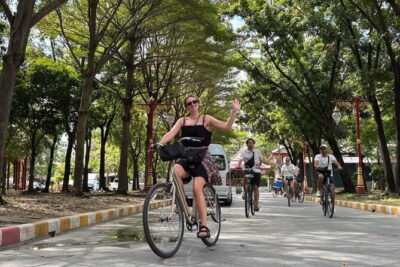
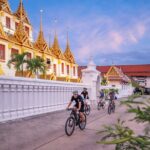
Bangkok shifts gears when you ride. This 4-hour local bike tour threads Talat Noi, Chinatown, temples, and river paths into one easy loop you can actually remember. I like the way it uses bike time to reach places most people skip, and I like the mix of spiritual stops plus practical city life. One caution: you do need to be comfortable riding a bike, because you’ll be pedaling through lively streets and small lanes.
The best parts for me are the street-level moments—like rolling past Chinese shophouses in Talat Noi and then cutting into Chinatown’s market chaos with time for snacks. I also appreciate the thoughtful cultural touches, including a chance to make an offering and to feed turtles in a quieter riverside temple setting.
The main drawback to plan around is comfort: the route is active and the bikes may not fit every body the same way, so bring your patience (and consider comfortable cycling clothes).
In This Review
- Key highlights worth your attention
- Riding through Bangkok like a local (not a spectator)
- Talat Noi: Chinese shophouses, temples, and a shrine moment
- Chinatown stops: market energy plus real snack time
- Pak Khlong Talat and Wat Kanlayanamit: the flower market’s punch
- “Old capital” calm: turtles, temples, and a Buddha offering
- The rhythm of the route: photos, short breaks, and river time
- Bicycles, helmets, and small-group comfort
- Price and value: why $41 can be a bargain here
- Weather and safety: what to plan for
- Who this tour suits best
- Should you book this Bangkok back-street bike tour?
- FAQ
- Where does the tour start?
- What’s included in the price?
- Is there a ferry during the tour?
- Can children join the tour?
- Will the tour run if it rains?
- What should I bring?
- Do I need to know any Thai or be a strong cyclist?
Key highlights worth your attention
- Talat Noi back streets and Chinese shrine offering: a close-up look at everyday faith in a historic Chinese immigrant neighborhood
- Chinatown market time with a real break: time to pause, take photos, and eat street food snacks
- Pak Khlong Talat flower market stop: a big fresh-flower experience with scents and color you can’t get from photos
- Crossing the River of Kings plus ferry views: river cycle path energy with a short ferry moment to reset your legs
- Old Bangkok temple calm and turtle feeding: a peaceful interlude that makes the culture feel human and immediate
- Small group of up to 8 with an English-speaking Thai guide: more alleyway Q&A, less waiting around
Riding through Bangkok like a local (not a spectator)
I’ve found that Bangkok can feel overwhelming if you only walk the big sights. This bike tour solves that by putting you on wheels with a guide who knows how to move through the city’s smaller corridors. You get the feeling of being in the rhythm of Bangkok—shops opening, people chatting, food getting prepared—without spending your whole day stuck in traffic.
The route is built around a simple idea: Old Bangkok neighborhoods are best understood at street level. You’ll spend time in Talat Noi, then work your way through Chinatown markets, then shift to quieter riverside temple grounds. The change in scenery is part of the point. It keeps the tour from feeling like a checklist and turns it into a small story you can follow.
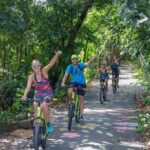
And yes, you’re riding. This isn’t a gentle “cruise the river” situation. Expect real pedaling, short stops for photos, and a schedule that keeps you moving for 4 hours.
You can also read our reviews of more cycling tours in Bangkok
Talat Noi: Chinese shophouses, temples, and a shrine moment
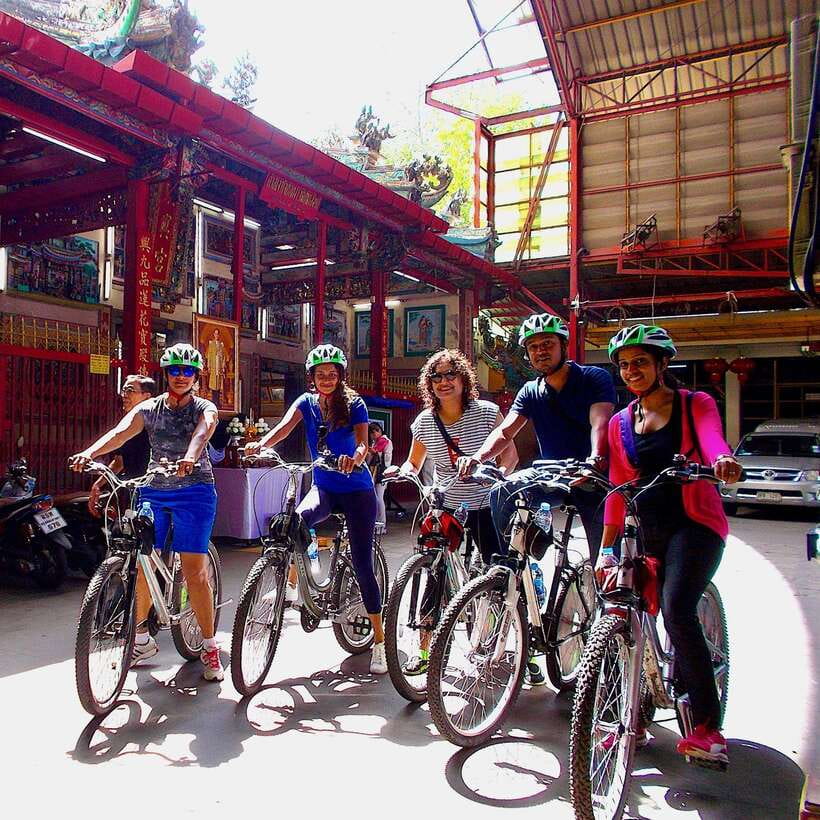
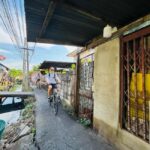
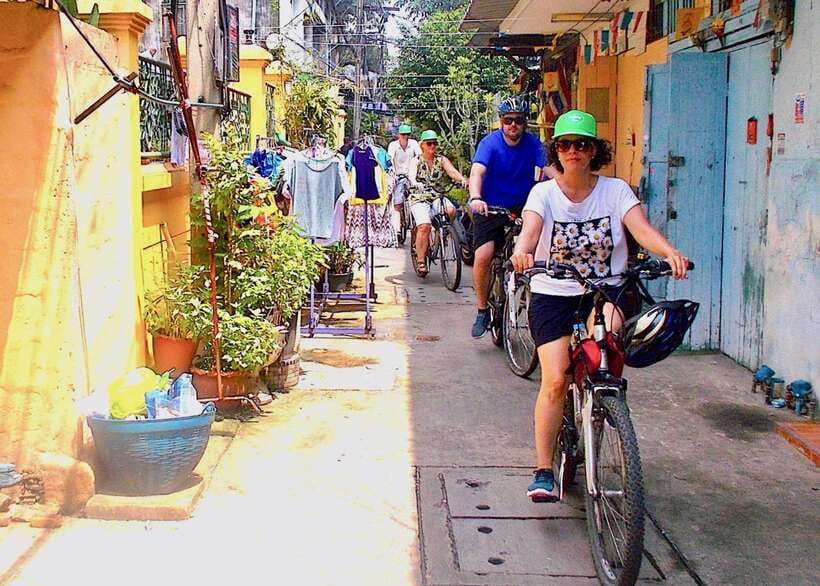
Your first real taste of local life comes fast in Talat Noi. This area is known for its traditional Chinese shophouses and temples, and you’ll feel that identity as soon as you start threading through the lanes. The streets have a tight, lived-in scale—less tourist wide-angle, more human-scale details.
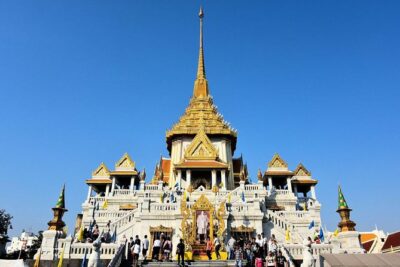
A standout moment here is visiting the local Chinese shrine. You’ll pause, make an offering, and learn what that gesture means in daily spiritual life—good health, protection, and a sense of respect for the community’s beliefs. Even if you’ve never made a shrine offering before, this is the kind of activity that gives context. It turns religion from something you just watch into something you understand by participating in a small, appropriate way.
Practical tip: look for your guide’s timing cues. Shrine moments go best when you slow down, keep your voice low, and treat the space like it’s someone’s home.
Chinatown stops: market energy plus real snack time
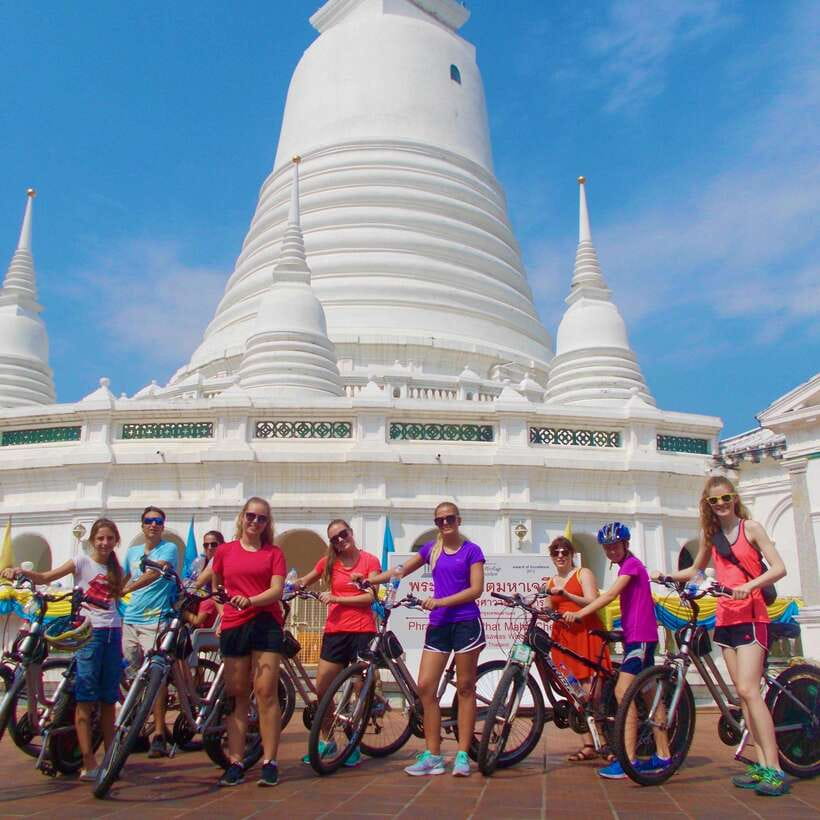
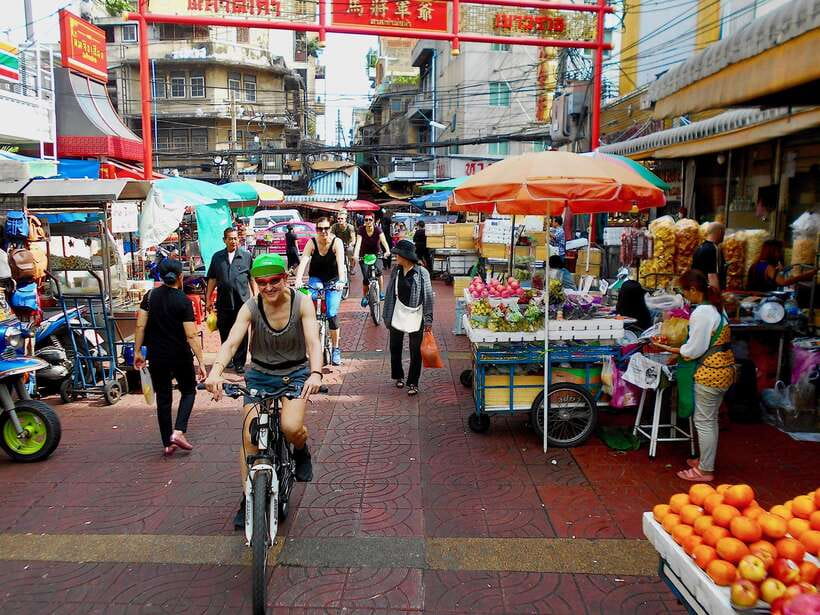
Then the tour leans into Chinatown’s sensory overload—in a good way. You ride into an area where the market life is the show: narrow streets, shop fronts packed with goods, and constant motion around food stalls. You don’t just look at it from a distance. You move through it, at a pace that lets you notice details.
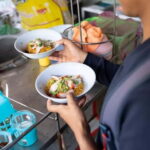
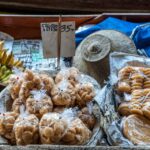
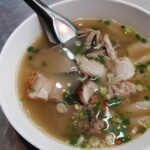
There’s also a break built into this stretch. You’ll have time for photos and to stop—plus street food snacks included. That matters because street food is where many first-time visitors either overthink it or miss it entirely. Having snacks included removes that anxiety and gives you permission to taste rather than just watch.
What to expect during the Chinatown part: you’ll likely be smelling multiple things at once, hearing quick sales talk, and watching people navigate the market like it’s second nature. If you’re the type who likes to ask questions, this is a good time to do it—food and shopping habits are usually easiest to explain.
Pak Khlong Talat and Wat Kanlayanamit: the flower market’s punch
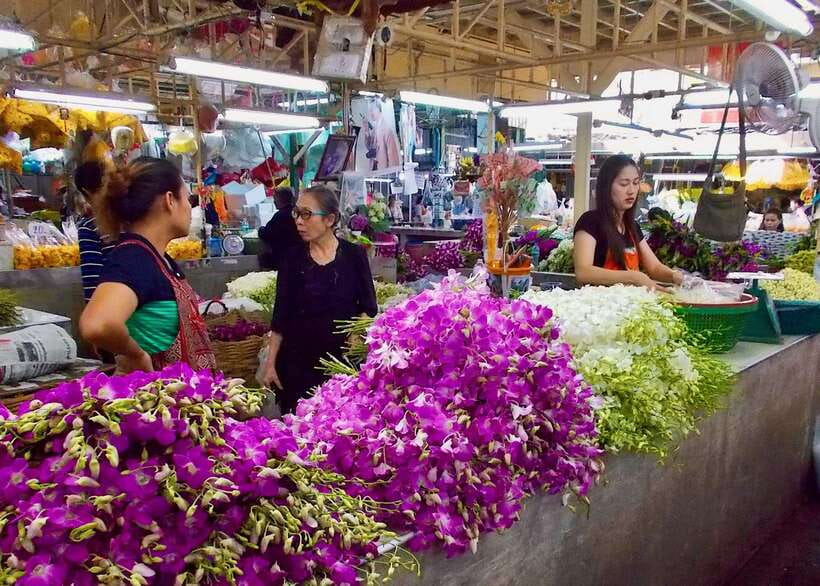
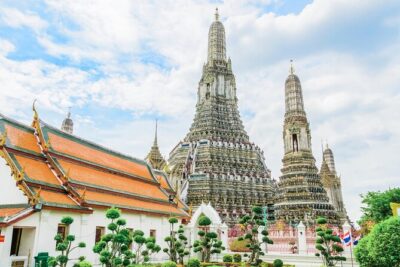
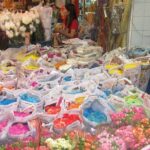
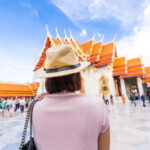
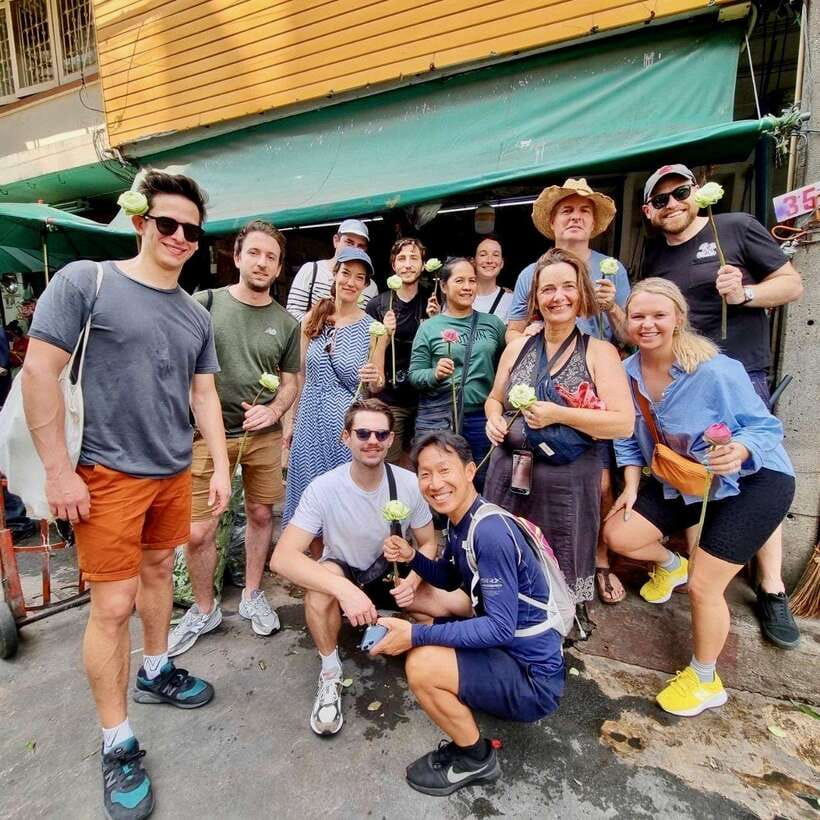
After Chinatown’s energy, the tour moves toward the riverside and a flower stop at Pak Khlong Talat near Wat Kanlayanamit. This is the biggest fresh flower market in Bangkok, and that reputation shows up immediately. Stalls stack up with blooms and greenery, and the air carries that fresh-cut scent that’s hard to describe until you’re there.
This isn’t just a quick photo stop. You stroll through stalls and take in the colors, the sourcing variety, and the way people choose flowers for daily use and religious offerings. If you’ve ever wondered how Thai markets support both everyday life and temple life, this is where the connection becomes obvious.
Photo tip: morning light helps, but the market’s inside-outside mix means you’ll have chances for both close-ups and wider shots. Keep your camera ready, but don’t rush the walking sections. The best visuals are often tucked at stall height, not at eye level.
“Old capital” calm: turtles, temples, and a Buddha offering
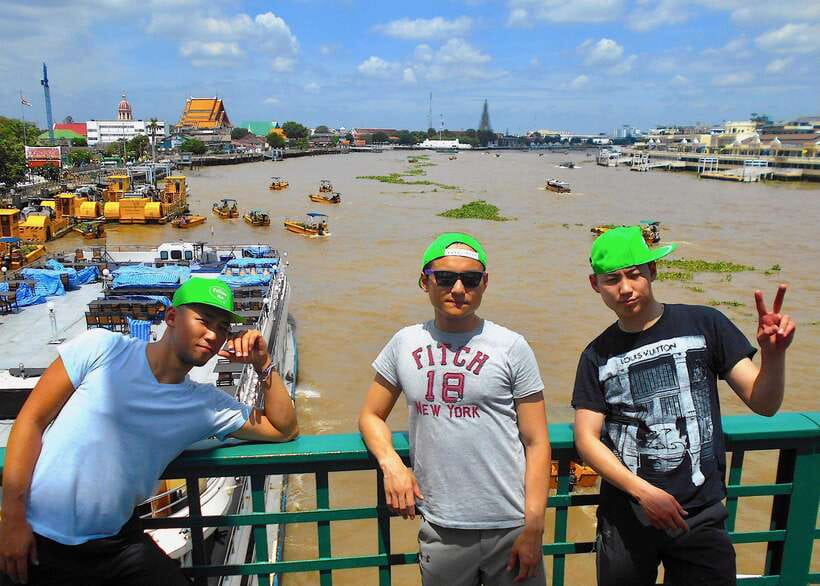
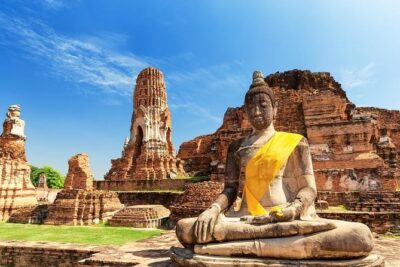
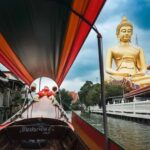
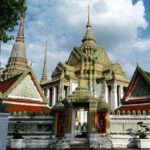
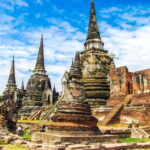
One of the most memorable cultural moments is at the ancient capital area along the riverside temples. Here you get a quieter pause in the tour, and the vibe changes from market intensity to temple calm.
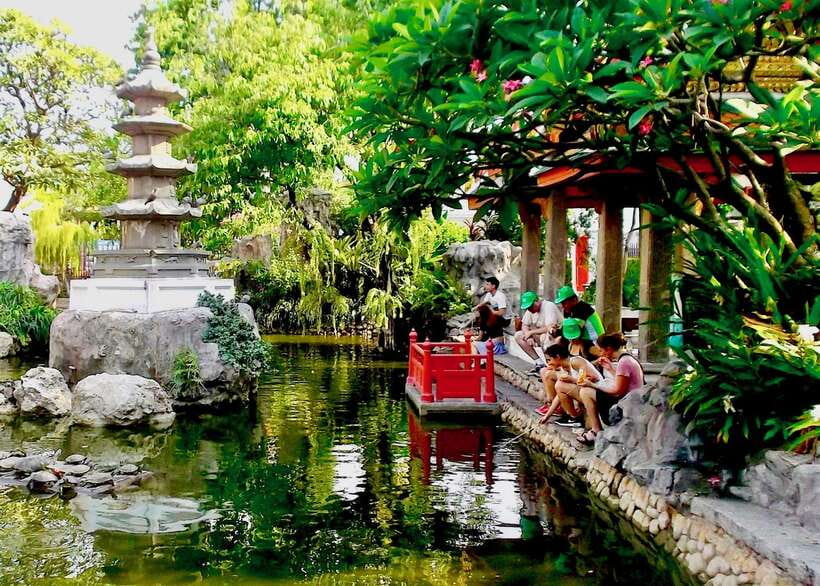
You’ll visit temples, and there’s time for a gentle activity: feeding the turtles. It’s simple, but it makes the place feel alive and personal. You’ll also learn about why people make offerings to Buddha and what it represents in Thai Buddhist culture—respect, gratitude, and a request for blessings.
This is the kind of stop that works even if you’re not a big temple person. The turtles give you a human moment. The offering gives you cultural context. Together, it turns a temple visit from architecture-only into a lived practice.
Respect note: keep the pace slow here. You’ll want to follow your guide’s lead on where to stand, how to move, and when it’s time to quietly participate.
You can also read our reviews of more guided tours in Bangkok
The rhythm of the route: photos, short breaks, and river time
A big reason this tour feels manageable is the structure. You’re not stuck in one long unbroken ride; you get regular check-ins where you can snap photos, take short breaks, and reset.
Along the way you’ll pass through named points such as Wang Burapha Phirom and Wat Kalayanamitr Varamahavihara, plus additional stops like a photo pause around 758 Soi Phanu Rangsi and another break/photo point at 24 Thanon Prajadhipok. These aren’t random stamps on a map. They help you experience the neighborhood scale and the mix of old streets and temple areas.
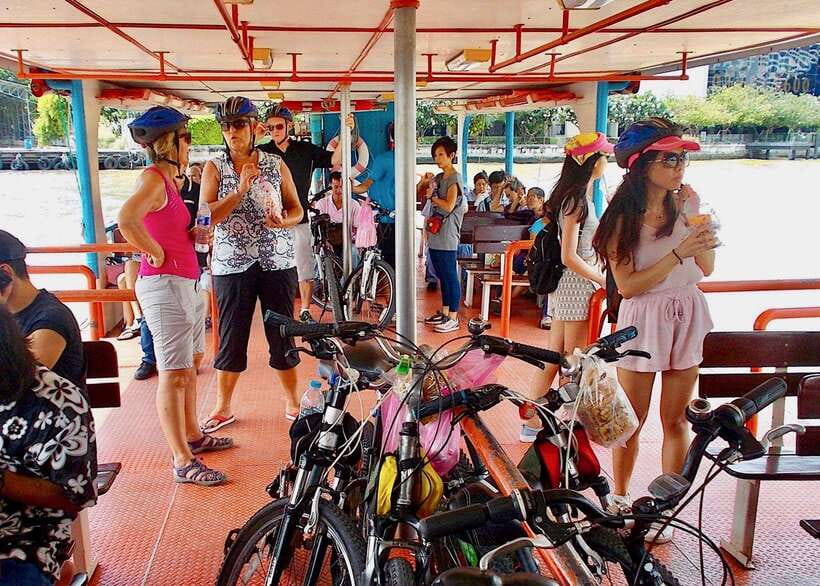
You’ll also cross the river by ferry near the end, about 15 minutes. That ferry segment is a nice breather. The breeze and the different angle on the river make it feel less like you’re just “doing Bangkok” and more like you’re experiencing it.
Timing reality: the tour lasts about 4 hours, and your guide may adjust slightly based on group cycling ability and what’s going on in the streets. You’ll feel it as flexibility, not confusion.
Bicycles, helmets, and small-group comfort
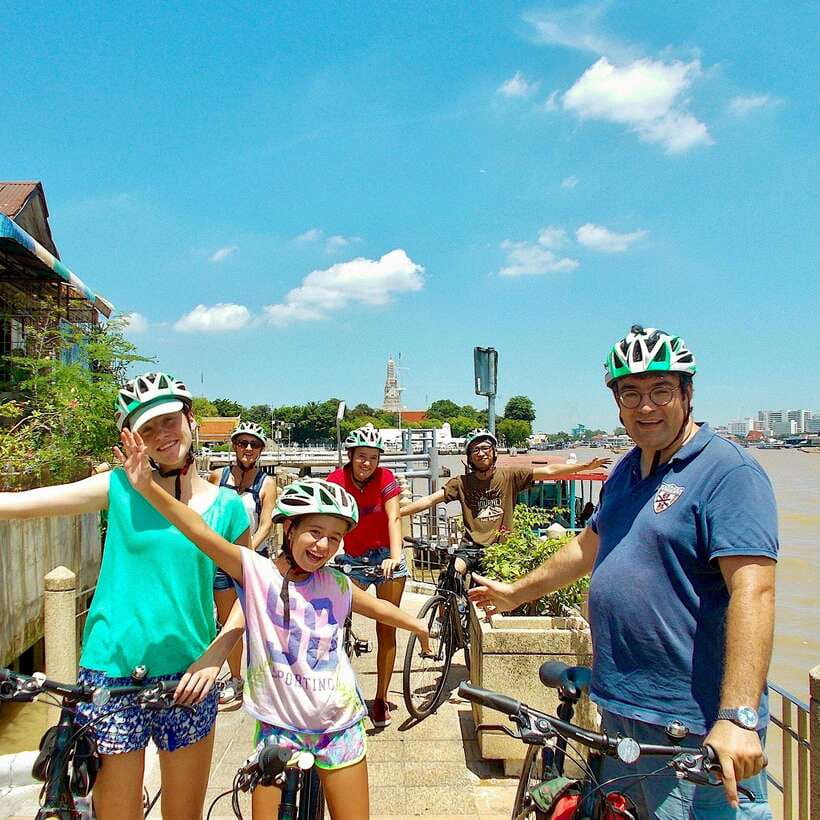
This is a small group tour capped at 8 participants, which matters more than people think in a city like Bangkok. Smaller groups mean fewer bottlenecks in narrow lanes and more chance to ask questions without shouting over a crowd.
You’ll be given adult bicycles, and children can join too (minimum height 120 cm for kids’ bikes). There are also child carriers for kids up to 18 kg and max height 115 cm. Helmets are provided, and you’ll be smart to wear them. Bangkok traffic moves with its own logic, and a helmet is part of staying relaxed.
One practical note from comfort perspective: the bikes are safe and serviceable, but fit can vary from person to person. If you have long-distance saddle sensitivity, plan to treat this as an active ride and wear whatever you normally wear for comfort.
Price and value: why $41 can be a bargain here
At $41 per person for a 4-hour guided ride, this tour isn’t just “cheap transport.” You’re also paying for the parts that are harder to DIY in the same order.
Included value adds up:
- A friendly English-speaking Thai guide who helps you interpret what you’re seeing
- Cold water and a soft drink
- Bicycles and helmets
- Ferry crossing
- Entrance fees
- Street food snacks
That entrance-fee + guide knowledge combo is the real value. You’re paying to understand why places matter—like the shrine offering and the Buddha offering context—while also getting logistics handled so you’re not stuck figuring out how to move across neighborhoods efficiently.
If you’re trying to cover Talat Noi + Chinatown + a flower market + temple time in one day, this is one of the more efficient ways to do it without burning your energy in taxis.
Weather and safety: what to plan for
This tour operates in all weather conditions. In Bangkok, rain often comes in short bursts, and the tour provides free rain ponchos. That means you’re not forced into a “cancel or suffer” decision if a shower rolls in.
Your main safety factor is how you ride. This tour isn’t for people who can’t ride a bike. If you can handle standard cycling and you’re comfortable with stop-and-go streets, you’ll be fine. If you wobble on a bike at all, consider a different day or a different type of tour.
Also, intoxication isn’t allowed. That’s not moralizing; it’s a simple safety rule for a city ride.
Who this tour suits best
This tour is a good match if you:
- Want an authentic slice of daily Bangkok life across several neighborhoods
- Like street food, markets, and temple culture rather than only big monuments
- Enjoy cycling with short breaks and clear guide leadership
- Prefer small groups (up to 8) to keep the ride smooth
It’s less ideal if you’re only interested in seated sightseeing, or if you’re not confident riding a bicycle.
Should you book this Bangkok back-street bike tour?
If you want Bangkok you can feel—the alleys, the markets, the flower scent, the temple calm—this is an excellent choice. I’d book it if you can ride comfortably and you’re open to a mix of hands-on cultural moments (shrine and Buddha offering) plus included street food snacks.
Skip it only if biking isn’t your thing, or if you know you struggle with active rides and uneven comfort from a standard city bike. Otherwise, for a 4-hour window, it’s one of the stronger ways to get real context without wasting the day in transit.
FAQ
Where does the tour start?
The meeting point is at Loftel Station Hostel, 368/1-3 Rama 4 Road, Mahapruettaram, Bangrak, Bangkok 10500. From Hua Lampong MRT Station, take exit 4 and walk about 2 minutes against traffic toward the 4-story dark blue building next to the elevated roadway.
What’s included in the price?
The tour includes an English-speaking Thai guide, adult or children’s bicycles, safety helmets, cold water and a soft drink, ferry crossing, street food snacks, all entrance fees, and rainy-day ponchos.
Is there a ferry during the tour?
Yes. There’s a short ferry crossing (about 15 minutes), and the tour also includes crossing back near the end.
Can children join the tour?
Yes. Children’s bicycles are available for a minimum height of 120 cm. Child carriers are available up to a maximum weight of 18 kg and maximum height of 115 cm, and children must be accompanied by an adult.
Will the tour run if it rains?
Yes. The tour operates in all weather conditions. Ponchos are provided, and rain is usually localized and doesn’t tend to last long.
What should I bring?
Bring comfortable shoes and a passport (a copy is accepted).
Do I need to know any Thai or be a strong cyclist?
You do not need Thai language skills because the guide speaks English and Thai. You do need to be able to ride a bike, since the tour is not suitable for people who can’t cycle.