REVIEW · COOKING CLASSES
Sompong Thai Cooking School
Book on Viator →Operated by Sompong Thai Cooking School · Bookable on Viator
Thai cooking gets real fast. You get hands-on lessons in Bangkok with a top local setup and a small group size. I especially liked going to the local market early with instructor June, because it gives you the why behind every ingredient, not just the recipe steps. I also loved the practical skill-building, especially making homemade curry paste from scratch, plus actually eating what you cook.
Here’s the one tradeoff to think about: there’s no pickup service, so you’ll need to get yourself to the school at Si Lom on your own. If you’re staying far from that area or you hate navigating Thai transit, build in a little extra buffer time.
In This Review
- Key things I’d focus on before you go
- First stop: Si Lom and your “how to cook Thai” mindset
- The local market lesson: what to buy and how to judge it
- Back at the school: your station, your pacing, your practice time
- Curry paste from scratch: the technique that changes everything
- Cooking the dishes: main dishes plus dessert (and a lot of real practice)
- Meal time: lunch and dinner that actually uses your cooking
- Instructor energy: June is the name to remember
- Price and value: what $61 buys you in Bangkok
- Who this class suits best (and who should think twice)
- Tips to make the most of your day
- Should you book Sompong Thai Cooking School?
- FAQ
- How long is the Sompong Thai Cooking School class?
- Where does the class meet in Bangkok?
- Is there pickup included?
- Do you visit a market during the class?
- Do you make curry paste from scratch?
- What dishes do you cook?
- Are vegetarian options available?
- Does the school handle allergies?
- What meals and drinks are included?
Key things I’d focus on before you go
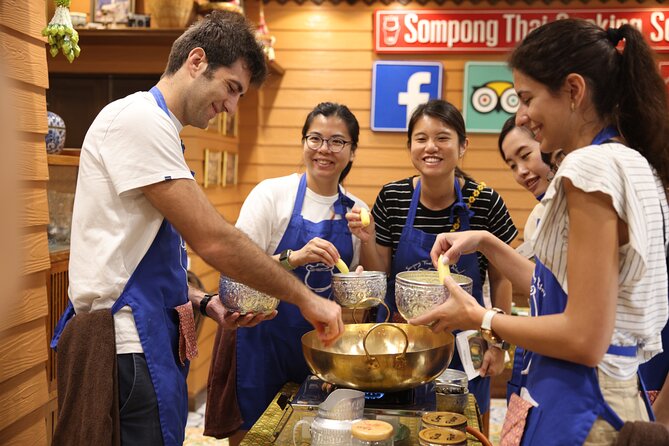
- Market visit early in the morning so your cooking starts with real ingredients
- Homemade curry paste from scratch, not a shortcut paste
- Learn by doing at your own cooking station with equipment provided
- Small class size (max 16) keeps the pace friendly and questions doable
- Vegetarian options and allergy attention so you’re not stuck if your diet is different
- You leave with a recipe book, which helps you recreate the dishes later
First stop: Si Lom and your “how to cook Thai” mindset
Sompong Thai Cooking School is based in Bangkok’s Si Lom area, and the class runs about four hours. The vibe is straightforward: you’re not just watching someone cook; you’re learning a system you can use again later. You’ll start at the school, then head out to a nearby market for ingredients and ideas.
You’ll likely appreciate the small-group setup. With a maximum of 16 people, instructors can actually correct technique and help you keep moving. That matters in Thai cooking, where timing and cutting/tempering habits can make or break flavor.
The school also provides the basics you need so you can focus on cooking instead of logistics. Expect coffee or tea (lemon grass tea is included), bottled water, lunch, dinner, and a recipe book.
You can also read our reviews of more cooking classes in Bangkok
The local market lesson: what to buy and how to judge it
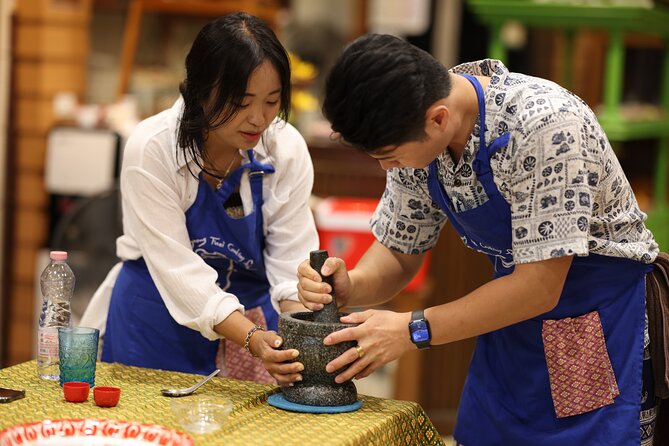
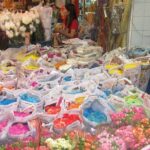
The class begins with a morning trip to a local market a few minutes away. This is where the experience becomes more than “follow a recipe.” You learn how to select ingredients for the dishes you’ll make, and you also get a bit of context—like why certain flavors show up in Thai food.
This matters because Thai cooking is ingredient-driven. Fresh aromatics, the right balance of salty/sour/sweet, and knowing what to look for in herbs are what separate home cooking from “it tasted close.” In a good market lesson, you stop guessing.
Practical detail: you’ll have a few minutes for personal shopping. That’s useful if you want to pick up ingredients you recognize from the class—just keep your baggage situation in mind. Bangkok markets can be fun, but you still don’t want to bring home a bag of bruised herbs.
Also, the market part is where instructor June’s energy really shines. Clear English helps, and her humor keeps the lesson relaxed while still being real instruction.
Back at the school: your station, your pacing, your practice time
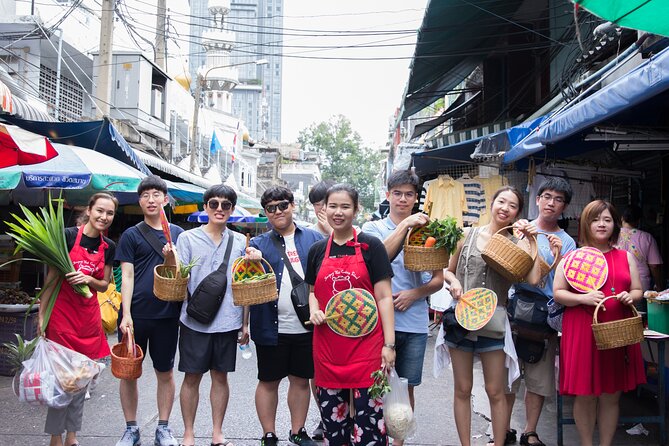
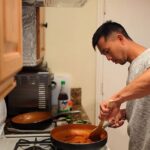
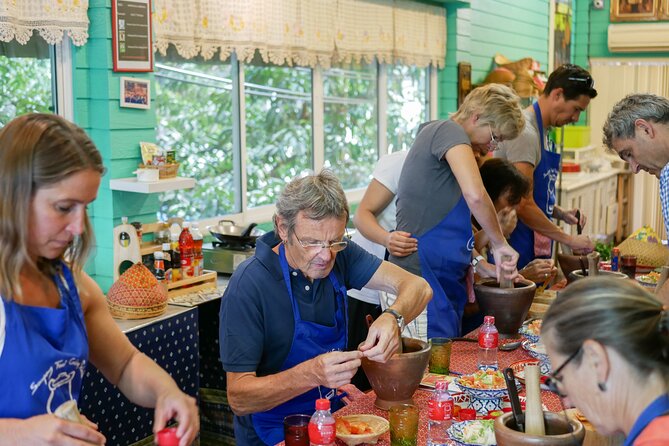
Once you return to the school, you get set up with an individual cooking station and the equipment needed to cook. This format is a big deal for value. If you cook on a shared station, you lose time. Here, you can work through steps at your pace while the instructor explains what’s happening.
The class is designed to teach both basic and more advanced techniques. That sounds like a big promise, but it usually translates into clear fundamentals (like knife work, mixing, and heat control) plus a few upgrades you can try if you’re comfortable.
You’ll also get tailoring based on your skill level. That’s helpful because Thai cooking can feel intimidating at first—lots of ingredients, strong flavors, and sauces that aren’t just one-note. If you’re a total beginner, you’re not expected to perform like a pro on day one.
And if you’re vegetarian or you have food issues, pay attention to this part: vegetarian dishes are available, and the school makes special attention for allergies. From a practical standpoint, that means you should tell them your needs clearly when you book.
Curry paste from scratch: the technique that changes everything
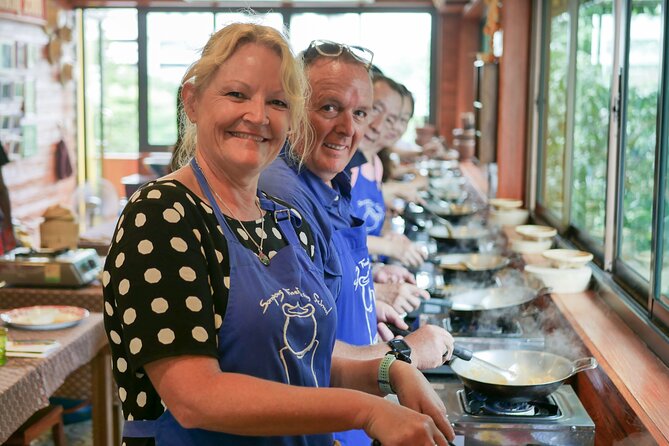
If there’s one moment that defines this class, it’s making curry paste from scratch. Not curry paste from a jar. Not “add a spoonful.” You’ll learn the process step-by-step, which is exactly what most home cooks struggle with later.
Why homemade curry paste is such a big deal: it teaches you how Thai flavor is built. The paste isn’t just spicy—it’s a blend of aromatics and seasonings that releases at the right time. When you make it yourself, you understand how texture changes and how the aroma evolves.
This lesson also helps you cook with confidence afterward. Even if you don’t replicate every single ingredient perfectly at home, you’ll know what the paste should smell and taste like, and how to adjust as you go.
Cooking the dishes: main dishes plus dessert (and a lot of real practice)
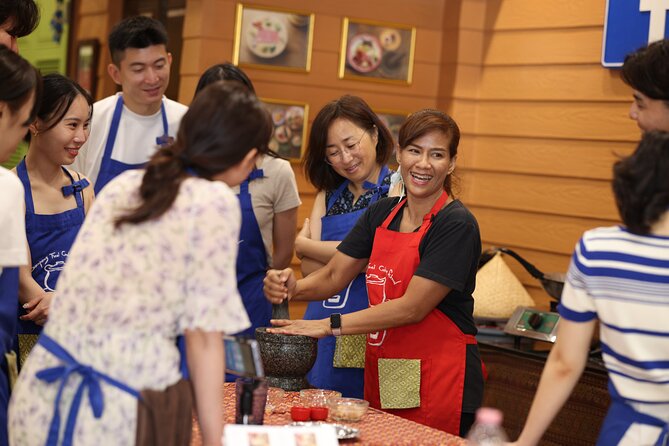
The class is built around learning multiple Thai dishes, with curry paste as a core element. The description points to cooking 4 dishes, and it also explains you’ll learn how to make curry paste from scratch while cooking main dishes and dessert.
So what does that mean for you at the table? You should expect a hands-on flow where you cook, taste, adjust, and then cook again. In strong cooking classes, that rhythm matters more than memorizing exact steps.
Here’s the practical breakdown of what you’ll be working on:
- Main dishes: You’ll learn three different Thai main dishes.
- Dessert: You’ll also learn a Thai dessert.
- Curry paste from scratch: A separate skill and a flavor base you’ll use during cooking.
That combination is great for most people because it covers the Thai “spectrum”: savory dishes with herb-based depth, plus a sweet ending that doesn’t feel like an afterthought. It also gives you more chances to understand technique, not just ingredients.
In the reviews, the food quality and satisfaction are a recurring theme. When a class lets you eat your work, you find out quickly whether the flavors actually work. That’s the honest test.




Meal time: lunch and dinner that actually uses your cooking
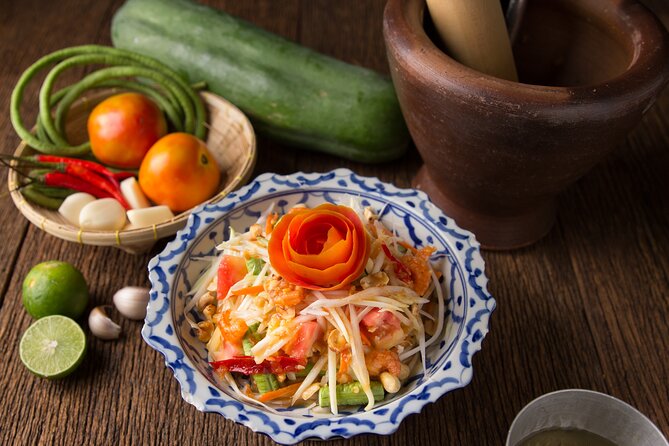
You won’t finish with snacks and a sad box. The experience includes lunch and dinner, and you get to feast on what you make. That’s one of the most underrated features of cooking classes.
Why it’s valuable: you get immediate feedback. If something tastes off, you can compare your dish to what you expected and learn from the instructor while it’s still fresh.
Also, it helps you build the flavor map in your head. Thai dishes are about balance. When you eat your curry, your herbs, your sauce, and your dessert in sequence, you start noticing what makes each dish taste Thai—not just what makes it taste good.
Instructor energy: June is the name to remember
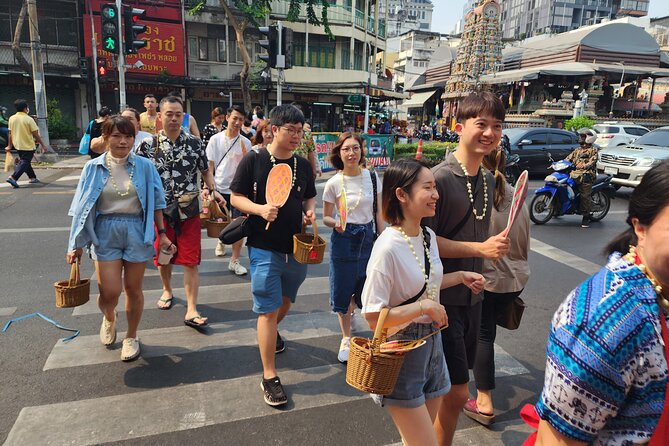
One of the best parts of this class is how the instruction lands. Reviews highlight June as the instructor for the experience, and the points are consistent: she’s funny, an excellent teacher and chef, and her English is clear and understandable.
Even if you’re nervous at the start, a good instructor reduces friction. You’re more willing to ask questions when the teaching style is friendly and efficient. And when you’re learning curry paste and multiple dishes in a few hours, you want that.
If you care about learning, not just doing, the instructor choice matters. This one appears to be a key reason people rate the class so highly.
Price and value: what $61 buys you in Bangkok
At about $61 for roughly four hours, this class is priced like a serious activity, not a casual demo. Whether it’s a good deal depends on what you compare it to.
Here’s the value logic:
- You get a market tour (real ingredient education).
- You get hands-on cooking with your own station and equipment.
- You learn curry paste from scratch plus multiple dishes, including dessert.
- Meals are included: lunch and dinner.
- You receive a recipe book you can use after the class.
If you’ve ever spent that kind of money on a cooking class where you only chopped a little and ate one dish, this is a different approach. The inclusion of both lunch and dinner pushes it into “worth it” territory, especially because you’ll eat what you cook instead of watching and leaving hungry.
The only cost to watch is getting yourself there. Since there’s no pickup, factor in transport time and fare from where you’re staying.
Who this class suits best (and who should think twice)
This is a great fit if you:
- Want a real Thai cooking skill, especially curry paste techniques
- Like learning by doing, not just watching
- Prefer a class size that isn’t too large (max 16)
- Need vegetarian options or have allergy concerns
- Want a recipe book to take home
It may be less ideal if:
- You really don’t want to navigate your own way to Si Lom
- You’re expecting a purely casual cooking demo with zero technique focus
- Your schedule is tight enough that a four-hour block feels hard to manage
Tips to make the most of your day
You can improve your results in class with a few simple habits:
- Come hungry. The class includes lunch and dinner, and you’ll enjoy tasting adjustments more.
- Ask what each ingredient is doing, not just how to add it. The market lesson is designed for that mindset.
- Take notes on paste texture and flavor. Curry paste is the one you’ll most likely recreate at home.
- If you have allergies or dietary limits, communicate clearly during booking so the team can guide you.
Also, keep your expectations realistic. This is about learning and practicing, not producing restaurant-grade dishes on your first try. The payoff comes from understanding the process.
Should you book Sompong Thai Cooking School?
Book it if you want a hands-on Bangkok cooking class that starts at a local market, teaches you curry paste from scratch, and then lets you eat what you make with lunch and dinner included. The small group size and the focus on real technique are exactly what make this kind of class stick with you after you return home.
Skip it (or at least think carefully) if you don’t want to travel to the Si Lom meeting point on your own. No pickup is the main friction point.
If you’re open to learning Thai flavors the practical way—ingredients first, then cooking—this is the sort of class you can feel good about paying for.
FAQ
How long is the Sompong Thai Cooking School class?
The experience runs for about 4 hours (approx.).
Where does the class meet in Bangkok?
You start at Sompong Thai Cooking School at 2, 6-2/7 Si Lom soi 13, Si Lom, Khet Bang Rak, Krung Thep Maha Nakhon 10500, Thailand.
Is there pickup included?
No. Pick-up services are not included, so you’ll need to get to the school yourself.
Do you visit a market during the class?
Yes. The morning class includes a local market tour where you learn about ingredients and how to select them.
Do you make curry paste from scratch?
Yes. The class includes making homemade curry paste from scratch.
What dishes do you cook?
You learn to cook 4 dishes, including curry paste, plus a dessert and multiple Thai main dishes.
Are vegetarian options available?
Yes. Vegetarian dishes are available.
Does the school handle allergies?
Yes. Special attention is made for allergies.
What meals and drinks are included?
The class includes coffee and/or tea (lemon grass tea), bottled water, lunch, and dinner, along with a recipe book.