REVIEW · COOKING CLASSES
Sathon: Hands-on Thai Cooking Class & Market Tour in Bangkok
Book on GetYourGuide →Operated by House of Taste Thai Cooking School · Bookable on GetYourGuide
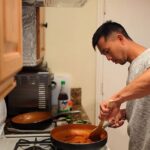
Food starts at the market. In Suan Phlu near Silom, you shop for ingredients with a guide, then get hands-on making fresh coconut milk and curry paste from scratch. I love the way the market stop teaches you what to buy and why it matters, and I love that you cook a full set of Thai dishes you can actually recreate later. One possible drawback: it’s real cooking work, including pounding and chopping, so if you hate getting a little messy, plan to embrace it.
The class setup is friendly and not chaotic. You’re led by Pitch (English and Thai), and the pacing stays sensible, so you don’t feel rushed while flavors build step by step.
The whole experience runs about 210 minutes and ends with a four-course meal you eat hot and fresh. Menus rotate by day, and the school can handle vegetarian, halal, kosher, and allergy-sensitive needs with substitutions.
In This Review
- Key Highlights You’ll Feel in Your Hands
- Suan Phlu Market Tour in Sathon: Where Flavor Gets Chosen
- The 210-Minute Flow: What the Class Does With Your Time
- Coconut Milk and Curry Paste From Scratch: The Skill That Changes Everything
- Your Day’s Menu: Four Thai Dishes Plus Mango Sticky Rice
- Monday (Papaya Salad, Pad Thai, Green Curry)
- Tuesday (Tom Kha Gai, Pad Krapow Gai, Red Curry)
- Wednesday (Tom Yum Goong, Pad See Ew, Green Curry)
- Thursday (Larb Gai, Pad Thai, Panang Curry)
- Friday (Som Tum, Pad Krapow Gai, Red Curry)
- Saturday (Tom Kha Gai, Pad Thai, Green Curry)
- Sunday (Tom Yum Goong, Pad See Ew, Panang Curry)
- The Techniques You’ll Use Again at Home
- Dining Immediately: Four Courses, Hot and Still Meaningful
- Value Check: Is $45 Worth It?
- Getting There: BTS and MRT Options Near Suan Phlu Market
- Who Should Book This Class (and Who Might Want to Think Twice)
- Should You Book Sathon: Hands-On Thai Cooking Class & Market Tour?
- FAQ
- How long is the cooking class?
- Is the Suan Phlu market tour included?
- What dishes do you cook and eat?
- Can you accommodate dietary preferences or allergies?
- What languages are the instructors?
- Where is the meeting point?
- What is the cancellation policy?
Key Highlights You’ll Feel in Your Hands
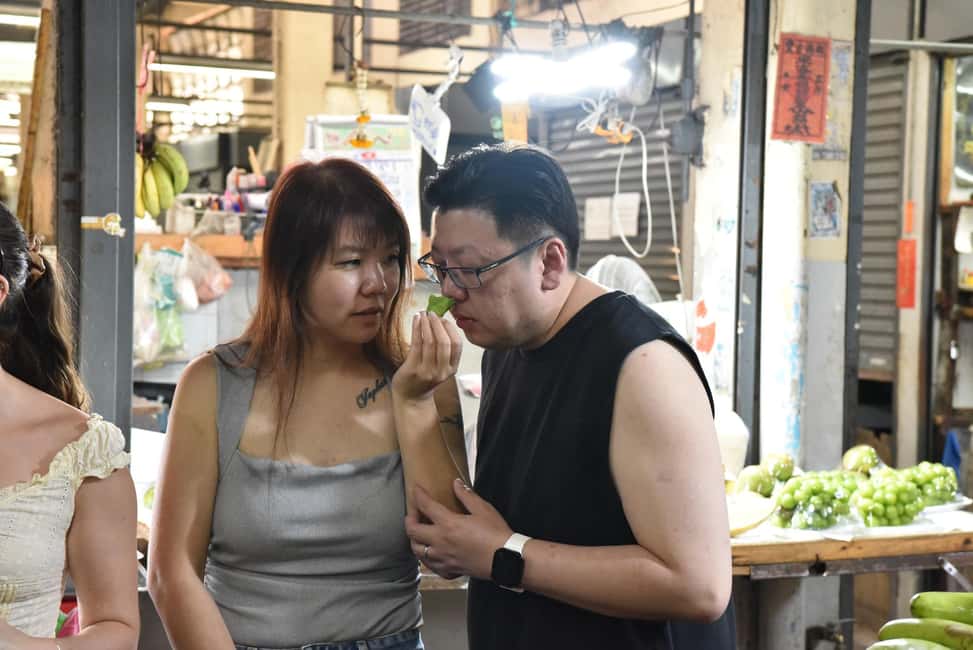
- Suan Phlu market shopping first: choose herbs, vegetables, rice, spices, and other basics with a guide.
- Coconut milk + curry paste from scratch: learn the messy, skill-based parts that make Thai curries taste alive.
- Cook 4 dishes and eat them right away: no waiting around for a later meal.
- Mango sticky rice is on the menu: it’s served as part of the four-course set every day.
- Recipes to take home: standard recipes are included, so you can repeat the results at home.
- Small-group energy: the class feels cosy, with Pitch guiding and cracking jokes to keep it fun.
Suan Phlu Market Tour in Sathon: Where Flavor Gets Chosen
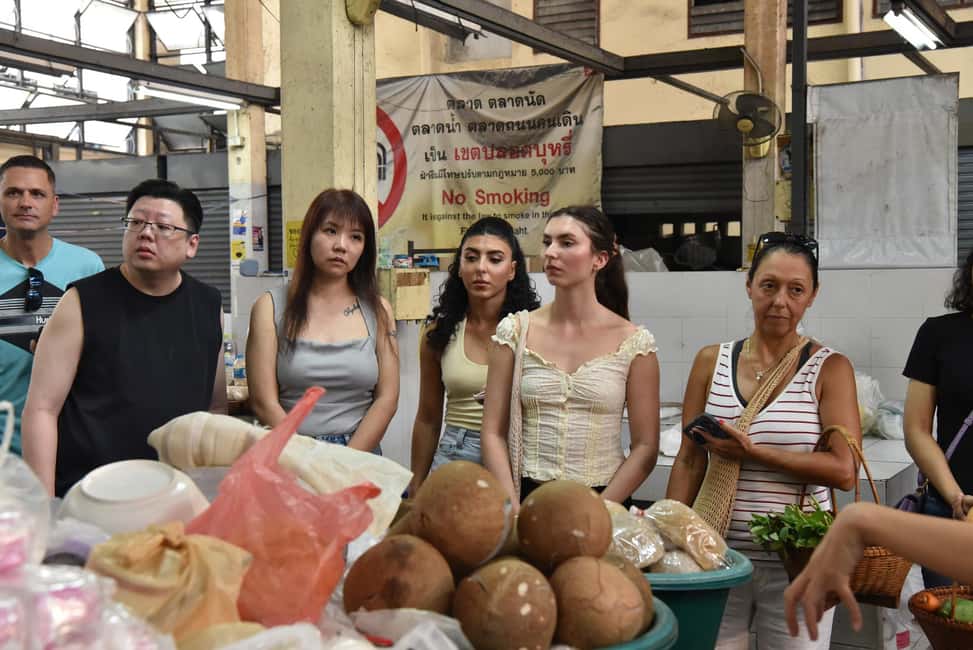
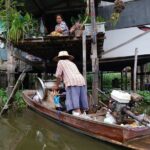
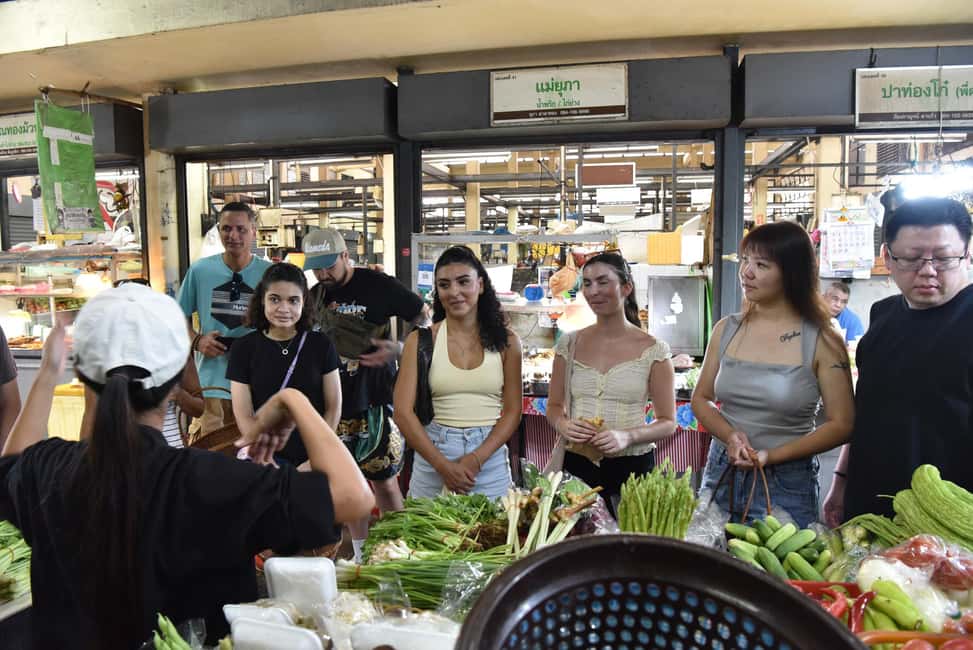
This class starts in the Suan Phlu area (Sathon), a convenient spot near Silom, and the meeting point is behind Suan Phlu Market. You’ll walk to the market quickly, then follow your guide through the stalls with a clear goal: pick ingredients you’ll use later. That order matters. When you shop first, cooking stops being a vague lesson and turns into practical choices you can repeat at home.
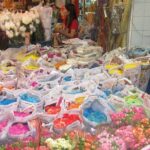
In the market, you’re not just grabbing what you recognize. The guide helps you spot the ingredients that make Thai cooking work: vegetables for crunch, herbs for aroma, and spices that bring heat without tasting flat. You also learn how rice and the main “Thai pantry” staples fit into what you’re about to cook.
Here’s a smart way to get more out of the market part: watch how you’re taught to judge freshness. You’ll usually get pointers like how produce should look, what herbs should smell like, and how spice ingredients behave when you use them. Even if you can’t name everything, you can remember the feeling of choosing. That’s the real upgrade.
Since the school is near the market (just about a minute away), this segment stays efficient. You’re not trekking across the city just to start learning. It’s built for concentration.
You can also read our reviews of more shopping tours in Bangkok


The 210-Minute Flow: What the Class Does With Your Time
The total experience is 210 minutes, roughly three and a half hours. That’s a good length for hands-on cooking because it gives you time to learn, cook, eat, and still leave feeling satisfied instead of exhausted.
A personal locker is included, along with cooking equipment and water. Water seems small, but it helps a lot when you’re tasting spicy sauces, balancing salt and acid, and working over heat.
The instructors teach in English and Thai, and the vibe is practical. Pitch explains what you’re doing and why. You don’t just follow steps like a recipe app; you learn the method behind the taste.
One practical note: Thai dishes can move fast when you’re cooking multiple components. The pacing here is designed to keep you with the group rather than stuck waiting. That’s especially helpful if you’re a beginner or you’re visiting with only a small amount of cooking confidence.
Coconut Milk and Curry Paste From Scratch: The Skill That Changes Everything
This is the heart of the class, and it’s worth showing up for even if curries are the only Thai dishes you usually order out. You’ll make fresh coconut milk and curry paste from scratch. That means you’re not relying on a jarred shortcut, and your curry flavor won’t taste like a guess.
In Thai home cooking, curry paste is the engine. When you grind and mix the paste ingredients yourself, you learn how aroma becomes flavor. The paste isn’t only about heat; it carries fragrance from aromatics and balance from seasoning. Freshly made paste also helps you adjust as you go, because you can see how the mixture behaves.
Making coconut milk from fresh coconut is another big difference maker. It changes the texture and the feel of the curry. Even if you’re not a picky cook, you’ll notice how the curry looks and tastes when the coconut is freshly prepared rather than pre-made.
Yes, it can get a little messy—this is hands-on cooking. But that’s also the point: you’ll go home understanding the work behind the dish. Later, when you make Thai curry at home, you’ll know what to aim for, not just what ingredients to buy.
Your Day’s Menu: Four Thai Dishes Plus Mango Sticky Rice
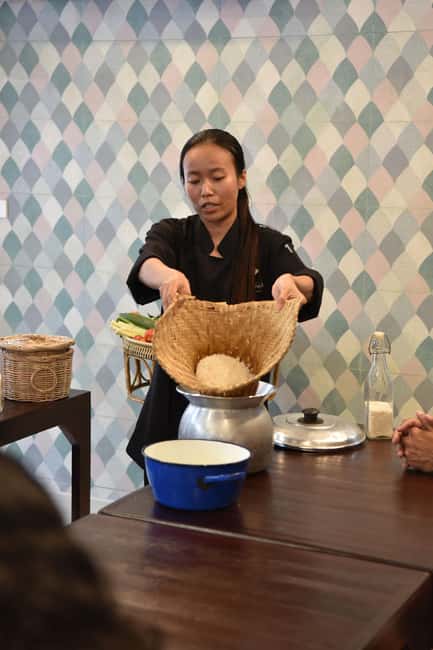
A key thing: the four-course lineup changes by the day of the week. Mango sticky rice is included every day, so you always end with something sweet and satisfying. Then the three savory dishes shift.
Here’s how the week typically breaks down:
Monday (Papaya Salad, Pad Thai, Green Curry)
You might cook Thai papaya salad (Som Tum), Pad Thai with shrimp, and green curry with chicken. If you like your food with a mix of tang, crunch, and herbal bite, this day gives you that range. Green curry also pairs well with the coconut milk and curry paste skills you’re practicing.
You can also read our reviews of more tours and experiences in Bangkok



Tuesday (Tom Kha Gai, Pad Krapow Gai, Red Curry)
Expect spicy coconut soup with chicken (Tom Kha Gai), stir-fried Thai basil chicken (Pad Krapow Gai), and red curry with chicken. This lineup is great if you want the comfort of coconut soup plus the punch of basil-based stir-fry. Red curry also leans into that curry paste craft.
Wednesday (Tom Yum Goong, Pad See Ew, Green Curry)
This day often includes hot and sour soup with shrimp (Tom Yum Goong), Pad See Ew with chicken (flat rice noodles), and green curry with chicken. If you like your Thai food bright and sharply flavored, Tom Yum is the kind of dish that teaches your palate how Thai sourness and chili heat should balance.
Thursday (Larb Gai, Pad Thai, Panang Curry)
You might cook spicy minced chicken salad (Larb Gai), Pad Thai with shrimp, and Panang curry with chicken. Larb is herb-forward and lively, and it’s a fun switch from curry-and-noodle days. Panang curry tends to feel thicker and richer, so you get a different texture lesson too.
Friday (Som Tum, Pad Krapow Gai, Red Curry)
This menu combines Thai papaya salad, Pad Krapow Gai, and red curry with chicken. It’s a strong option if you prefer salads and stir-fries over noodle-heavy meals.
Saturday (Tom Kha Gai, Pad Thai, Green Curry)
Saturday often pairs Tom Kha Gai with Pad Thai and green curry. It’s a nice mix of cozy soup, wok skills, and curry craft—good if you want variety without choosing between coconut and chili.
Sunday (Tom Yum Goong, Pad See Ew, Panang Curry)
Sunday closes the week with Tom Yum Goong, Pad See Ew with chicken, and Panang curry with chicken. It’s a confident lineup for people who want heat, sourness, noodles, and a curry finish.
The Techniques You’ll Use Again at Home
What you’re really buying with a class like this isn’t just the dishes. It’s a handful of techniques that make Thai food easier to repeat.
First, you learn how ingredient choices affect the final taste. That market start is what trains your instincts: when you choose herbs and aromatics, you’re setting up a dish before you ever light the stove.
Second, curry paste is a method, not a magic trick. When you make it yourself, you understand that the paste carries aroma first and heat second. That helps you troubleshoot at home: if a curry tastes flat, you can think about seasoning depth, aroma balance, and freshness rather than only adding more curry powder.
Third, many of the dishes in your menu are built around fast heat and timing—like stir-fries and noodle dishes. You’ll see how a quick wok style changes texture. And with recipes provided, you can recreate the order and pace later instead of guessing.
Finally, you’ll take home the standard recipes at no extra charge. That turns the lesson into a usable reference, not just a fun meal memory.
Dining Immediately: Four Courses, Hot and Still Meaningful
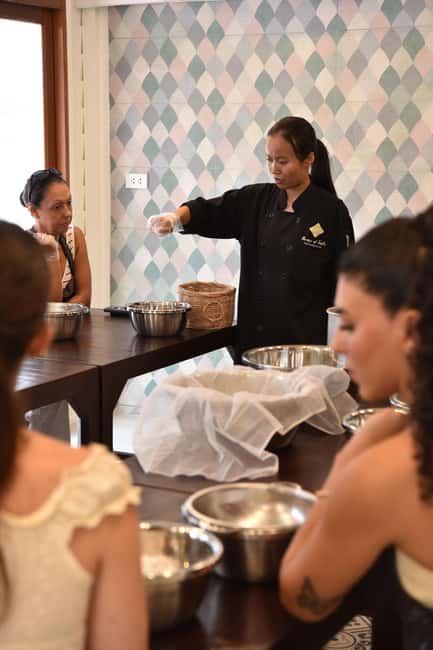
One of the best parts of a cooking class is the moment you eat what you cooked. Here, you don’t wait for a buffet line or a later service window. You cook, then you sit down and enjoy the four courses while they’re hot and fresh.
You’ll get drinking water as part of the included setup. Alcohol isn’t included, though it can be purchased. That matters if you were thinking of pairing cocktails with spicy Thai flavors; plan to keep your focus on tasting if you want the cooking lessons to stick.
Eating your own food also gives you feedback that a screen or lecture can’t. You’ll taste salt balance, chili strength, herb aroma, and noodle texture in one bite. That feedback is where the class becomes memorable.
Value Check: Is $45 Worth It?
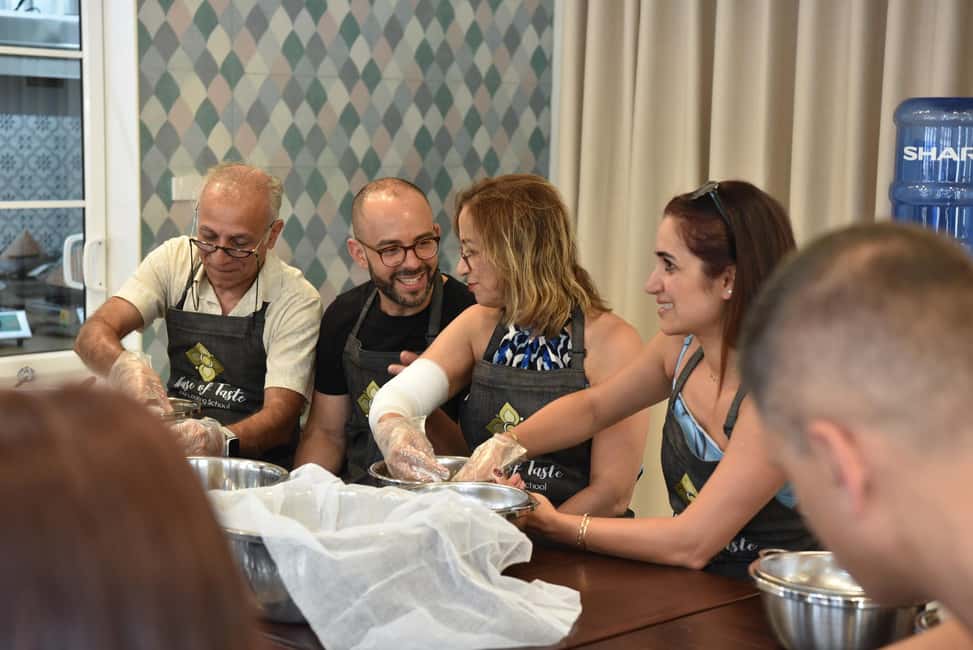
At $45 per person, the class can feel like a bargain when you look at what’s included. You’re paying for:
- A market tour included every class (morning, afternoon, and evening)
- Ingredients and cooking equipment
- A four-course meal
- Market-to-cooking guidance from a live instructor
- Recipes you can take home without additional cost
If you tried to replicate this on your own, you’d spend money and time just to source the ingredients and figure out how to make curry paste and coconut milk. Here, those skills are taught and supported, and you leave with the dishes you made instead of leftovers you’re unsure how to improve.
It’s a strong value if you want real Thai cooking confidence, not just a meal. If you only want to taste Thai food without learning technique, you might find it less aligned with your goals.
Getting There: BTS and MRT Options Near Suan Phlu Market
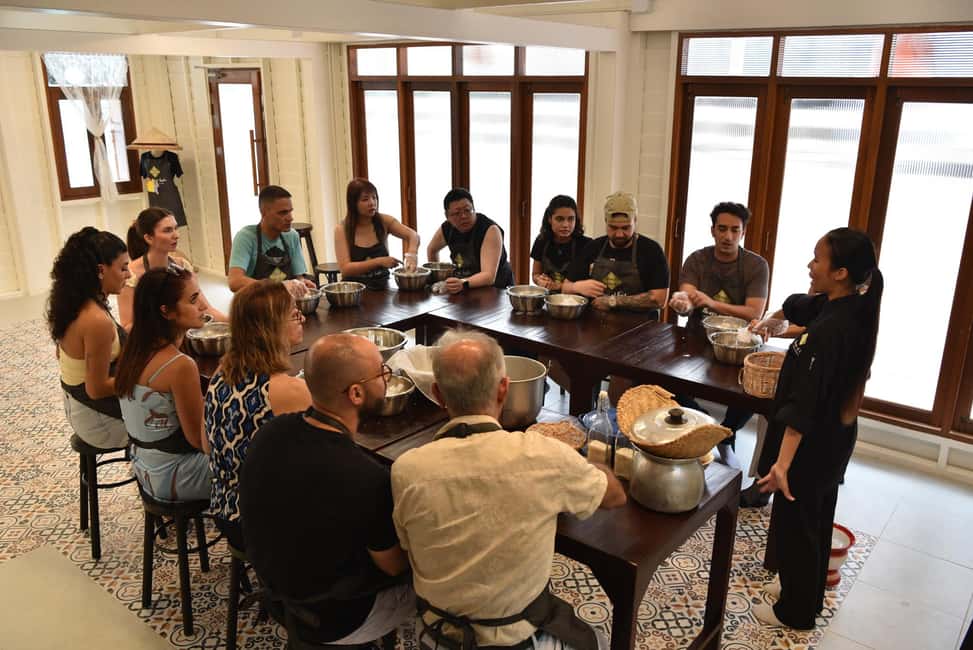
The meeting address is: 33, Thanon Suan Phlu, behind Suan Phlu Market, Thung Maha Mek, Sathon Bangkok 10120. Put that in your map app and you’ll find the right area fast.
For rail access, you have several nearby stop options:
- BTS Saint Louise (Exit 1)
- BTS Chongnonsi (Exit 2)
- BTS Sala Daeng (Exit 2)
- MRT Lumphini (Exit 2)
- MRT Silom (Exit 2)
From those points, take a motorcycle or taxi to the school. This is a practical plan in Bangkok, where door-to-door time can beat long walks, especially when you’re heading to a cooking class with ingredients and timing.
Who Should Book This Class (and Who Might Want to Think Twice)
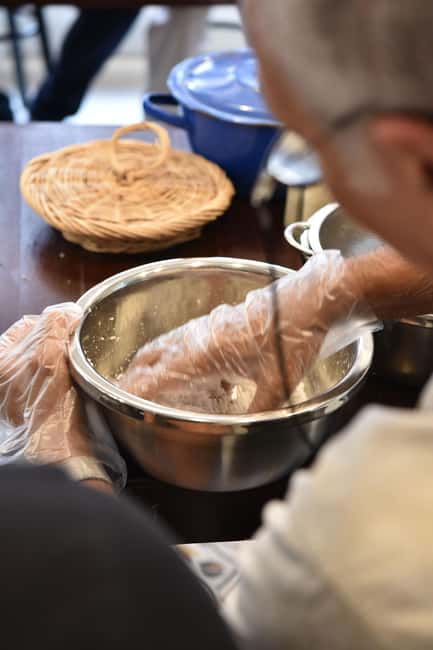
This experience is a great fit if you:
- Want hands-on skills like curry paste and coconut milk rather than only restaurant-style tasting
- Like learning with food that matches real Thai ingredient logic
- Enjoy group learning that still feels cosy and personal
- Need dietary accommodations like vegetarian, halal, kosher, or allergy-sensitive swaps
It may not be your best match if you:
- Strongly prefer low-effort experiences and want zero chopping or pounding
- Only care about eating and would rather spend the time exploring Bangkok streets on your own
- Are sensitive to spicy flavors (you can request substitutions, but some dishes may still challenge your spice comfort)
Wheelchair accessibility is listed, which is a helpful sign if mobility is part of your planning.
Should You Book Sathon: Hands-On Thai Cooking Class & Market Tour?
If you want a Thai cooking experience that starts with ingredient selection and ends with a meal you made yourself, I think this one is worth your time. The mix of Suan Phlu market shopping, the curry paste and coconut milk craft, and the four-dish menu gives you both understanding and satisfaction.
Book it if you’re the type who likes to learn one or two skills deeply rather than only tick boxes. Pick your day based on your favorite flavors: choose a Tom Yum day for hot-and-sour fans, a basil chicken day for stir-fry lovers, or a curry day if you want the paste-and-coconut technique to drive the meal.
And if you go, go hungry for learning. You’ll leave with recipes, but also with a better sense of how Thai flavors get built from the ground up.
FAQ
How long is the cooking class?
The class duration is 210 minutes.
Is the Suan Phlu market tour included?
Yes. A market tour is included in every class (morning, afternoon, and evening).
What dishes do you cook and eat?
You cook four Thai dishes (and mango sticky rice is included as part of the daily four-course set). The exact lineup changes by weekday.
Can you accommodate dietary preferences or allergies?
Yes. The school can accommodate vegetarian, halal, kosher, and allergy-sensitive guests by providing suitable substitute ingredients.
What languages are the instructors?
The instructor teaches in English and Thai.
Where is the meeting point?
Meet at 33, Thanon Suan Phlu, behind Suan Phlu Market, Thung Maha Mek, Sathon Bangkok 10120.
What is the cancellation policy?
You can cancel up to 24 hours in advance for a full refund.