REVIEW · COOKING CLASSES
Authentic Thai Cooking with the Largest market visit &TukTuk ride
Book on Viator →Operated by Sabieng Thai Cooking School · Bookable on Viator
Thai street flavors start at a market. This Bangkok class ties Khlong Toei Market shopping to real cooking, then sends you off by tuk-tuk and back to Sabieng Thai Cooking School. What I like most is how the teaching lands fast, especially with instructors like Chef Pim, who keeps directions clear and practical.
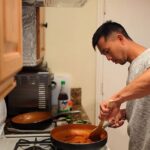
I also really value the class setup: a clean, comfortable cooking space where you prep and cook your dishes, then sit down to eat what you made. It’s not just tasting samples. It’s a real meal you build step-by-step.
One consideration: take the meeting point details seriously. A few people noted confusion around metro exit wording, which can cost you time (and possibly make you scramble to catch up). I’d rather you arrive early and safe than rush and miss the market part.
In This Review
- Key takeaways before you go
- Khlong Toei Market: shopping that actually changes how you cook
- The tuk-tuk ride transfer: short, fun, and useful in Bangkok
- Sabieng Thai Cooking School: clean kitchen, A/C comfort, and a real teaching rhythm
- What you’ll cook: pad Thai, curries, and mango sticky rice
- Pad Thai
- Curries (red or green)
- Mango sticky rice
- Learning that sticks: how the class pacing helps you cook at home
- Price and value: $44 for a 3.5-hour Thai-food education
- Practical stuff that makes or breaks your day
- How to handle the meeting point
- What to bring
- Eat expectations
- Mobile ticket
- Should you book this Thai cooking class with market visit and tuk-tuk ride?
- FAQ
- How long is the cooking experience in Bangkok?
- Where does the tour start and where does it end?
- What’s included in the experience?
- What’s the group size limit?
- When will I get confirmation after booking?
- Is the booking refundable?
Key takeaways before you go
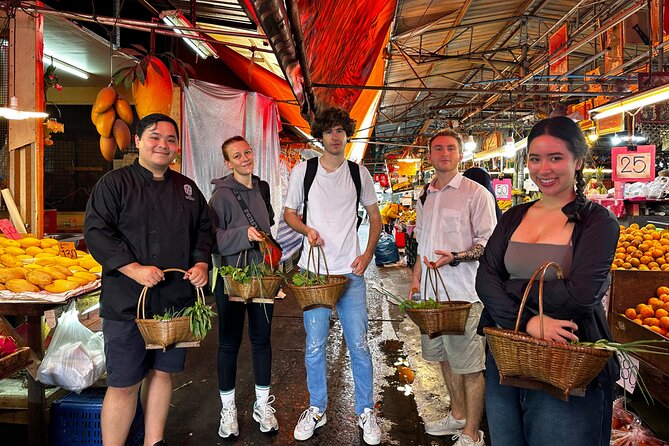
- Khlong Toei Market first means your cooking starts with ingredients you’ve actually picked out.
- Tuk-tuk ride adds fun and keeps the transfer short and easy.
- Small group (max 12) helps you get answers while you’re prepping and cooking.
- Real instruction from instructors with major culinary experience adds confidence to what you’re learning.
- You cook, then eat each dish, so the learning sticks and the lunch feels complete.
- Online recipes to take home make it easier to recreate Thai flavors later.
Khlong Toei Market: shopping that actually changes how you cook
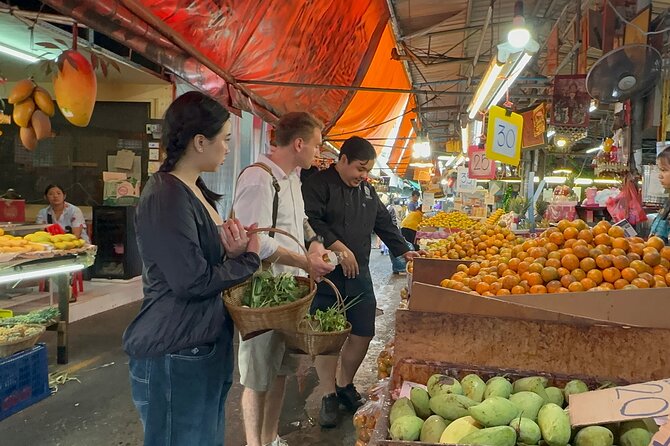
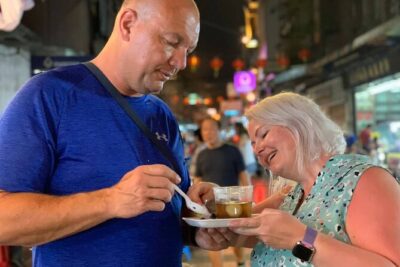
The best part of this experience starts before you touch a stove. You begin at Khlong Toei Market, a place where you can see how Thai cooking really starts: with fresh ingredients chosen for flavor, texture, and balance.
What makes this market stop practical is that you’re not just looking around. You’re learning what different ingredients are used for and why. You’ll see lots of fruit, vegetables, and seafood, and you’ll get guidance on how to identify items you’ll later use in your dishes. That’s the big difference between watching Thai cooking online and learning it in a real Thai ingredient context.
If you’ve ever tried to make Thai food at home and felt like the flavors were missing, this is where you fix that. Your curry paste, sauces, and stir-fry seasonings depend on specific aromatics and fresh components. Even if you never remember every single ingredient name, you’ll remember the reason you used them.
Also, the “largest market” angle matters here. More vendors means more variety, and that variety helps your instructor show you common options and swaps. If you’re picky about sourcing at home, this part helps you understand what you can substitute without losing the whole dish.
You can also read our reviews of more shopping tours in Bangkok


The tuk-tuk ride transfer: short, fun, and useful in Bangkok
After the market, you move to the cooking school by tuk-tuk. The ride is quick enough that it doesn’t turn your day into a logistics marathon, but it adds a very Bangkok flavor to the morning.
Here’s why it’s more than just a photo stop: you’re traveling in a way that matches the pace of the day. You’re not losing energy to long transit. Instead, you go from ingredients → teaching moment → kitchen prep in a smooth flow. That matters because Thai cooking is timing-sensitive. When you arrive at the school ready to work, you get more out of the class.
And yes, it’s fun. The tuk-tuk ride breaks up the sensory intensity of the market and gives you that little “I’m in Thailand” reset before you start chopping.
Sabieng Thai Cooking School: clean kitchen, A/C comfort, and a real teaching rhythm
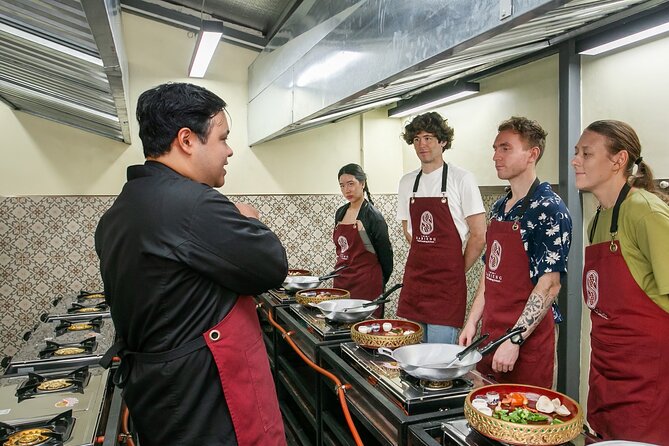
Your cooking happens at Sabieng Thai Cooking School. One of the most repeated benefits from people who did this is that the school is clean and comfortable, with a setup that feels organized and ready for teaching.
A clean kitchen sounds basic, but it’s not. When you’re cooking multiple dishes, you want surfaces that make prep and cleanup simple. It also keeps the experience calmer. Bangkok street markets can be loud and crowded; a well-run classroom helps you focus on technique instead of just surviving the day.
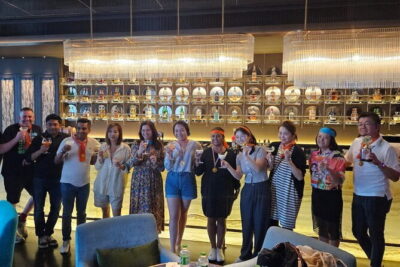
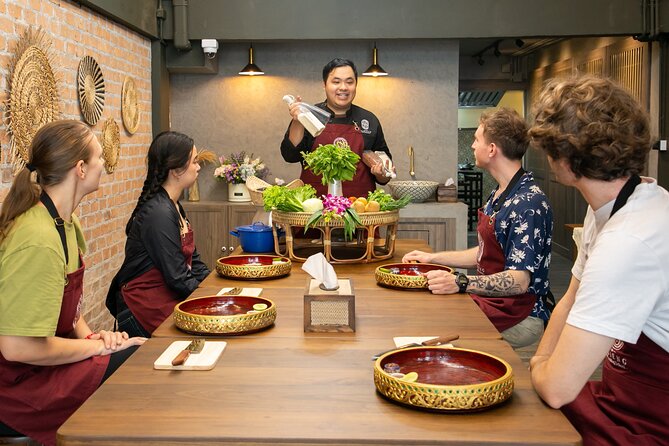
This is also a small-group class (up to 12 people). That size keeps the instructor attention where it matters. You’re not waiting in line for help or guessing about steps. If you’re unsure about how something should look or taste, you can ask.
I especially like the class rhythm described in the experience format: you prep ingredients for the dishes, cook them, and then sit down to eat. That structure turns “learning Thai cooking” into something you can actually repeat later.
What you’ll cook: pad Thai, curries, and mango sticky rice
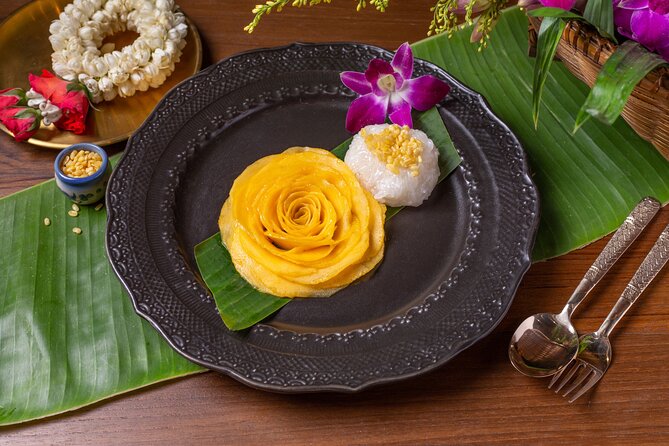
This class is built around classic Thai dishes, and the exact menu can vary, but the themes show up again and again: pad Thai, a curry (often red or green), and mango sticky rice for dessert.
Pad Thai
Pad Thai is the dish people often think they already know—until they taste a version built with proper technique and balanced seasoning. During class, you get hands-on practice with ingredients and steps, not just a guided lecture. The big payoff is learning what to watch for while cooking so you can avoid the two most common homemade pad Thai problems: bland flavor or a weird texture.
You can also read our reviews of more tours and experiences in Bangkok




Curries (red or green)
Curries are where Thai cooking really teaches you something. You’re not only adding sauce; you’re building flavor through paste, aromatics, and correct seasoning timing.
One clear highlight from this experience format is that you may make curry paste from scratch (described with green curry). That’s a skill you don’t usually get in casual cooking demos. Even if you don’t recreate the exact paste later, you’ll understand the idea: the curry paste isn’t an accessory—it’s the engine.
Mango sticky rice
Then comes the finish: mango sticky rice. This is one of those dishes that’s hard to get right if you guess on ratios or technique. In class, it’s handled as part of the meal, so you understand it as a dessert course—not a last-minute afterthought.
If you like eating what you cook (and you should), this course design makes it easy. You end up with a full lunch: savory dishes first, sweet payoff at the end.
Learning that sticks: how the class pacing helps you cook at home
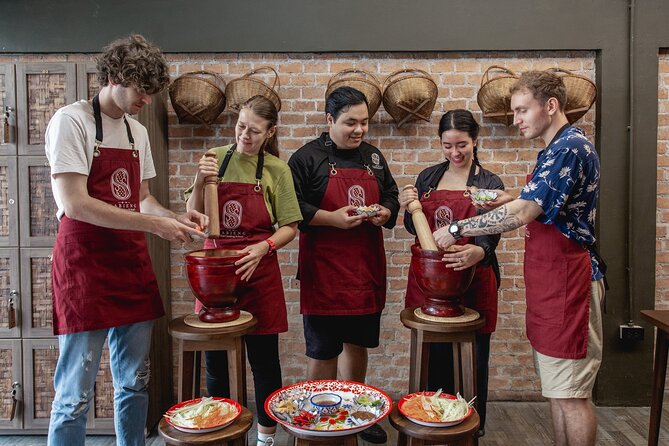
Thai cooking can feel intimidating because there are many flavors and many steps. What helps here is the pace and structure.
You typically move through a loop:
1) ingredients and prep steps
2) cooking the dish
3) eating it as a group
That loop does two things for you. First, it gives immediate feedback. You see what the dish is supposed to taste like when it’s made correctly. Second, it reinforces your memory. You’re tasting while the instructions are still fresh in your mind.
Another practical win: adjustments. Multiple people noted the class can handle vegetarian needs with substitutions, and that you can modify based on your preferences or needs like allergies. If that matters to you, tell the instructor clearly. In a hands-on format, small swaps can be the difference between loving the class and feeling stuck.
Finally, you leave with online recipes. That’s the difference between “fun cooking day” and “I can actually cook this again.” When you have the recipe steps, you can recreate the dishes after you’ve returned to your own kitchen setup.
Price and value: $44 for a 3.5-hour Thai-food education
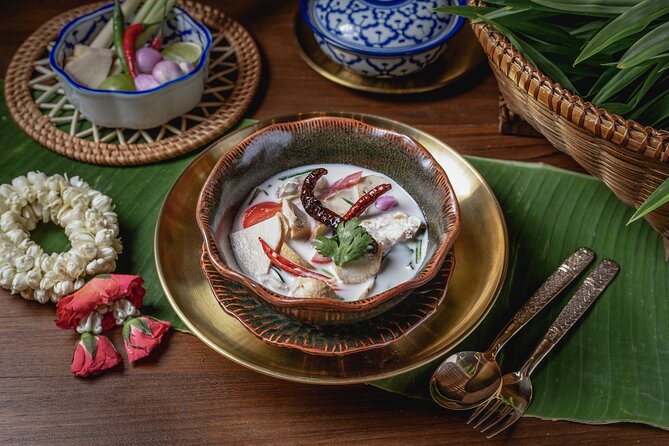
$44 for about 3 hours 30 minutes is a fair price when you look at what you actually get.
You’re paying for:
- a guided market visit that teaches you ingredient context
- a tuk-tuk transfer that keeps the day moving
- hands-on cooking instruction plus cooking multiple dishes
- meals you eat on the spot
- online recipes you can use later
If you’ve taken cooking classes before, you’ll recognize the usual trade-off: cheaper classes sometimes skip the market or keep it shallow. This one treats market shopping as part of the learning, not a side quest. That’s where your value increases.
Also, the class size (max 12) matters for value. Smaller groups reduce downtime and increase your chance to get help while you’re cooking.
Practical stuff that makes or breaks your day
How to handle the meeting point
The start and end are both tied to the meeting point area (a coordinate is provided). This is normal for Bangkok tours, but the key is accuracy. One issue reported was confusion about metro exit wording, which caused people to miss the market and then improvise their way to the school.
My advice: arrive early, and compare your directions to what you actually see on the ground. If you’re using metro, double-check the exact exit. And if you’re early, you’ll wait calmly instead of stressing later.
What to bring
You’re cooking and eating, and you’re also doing market walking. Pack light and comfortable.
- Wear shoes you can walk in on uneven surfaces
- Bring water if you tend to get thirsty quickly (market time can run warm)
- If you’re sensitive to spice, tell your instructor at the start so they can guide you
Eat expectations
You should plan to eat breakfast lightly. This format ends with full dishes plus dessert, so you’re likely to skip dinner later. That lunch payoff is part of why this is considered a highlight class.
Mobile ticket
The experience uses a mobile ticket, which helps if you like keeping everything in one place. Still, I’d keep an offline screenshot just in case your phone battery acts up.
Should you book this Thai cooking class with market visit and tuk-tuk ride?
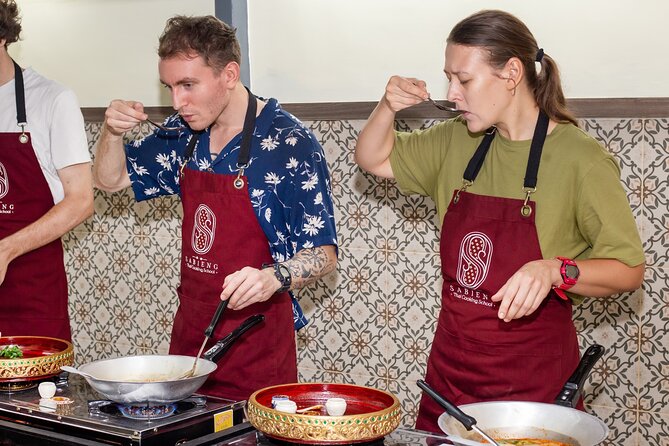
I’d book it if you want more than a cookbook-style demo. This experience is built for people who want a practical handle on Thai cooking: ingredients first at Khlong Toei Market, then technique and flavor-building in a clean school kitchen, plus a meal you assemble and eat right away.
I would think twice if you dislike close attention to meeting instructions. The cooking part is usually smooth, but you don’t want to lose the market time. Arrive early and follow the directions carefully.
If you’re a foodie who likes learning by doing, or if you want a fun Bangkok morning that turns into skills you can use at home, this is a strong pick for the price.
FAQ
How long is the cooking experience in Bangkok?
It runs for about 3 hours 30 minutes.
Where does the tour start and where does it end?
It starts at PHC5+JVH, Bangkok, Thailand, and ends back at the same meeting point.
What’s included in the experience?
You’ll visit the Khlong Toei Market, ride in a tuk-tuk, and then take an authentic Thai cooking class at Sabieng Thai Cooking School. This is a hands-on class where you cook and eat.
What’s the group size limit?
The maximum group size is 12 travelers.
When will I get confirmation after booking?
Confirmation is received within 48 hours of booking, subject to availability.
Is the booking refundable?
No. The experience is non-refundable and cannot be changed for any reason.