REVIEW · HISTORICAL TOURS
Bangkok: Tuk Tuk Ride and Water Cultural Tour
Book on GetYourGuide →Operated by Jiatours · Bookable on GetYourGuide
Temples and canals in one day is hard to beat. This tour links tuk-tuk rides with a proper longtail boat stretch, so Bangkok’s river life feels close up, not like a postcard. With the English guide Yuri (sometimes spelled Yui), the day moves at a relaxed pace while hitting big landmarks you’d miss if you just wandered.
I also love the food angle. You’ll get an indigenous snack and seasoning fruit tasting at the market, then later roll into Chinatown for street-food style lunch energy. You even have a merit-making stop, which turns temple visits into something you can actively participate in, not just look at.
One thing to plan for: it’s a long 6 hours with walking and warm-weather time. Comfortable shoes matter, and the tour isn’t a fit if you’re pregnant or have back problems.
In This Review
- Key Highlights You’ll Actually Feel
- The Value Equation: What $32 Buys You in Bangkok
- MRT Itsaraphap to Tuk-tuks: Getting Started Without Stress
- Wat Khun Chan: Reclining Buddha, Phra Rahu, and Merit-Making
- Wat Paknam Phasi Charoen: The Old-Ayutthaya-Era Temple and Its Biggest Buddha
- Khlong Bang Luang: Floating Market Vibes and Artist House Streets
- The Longtail Boat Ride: Bangkok by Water, Not Just by Road
- Flower Market Time, Then Chinatown Street Food for Lunch
- Song Wat Road Photo Stop: A Quick Trend Layer After Temples
- Ending at Wat Mangkon and How to Continue the Night
- Who This Tour Fits Best (and Who Should Skip It)
- Final Call: Should You Book This Tuk-tuk and Water Cultural Day?
- FAQ
- How long is the Bangkok Tuk-Tuk Ride and Water Cultural Tour?
- How much does the tour cost?
- Where do I meet the guide and driver?
- Is there an English-speaking guide?
- What transportation is included?
- Which major sights does the tour include?
- What food or drinks are included?
- What should I bring, and what should I avoid?
Key Highlights You’ll Actually Feel
- Tuk-tuk + longtail boat combo: overland shortcuts and then real canal-time.
- Wat Khun Chan for reclining Buddha and Phra Rahu: temple visits with a purpose at the offerings point.
- Wat Paknam Phasi Charoen’s biggest Buddha plus museum time: a temple stop that goes beyond photos.
- Khlong Bang Luang floating market area and artist houses: you get the heritage side and the creative side.
- Song Wat Road photo stop: a quick trend-friendly stop after lunch in Chinatown.
- Small group pace (up to 8 people): easier conversations and less crowd energy.
The Value Equation: What $32 Buys You in Bangkok
At $32 per person for a full 6 hours, the best part isn’t the sticker price. It’s what’s already rolled in: a friendly English guide, a professional tuk-tuk driver, entrance tickets, drinking water, insurance, an indigenous snack with seasoning fruit tasting, and a longtail boat ride. For Bangkok, that mix of transport plus paid entry is where value usually hides.
You’re also not stuck just on main roads. The route is built to connect temples, neighborhoods, and water life in Thonburi, which means you’re paying for variety, not just for a checklist.
You can also read our reviews of more historical tours in Bangkok
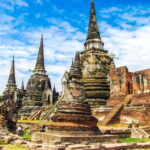
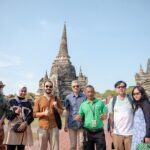
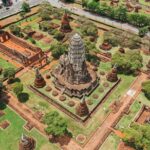
MRT Itsaraphap to Tuk-tuks: Getting Started Without Stress
The meeting point is MRT Blue Line at Itsaraphap station, Exit 2 (Soi 23). Come about 15 minutes early so you can find the group and get settled before the driver pulls away.
From the start, the tour is designed for quick orientation. Once you hop into the tuk-tuk, you’ll bounce through different parts of the city fast, then slow down where it counts: temple visits, market browsing, and the canal segment.
Practical tip: bring water energy, but you don’t need to bring a full picnic. Drinking water is included, and you’ll also have snack and fruit tasting early in the day.
Wat Khun Chan: Reclining Buddha, Phra Rahu, and Merit-Making
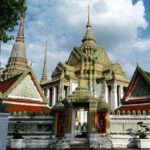
Your first temple stop is Wat Khun Chan, where you’ll see the reclining Buddha image and the Phra Rahu area that’s known for offerings and making merit. This is the part of the day that turns a sightseeing route into a more personal temple experience.
What I like about this stop is the structure. You’re not just passing a statue. You’re guided through what people do there—how merit-making and offerings fit into temple culture. If you’re unsure what to do when you arrive, this is where having an English guide helps you avoid awkward guesswork.
Dress matters at Thai temples. The tour doesn’t list a formal dress code, but a guide-led day like this usually means you’ll be nudged toward temple-appropriate clothing. In the same spirit, you may find the guide has practical help on hand—some days that includes basic comfort items like fans or umbrellas—so you can focus on the moment rather than weather math.
Wat Paknam Phasi Charoen: The Old-Ayutthaya-Era Temple and Its Biggest Buddha
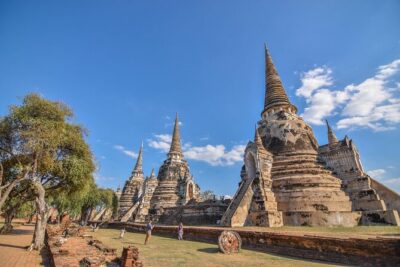
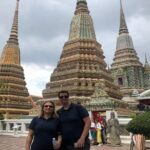
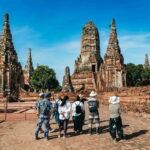
Next up is Wat Paknam Phasi Charoen, described as one of the oldest temples since the Ayutthaya period. The headline here is the biggest Buddha image, plus a museum stop in Thonburi that helps explain the temple setting beyond the main sight.
This is a great counterbalance after Wat Khun Chan. Instead of another “quick statue glance,” you get a longer, more detailed temple experience. The museum portion matters because it gives you context for why this temple matters locally, not just what it looks like.
If you prefer cultural stops where you can actually learn something while walking around, this is the kind of place that rewards your attention.
Khlong Bang Luang: Floating Market Vibes and Artist House Streets
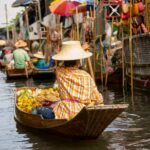
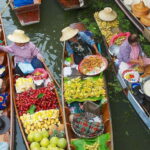
Then you head toward Khlong Bang Luang floating market to see heritage house settings and artist houses. Even if you’ve seen other markets before, this area has a specific Bangkok flavor because it ties into the canal identity of Thonburi.
This part of the day is also where I’d expect you to slow down. You’ll have time to look, photos will come easier, and the “why this place exists” question starts to have answers. It’s not just shopping energy; it’s place energy.
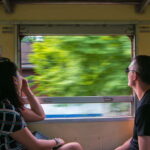
The Longtail Boat Ride: Bangkok by Water, Not Just by Road
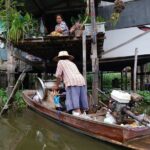
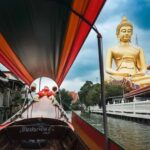
At some point after the market/artist house area, you’ll take the longtail boat ride. This is the heart-beat transportation moment, because Bangkok’s water life is different when you’re actually on it.
A tuk-tuk compresses distances on land. The longtail boat lets you understand the city’s relationship with water—how communities live, how canals shape movement, and how the riverfront feels day-to-day. For many people, this is the part that makes the whole day stick.
Photo tip: aim for steady footing and a comfortable stance. The boat ride is included, but you still want to manage your balance and camera grip like you actually expect movement.
Flower Market Time, Then Chinatown Street Food for Lunch
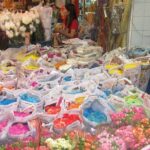
After the boat segment, the route shifts toward a flower market stop. Flower markets are one of those Bangkok traditions that look colorful from a distance and feel meaningful up close. It’s quick, but it sets you up for the next change of atmosphere.
Then you roll into Chinatown for street food energy and lunch. The day isn’t vague about food time, because this is where you’re meant to taste the city in a practical, guided way.
One detail from the experiences people share: the lunch includes a street food stop connected with a Michelin-starred street-food spot. Even if you don’t chase awards, you’ll likely appreciate the comfort in having a guide steer you to food that’s actually worth your time.
Song Wat Road Photo Stop: A Quick Trend Layer After Temples
After lunch, you’ll stop at Song Wat Road for a photo shoot aimed at the current generation trend. It’s not a long detour, so it works like a reset—something lighter after temple viewing.
This part is useful if you want variety in your photos: temples and Buddha imagery in the earlier hours, then streets and street-life fashion energy later. It’s also a good point to recharge with a few minutes of shade or time for a quick snack if you’re prone to getting hungry.
Ending at Wat Mangkon and How to Continue the Night
The tour ends at Wat Mangkon. Since you finish near Chinatown’s temple zone, you’re positioned well for an evening plan.
If you want to keep momentum, you can eat at China town afterward or head for a drink at a bar on Nana China Road. The idea is simple: you’ll finish the tour with enough food-and-neighborhood context to choose what you want next.
Who This Tour Fits Best (and Who Should Skip It)
This is a strong match for you if:
- You want temple highlights plus water life in one day, not separate trips.
- You enjoy markets and tasting snacks, including seasoning fruit tasting early.
- You like a small-group pace where the guide can explain what you’re seeing.
It’s not a good fit if:
- You’re pregnant or you have back problems, because the route includes walking and time on the move.
- You want a super short, low-effort day. Even with tuk-tuks, it’s still a full 6-hour outing.
Families can do well here too, especially if your kids enjoy riding in tuk-tuks and being on a boat. The schedule is action-forward, and the guide can help make temple rules easier to follow.
Final Call: Should You Book This Tuk-tuk and Water Cultural Day?
If your Bangkok plan includes temples, you should consider this. It’s not just temples-in-a-row; it’s temples tied to offering moments, a market tasting start, and a longtail boat ride that shows you the city through its canals.
The big decision for you is energy level. If you can handle a warm, active 6-hour day with comfortable-shoe walking, this tour offers a lot of included value for $32—transport, paid entry, food tasting, and a true water segment.
If you’d rather do Bangkok slower with fewer stops, you might feel the day runs firm. But if you want one well-structured day that covers a lot of ground without feeling chaotic, this is a solid bet.
FAQ
How long is the Bangkok Tuk-Tuk Ride and Water Cultural Tour?
It lasts about 6 hours.
How much does the tour cost?
The price is $32 per person.
Where do I meet the guide and driver?
Meet at MRT Itsaraphap station, Exit 2 (Soi 23). Arrive about 15 minutes early.
Is there an English-speaking guide?
Yes. The tour includes a live English tour guide.
What transportation is included?
You’ll use tuk-tuks during the land parts of the day and take an included longtail boat ride.
Which major sights does the tour include?
You’ll visit Wat Khun Chan (reclining Buddha and Phra Rahu offerings), Wat Paknam Phasi Charoen (biggest Buddha and museum), Khlong Bang Luang (floating market area and artist houses), then Chinatown and a stop at Song Wat Road. The tour ends at Wat Mangkon.
What food or drinks are included?
The tour includes an indigenous snack and seasoning fruit tasting, plus drinking water. Extra drinks are not included, and lunch is planned during the Chinatown part of the day.
What should I bring, and what should I avoid?
Wear comfortable shoes. Alcohol and drugs are not allowed on the tour.