REVIEW · EVENING EXPERIENCES
Bangkok Tuk Tuk Food Tour By Night
Book on Viator →Operated by Food Adventure Food Tours · Bookable on Viator
Tuk-tuks and Thai street food, at night. This 5 PM Bangkok tour mixes tuk-tuk rides with street-food tastings and ends with a rooftop-bar view along the Chao Phraya. It’s set up for an easy, small-group evening, with the tour led by a professional guide and timed for the best nighttime neighborhoods.
I love that you get a minimum of seven tastings, which is the difference between eating like a tourist and eating like a local. I also like how the guide connects food to the city, with real explanations that help you understand what you’re tasting in places like Chinatown (Yaowarat).
One big consideration: this tour may not work for vegetarian, vegan, or gluten-free diets, and it isn’t suitable if you have allergies to shrimp, peanuts, pork, or dairy.
In This Review
- Key things to know before you go
- How the 5 PM tuk-tuk night works (and why it feels different)
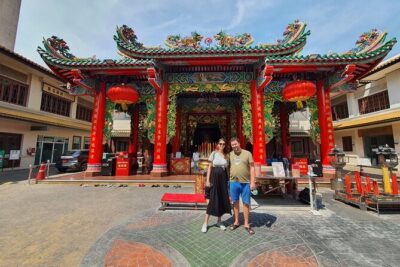
- From Bangkok Train Station to Chinatown at night
- The main event: seven (or more) street-food tastings
- What you learn while you eat: food + local context
- Flower market stop: why it works right at nightfall
- Rooftop bar views near the Chao Phraya (and what to expect)
- Price and value: is $75 reasonable for this kind of night?
- What to wear and bring for a comfortable night
- Who should book this tour (and who should skip it)
- Should you book Bangkok’s Tuk-Tuk Food Tour by Night?
- FAQ
- What time does the Bangkok Tuk Tuk Food Tour by Night start?
- How long is the tour?
- Where do I meet the tour, and where does it end?
- How many food tastings are included?
- What’s included in the price?
- Are alcoholic beverages included?
- How big is the group?
- What is the cancellation policy?
Key things to know before you go
- Tuk-tuk transportation included for a night route that’s hard to copy on your own
- Minimum seven tastings plus a water bottle keeps you fueled for a 4-hour evening
- Small group size (up to 8), with a max of 12 travelers
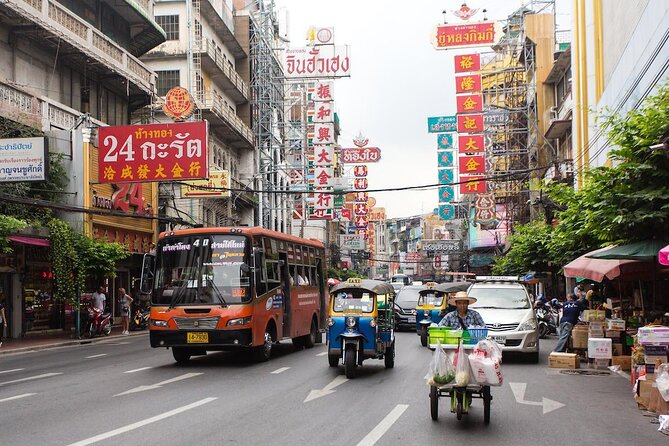
- Chinatown-focused eating at night, with Thai street food and Chinese-influenced dishes in the mix
- Flower market + rooftop bar end with views toward Wat Arun and the Royal Palace area
How the 5 PM tuk-tuk night works (and why it feels different)
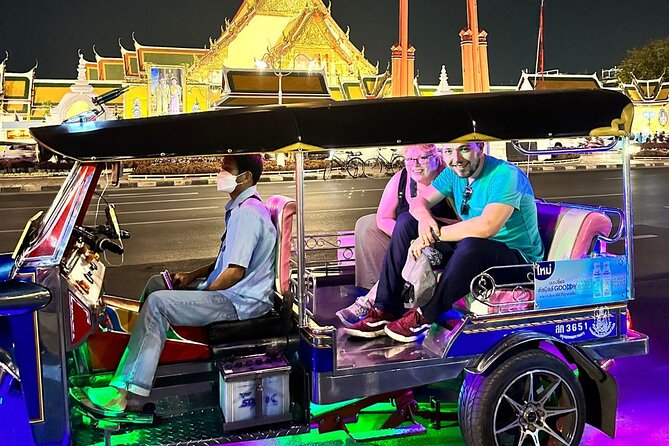
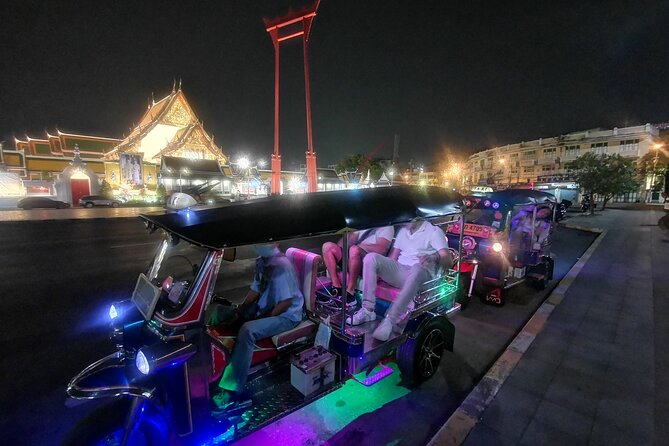
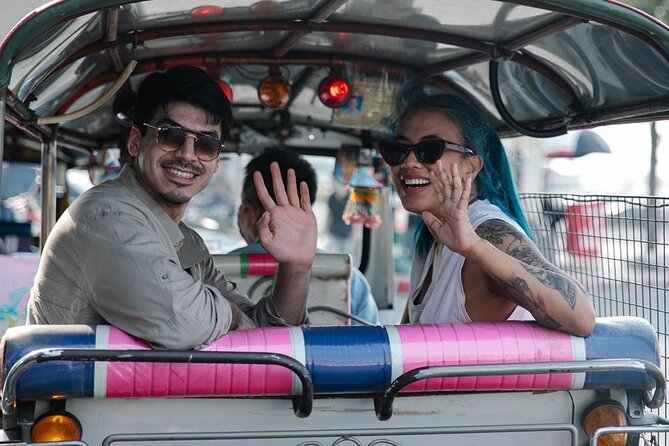
This isn’t a sit-down dinner tour. It’s built around moving through Bangkok’s night neighborhoods by tuk-tuk, which changes the whole experience. You’re not just tasting food; you’re getting the sights, the smells, and the pace of the streets after dark, without needing to plan each stop.
You start at Bangkok Train Station (Rong Mueang Rd area) at 5:00 pm, then spend roughly 4 hours hopping between food stalls and small restaurants. The vibe stays casual throughout. You’ll also end near Wat Mangkon (with MRT Wat Mangkon Station close by), so you can keep your night going if you want.
A practical note: tuk-tuks are part of the attraction, but they’re also small. Getting in and out can take a bit of ducking and maneuvering, especially if you don’t love tight spaces or have mobility limits. The tour is designed to be open to most travelers, but it’s worth thinking about how you handle quick stops and short transfers.
You can also read our reviews of more food & drink experiences in Bangkok
From Bangkok Train Station to Chinatown at night
The meeting point is straightforward—Bangkok Train Station—and it’s near public transportation, which helps if you’re combining it with other parts of your trip. From there, the route heads into central areas and builds toward Bangkok’s most food-obsessed districts after dark, especially Chinatown.
What makes this part valuable is the way the guide sets context as you go. On this type of tour, you’re often eating dishes you’ve seen on menus but never understood. Here, the explanation helps you catch what’s going on: why a noodle soup hits a certain way, why a dipping sauce tastes balanced, or what makes a dish feel unmistakably Bangkok.
In several group experiences with guides like Sophia, Chai, Sunny, and Sofie, the common thread is pacing and clarity—food first, then short history bits between tastings. That structure keeps the night from feeling like a food parade where you just follow instructions and hope for the best.
The main event: seven (or more) street-food tastings
The tour’s core promise is a minimum of seven tastings, and that matters for two reasons. First, it raises your odds of hitting a range of flavors—soups, savory mains, a spicy salad, and a sweet finish. Second, it helps you avoid the classic problem with food tours: leaving still hungry.
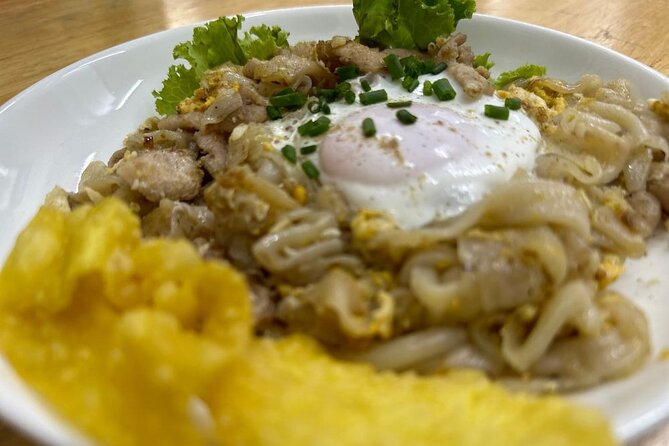
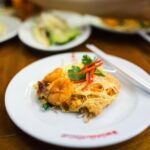
You can expect tastings that reflect Bangkok’s street-food style, with a mix influenced by Thai and Chinese culinary traditions, especially in Chinatown. Based on what’s commonly described on this tour, you may see things like:
- noodle soups (including boat-noodle-style bowls)
- Chinese dim sum
- a Thai classic like Tom Yum (often shrimp)
- green papaya salad with heat that builds
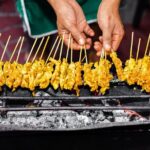
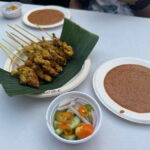
- grilled meat with a sauce and sticky-rice touches
- mango sticky rice as a dessert favorite
A key detail: you’re getting explanations for each tasting, not just a list of dishes. That means when you taste something spicy, sour, or funky-smelling (in the best way), you’re more likely to understand what creates the flavor and how locals think about it.
Also keep expectations realistic. The tour includes plenty of food, but it’s still tasting portions—so you should go with an empty stomach and a forgiving attitude. The best part is the variety, not stuffing yourself on one item.
What you learn while you eat: food + local context
Street food in Bangkok isn’t random. It’s regional, historical, and social. That’s why the guide’s job here goes beyond pointing and translating.
You’ll get short storytelling while you move between stops. In past experiences with guides such as Sophia and Chai, guests highlighted how the guide explained not only what they were eating but also the neighborhood logic—why certain foods are common there, and how Chinatown’s mix of communities shows up on the plate.
This is also where the tour becomes more than a meal. You start noticing patterns:
- how noodle shops and soup stalls act as anchors for an area
- how sauces and balances (sweet/sour/salty/heat) show up across different cuisines
- why night markets feel different from daytime eating
And if you’re traveling with people who get antsy on longer city walks, the tuk-tuk transport helps. The whole point is to keep the night moving while letting you taste.
Flower market stop: why it works right at nightfall
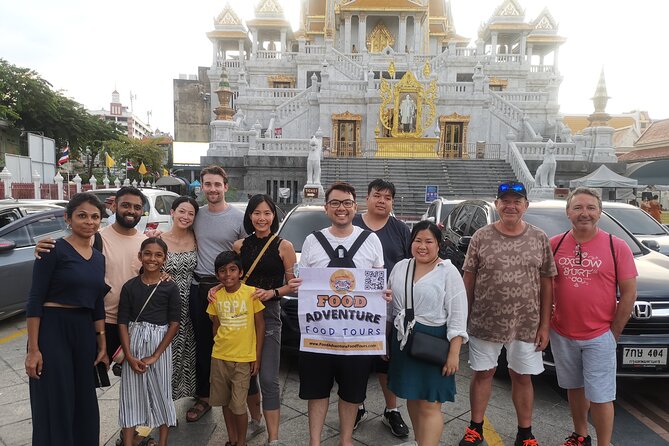
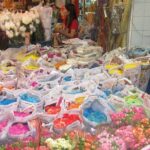
One stop that shows up again and again in the experience is a visit to a flower market. Several groups describe it as an evening walk through a wholesale-style market, where the scale and selection hit you fast.
This matters because it’s a sensory shift. You go from sizzling street-food stalls to a different kind of bustle—color, scent, and the feeling of how daily life and commerce flow through Bangkok. It’s also photo-friendly in a way food stops usually aren’t, because you can step back and look without worrying about your next bite.
If you’re short on time in Bangkok and want more than just food, this market stop is one of the best ways to add local texture without turning the night into a checklist.
You can also read our reviews of more tours and experiences in Bangkok
Rooftop bar views near the Chao Phraya (and what to expect)
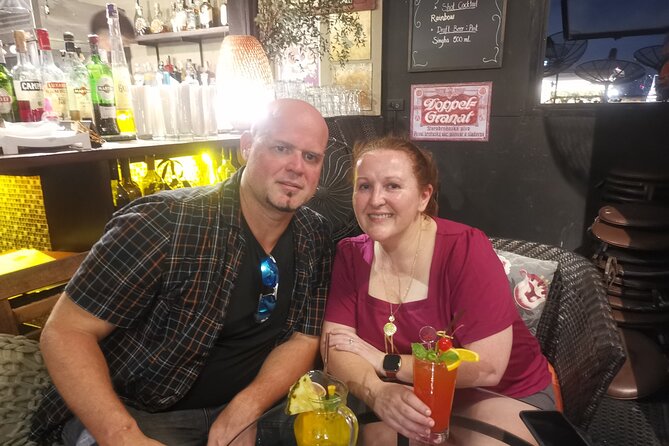
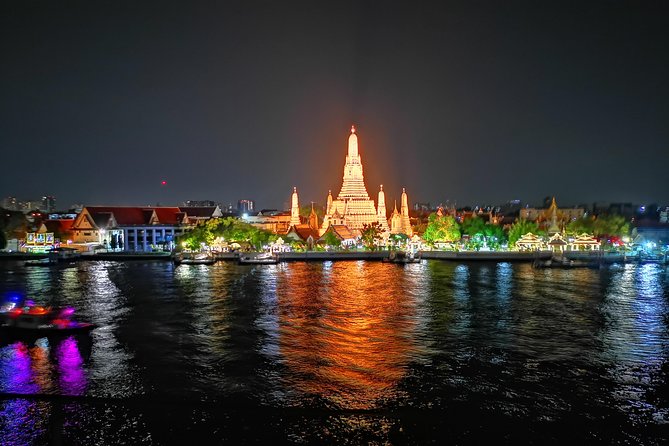
The tour ends with a rooftop bar experience overlooking the river area. You’re there for the atmosphere and the view—particularly the iconic sights around Wat Arun and the Royal Palace area, which show up in multiple descriptions.
One group specifically mentions the Eagles Nest rooftop bar and the moment of seeing Wat Arun framed through the night view. That ending is a smart piece of the itinerary design: you’ve been on the move for hours, eating and learning, and then you get a chance to sit, cool off, and take photos.
Alcohol isn’t included, but the bar stop still does what it’s supposed to do. If you want a drink, you’ll likely pay at the bar. If you don’t drink, it’s still worth it just for the skyline moment.
Price and value: is $75 reasonable for this kind of night?
At $75 per person, this is not the cheapest way to eat in Bangkok. But it’s also not trying to be.
Here’s why the price can feel fair:
- You’re paying for tuk-tuk transportation for a multi-stop route
- You’re getting a licensed professional guide who explains the food
- You’re receiving at least seven tastings plus a water bottle
- The tour includes the rooftop bar stop as part of the experience (not the alcohol)
If you compare this to piecing together Chinatown food on your own, the savings usually disappear once you factor in time and transport. Bangkok street food is easy to find, but it’s harder to do in the right order, with enough variety, and without missing the less obvious stalls that the guide can access.
That’s also why the group size matters. With small groups (often up to 8, max 12), you spend less time waiting and more time eating.
Still, this tour is best value when you actually want an evening plan. If your goal is total freedom to wander, you might feel boxed in. But if you want help choosing and want a night route that flows, this price can make sense.
What to wear and bring for a comfortable night
Bangkok at night is cooler than daytime, but it still can be humid. Plan for street-level walking around food stalls and short moves between tuk-tuks.
Bring:
- a phone for photos (rooftop views are a big payoff)
- cash or cards for anything you want to purchase outside included items (alcohol isn’t included)
- an appetite, seriously—this tour is built for multiple tastings
Wear:
- comfortable shoes you can step in and out of quickly
- something breathable for the flower market stop and night streets
One more practical tip: if you’re sensitive to spicy food, say so early. This tour often includes dishes like spicy green papaya salad, and heat can build.
Who should book this tour (and who should skip it)
This tour is a great fit for:
- couples or friends who want an easy night plan without using maps for every turn
- people who want Chinatown at night, not just the daytime highlights
- first-time visitors who want street food plus context from a guide
- anyone who appreciates the social side of eating and tasting
It may not be a great fit for:
- vegetarian, vegan, or gluten-free travelers
- people with allergies to shrimp, peanuts, pork, or dairy
- anyone who struggles with tight seating and frequent getting in/out of tuk-tuks
If that last point applies to you, it doesn’t automatically mean you shouldn’t go. It just means you should think ahead about comfort and be ready for a few tricky moments getting into the rides.
Should you book Bangkok’s Tuk-Tuk Food Tour by Night?
Book it if you want a guided, small-group night that combines street food, Chinatown energy, a flower market stop, and a rooftop view near the river. You’re paying for guidance, transport, and variety, not just food.
Skip it if your diet is restrictive or you have the listed allergies. Also skip if you’d rather control every step and don’t want a set route and set tastings.
If you match the target audience—hungry, curious, and ready for Thai street-food flavors—this is a smart way to use one evening in Bangkok well. You’ll leave with a better sense of how the city tastes at night, not just what it looks like.
FAQ
What time does the Bangkok Tuk Tuk Food Tour by Night start?
The tour starts at 5:00 pm.
How long is the tour?
The duration is about 4 hours.
Where do I meet the tour, and where does it end?
You start at Bangkok Train Station on Rong Mueang Rd. The tour ends at Wat Mangkon, near MRT Wat Mangkon Station.
How many food tastings are included?
The tour includes a minimum of seven tastings.
What’s included in the price?
It includes food and a water bottle, tuk-tuk transportation, all fees and taxes, and a professional licensed tour guide.
Are alcoholic beverages included?
No. Alcoholic beverages are not included.
How big is the group?
It’s a small-group experience with up to 8 people, and the maximum is 12 travelers.
What is the cancellation policy?
You can cancel for a full refund if you cancel at least 24 hours before the experience starts. If you cancel less than 24 hours before, the amount paid is not refunded.