REVIEW · FLOATING & RAILWAY MARKET DAY TRIPS
Bangkok: Railway & Damnoen Saduak Floating Market with Transfer
Book on Viator →Operated by Discova Thailand · Bookable on Viator
A train passes right through the market. What makes this day trip special is the nonstop “real life” action: Mae Klong Railway Market followed by a boat ride at Damnoen Saduak, plus a traditional old market and a sugar palm farm stop. I also like that you start early with a Bangkok hotel pickup and an English-speaking guide who helps you move at the right times. One drawback to consider: the floating market area is crowded and shopping can feel intense, so you’ll want a plan for how long you’ll browse.
This is a well-run markets-and-transport loop out of Bangkok, usually running about 6 to 7 hours total including drop-off. The price is low enough that it feels doable even if you’re only visiting for a single day outside the city, and the tour keeps the focus on sights rather than long sightseeing detours. The group size caps at 15, which helps the day feel organized instead of chaotic.
In This Review
- Key Highlights You’ll Actually Care About
- Why This Train-to-Floating-Markets Day Trip Works
- 7:00 AM Pickup and the 6–7 Hour Rhythm Out of Bangkok
- The Mae Klong Railway Market Moment: Talad Rom Hoop in Real Time
- Damnoen Saduak Floating Market: Fresh Produce, Boats, and the Included Ride
- Lao Tuk Luck Old Damnoen Saduak Market: Wooden Houses and Classic Snacks
- The Sugar Palm Farm Stop: A Quick Taste of Where Sweet Comes From
- Guide and Driver: Why Small Touches Matter on Market Days
- Price and Value: What $47 Gets You (and Why It’s Not Just a Tour Price)
- Practical Tips for Enjoying Crowds, Trains, and Canals
- Who This Tour Fits Best (and Who Might Prefer a Different Plan)
- Should You Book This Bangkok Railway and Floating Market Tour?
- FAQ
- How long does this tour take?
- What time does pickup happen?
- How many stops are included?
- Is hotel pickup and drop-off included?
- Is the boat ride included?
- What language is the guide?
- What’s included in the price besides transport?
- Is entry included for the markets?
- How big is the group?
Key Highlights You’ll Actually Care About
- A 7:00 am start to reduce the worst crowd pressure at the markets
- Mae Klong live train action right in the middle of the market stalls
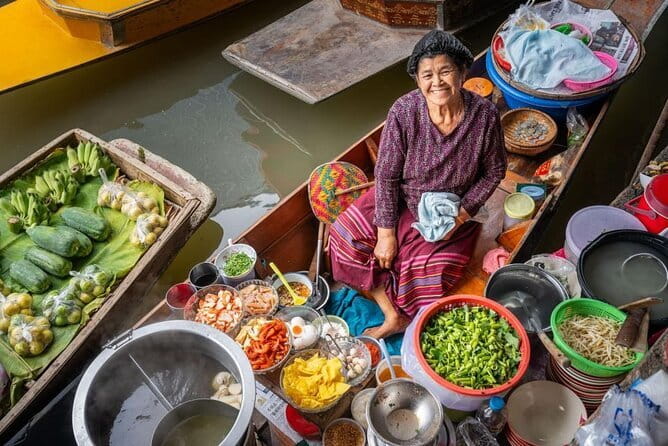
- Damnoen Saduak by boat with time to see vendors along the waterways
- Lao Tuk Luck’s older, wooden-house style of buying and eating
- Sugar palm farm demo to connect what you eat with how it’s made
Why This Train-to-Floating-Markets Day Trip Works
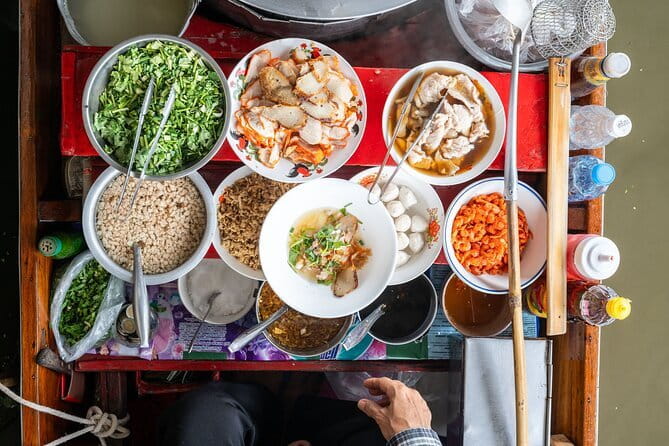
This tour is built around a simple idea: Thailand’s food markets make much more sense when you see them with the transportation they grew up with. First comes the railway, where a train forces the market to react fast. Then you shift to waterways, where boats, not carts, carry produce and snacks.
I like that the day doesn’t just show you markets from one angle. You get land-level market life, then boat-level market life, then a more old-style market setting. It’s a practical way to understand how people traveled, traded, and ate before roads took over.
You can also read our reviews of more shopping tours in Bangkok
7:00 AM Pickup and the 6–7 Hour Rhythm Out of Bangkok
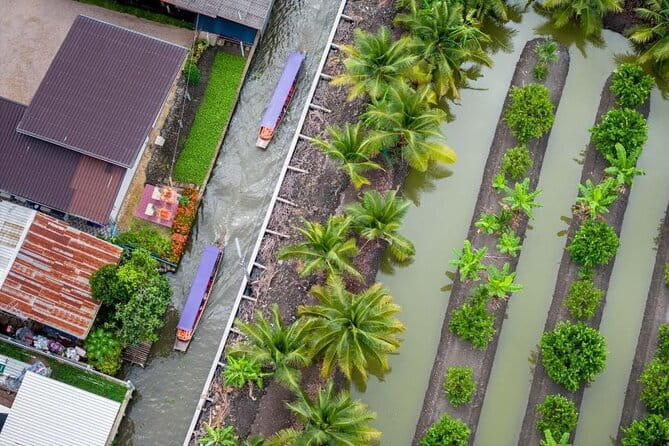
Your day begins with hotel pickup in Bangkok at 7:00 am. From there, you drive about 1.5 hours to the Samut Songkhram railway area, so you’re already out of the city before the day heats up and traffic thickens.
Expect about 6 to 7 hours total including drop-off. If your hotel is one of the first stops, you might be back around 1:00 pm. If you’re toward the end of the route, plan for roughly 1:30 pm to 2:00 pm, which still gives you time for lunch and an afternoon stroll.
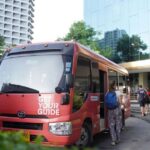
The ride is in an air-conditioned van, and it’s a small group capped at 15. That matters because you’ll spend most of the day moving between stops, and small groups are easier to manage when the crowds spike.
The Mae Klong Railway Market Moment: Talad Rom Hoop in Real Time
Mae Klong Railway Market is famous for one reason: part of the market sits along active tracks. The local name is Talad Rom Hoop, which roughly translates to closing an umbrella or awning, and you can see why when the train approaches.
You’ll have about 1 hour here. That time limit is useful, because the action is time-based and you don’t want to waste your best minutes wandering in the wrong section. A good guide helps you position yourself so you’re not stuck at the back when the train comes through.
Here’s the practical part: treat this stop like a live event. Keep your eyes forward, watch for the train timing, and stay aware of stall shifts near the tracks. Wear comfortable shoes, because you’ll likely stand and adjust your spot quickly as the market reacts.
Also, plan to enjoy it for what it is: a working market that happens to be on a railway line. If you go in expecting a “museum” vibe, you might miss the point. This is market reality—vendors, movement, and that fast, practiced response.
Damnoen Saduak Floating Market: Fresh Produce, Boats, and the Included Ride

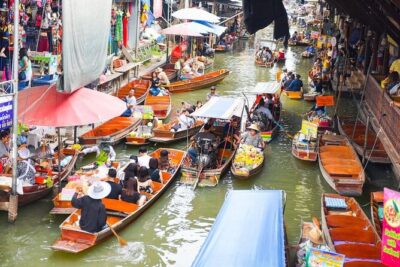
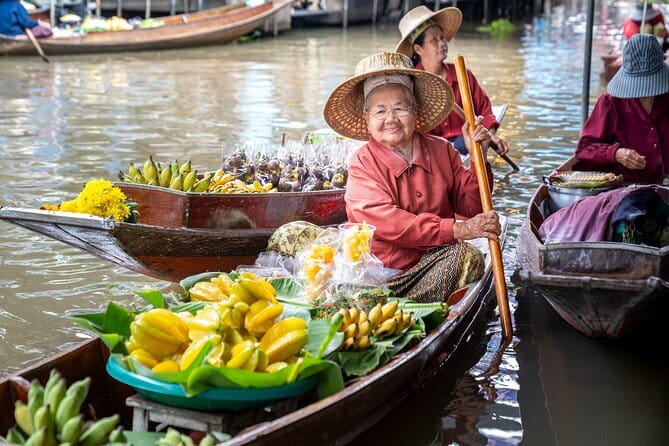
After the railway stop, you head to Damnoen Saduak Floating Market, about 30 minutes by drive. You’ll spend around 1 hour there, and the tour includes a boat ride so you can experience the market from the water instead of just the dock.
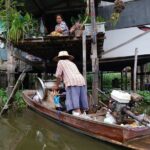
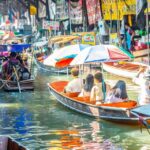
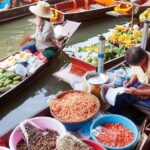
This is where the visual payoff is strong. The waterways are lined with fresh fruits and flowers, and you’ll see colorful clothing and plenty of souvenir-style items too. Vendors sell from their boats, and you’ll watch the flow of people buying and moving through the canals.
The floating market can be crowded, and that can turn into a buying test if you don’t stay focused. I recommend you decide ahead of time what you want: a few snacks to sample, some photos, and maybe one or two small souvenirs. If you try to browse everything, the pace can start to feel like a sales line.
One more value point: snacks and drinking water are included on the tour. That’s helpful because you’re out for most of the morning and the market feels hot and busy at peak hours. You’ll appreciate having that support instead of hunting for drinks on your own.
Lao Tuk Luck Old Damnoen Saduak Market: Wooden Houses and Classic Snacks
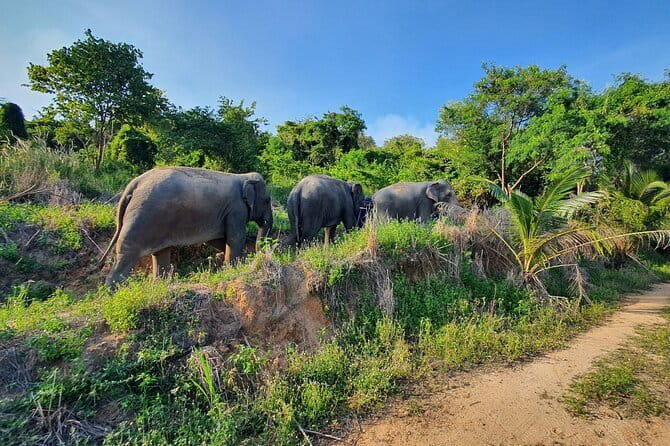
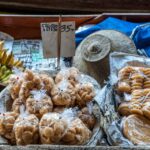
Next comes Lao Tuk Luck, described as an old Damnoen Saduak market with around 100 years of history. Here, you’ll see the older-style wooden houses and a more traditional way of selling and buying food, snacks, and more.
You’ll get about 1 hour at this stop, and the entry here is included. Compared with the main floating market, the setting feels more grounded in how people have long traded and eaten. If you like “how it used to be” without the heavy theme-park feel, this is the part that often satisfies.
Even if you’re not hunting for every snack option, use this time to slow down. Sit, watch, and notice how the stalls are arranged and how people interact with sellers. Markets aren’t just product displays; they’re social systems.
If you want photos, this stop also gives you better odds of getting shots that feel less repetitive than the main floating areas. The wooden-house setting adds texture, and the traditional food focus keeps things interesting even if the crowd is still present.
You can also read our reviews of more tours and experiences in Bangkok

The Sugar Palm Farm Stop: A Quick Taste of Where Sweet Comes From
On the way back to Bangkok, you stop at a local sugar palm farm for about 30 minutes. The highlight is a demonstration of how locals produce their sugar product.
This is a short stop, but it adds a satisfying “connection” moment. You’ve spent the morning seeing snacks and sweets made and sold in market settings. Here, you can see the production side at a basic level, which makes the day feel less like only photos and shopping.
You may not leave this stop with a deep chemistry lesson, but you’ll gain context for why Thai markets are so snack-centered. Sugar products show up all over the place here, so even a quick demo gives meaning to what you’ll see later.
Guide and Driver: Why Small Touches Matter on Market Days
The tour runs with an English-speaking guide and a driver, and this is one of the reasons the day feels smoother than doing it on your own. Market mornings have timing, positioning, and crowd management built in, and a guide makes a difference fast.
In the best versions of this tour, the guide takes control of the schedule and gives you clear expectations before each major stop. You’ll likely hear history on the drive as you’re heading out of Bangkok, and that makes the railway and floating markets feel less random.
Some guides are also known for helping visitors avoid getting trapped in the densest pockets. If you’ve ever done a popular market where you can’t move, you know why this matters. Here, you want quick decisions and smart positioning, and that’s exactly what good guidance supports.
You may also receive small included comforts like snacks, water, and simple extras during the day. Those are minor on paper, but on a long morning they change your energy level.
Price and Value: What $47 Gets You (and Why It’s Not Just a Tour Price)
At about $47 per person, this day trip is priced like a budget-friendly way to see two of Thailand’s most famous market styles. What makes it good value is not just the sights—it’s what’s included so you don’t keep paying as the day goes.
Included items you’ll feel right away:
- Hotel pickup and drop-off
- Air-conditioned van transport
- English-speaking guide
- Boat to Damnoen Saduak
- Snacks and drinking water
- Travel insurance
- Entry for the railway market and Lao Tuk Luck, based on the stop details
Some stops list admissions as free, and that also helps the math. In plain terms: you’re paying for organization, transport, and the boat ride, not just for a ticket to walk around.
One consideration: you should treat this as a half-day style outing even though it can run closer to 7 hours with drop-off. If you’re hoping for a relaxed pace with lots of extra free time, this may feel structured. If you want maximum “market variety” without planning transfers yourself, the price makes more sense.
Practical Tips for Enjoying Crowds, Trains, and Canals
Market days reward preparation. I suggest you keep these simple habits in mind:
First, embrace the early start. The 7:00 am pickup is there for a reason: you’ll beat part of the crowd pressure and get better positioning for the railway and floating sections.
Second, keep your shopping expectations realistic. Damnoen Saduak is famous, which means demand is high and sellers are active. Decide what you’ll buy before you’re overwhelmed by choices, and give yourself a time budget so you don’t lose your whole hour.
Third, move when your guide tells you to move. This isn’t a “wander and see” day; it’s a “timed experience” day. If you get separated or slow down at the wrong moment, you can miss the best windows.
And finally, dress for comfort and heat. The tour includes travel support like water and snacks, but you’ll still be outside around active markets and along waterways. Lightweight clothes and comfortable footwear will keep the day from feeling like a punishment.
Who This Tour Fits Best (and Who Might Prefer a Different Plan)
This is ideal if you want a single day outside Bangkok that covers multiple market styles without complicated planning. It’s also a good fit if you like live moments—like watching the train interact with the stalls—plus the softer, food-focused experience of older-style market life.
You’ll likely enjoy it if you like:
- Seeing how trade changes between rail and waterways
- Taking photos where the setting actually moves
- Sampling snacks and thinking about what you’re tasting
It may not suit you as well if you strongly dislike crowds or you need lots of quiet time. Floating markets can be energetic, and you’ll be around many people searching, buying, and taking pictures at the same time.
Should You Book This Bangkok Railway and Floating Market Tour?
I’d book it if your goal is one well-organized morning that gives you genuine contrast: railway market action, a boat-based floating market, an older wooden-house market, and a sugar palm farm demo. The included boat ride and transfers are the big value drivers, and the small group cap keeps the day from getting too unwieldy.
Skip it if you want a slow, independent tour with lots of free time to linger wherever you please. This route is structured, and the markets are famous for a reason—there will be people.
If you’re deciding between planning on your own versus taking a guided transfer, I’d lean guided for this one. Market timing and crowd navigation are exactly where a good guide earns their keep.
FAQ
How long does this tour take?
The total duration is approximately 6 to 7 hours, including the hotel drop-off.
What time does pickup happen?
Pickup starts at 7:00 am.
How many stops are included?
You visit Mae Klong Railway Market, Damnoen Saduak Floating Market, Lao Tuk Luck, and a sugar palm farm, with driving time and hotel pickup/drop-off included.
Is hotel pickup and drop-off included?
Yes, hotel pickup and drop-off in Bangkok are included.
Is the boat ride included?
Yes, the tour includes a boat to Damnoen Saduak.
What language is the guide?
The guide is English speaking.
What’s included in the price besides transport?
Included items are transportation by air-conditioned van, an English speaking tour guide, boat to Damnoen Saduak, snacks and drinking water, and travel insurance.
Is entry included for the markets?
The railway market ticket is included, and Lao Tuk Luck admission is included. Other stops list admission as free.
How big is the group?
The tour has a maximum of 15 travelers.