REVIEW · BIKE & CYCLING TOURS
Bangkok City Bike Tour – Hotel-pickup & Lunch
Book on Viator →Operated by Asiatic Adventures · Bookable on Viator
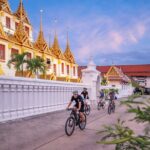
Bangkok on two wheels feels like a shortcut to the real city. This small-group bike tour (max 10 people) mixes classic landmarks with everyday neighborhoods, then adds a local ferry crossing over the Chaya Praya River. I like that it’s paced for comfort—about 15 km on flat terrain—and that it includes bike, helmet, food tastings, and light refreshments. I also like the focus on areas most sightseeing routes skip. One thing to plan for: there’s no return transfer to your hotel after the tour, so you’ll need your own ride back.
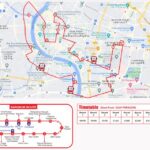
You start in Talad Noi, one of Bangkok’s older riverside districts, then move into Chinatown energy and finish with a stop at the Flower Market. You’ll see temple life up close, not from behind a crowd barrier, and you’ll get a guide who can steer the route around the city’s day-to-day chaos. The ride itself is short and practical, which matters in Bangkok when heat and traffic can turn a sightseeing day into a slog.
In This Review
- Key highlights to know before you go
- Hotel pickup, a mountain bike, and a route built for Bangkok
- Talad Noi Wall Art: starting in an older riverside Bangkok
- Wat Prayurawongsawat Worawihan: calm temple time and turtle feeding
- Chinatown by local ferry: the 16th-century energy switch
- Pak Khlong Flower Talat: the sensory finish you can smell
- Food tastings and light refreshments: what the breaks are really for
- Small group and guide power: why Kan is a real asset
- Bike comfort, flat terrain, and what to wear
- Price and value: $81.12 for pickup, bike, ferry, and tastings
- Return to your hotel: plan your ride back
- Should you book this Bangkok bike tour?
- FAQ
- How long is the Bangkok City Bike Tour?
- What’s the cycling distance and is it difficult?
- Is hotel pickup included?
- Are the bike and helmet included?
- Does the tour include food?
- Is there a ferry ride?
- What are the main stops?
- What’s the minimum age?
- Do I get a ride back to my hotel after the tour?
- What’s the cancellation policy?
Key highlights to know before you go
- Hotel pickup + helmet and mountain bike mean you’re set up fast and ride safely
- Small group of up to 10 keeps the tour personal and questions easy
- Local ferry crossing changes the view and the pace without a long detour
- Talad Noi + Chinatown gives you neighborhoods, not just landmarks
- Temple visit at Wat Prayurawongsawat Worawihan includes time inside a White Chedi and turtle feeding
- Pak Khlong Flower Talat adds a sensory finish with flowers, smells, and color
Hotel pickup, a mountain bike, and a route built for Bangkok
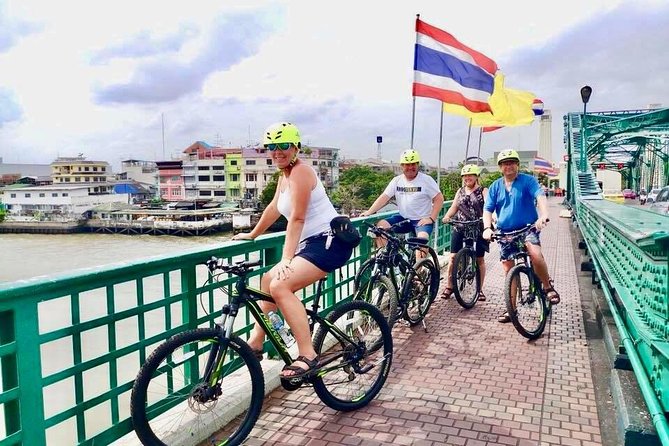
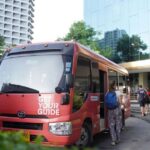
This Bangkok City Bike Tour is designed for people who want structure without feeling trapped in a rigid itinerary. The big practical win is hotel pickup. You’re not hunting for a meeting point, and you’re not juggling street navigation before you even start riding. Add in the provided mountain bike and helmet, and you can focus on the city instead of logistics.
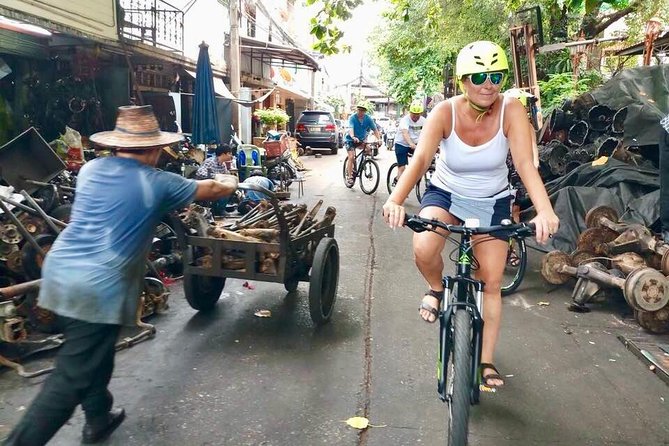
The ride is about 3 hours total, and the cycling distance is roughly 9 miles (15 km) on flat terrain. That matters. In Bangkok, you can go from sticky sidewalk heat to heavy traffic in minutes, so a flat, straightforward route helps keep the day pleasant rather than exhausting. Also, the pace is built around short stops rather than long stretches of riding.
Group size is capped at 10 people per booking. That sounds small, but it really changes how the experience feels. You get more time to hear what the guide is explaining, and you’re less likely to lose the group at busy intersections. If you’re the type who likes asking questions—about food, daily life, or what you’re seeing—this setup makes it easier.
You can also read our reviews of more cycling tours in Bangkok
Talad Noi Wall Art: starting in an older riverside Bangkok
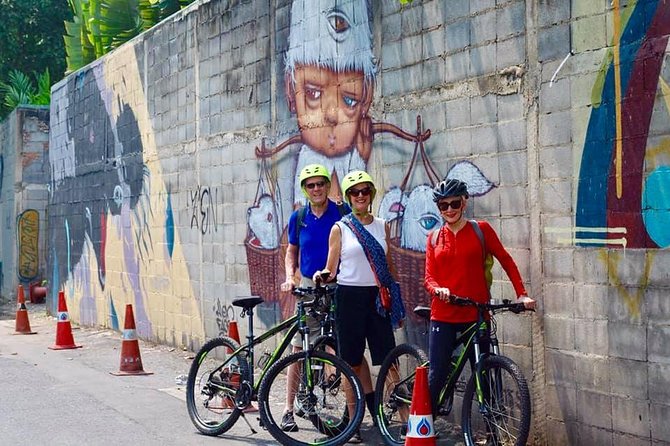
Most first-time Bangkok days start with the big sights. This one begins in Talad Noi, a district known for its older riverside community feel. The first stop is at Talad Noi Wall Art, where you get a quick orientation to the neighborhood vibe.
Why this start works: it gets you out of the classic tourist loop before your legs warm up. You can immediately tell you’re riding through areas where locals actually live and work. Wall art here isn’t just decoration; it’s part of how neighborhoods mark identity and history in a city that constantly rebuilds itself.
Expect a short stop—about 30 minutes here—so it’s not a long museum moment. It’s more like a visual warm-up: you get your bearings, you learn what to look for, and you’re ready for the temple stop next.
Potential drawback: if you’re only interested in temples and major monuments, a wall-art start might feel like a slow beginning. But it’s a smart tradeoff. It sets the tone that this tour is about neighborhoods first.
Wat Prayurawongsawat Worawihan: calm temple time and turtle feeding
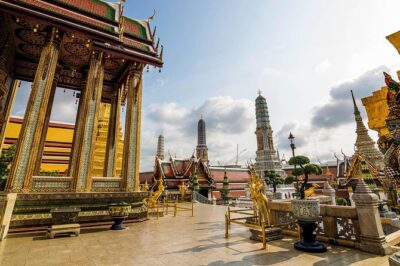
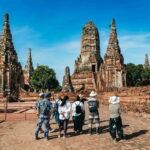
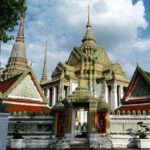
Next comes Wat Prayurawongsawat Worawihan, often connected in tour materials with Wat Prayoon. This stop is all about a more peaceful temple experience, away from the densest tourist crush. You’ll spend about 15 minutes here, and the key moments include walking inside the White Chedi and feeding the turtles.
That turtle part is more than a cute detail. It changes the atmosphere. You’re watching everyday temple routine—people interacting with the site in a way that feels familiar to the locals. And because the compound is described as lush, it also gives your eyes a break from street signage and traffic.
The admission here is included, so you don’t have to manage a ticket or scramble for the right fee. The time is short, so be ready to look closely. In 15 minutes, you won’t master the entire temple—but you will see the highlights that make this stop worth it.
Small caution: since this is a temple visit, dress and behavior matter. You’ll want to keep shoulders and knees appropriately covered and avoid anything that draws attention at a sacred site.
Chinatown by local ferry: the 16th-century energy switch
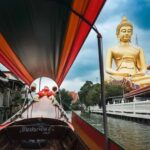
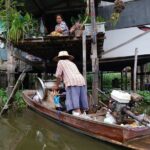
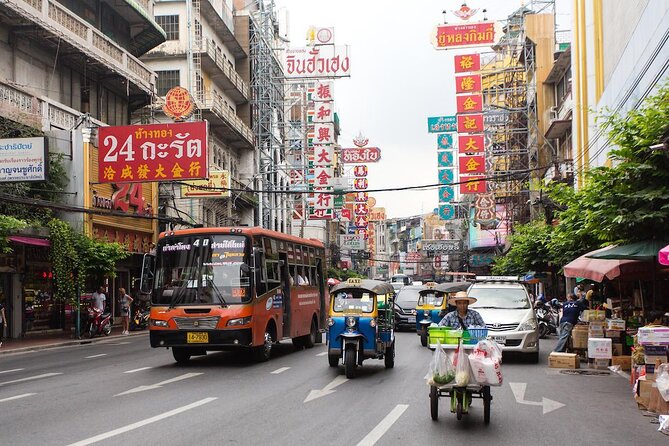
One of the most enjoyable parts of this tour is how it moves you into Chinatown. You board a local ferry to cross over to the Chinatown area, which is where you really notice the shift in sights, smells, and street rhythm.
Chinatown is described as dating back to early Chinese settlers in the 16th century. That’s not just a date on a sign—it helps you understand why the neighborhood feels layered. You’re not just seeing shops; you’re seeing a long-running community shape.
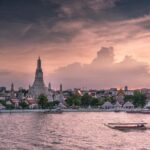
The ferry ride also does something practical for your day. It breaks up the cycling with a change of scenery and a bit of wind off the water. You get a sense of the river as part of the city’s daily movement, not just as a backdrop for photos.
Stop time here is about 15 minutes. It’s enough to feel the crossing and arrive with your energy still intact—then you’re back to riding through the streets.
Pak Khlong Flower Talat: the sensory finish you can smell
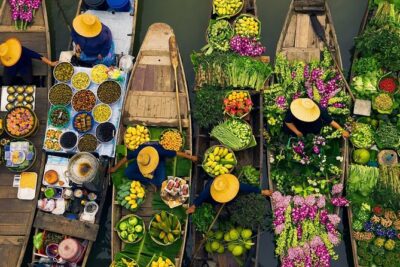
You finish the main sightseeing with a stop at Pak Khlong Flower Talat Original, the Flower Market. This is one of the biggest flower markets, and the whole idea is to take in the place with your senses, not just your camera.
You’re there for about 20 minutes. That’s short enough to avoid market fatigue, but long enough to notice how flowers are handled and displayed. It’s also the kind of stop where your brain starts ranking smells and colors without trying. The sheer variety can make you forget you’re on a schedule.
This last stop is particularly good if you’ve been focusing on temples and neighborhoods. The market brings everything back to the everyday: commerce, preparation, and the visual culture of flowers used across Bangkok.
One consideration: if you dislike crowds or strong smells, you might want to take a few slow moments at the edges of the action. Markets can be intense, even on a guided timeline.
You can also read our reviews of more city tours in Bangkok
Food tastings and light refreshments: what the breaks are really for
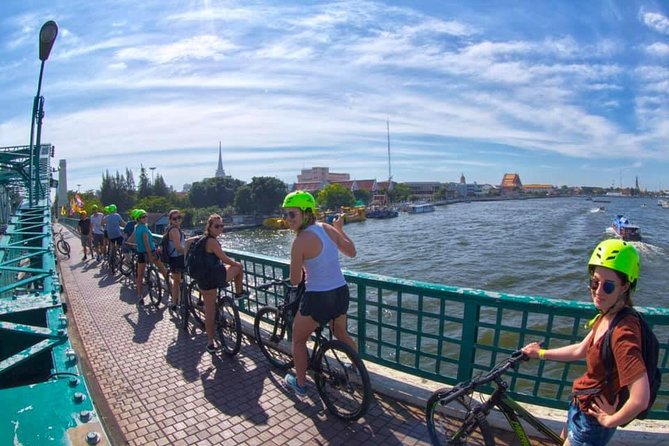
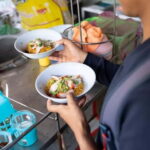
This tour includes food tastings and light refreshments. In a city like Bangkok, those breaks do more than fill your stomach. They reset your attention so you can keep enjoying the neighborhoods.
The tastings also help connect what you’re seeing to how people actually eat and shop. And based on guide and tour feedback, one highlight people remember is the tea stop—basically a small moment that feels like a local pause in the middle of busy streets.
You shouldn’t expect a long, formal meal unless your booking specifically says otherwise. What you can expect is guided sampling. That usually works well for people who want variety without feeling heavy after.
Small group and guide power: why Kan is a real asset
A tour is only as good as the guide’s ability to make the route feel logical. This one leans hard on the guide experience, and the name Kan comes up in feedback with real consistency—people describe him as funny, skilled, and quick to improve the ride through conversation and flexibility.
There’s also evidence that the tour can adapt. When flooding affected parts of the area, the route reportedly changed. That’s not a small detail in Bangkok. Weather and water can alter streets fast, and you don’t want a guide who can only follow a rigid plan.
In practice, what you should hope for is simple: you want someone who can read the city and keep you safe, while also pointing out what matters. When the guide does that well, the whole afternoon feels smoother, even if the city throws curveballs.
Bike comfort, flat terrain, and what to wear
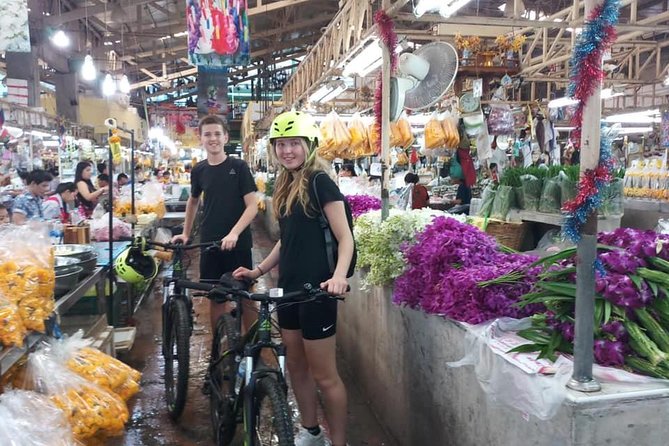
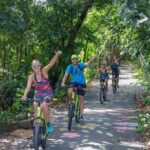
The tour’s cycling distance is about 15 km on flat terrain, which is a big reason it fits a wide range of skill levels. You won’t need to be a road cyclist. Still, “flat” doesn’t mean effortless—Bangkok heat and humidity are their own kind of workout.
Wear light, breathable clothing. Bring a small towel if you tend to sweat. Sunglasses help, too, because you’ll be exposed during short riding stretches. If you’re sensitive to sun, consider a hat.
Also, consider your shoes. Closed-toe sneakers are a smart choice. Flower markets and temple compounds can involve uneven ground, and you’ll want comfort more than style.
Helmet is provided, and that’s a big plus. Even if you’re an experienced rider, you’ll still appreciate safety in a city with unpredictable driving habits.
Price and value: $81.12 for pickup, bike, ferry, and tastings
At $81.12 per person, this tour isn’t the cheapest way to see Bangkok, but it’s also not overpriced for what’s included. You’re getting:
- Hotel pickup (time-saver and convenience booster)
- Mountain bike + helmet (no rental hassle)
- A guided route through multiple neighborhoods
- Food tastings + light refreshments
- Temple stop with included admission
- Local ferry crossing
The value equation is simple: if you’d otherwise pay for transport, bicycle rental, and guided help, the total usually climbs quickly. Here, the cost is concentrated into one organized package. And because the group is small (max 10), you’re also paying for a better human experience, not just transportation.
The main value caution is the schedule. It’s about 3 hours. You’ll feel like you saw a lot, but you won’t see the entire city. This is best viewed as an excellent slice—one that targets the neighborhoods you’d struggle to reach on your own safely and comfortably.
Return to your hotel: plan your ride back
One practical detail that matters: return transfer isn’t included. The tour ends after the Flower Market stop, so you’ll need to sort your own way back to your hotel.
This isn’t a dealbreaker, but it changes how you should think about the day. If your hotel is far from public transit or you don’t like street-hailing rides, factor in a little extra buffer time. If your lodging is near where you can easily catch transport, this becomes a non-issue.
Should you book this Bangkok bike tour?
Book it if you want Bangkok that feels lived-in, not just photographed. This tour is a strong choice for people who like neighborhoods, enjoy markets, and want a guide to point out what you’d otherwise miss. The combination of Talad Noi + Chinatown + Wat Prayurawongsawat Worawihan + Pak Khlong Flower Talat is a very workable half-day mix.
Skip it (or think twice) if you absolutely need a longer ride, a full lunch, or you strongly dislike ferry crossings and market smells. Also, if you hate planning transportation back to your hotel, the lack of return transfer might annoy you.
If your goal is a fun, organized way to see real streets, get a taste of temple life, and end with flowers you can actually smell, this one is a solid yes. The small group size and guide quality help a lot—especially when the city needs some flexibility.
FAQ
How long is the Bangkok City Bike Tour?
The tour lasts about 3 hours.
What’s the cycling distance and is it difficult?
It’s approximately 9 miles (15 km) and described as flat terrain.
Is hotel pickup included?
Yes, pickup at Bangkok hotels is included.
Are the bike and helmet included?
Yes. The tour includes use of a mountain bike and a helmet.
Does the tour include food?
Yes. You’ll get food tasting plus light refreshments.
Is there a ferry ride?
Yes. You’ll cross the Chaya Praya River on a local ferry.
What are the main stops?
The tour includes Talad Noi Wall Art, Wat Prayurawongsawat Worawihan, Chinatown (cycling through after the ferry), and Pak Khlong Flower Talat Original.
What’s the minimum age?
The minimum age for the tour is 12 years.
Do I get a ride back to my hotel after the tour?
No. Return transfer to your hotel is not included.
What’s the cancellation policy?
You can cancel for free up to 24 hours before the experience start time for a full refund.