REVIEW · 3-DAY EXPERIENCES
Bangkok and Ayutthaya 3 Days
Book on Viator →Operated by Bravo Indochina Tours · Bookable on Viator
Bangkok can feel like a blur, so this plan matters. I like that you get private, English-led touring with an air-conditioned vehicle, which means less time figuring things out and more time actually seeing. The route hits the city’s top temples first, then switches gears to markets and the ancient ruins of Ayutthaya.
I especially like the focus on real-world Bangkok stops: the Maeklong Railway Market where a train shares the space with shoppers, and the long-tail boat experience at Damnoen Saduak. You also get a central hotel for two nights, so you’re not bouncing neighborhoods all trip.
One consideration: this is an early-start, packed 3-day schedule with several outdoor-and-river moments, so the weather matters. If you need a language other than English, confirm it in advance—English is the default, and some language options may cost extra.
In This Review
- Key Things I’d Zoom In On
- How the 3 Days Feel in Real Life
- Entering Bangkok’s Temple Zone: Grand Palace and Wat Phra Kaew
- Wat Arun at the River: West Bank Views Plus Photo-Worthy Details
- Pak Khlong Flower Talat: A Market Stop That Smells Like Bangkok
- Maeklong Railway Market: When a Train Cuts Through a Marketplace
- Damnoen Saduak Floating Market: Long-Tail Boat Time You’ll Remember
- Heading to Ayutthaya: Bang Pa-in to Wat Chaiwatthanaram
- Wat Phra Sri Sanphet and Wat Phra Mongkhon Bophit: Royal-Temple Icons
- Wat Mahathat: The Buddha Head in the Tree Roots
- A Tour That Thinks About Comfort: Air-Conditioned Rides and Included Entrance Fees
- Private Tour Energy: Your Group, Your Pace, Your Guide
- Price and Value: What $389 Buys You (and What It Doesn’t)
- Who This Bangkok and Ayutthaya Tour Fits Best
- Should You Book This Bangkok and Ayutthaya 3-Day Tour?
- FAQ
- What’s included in the tour price?
- Do you get picked up from your hotel?
- Is this tour private?
- What sights are covered over the three days?
- Are entrance fees included?
- What meals are covered and what about dinner?
- Is the guide always English?
- What’s the cancellation policy if plans change?
- What happens if the weather is poor?
Key Things I’d Zoom In On
- Private guided touring: Your group sets the rhythm, not a big bus schedule.
- Central Bangkok hotel included: Two nights in the city center keeps logistics simple.
- Iconic temples in a smart order: Grand Palace, Wat Phra Kaew, Wat Arun, then Ayutthaya’s key sites.
- Markets with a wow-factor: Maeklong’s train-and-market moment, plus Damnoen Saduak by boat.
- Air-conditioned travel: Comfort between stops helps a lot in Thailand heat.
How the 3 Days Feel in Real Life
This tour is designed for people who want the highlights without the daily planning headache. You start at 7:30 am, and you’ll be on the move through three full days. The payoff is that you cover the big “must-sees” in Bangkok and Ayutthaya while staying cared for with a guide, entrance fees, and a central hotel base.
The price is $389 per person, and it’s often booked well ahead (on average about 178 days). That advance booking pattern usually means this itinerary has a steady demand—mostly because it’s hard to recreate as a smooth private route on your own, especially if you want an English guide and all entrance fees handled.
You’re getting a classic value combo here: a 2-night stay in central Bangkok (3–4 stars), an air-conditioned vehicle, entrance fees included, and a guide to translate meaning, history, and etiquette. Dinner isn’t included, but lunch is, and breakfast is provided for two mornings.
For me, the best part of this setup is that it removes the friction. You can focus on what you came for: temple details you’d miss on your own, market chaos that you can actually enjoy instead of stress over, and Ayutthaya’s signature ruins with context.
You can also read our reviews of more tours and experiences in Bangkok
Entering Bangkok’s Temple Zone: Grand Palace and Wat Phra Kaew
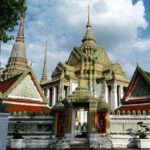
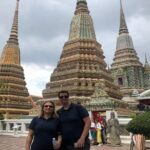
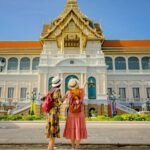
Your first major stops are the Grand Palace and Wat Phra Kaew (Temple of the Emerald Buddha). These aren’t just famous names on a list. They’re built to overwhelm you in the best way—dense gold detail, ceremonial spaces, and a strong sense of royal-era authority.
The Grand Palace is described as built in 1782, and the scale plus design choices make it feel like a whole world. You’ll spend about an hour here with admission included, which is just enough time to see the main sights without racing.
Right after that, you move into Wat Phra Kaew for about an hour. This is one of Thailand’s most important Buddhist temple complexes, and the guide angle matters. A good guide helps you interpret what you’re looking at: why spaces are arranged the way they are, what certain areas mean, and how to behave respectfully so you don’t accidentally slow the visit down for your group.
Practical note: temples like these can mean strict clothing and behavior rules. You’ll have an easier time if you show up ready—shoulders covered, modest bottoms, and mindful movement.
Wat Arun at the River: West Bank Views Plus Photo-Worthy Details
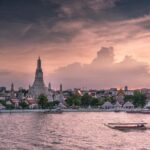
Then comes Wat Arun (Temple of the Dawn) on the Thonburi side across the Chao Phraya River. It’s about an hour, admission included, and it tends to hit a different mood than the Grand Palace area.
Wat Arun is known as one of Bangkok’s most stunning temples, and the location on the river is part of the impact. This is the stop where the day can feel more open—less “walls of color,” more “look across the water and see the temple shape against the skyline.”
If you’re the type who likes architecture as much as temples, this is a nice balance. You get a clear “before” and “after” shift from royal Bangkok into riverside Bangkok.
Pak Khlong Flower Talat: A Market Stop That Smells Like Bangkok
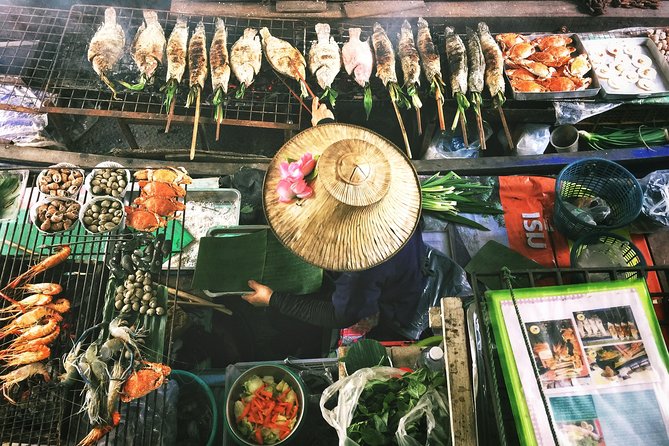
After the temple intensity, the tour includes a stop at Pak Khlong Flower Talat Original, the big wholesale-and-retail fresh flower market. This part is free and about 1 hour.
Even if you’re not buying anything, this market gives you an instant sensory shortcut to the city: flower bundles, traders, and the practical side of how Bangkok keeps its religious life supplied. The guide framing helps, too—when you know what flowers are used for and why, it changes the way you look at the display.
This is also a good stretch stop. If you’ve been standing and moving through temples all morning, the flower market is still busy, but it’s visually different and often more “wander-friendly” than the palace area.
Maeklong Railway Market: When a Train Cuts Through a Marketplace
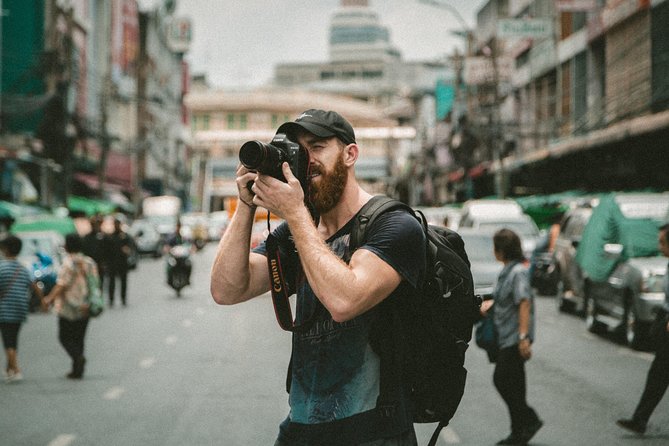
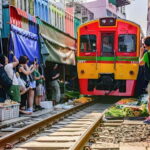
Day two begins with Mae Klong Railway Market (Hoop Rom Market), also known as Hoop Rom Market and tied to the idea of a train passing through the market space. The tour calls it the unique moment where a train goes straight through the public market.
You’ll spend about 1 hour here with admission free. The experience isn’t only about watching the train. It’s about the rhythm of people and preparation: vendors and shoppers react fast, and you see how local routines work around infrastructure instead of being disrupted by it.
What I like about including this on an organized private tour is timing and comfort. You don’t have to hunt for the best viewing spot or worry about missing the moment. You can just follow your guide’s cues and enjoy the spectacle without getting swept into the chaos.
Also, this is a great stop for families or first-time visitors—everyone gets a clear wow-factor quickly.
Damnoen Saduak Floating Market: Long-Tail Boat Time You’ll Remember
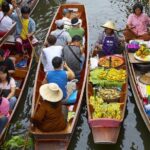
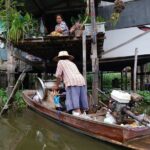
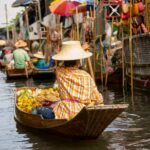
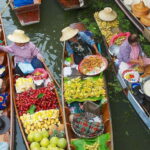
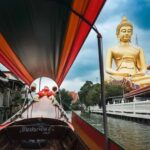
Next up: Damnoen Saduak Floating Market. This is one of those tours that works because of the pacing. You get to experience the market atmosphere, then do the long-tail boat ride for about 1 hour through the floating market area.
Admission is listed as free, and the focus here is on the boat time and the market sights you see from the water. Expect colorful stalls, fresh produce, and lots of activity. This is Thailand at a slower, water-based tempo compared with Bangkok’s street energy.
One thing to plan for: heat and sun. Boat rides can mean stronger glare and less shade. If you bring a light hat or sunscreen, you’ll feel better during the ride and during any time you spend waiting.
Heading to Ayutthaya: Bang Pa-in to Wat Chaiwatthanaram
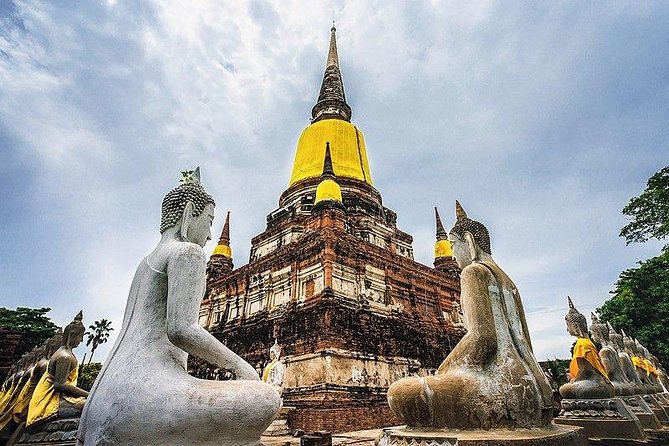
On day three, you drive out to Ayutthaya. Before the ruins, you start with Bang Pa-in, the summer palace of the Thai royal family. The palace was built during the reign of King Rama IV, and the tour highlights the blend of architectural influences.
This is a nice buffer stop. You’re not going straight from city noise into ancient rubble. Bang Pa-in helps you reset your brain and set a more thoughtful pace before you hit the big temple complex day.
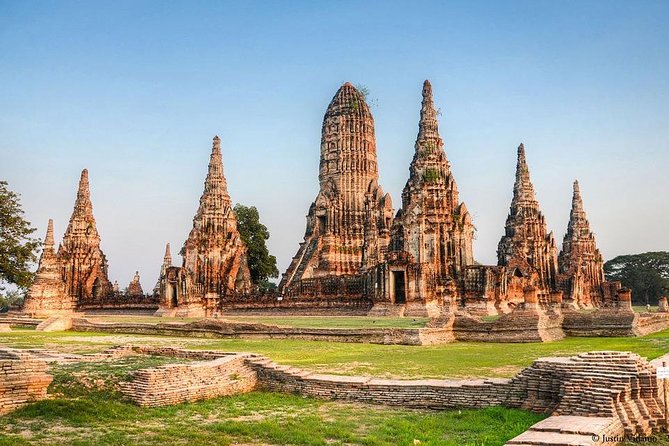
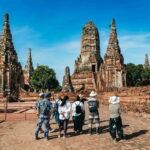
Then you visit Wat Chaiwatthanaram, which is influenced by the famous Angkor temple style in Cambodia. The key feature mentioned is the large central prang (Khmer-style pagoda). This is where the Ayutthaya experience starts to feel cinematic: symmetry, towers, and the sense of a city planned to impress.
You’ll spend about an hour here, admission included, which is enough to see the main structure and get a feel for the design.
Wat Phra Sri Sanphet and Wat Phra Mongkhon Bophit: Royal-Temple Icons
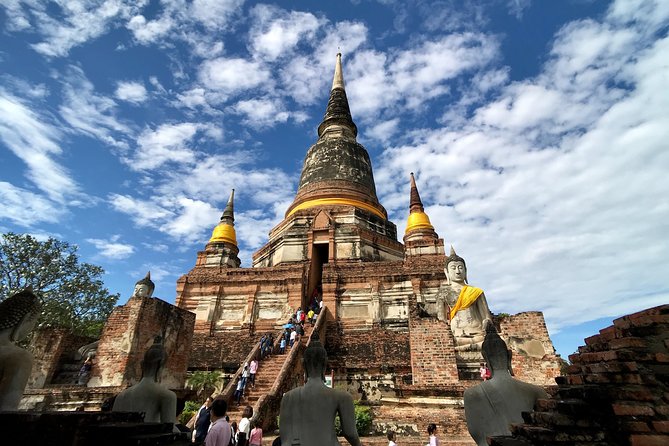
Next are two major sites close together.
Wat Phra Sri Sanphet has the famous three chedis and is described as the holiest temple on the site of the old Royal Palace. The tour framing matters here. When you understand this was the royal religious center, it’s easier to appreciate why the architecture is so deliberate.
Then you move to Wihan Phra Mongkhon Bophit, where you’ll find a large bronze seated Buddha image. The tour notes it’s one of the largest bronze Buddha images in Thailand, and that scale comes through even if you’re not a hardcore architecture person.
These are the stops where your guide’s role really pays off. The ruins are impressive on their own, but the meaning behind the layout makes the time go from seeing to understanding.
Wat Mahathat: The Buddha Head in the Tree Roots
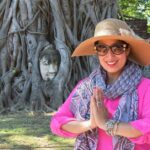
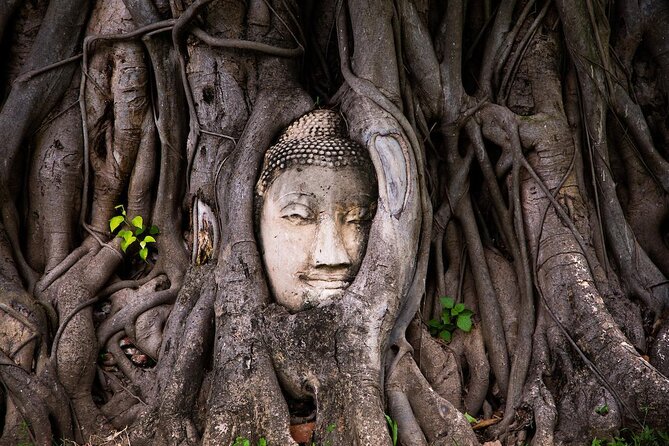
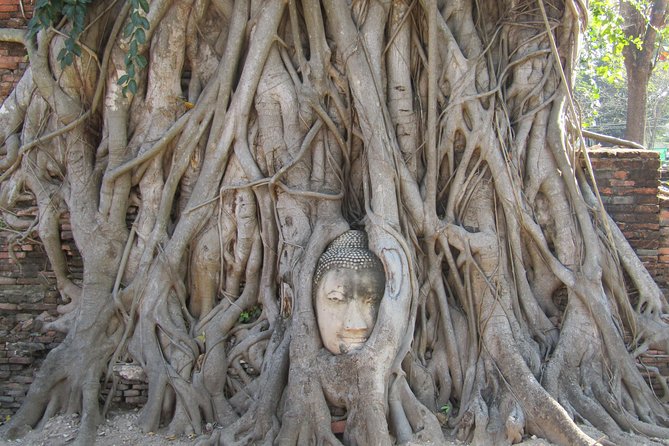
Finally, you reach Wat Mahathat, one of Ayutthaya’s most recognizable sights. The highlight here is the Buddha head entwined within the roots of a tree.
This is the moment people remember. It’s not just a photo opportunity—it’s a symbol of how nature and time interact with human creations. The tour gives you about an hour, admission included, which is a good length: long enough to look closely, read the mood of the space, and take photos without feeling rushed.
If you’re doing Ayutthaya for the first time, this stop is the best single reason to go. It’s the iconic image Thailand visitors instantly recognize.
A Tour That Thinks About Comfort: Air-Conditioned Rides and Included Entrance Fees
A big part of enjoying a 3-day trip like this comes down to logistics. This tour includes an air-conditioned vehicle, which is a practical deal in Bangkok and in the long drives that day-trips can involve. You’ll also have comfort built into the schedule with breaks implied by the stop structure, plus the fact that entrance fees are handled upfront.
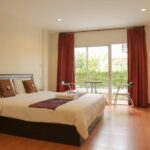
You also get the hotel: 2 nights in central Bangkok at a 3–4 star property. I like this because it keeps you close to where you’d naturally want to spend evenings—without you needing to do daily moving. You can treat the mornings as “tour time,” then use your afternoons and nights to wander at your own pace.
Also included are meals: breakfast for two days and lunch. Dinner isn’t included, so you’ll want to plan at least one or two simple meal spots on your own. The tour doesn’t include beverages during meals either, so if you like bottled water or drinks, budget for that.
Private Tour Energy: Your Group, Your Pace, Your Guide
This is a private tour/activity, meaning only your group participates. That matters more than it sounds. It reduces waiting, it makes it easier to ask questions, and it helps you move through crowded areas with a plan.
English-speaking guiding is included, and there’s a surcharge for another language. One review detail that’s worth taking seriously: a Spanish request wasn’t fulfilled, and the guide was English-speaking. If you need Spanish or German, don’t assume it will happen automatically. Confirm the language option before you go, and have a backup plan if English is the only option.
On the positive side, the tour has strong feedback for guide-and-driver teamwork. One example included Giftsy as the guide and a driver named Mr. Sunshine. The tone was warm, fun, and focused on making the day work well—food, bathrooms, and staying comfortable with air conditioning. That’s exactly what you want from a private guide: not just facts, but problem-solving.
Price and Value: What $389 Buys You (and What It Doesn’t)
At $389 per person for about 3 days, the big question is value. Here’s what you’re paying for beyond sightseeing:
- A central hotel for two nights (3–4 stars)
- English-speaking guidance for the full route
- Entrance fees included for the listed stops
- Air-conditioned transport
- Lunch plus two breakfasts
- Pickup is offered, and you’ll have mobile ticketing
What’s not included: dinner and beverages during meals, plus any language surcharge if you need something other than English.
When I look at it this way, the price feels fair if you’d otherwise pay separately for guides, tickets, and transport. If you’re the kind of traveler who’s already comfortable navigating on your own, you might be able to DIY it cheaper. But you’d still face the same hard part: getting from Bangkok to Ayutthaya and the markets in a way that stays organized and time-efficient.
This tour is best for people who want the highlights with less friction.
Who This Bangkok and Ayutthaya Tour Fits Best
You’ll likely love this tour if you:
- Want a first-timer friendly route through Bangkok and Ayutthaya’s top sights
- Prefer organized timing over planning bus routes and ticket lines
- Like having an English guide to interpret temples and rules
- Value comfort with air-conditioned transport in hot weather
You might think twice if you:
- Hate early starts and prefer long, slow days
- Need a specific language and haven’t confirmed it
- Want totally flexible pacing with no set stops
The tour lists that most travelers can participate and that service animals are allowed. It also notes it’s near public transportation, which can help if you’re planning your own add-ons around the hotel.
Should You Book This Bangkok and Ayutthaya 3-Day Tour?
If you want the big Bangkok hits plus Ayutthaya’s most famous ruins without turning your trip into a logistics project, I’d book it. The combination of private guiding, central hotel, and entrance fees included does real work for your time and stress level. And the route includes two standout sensory experiences—Maeklong Railway Market and Damnoen Saduak by long-tail boat—that you’d be hard-pressed to replicate as smoothly on your own.
My simple checklist before you book:
- Confirm the language you need (English is included; other languages may cost extra).
- Pack for heat and sun for the boat and outdoor temple moments.
- Think about dinner on your own nights since it’s not included.
If that sounds good, you’re set up for a strong, varied 3 days.
FAQ
What’s included in the tour price?
Lunch, accommodation for 2 nights in central Bangkok at a 3–4 star hotel, an air-conditioned vehicle, all sightseeing entrance fees, an English-speaking guide, and breakfast for two days.
Do you get picked up from your hotel?
Pickup is offered, and the tour starts at 7:30 am.
Is this tour private?
Yes. It’s a private tour/activity, and only your group participates.
What sights are covered over the three days?
You’ll visit major Bangkok temples and landmarks plus market and floating market experiences, then travel to Ayutthaya for sites including Bang Pa-in, Wat Chaiwatthanaram, Wat Phra Sri Sanphet, Wihan Phra Mongkhon Bophit, and Wat Mahathat.
Are entrance fees included?
Yes. All sightseeing entrance fees are included.
What meals are covered and what about dinner?
Breakfast is included for 2 mornings, and lunch is included. Dinner is not included, and beverages during meals are not included.
Is the guide always English?
An English-speaking guide is included. If you want another language, there’s a surcharge, and Spanish and German are specifically listed as having an added charge.
What’s the cancellation policy if plans change?
You can cancel for a full refund up to 24 hours before the experience start time. If canceled within 24 hours, the amount paid isn’t refunded.
What happens if the weather is poor?
The tour requires good weather. If it’s canceled due to poor weather, you’ll be offered a different date or a full refund.