REVIEW · KANCHANABURI & RIVER KWAI DAY TRIPS
Bridge on the River Kwai and Thailand-Burma Railway Guided Tour
Book on Viator →Operated by I Asia Thailand · Bookable on Viator
A long boat ride on the Kwai sets the tone. This guided day trip links the Bridge on the River Kwai with the real stories behind the Thailand–Burma Railway, from a POW cemetery to the small JEATH War Museum.
I especially like the combo of movement and meaning: you get a long-tailed speedboat experience plus a train ride along the Death Railway tracks. You also walk the bridge area instead of just staring at it from a distance.
One thing to weigh: this is a long haul from Bangkok. Even with air-conditioned transport, the day can stretch further than you expect because of road time and group pacing.
In This Review
- Key things to notice before you go
- Bangkok to Kanchanaburi: a long day with a clear purpose
- The 7:00 am start, road time, and why you should plan past 11 hours
- River Kwai by long-tailed speedboat: short, scenic, and hot in real life
- Bridge on the River Kwai: the walk is the point
- Kanchanaburi War Cemetery: quiet, direct, and very close to the story
- JEATH War Museum: small rooms, heavy stories
- The train ride along the Death Railway: views, sound, and the THB 300 fee
- Lunch buffet and the in-between moments that make or break the day
- Price and logistics: what you’re really paying for
- Private vs shared: who should choose what
- Who this tour fits best (and who should skip it)
- Should you book the Bridge on the River Kwai and Thailand–Burma Railway tour?
- FAQ
- What time does the tour start?
- Is hotel pickup and drop-off included?
- What’s included in the tour price?
- Is there an extra fee for the train seat?
- What stops are included during the day?
- Can I do a private tour instead of sharing?
Key things to notice before you go
- 7:00 am departure makes this an early, full-day commitment—plan the rest of your trip accordingly.
- Speedboat + train back-to-back is the best way to feel the geography that shaped the railway.
- Kanchanaburi War Cemetery and JEATH Museum hit hard, fast, and close up.
- One extra cost on the day: a mandatory THB 300 train seat fee (paid locally).
- Group size max 15 keeps it more manageable than big coach tours, but it’s still a group schedule.
- Private upgrade is real value if you want fewer compromises on timing and communication.
Bangkok to Kanchanaburi: a long day with a clear purpose
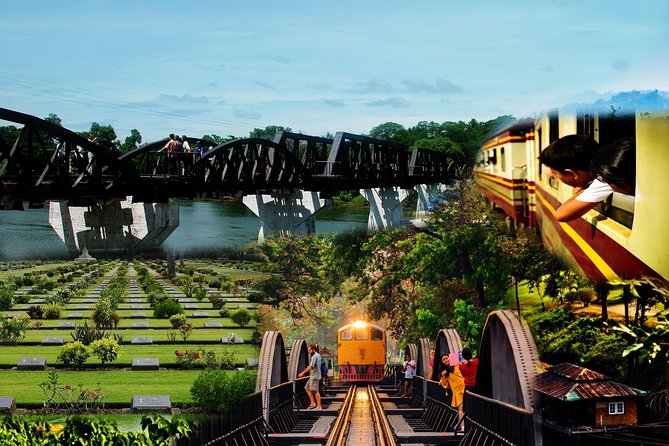
This tour is built for one big reason: to connect the famous bridge story to what happened to the prisoners who built the Thailand–Burma Railway. You start in central Bangkok with hotel pickup in an air-conditioned vehicle, then you’re on the road early. The route runs about 130 km each way, and you should assume the travel time can add up fast due to Bangkok traffic leaving and returning.
The payoff is that once you reach Kanchanaburi, the day stops being “just sightseeing.” It becomes a moving timeline. You’ll be on the river, walking around the bridge, then visiting sites that memorialize forced labor and imprisonment during World War II. The tour format works because it changes your setting repeatedly: river → rail line → bridge area → cemetery → museum → train ride.
If you’re the type who likes history, but also wants it to feel real, this structure helps. You’re not stuck in a bus the whole time—there are tangible moments where you can look around and understand why the area mattered.
You can also read our reviews of more guided tours in Bangkok
The 7:00 am start, road time, and why you should plan past 11 hours
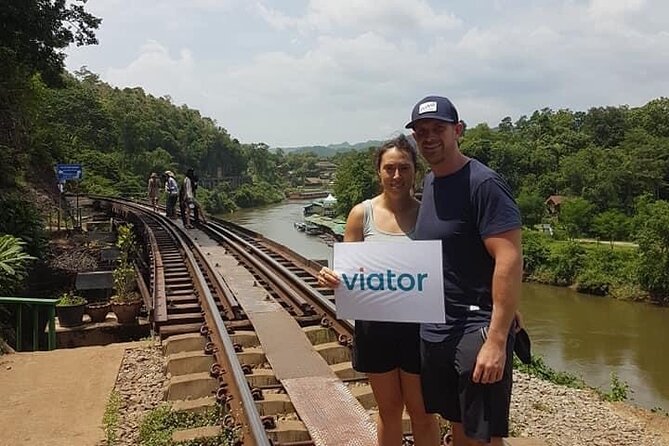
The tour says around 11 hours, but I’d plan for a longer day in practice. Road time from Bangkok can be 2–3 hours each way, and your group schedule may shift at the guide’s discretion. One important practical point: pickup can happen 30–60 minutes before the 7:00 am start, depending on your hotel location.
That means you’ll want to treat this like a “use-the-whole-day” plan, not a light excursion. If you have dinner reservations, a second tour booked, or an airport transfer soon after, give yourself breathing room.
Also, bring patience for the logistics. Even when the guide is on top of things, this is still transport between multiple sites. If you’re picky about comfort, you may want to consider the private option, because shared group transport can mean the van is doing more waiting and repositioning.
River Kwai by long-tailed speedboat: short, scenic, and hot in real life
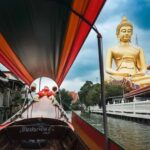
The first major on-site experience is along the River Kwai area. You’ll spend time at the river stop and take a long-tailed speedboat ride, which is the fun part of the day that still feels connected to the history. The river is where the landscape does the talking—wide water, thick greenery nearby, and the sense that this was a working corridor, not just a movie set.
A practical reality check: a few people felt the boat portion didn’t last as long as they expected. So go in with the mindset that you’re getting a solid taste of the river, not a half-day cruise. You’ll still get the visual payoff and the novelty factor.
Weather matters. This part of Thailand can be sunny and warm, and the boat time is outdoors. If you have one small “bring it” habit, make it these: hat and water. If you run hot, consider a small fan too.
Bridge on the River Kwai: the walk is the point
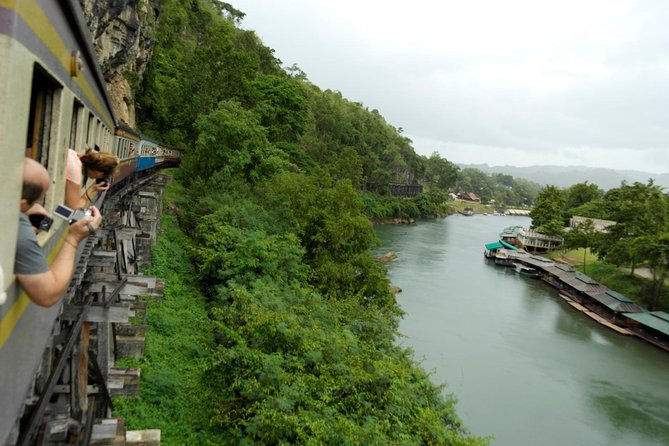
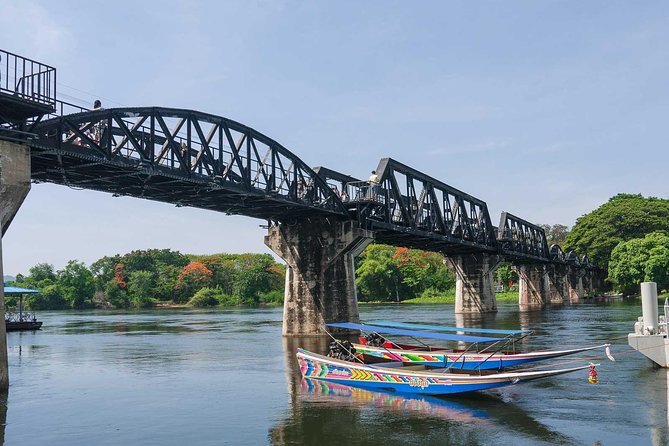
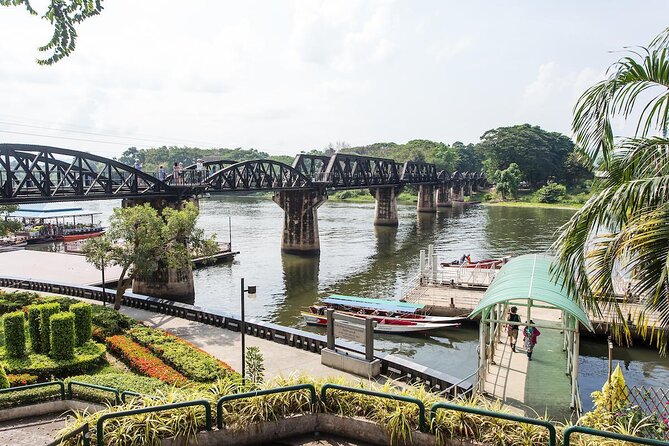
The stop at the Bridge on the River Kwai is short—about 30 minutes—but it’s one of those moments where a short visit can still be powerful. This bridge is tied to the infamous Death Railway, built during World War II from 1942 to 1943. The area is famous because the story in the popular media stuck—but the site itself has weight that goes beyond film.
During your time there, you’ll cross/walk across the bridge area (not just view it). That matters. Standing on a structure like this forces you to think about scale and engineering, and then about what that meant for the people involved.
Because the bridge stop is time-limited, don’t expect lots of wandering or long photo sessions. If you care about getting photos, be ready to move quickly when your group stops.
Kanchanaburi War Cemetery: quiet, direct, and very close to the story
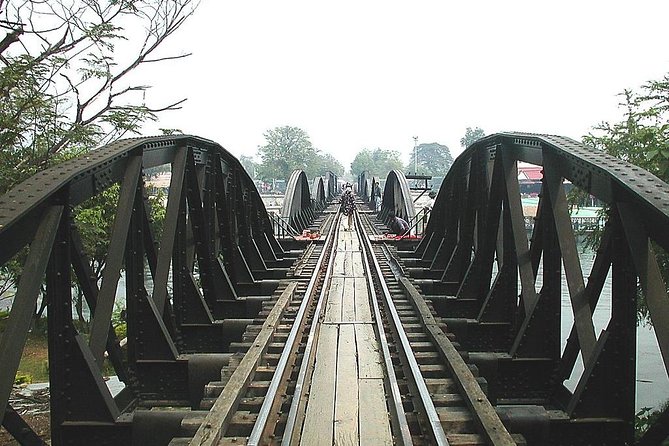
Next comes the Kanchanaburi War Cemetery—the main POW cemetery related to victims of Japanese imprisonment while building the Burma Railway. Your visit is around 20 minutes and it’s included in the price.
This stop works because it doesn’t try to entertain you. It gives you a factual, human scale to what the railway meant. There’s very little distraction and no need for advanced context; you can read the site for what it is.
Even if you’re not into military history, this kind of place changes the whole tone of the day. It’s also one of the rare moments where you may feel like you want silence rather than commentary. If the guide is offering explanations, you can still take a step back and let the site speak.
JEATH War Museum: small rooms, heavy stories
The JEATH War Museum is included and about 20 minutes. It’s described as small, and it focuses on the terrible ordeals of POWs who built the Death Railway. You’ll see original items like photos, letters, and drawings connected to those experiences.
This is a stop where time can feel short because the content is emotionally intense. The upside is that it’s focused. The downside is that if you need space to process, you may feel the schedule doesn’t give you much room.
One practical thing: since the museum stop is part of the fixed route, you’ll get less control over how long you stay. If you know you get overwhelmed in enclosed spaces, go in mentally prepared and give yourself permission to move at your own pace within that time window.
The train ride along the Death Railway: views, sound, and the THB 300 fee
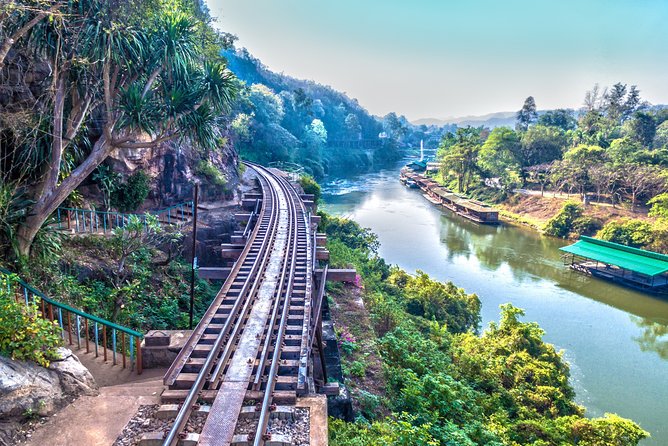
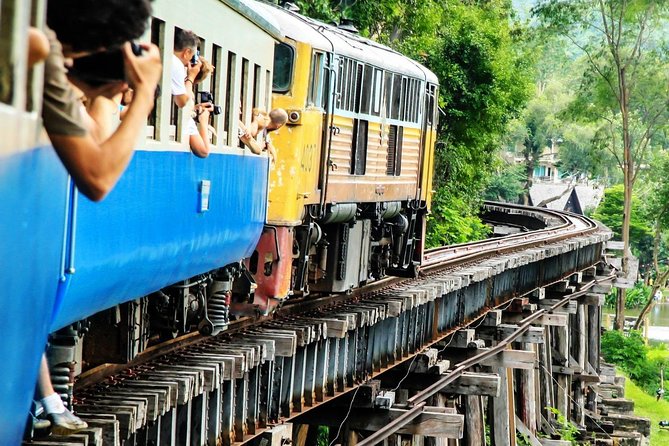
The highlight for many people is the train ride along the tracks associated with the Death Railway. Your tour includes the train ride, but there’s an important extra charge: THB 300 per person for the guaranteed seat. You pay this locally at the train station in cash to the guide.
Why the extra fee matters for value: the included price covers the ride, transport, and entrances, but your seat is handled separately. Budget for it so you don’t feel surprised when you get there. If you hate last-minute payments, that THB 300 is the one thing to mentally lock in before you go.
Now the on-the-ground experience: the train ride often delivers the best scenery of the day—countryside slipping by, with a sense of how the railway shaped movement through the region. It can also be loud. One useful tip from the field: if you’re sensitive to noise, consider ear protection, especially if windows are open and the sound carries.
Also, keep in mind this is a moving train with a schedule. If you want extra time to look out, you’ll need to manage your time within the ride window.
Lunch buffet and the in-between moments that make or break the day
Lunch is included as a buffet lunch, and it’s a welcome break after early pickup and long road time. In the day-trip style of this tour, lunch isn’t just a meal—it’s the reset point where people catch their breath, cool down, and rehydrate.
A practical note: this is a long day with limited free time at stops. So if there are restrooms, use them when you can. One helpful real-world tip: bring a small pack of tissues/toilet paper, since bathroom supplies aren’t always reliable in rural areas.
If your goal is to get the most out of the history without feeling exhausted, treat the lunch break as part of the plan, not an afterthought.
Price and logistics: what you’re really paying for
At $94.53 per person, the price is best understood as a package deal for transport + guided navigation + key experiences. Included basics you’re getting:
- hotel pickup and drop-off in central Bangkok
- air-conditioned vehicle transport
- long-tailed speedboat ride
- train ride along the Death Railway (with the THB 300 seat fee extra)
- buffet lunch
- professional Thai local guide
- entrance fees
That combo is where value lives. You’re not just paying for transport. You’re paying for a guide to stitch together the bridge, the cemetery, and the museum into one story you can follow as you move around. If you tried to DIY all of this from Bangkok, you’d quickly find yourself spending more on separate tickets, transfer time, and coordinating timings.
Where price can feel less satisfying: if you’re the type who hates waiting and feels every minute in the van. Some people report feeling that the driving time and waiting take a lot of the day. That doesn’t mean the tour is poorly run—it means the day trip format naturally trades some comfort for getting multiple sites packed in.
If that’s your style, the private upgrade can be worth considering. Having a private vehicle and guide generally reduces the “shared group constraints” that can make time feel tight.
Private vs shared: who should choose what
Shared is great when you want a guided day and don’t mind group pacing. With a maximum of 15 travelers, it’s not a huge crush, and the smaller group can make it easier for the guide to manage timing.
Private is the smarter pick if you:
- want a smoother ride with less waiting
- care more about clear communication and not being shuffled around
- prefer a pace that feels less rushed
- are traveling as a couple or small group and want undivided attention
If you’re on the fence, think of it like this: shared gives you the experience; private gives you more control over the experience.
Who this tour fits best (and who should skip it)
This is a strong match if you want WWII history that you can actually walk through—bridge, cemetery, and museum—plus the train ride that connects the story to the landscape and infrastructure.
It’s also a good match if you like guided context. A long day becomes easier when someone’s helping you connect what you’re seeing right now to what it meant then.
Consider skipping or adjusting your expectations if:
- you get restless with long car rides
- you’re short on time in Bangkok
- you strongly dislike emotionally heavy memorial sites
- you’re expecting a long boat cruise rather than a brief speedboat segment
Should you book the Bridge on the River Kwai and Thailand–Burma Railway tour?
Yes, if you want the full arc: river → bridge → POW memorials → train ride with an on-the-day guide to connect the dots. The price is fair for what’s included, and the itinerary covers the key elements that make this site more than a movie reference.
Book this tour if you can commit to an early start and a long day, and if you’re okay with schedule-driven time at each stop. Pack for heat, noise, and basic bathroom reality, and you’ll feel like you got your money’s worth.
Skip or consider private if you know you’ll struggle with long road time or if you want more comfort and more control. The private option is the cleanest way to reduce the main frustration people report: feeling stuck in transit when you’d rather be at the sites.
FAQ
What time does the tour start?
The tour start time is 7:00 am. In many cases, pickup may happen 30–60 minutes earlier depending on where your hotel is located.
Is hotel pickup and drop-off included?
Yes. The tour includes hotel pickup and drop-off in central Bangkok hotels only.
What’s included in the tour price?
You get air-conditioned transport, a long-tailed speedboat ride, a train ride along the Death Railway, a buffet lunch, a professional Thai local guide, and entrance fees. Mobile ticket is also part of the setup.
Is there an extra fee for the train seat?
Yes. There is a mandatory THB 300 seat fee for the train, paid locally at the station in cash to the guide for a guaranteed seat.
What stops are included during the day?
The main stops are the River Kwai area (with speedboat time), the Bridge on the River Kwai, the Kanchanaburi War Cemetery, and the JEATH War Museum.
Can I do a private tour instead of sharing?
Yes. The experience can be booked as shared or private. Private means you’ll have your own vehicle and guide. The tour also caps the group size at 15 travelers.