REVIEW · HISTORICAL TOURS
2 Hour Electric Tuk Tuk Cultural Tour of Bangkok
Book on Viator →Operated by LJ Tour Co.LTD. · Bookable on Viator
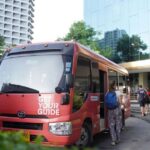
Bangkok can feel like a lot at once. This 2-hour electric tuk-tuk tour helps you get your bearings fast while still hitting major landmarks. I love that it’s low-effort sightseeing: you ride an EV tuk-tuk between stops, then your guide points you toward the best angles and photo moments.
Two things I really like: first, you stop at iconic places like the Grand Palace and Wat Pho without spending your whole day stuck in street-hopping logistics. Second, the route includes a fun skills moment with a lotus-folding workshop, plus quick breaks at places like Pak Khlong flower market where your camera will do most of the work.
One thing to consider: temple admissions aren’t included, so you’ll want to plan for entry fees if you want to go inside the big-ticket sites at the end of the tour.
In This Review
- Key highlights you can plan around
- Electric tuk-tuk in Bangkok: why this format works
- Price and what you’re really paying for ($30.78 per person)
- Meeting at Hua Lamphong and keeping the start easy
- Chinatown ride: fast views of heritage streets
- Phra Pok Klao Bridge Sky Garden: 10 minutes, huge payoff
- Pak Khlong Flower Talat: color, variety, and practical photo time
- Sao Chingcha Giant Swing: a landmark that’s more than a photo
- Royal Pavilion Mahajetsadabadin near Golden Mount
- Democracy Monument: Bangkok’s political turning point, in plain sight
- Lotus folding workshop: a hands-on cultural pause
- Wat Pho and the Grand Palace finish: what to plan for
- Who this tour is best for
- Should you book this 2-hour electric tuk-tuk cultural tour?
- FAQ
- How long is the 2-Hour Electric Tuk Tuk Cultural Tour of Bangkok?
- How much does the tour cost?
- What’s included in the tour price?
- Are temple and sightseeing admission fees included?
- What are some of the stops on the tour?
- Where does the tour start and end?
- How big is the group?
- Is this tour easy to join without complex planning?
- What’s the cancellation policy?
Key highlights you can plan around
- EV tuk-tuk rides that keep the pace sane for a short stay in Bangkok
- 360° views from Phra Pok Klao Bridge Sky Garden with free admission
- Pak Khlong Flower Talat photo stops with plenty of colors to work with
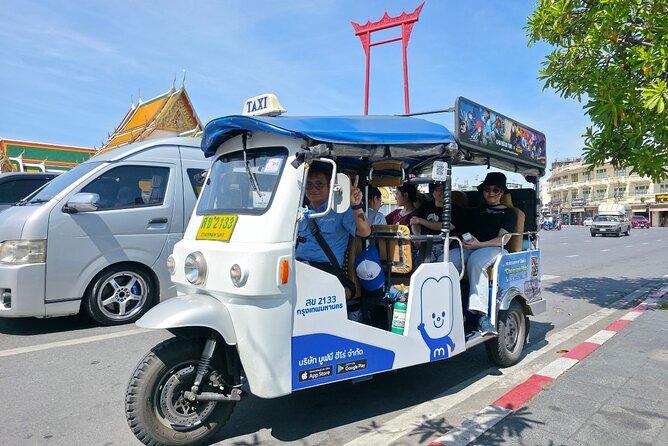
- Sao Chingcha (Giant Swing) plus royal-area sights on one tight circuit
- Lotus folding workshop that turns Thai craft into something you can take home
- Finish at the Grand Palace area, so you can keep exploring right away
Electric tuk-tuk in Bangkok: why this format works
A two-hour tour in Bangkok only works if you reduce decision fatigue. This one does that. You get transportation by electric tuk-tuk, so you’re not spending your limited time figuring out routes, crossings, and where the heck you’re supposed to be standing for good photos.
The other smart move is the mix of “big-name” stops and short detours. You’re not just ticking off famous buildings. You’re also taking in views and markets where Bangkok’s everyday life shows up fast—especially around the river-side bridge stop and the flower market.
And because the group maxes at 20 people, it feels like a guided outing instead of a cattle-car tour. You’ll still get local stories, but you’re not standing shoulder-to-shoulder for the whole morning.
You can also read our reviews of more historical tours in Bangkok
Price and what you’re really paying for ($30.78 per person)
At $30.78 per person for about 2 hours, this is priced like a “high value per hour” activity rather than a full-day sightseeing package. The big reasons it can be worth it:
- You’re paying for guided routing + EV tuk-tuk transport, plus the guide’s time at multiple stops.
- Some stops have free admission (like the bridge and flower-market area), so you get more sightseeing for your ticket cost.
- You’re also getting a hands-on workshop (lotus folding), which tends to be more memorable than a quick photo stop.
The trade-off is simple: temple admission fees are not included. The tour brings you to major temple sites, and the finish is in the Grand Palace area, but your cost might rise if you want to enter every major complex.
If you’re trying to do Bangkok highlights efficiently, this tour fits best as an add-on to your other explorations, not as the only thing you do that day.
Meeting at Hua Lamphong and keeping the start easy
Your starting point is at MRT Hua Lamphong Station (Exit 4). This matters because Hua Lamphong is a major transit hub. If you’re staying somewhere central, getting to the meeting point is usually straightforward.
You’ll also get a mobile ticket, which helps you avoid printing hassles. And once you’re on the ground, your guide handles the group flow—where to stand, when to move, and which sides are best for pictures.
The tour ends with the group dropped off near the Grand Palace area (in front of it). That’s a practical choice: you can continue your palace-and-temple time without doing a whole separate transit shuffle later.
Chinatown ride: fast views of heritage streets
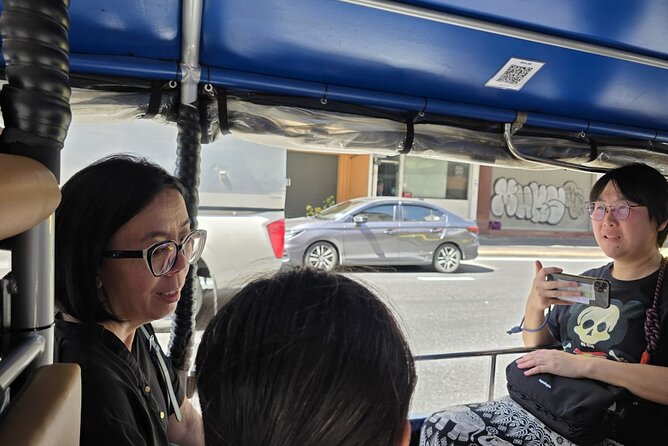
Right away, you’re taken through Bangkok’s Chinatown, riding by EV tuk-tuk so you can watch street scenes without fighting heavy traffic on foot. You pass the Chinatown Gate, a standout marker of the area’s heritage.
This stop isn’t about parking and lingering. It’s more like a “here’s the neighborhood, now get your bearings” introduction. If you’ve never been to Bangkok’s older districts, the gate-and-street rhythm helps you understand what you’re seeing later in the day.
Tip: bring your phone camera ready, but don’t stand in the roadway. The goal is quick photos while your guide keeps the group moving safely.
Phra Pok Klao Bridge Sky Garden: 10 minutes, huge payoff
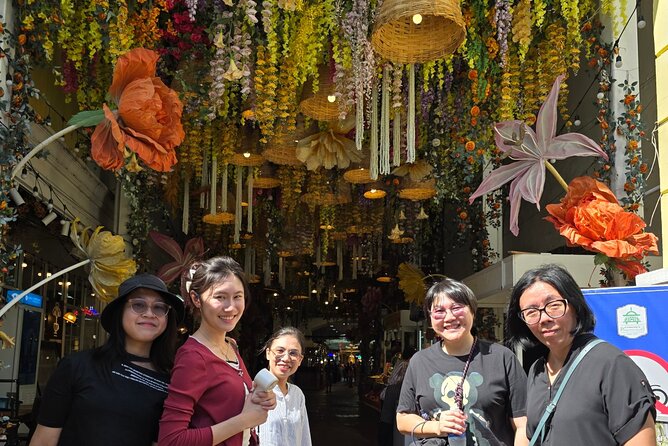
This is the kind of stop that makes short tours feel worth it. At Phra Pok Klao Bridge, you get access to the Sky Garden for about 10 minutes, and the admission ticket is listed as free.
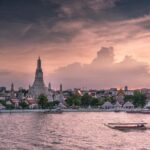
What you’re looking at is the river and the skyline mix—boats moving through the Chao Phraya area, plus the city view stretching out in multiple directions. It’s a good contrast to the dense streets you’ve just ridden through.
Why it’s valuable: in a short tour, you usually don’t have time for a long viewpoint detour. This one gives you a skyline reset so the rest of the day’s sights make more sense. You’ll understand the geography better.
Practical note: because your time is short here, decide quickly where you want your best view shot and then move on. Don’t spend five minutes re-framing every second photo.
You can also read our reviews of more tours and experiences in Bangkok


Pak Khlong Flower Talat: color, variety, and practical photo time
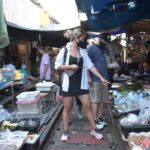
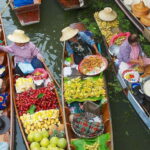
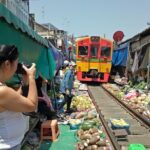
Next you head to Pak Khlong Flower Talat Original, a major flower market stop for about 25 minutes with free admission listed. If you like photographing patterns—rows of blooms, bright packaging, and the way people shop and carry bouquets—this is one of the best places to do it quickly.
You’ll see a lot of fresh flowers and arrangements. You may also find nearby market energy around food and shopping (some guest feedback mentions market food), but the main “do this” here is simple: take photos from angles that catch repetition and texture, not just one-off flowers.
A smart way to use your time:
- Walk a little first, then shoot.
- Look for clusters of colors that repeat.
- Avoid blocking shoppers; keep your movement smooth so you’re not in the way.
This stop works especially well if your day includes hot weather. You can move at your own pace while your guide covers the cultural context.
Sao Chingcha Giant Swing: a landmark that’s more than a photo
Then it’s time for Sao Chingcha (the Giant Swing), a 24-meter-tall red teak structure in Bangkok’s historic district. You’ll have about 10 minutes here.
What makes it meaningful is that it’s not just a bright landmark. It’s tied to Thai traditions, and the swing’s scale is what grabs you first. Even if you’re mostly there for a quick photo, noticing the size and materials helps you read the structure in context.
If you like learning while you walk: your guide will help translate what you’re seeing into something you can carry with you, especially in Bangkok where many monuments sit inside areas with layered meanings.
Royal Pavilion Mahajetsadabadin near Golden Mount
After the swing, you’ll visit Royal Pavilion Mahajetsadabadin, another stop designed to feel less like a box-check and more like a calmer pause near the larger religious landscape around the Golden Mount area.
You’ll get about 15 minutes here. The pavilion is described as a royal retreat featuring a monument to King Rama III and Thai-style royal pavilions—excellent backdrops if you want photos that feel more “Thai architecture” than “tourist plaza.”
Why this stop adds value: the Grand Palace area is a lot. Coming here before you finish helps you transition from street intensity into a more formal royal aesthetic. It makes the final palace visit feel like the climax, not the start.
Democracy Monument: Bangkok’s political turning point, in plain sight
Your circuit also includes the Democracy Monument, described as being at the heart of Bangkok’s political history and designed in an art deco style.
You get a quick stop here (the time isn’t clearly listed), but the point is to give you a landmark that represents national change—something beyond temples and markets. Bangkok isn’t only about ornate religious buildings. It’s also about the political story written into public space.
If you’re the type who usually skips monuments, don’t. In a short tour, this is how you get a wider Bangkok picture without needing extra time.
Lotus folding workshop: a hands-on cultural pause
This tour includes a lotus folding workshop, and this is one of the best parts because it turns “watching” into “doing.” You’ll learn a traditional style of lotus folding, which means you’re taking part in craft rather than just passing by landmarks.
Why I think this matters: Bangkok is full of sights that look impressive from the outside. A small craft activity helps you slow down for a moment and makes the day feel more personal. Even if you don’t become an expert, you’ll leave with a sense of how Thai decorative arts work and how they’re used.
Practical tip: go in expecting small instructions and a bit of patience. This kind of workshop rewards calm attention more than speed.
Wat Pho and the Grand Palace finish: what to plan for
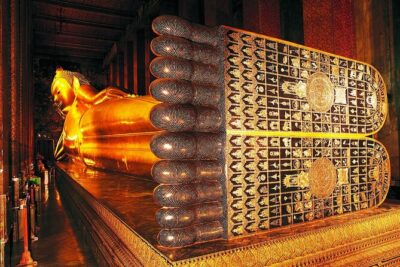
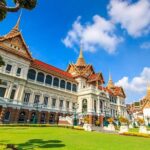
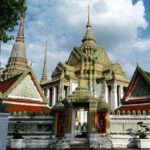
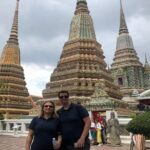
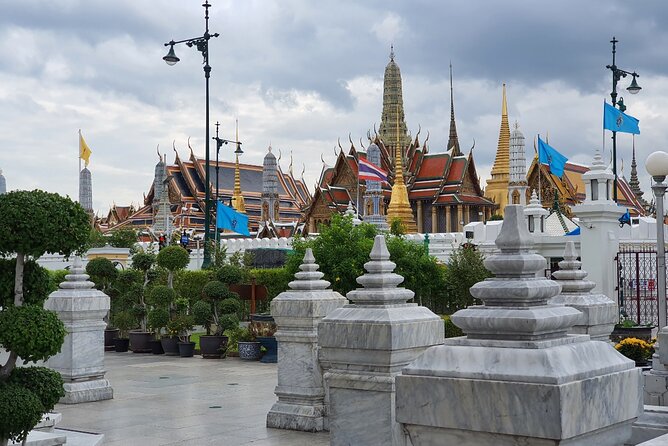
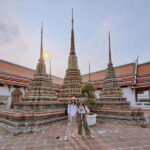
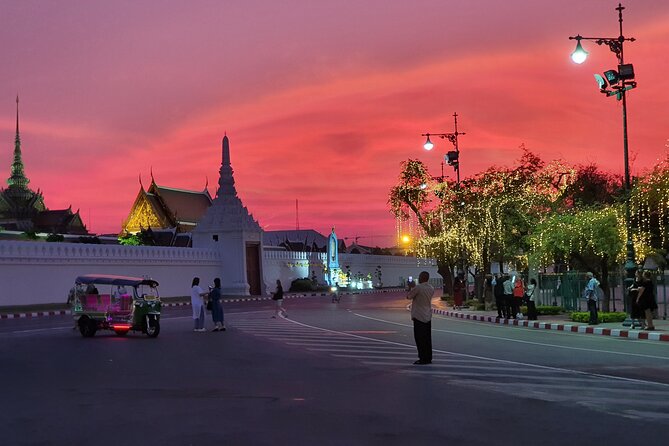
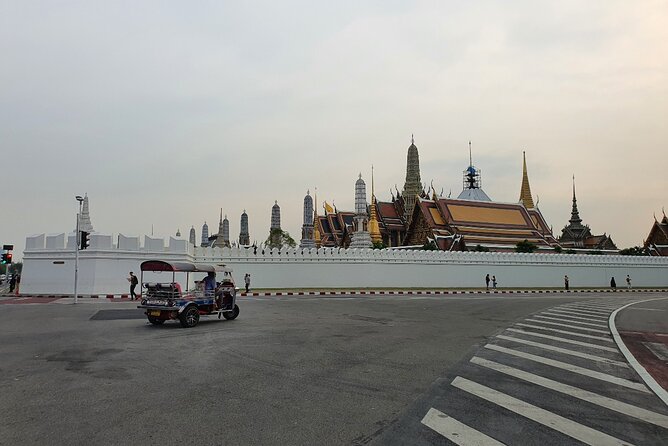
The tour centers on major stops including Wat Pho and the Grand Palace / Temple of the Emerald Buddha as part of the experience. The tour finishes by dropping you off in front of the Grand Palace area, and the notes say you can continue exploring the palace if you’re doing a day trip.
Important detail for budgeting: admission fees to temple and sightseeing aren’t included. So if you want to step inside the Grand Palace complex or go into the Emerald Buddha temple, you’ll need to pay those entry costs separately.
How to make this ending work for you:
- Plan your “serious visiting” time after the tour ends, not before. You’ll arrive in the exact area you want to keep going.
- Wear clothing that fits temple expectations. Even though the tour provides context, you’re still walking into sacred spaces.
- If you’re pressed for time, focus on the places that matter most to you rather than trying to see everything in one push.
This structure—tour first, then palace time—often feels better than trying to fight for temple entry during a packed day.
Who this tour is best for
This is a strong match for people who want highlights without overplanning. It works well if you’re:
- Short on time and want an efficient circuit (2 hours does that)
- Traveling as a couple, solo, or with family and want an easier pace
- Looking for a guided route that handles movement and timing for you
- Interested in a mix of major landmarks plus market-and-views stops
If you’re the type who loves deep museum time, you may find 2 hours too tight. But if you want your first Bangkok day to feel organized and fun, this tour hits the sweet spot.
Should you book this 2-hour electric tuk-tuk cultural tour?
I’d book it if you want a practical first Bangkok sampler with EV transport, guided storytelling, skyline views, market color, and a real hands-on workshop. The value is strongest when you treat it as the start of your day’s sightseeing and then spend extra time on what you care about most after you’re dropped near the Grand Palace.
I’d skip or adjust expectations if you hate paying extra entry fees, because temple admissions are not included. Also, if you’re seeking long stays at each site, the short stop times won’t feel like enough.
Bottom line: for first-timers, time-savers, and craft-lovers, this is a smart use of a couple of hours in Bangkok.
FAQ
How long is the 2-Hour Electric Tuk Tuk Cultural Tour of Bangkok?
It runs for about 2 hours.
How much does the tour cost?
The price is listed at $30.78 per person.
What’s included in the tour price?
Included are the EV tuk-tuk ride, parking fees, and a tour guide.
Are temple and sightseeing admission fees included?
No. Admission fees to temples and sightseeing are not included.
What are some of the stops on the tour?
You’ll pass through Chinatown, visit Phra Pok Klao Bridge (Sky Garden), Pak Khlong Flower Talat, Sao Chingcha (the Giant Swing), Royal Pavilion Mahajetsadabadin, and you’ll also see key Grand Palace and Wat Pho area highlights.
Where does the tour start and end?
It starts at MRT Hua Lamphong Station (Exit 4). It ends in front of the Grand Palace area (at the address provided).
How big is the group?
The tour has a maximum group size of 20 travelers.
Is this tour easy to join without complex planning?
It uses a mobile ticket, confirmation is received at booking, and the meeting point is near public transportation.
What’s the cancellation policy?
Free cancellation is available up to 24 hours before the experience start time for a full refund.