REVIEW · PRIVATE & CUSTOM CITY TOURS
Visit temples in and around Bangkok with a former monk of 10 years
Book on Viator →Operated by Your Thai Guide · Bookable on Viator
Bangkok’s temples have real-life stories. This private tour pairs you with a former monk of 10 years (now a licensed guide), so you’re not just sightseeing—you’re learning how Buddhism shows up in daily Bangkok life. And the best part is control: you set the pace and choose what’s worth your time.
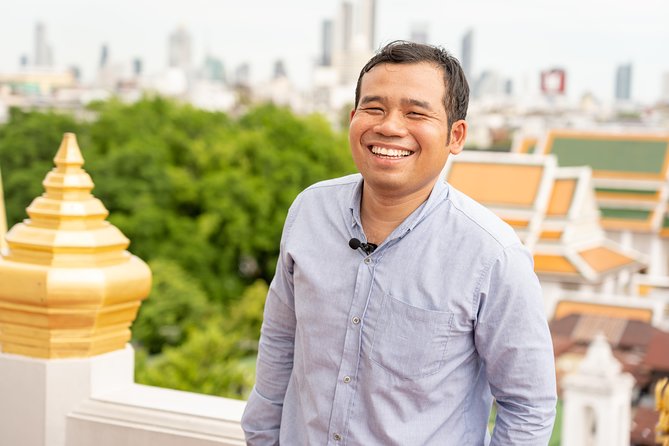
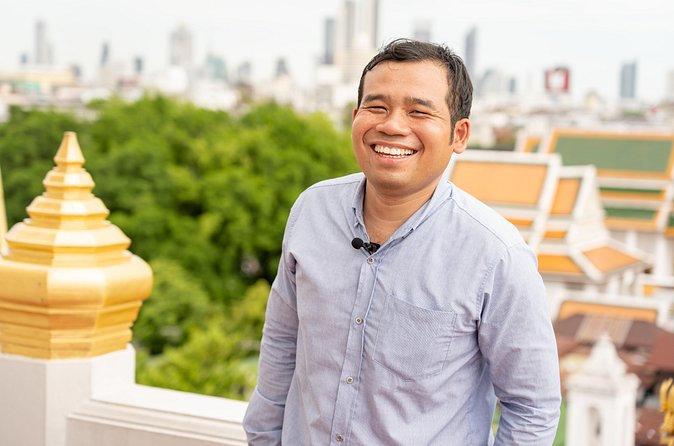
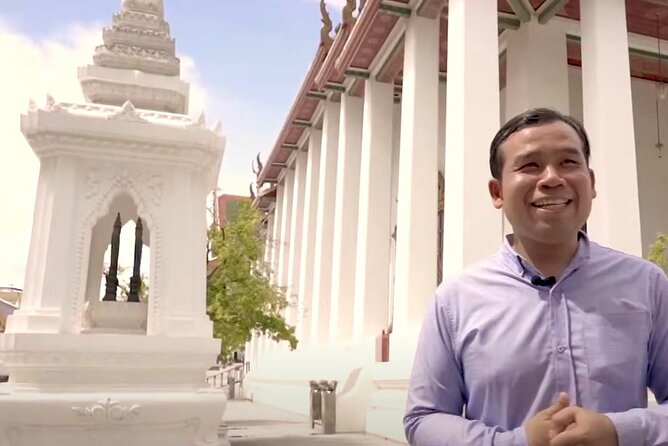
I especially like the bespoke format. You can build your day from a long menu of temples, from the famous Temple of the Emerald Buddha (Wat Phra Kaew) to the riverside favorite Wat Arun, plus a mix of major and smaller religious sites. I also like the human touch: in the guide’s style, Yuut has been praised for arriving early, staying professional, and handling questions in very clear English—plus being patient with families.
One thing to plan for: you’ll likely pay entrance fees at many stops (most are not included), and you also cover transport costs for the guide while you’re together. Add in a strict dress code—no shorts or sleeveless tops—and it’s not a last-minute, wear-anything outing.
In This Review
- Key things that make this tour worth your time
- Why an ex-monk guide changes how you see Bangkok temples
- Custom route power: you choose the temples and the tempo
- Timing, hotel pickup, and what “private” really means here
- Wat Arun and the temple “anchor” stops that set your theme
- Marble Temple to Loha Prasat: classic “royal Bangkok” energy
- Wat Phra Kaew and Wat Phra Chetuphon: when Buddhism meets Bangkok’s spotlight
- Golden Mount (Wat Saket) and the Golden Buddha (Wat Traimit): symbolism you can feel
- Smaller Wats and neighborhood temples: where daily Buddhism looks normal
- Beyond Buddhism: Brahmin, Sikh, and shrine-style stops in Bangkok
- The practical stuff that decides whether your day is smooth
- Dress code is real
- Shoes, heat, and walking time
- Admission fees: budget for them
- You cover the guide’s transport and meals if you eat together
- Price and value: $144 for up to 8 people, and why that matters
- Who should book this temple day, and who should skip it
- Should you book this ex-monk Bangkok temple tour?
- FAQ
- How many people are in a group?
- How long is the tour?
- Is the tour customizable?
- Are temple entrance fees included?
- Does the price include transportation?
- Is there a dress code?
- Is this tour refundable?
Key things that make this tour worth your time
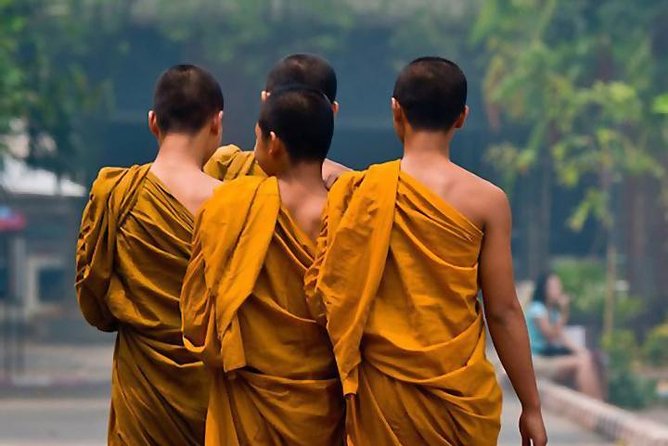
- Ex-monk guide, licensed for guiding: you get context that feels practical, not lecture-y
- You pick the temples and the pace: it’s truly your day, not a fixed checklist
- Built for questions: the guide can tailor explanations as you go, including for kids and different mobility needs
- A wide menu of sites: Buddhist temples plus other faith landmarks in Bangkok
- Mobile ticket included: less hassle once you’re on the ground
Why an ex-monk guide changes how you see Bangkok temples
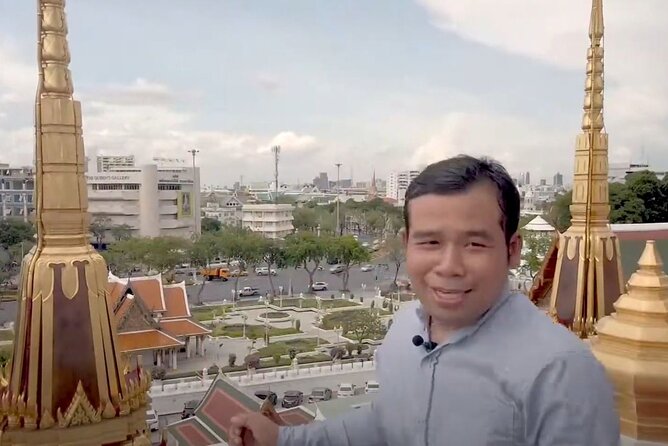
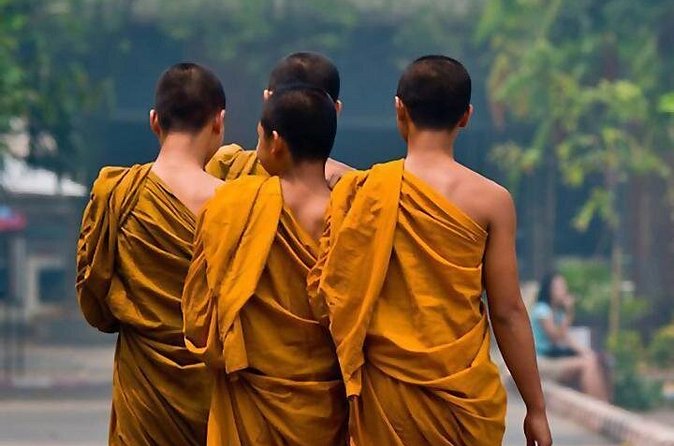
Bangkok temple tours can turn into a photo sprint. This one resists that. The guide is a former monk who spent 10 years in monastic life, and that shapes the way the day is explained. You’re guided to notice what people actually do—how worship fits into routines, how symbols connect to everyday decisions, and why certain practices matter to locals beyond “tourist value.”
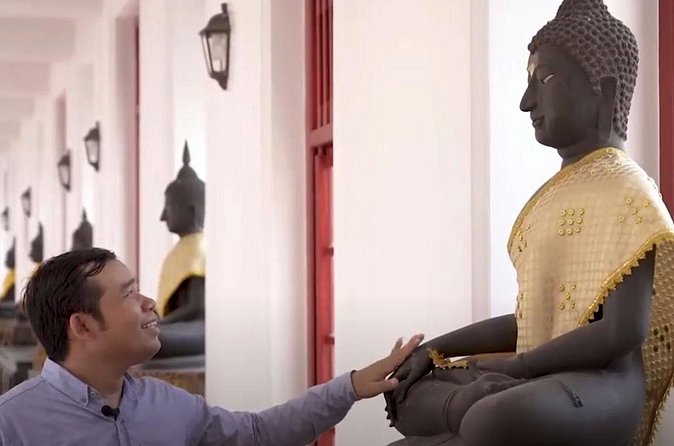
You also get a licensed tour guide, not just someone who knows stories. That matters when you want to ask real questions. Should you bow or just place your hands together? What’s the point of this gesture? How do Thais understand merit, karma, and everyday Buddhism? With this setup, you’re not stuck with one-way commentary. You can steer the conversation.
You can also read our reviews of more tours and experiences in Bangkok.
Custom route power: you choose the temples and the tempo
The tour is designed like a menu. You decide which temples you want, and you can move at a pace that matches your group. That’s huge in Bangkok, where one hot stop can drain energy fast.
The day can run anywhere from 1 to 8 hours, which gives you real flexibility:
- If you want a focused morning hit, you can keep it short.
- If you want a slower deepening of context, you can stretch it out.
The itinerary contains a large list of possible stops, including (among many others): Wat Arun, Wat Benchamabophit (the Marble Temple), Wat Phra Kaew (Temple of the Emerald Buddha), Wat Pho / Wat Phra Chetuphon, Wat Traimit (Temple of the Golden Buddha), Wat Saket (The Golden Mount), Loha Prasat (Wat Ratchanatdaram Woravihara), and a stack of additional “Wat” sites around central Bangkok plus some non-Buddhist sacred spaces like Devasathan (Brahmin Temple) and a Gurudwara (Sikh Temple).
Practically, this means you can build a day around your interests:
- If you like iconic powerhouses, you’ll likely include the big names.
- If you prefer quieter corners and smaller temples, you can trade one famous stop for several lesser-known ones.
Timing, hotel pickup, and what “private” really means here
This is a private tour/activity, so only your group participates. That makes a difference when you’re trying to keep things comfortable—especially if you have kids, slower walking, or you just want time to stand and observe.
It also starts and ends at your hotel (if you want), which is one less logistical headache in Bangkok. The tour uses a mobile ticket, which is a small detail, but it helps you avoid paper issues while you’re moving through busy areas.
There’s a set daily window for the tour time (shown as 7:30 AM to 10:30 AM). So if you want a late-afternoon temple crawl, this may not be the match. If you’re an early riser, that’s a bonus—temples and crowds feel more manageable earlier.
Wat Arun and the temple “anchor” stops that set your theme
Even though you customize the day, Wat Arun is one of the anchor options. It’s the kind of temple people build a Bangkok temple day around, and it makes a strong first (or near-first) stop because it gives you an immediate sense of how central temple worship is to Bangkok identity.
A practical note: Wat Arun is listed with admission ticket free. That’s rare in this itinerary list, where many stops have admission fees not included. So Wat Arun can be a smart way to keep your budget steady while still hitting a top-tier temple stop.
From there, your guide can shape the rest of the day around the theme you want—royal court Buddhism, everyday neighborhood practice, big famous landmarks, or a balanced mix.
Marble Temple to Loha Prasat: classic “royal Bangkok” energy
If your list includes Wat Benchamabophit (the Marble Temple), you’re choosing a temple stop with a distinct identity. It’s not just “another Wat” on the map; the name itself signals a specific style that tends to attract visitors who want something visually memorable while still learning what the worship spaces mean.
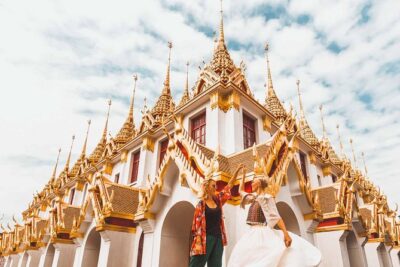
Another standout option: Wat Ratchanatdaram Woravihara (Loha Prasat). This is the “metal castle” stop in many visitors’ mental map—again, the name gives it character. If you love structure, scale, and unusual temple architecture, you may find this the type of place where the guide’s explanations click fast. You can ask why places like this are designed the way they are and how that connects to religious storytelling.
From a tour-experience perspective, these larger, more iconic temple stops do two useful things:
- They give you a baseline for reading other Wats you’ll see later.
- They make it easier to compare “big meaning” worship with more everyday, local practice.
Downside to consider: these kind of stops can mean more crowds and more people trying to take quick photos. With a private guide and the ability to set your pace, you can slow down where you want, but you still have to plan for that energy.
Wat Phra Kaew and Wat Phra Chetuphon: when Buddhism meets Bangkok’s spotlight
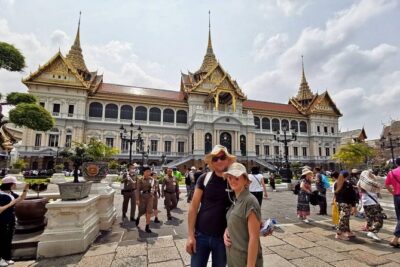
The Temple of the Emerald Buddha (Wat Phra Kaew) is one of the most famous choices on the list. Even if you’re not the type who loves huge tourist sites, this is often where the guide’s context pays off. The guide can help you connect what you’re seeing to why people treat this space as deeply significant.
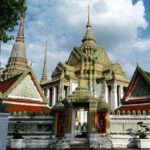
Another major option is Wat Phra Chetuphon (often associated with the famed reclining Buddha complex, though you’ll focus on worship spaces and interpretation during your visit). With a monk-turned-guide, these big landmark temples often feel less like “checklist stops” and more like places where you understand the logic of what’s being practiced.
If you’re building a day for a first-time Bangkok visitor, these big-name stops are useful. They help you get the vocabulary of temple life quickly—so later, smaller Wats make more sense.
If you’re building a day for a repeat visitor, you can still include one spotlight temple and then spend extra time at neighborhood temples so the day doesn’t feel like a repeat loop of crowds.
Golden Mount (Wat Saket) and the Golden Buddha (Wat Traimit): symbolism you can feel
If your interests lean toward iconic symbolism, Wat Saket (The Golden Mount) and Temple of the Golden Buddha (Wat Traimit) are the two “gold” choices in the list.
Wat Saket gives you a chance to learn how temples act like landmarks in city life. It’s also a good stop if you like the idea of “seeing the city through religion,” since temple spaces often become meeting points and visual anchors.
Wat Traimit (Temple of the Golden Buddha) is clearly labeled in the itinerary with the Golden Buddha identity. For many people, that kind of stop creates a memorable photo moment—but the real value is the guide’s interpretation: what the Buddha representation means, why gold matters symbolically, and how people relate to the objects and spaces in front of them.
In a custom day, these can be your “story stops.” Choose them if you want your tour to revolve around meaning, not just architecture.
Smaller Wats and neighborhood temples: where daily Buddhism looks normal
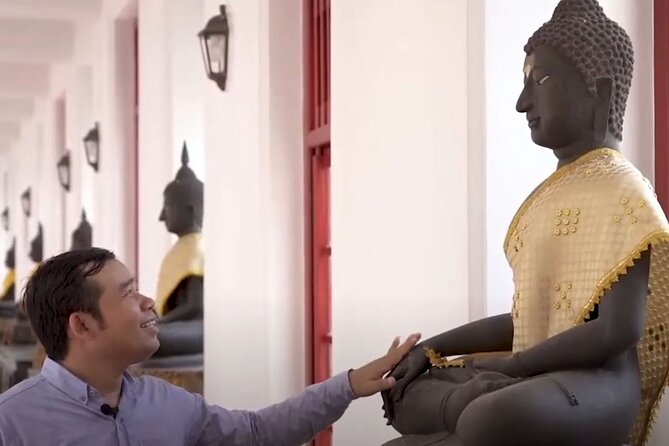
The itinerary list includes many additional Wat options—Wat Benchamabophit, Wat Boromniwas, Wat Bowonniwet Vihara, Wat Bukkhalo, Wat Chakrawatrachawat Woramahawihan, Wat Chana Songkhram, Wat Chanyawat, Wat Chao Am Temple, Wat Don Mueang (Phra Arramluang), Wat Hua Lumphong, Wat Intharawihan, Wat Kalayanamit Varamahavihara, Wat Khun Chan, Wat Lak Muang, Wat Lan Boon, Wat Mahannapharam, Wat Mahathat Yuwaratrangsarit, Wat Paknam Phasi Charoen, Wat Pathum Wanaram, Wat Phitchaya Yatikaram Worawihan, Wat Prayurawongsawat Worawihan, Wat Rajapradit Sathitmahasimaram Rajaworavihara, Wat Rakang Kositaram, Wat Suthat, Wat That Thong, Wat Thepsirintrawat Ratchaworawihan, Wat Thepthidaram, Wat Intharam Worawiharn, and many more.
You don’t have to hit all of them. In fact, that’s the point. You can pick a mix that creates a “day arc”:
- Start with a landmark temple or two to build context.
- Then switch to smaller Wats where the rituals and worship routines can feel more like everyday Bangkok life.
These neighborhood-style stops are often where you notice the guide’s real value. When you’re surrounded by regular worship activity, the guide can explain how Buddhism works as a daily mindset. It stops being “religion as a spectacle” and becomes “religion as a way people make sense of their days.”
Beyond Buddhism: Brahmin, Sikh, and shrine-style stops in Bangkok
One thing I appreciate about this tour format is that it doesn’t treat Bangkok’s religious landscape like it’s only one lane.
The list includes Devasathan (Brahmin Temple), and a Gurudwara Siri Guru Singh Sabha (Sikh Temple). It also includes Maha But Temple – Mae Nak Shrine, and Che Chin Khor Temple and Pagoda. There’s even Wat Lak Muang, which can fit into the way Bangkok people understand spirit, protection, and place.
So if you like learning how faiths coexist in one city—how people make offerings, how sacred spaces guide behavior, how belief shows up beyond one specific tradition—this tour gives you a path to do that in a structured way.
The practical stuff that decides whether your day is smooth
Dress code is real
You must dress for places of worship and selected museums. That means no shorts or sleeveless tops. Knees and shoulders must be covered for both men and women. If you ignore it, you risk being refused entry.
I treat this as a “pack like a pro” checklist:
- Wear long pants or lightweight trousers.
- Bring a light layer for shoulders.
- Plan footwear you can walk in comfortably.
Shoes, heat, and walking time
The tour expects moderate physical fitness. Some temple compounds can involve uneven ground and stairs. Since your route is flexible, your guide can help you pick stops that match your energy level that day—but you still want to show up ready to move.
Admission fees: budget for them
Entrance fees aren’t included for most stops. The list explicitly shows many stops as admission ticket not included, while Wat Arun and Wat Ratchabophit are shown as admission ticket free.
So yes, the tour price covers the guide—but you should plan separately for temple entry fees at many of your chosen stops.
You cover the guide’s transport and meals if you eat together
Transportation fees are not included. You are required to cover the guide’s transport costs while you’re together. Food and drinks are also not included; if you eat together, you cover the guide’s meals.
This is normal for private guiding, but it’s worth knowing so you don’t get surprised mid-day.
Price and value: $144 for up to 8 people, and why that matters
The price is $144 per group (up to 8), and the duration can run from 1 to 8 hours. The value isn’t only the rate—it’s what you get: a licensed guide plus the credibility of a former monk’s perspective.
Here’s how I think about value:
- If you travel as a small group, you effectively pay for one guide, not multiple separate tickets for different tour styles.
- If you want a custom day (instead of being pushed through a rigid schedule), that customization is costly when you do it with a standard sightseeing company. Here, the structure is built for choice.
Mobile ticket included helps too. It’s a small operational win: less hassle when you’re moving between sites.
Big cost drivers you should expect: temple entrance fees (not included for most stops) and transport for the guide. Still, for a private group of up to 8, this setup can be a solid deal—especially compared with booking individual guides or locked tours that don’t match your interests.
Who should book this temple day, and who should skip it
Book it if:
- You want temple context that connects to daily life, not just facts on signs.
- You care about customization and pace control.
- You’re traveling with kids or you want a guide who can adapt to different needs (including mobility considerations).
- You’re excited to ask questions and get answers in clear English.
Consider skipping or adjusting your plan if:
- You hate dress codes and strict entry rules. This tour requires shoulders and knees covered.
- You want a totally ticket-and-go experience with no extra costs. You’ll pay for entrance fees at many stops, plus guide transport.
If you’re short on time, you can keep it to a tight 1–2 hour route focusing on 2–3 key sites. If you have the morning and want a slow, meaningful day, expand it.
Should you book this ex-monk Bangkok temple tour?
Yes, if you want temples with meaning and you like having control. This tour works because it pairs monastic perspective with practical guiding, and it gives you a huge range of places—from Wat Arun and Wat Phra Kaew down to smaller Wats and even non-Buddhist sacred landmarks.
My quick decision checklist:
- If you’re willing to follow the dress code and budget for entrance fees, you’ll get great value.
- If you want one or two landmark temples plus a handful of calmer stops, this tour is built for that.
- If you want a strict fixed itinerary with zero planning, you might find the customization annoying. But for most people, that freedom is the entire point.
FAQ
How many people are in a group?
Up to 8 people per group.
How long is the tour?
It runs from 1 to 8 hours, depending on your plan for the day.
Is the tour customizable?
Yes. You choose the temples you want to visit and you set the pace.
Are temple entrance fees included?
No. Entrance fees are not included for attractions, and the list shows some stops as admission ticket free while most are not included.
Does the price include transportation?
No. You cover transportation fees, including the guide’s transport costs while you’re together.
Is there a dress code?
Yes. No shorts or sleeveless tops. Knees and shoulders must be covered for both men and women.
Is this tour refundable?
No. It is non-refundable and cannot be changed for any reason.