REVIEW · COOKING CLASSES
Thai Cooking Class with Market Visit by Maliwan
Book on Viator →Operated by Maliwan Thai Cooking Class · Bookable on Viator
Cooking in Bangkok with the right ingredients is magic.
This class mixes a hands-on kitchen session with a real local market run, so you see where the flavors start. I like that the teaching team stays small and focused, and you’ll meet your instructor in a group that feels personal, not assembly-line.
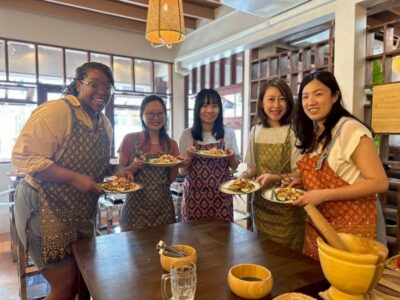
I especially love two things: the market walk where you pick ingredients like a local, and the way the class helps you actually cook, not just watch. You’ll work at your own cooking station and learn how to adjust flavors and spice to your taste, with instructors like Mei and Matinee (names show up in past groups).
One possible drawback: there’s no hotel pickup, and the market area can be wet and muddy, so you need sturdy closed shoes and a plan to arrive on time.
In This Review
- Key things to know before you go
- Thai Cooking Class With Market Visit: Why this Bangkok food day feels real
- Meeting up at Maliwan: getting there without stress
- The tuk-tuk market run: shopping like a Thai cook
- How the cooking class flows once you’re in the kitchen
- Spice and flavor: you don’t have to guess
- Dietary requests: plan to communicate early
- What you’ll cook: classic dishes, practical methods
- The value question: why $43.86 can make sense
- Timing, group size, and what to expect in real life
- Small details that make a difference (and save your trip)
- Who this class is best for
- Should you book Thai Cooking Class With Market Visit by Maliwan?
- FAQ
- How long is the Thai Cooking Class with Market Visit?
- Where does the experience start and end?
- What’s included in the price?
- Do they pick you up from your hotel?
- How big is the group?
- What should I wear for the market visit?
- What happens if I’m late?
Key things to know before you go
- Tuk-tuk to a local market: you shop for ingredients first, then cook them right after
- Small-group pace: max 7 travelers, with personal help when you get stuck
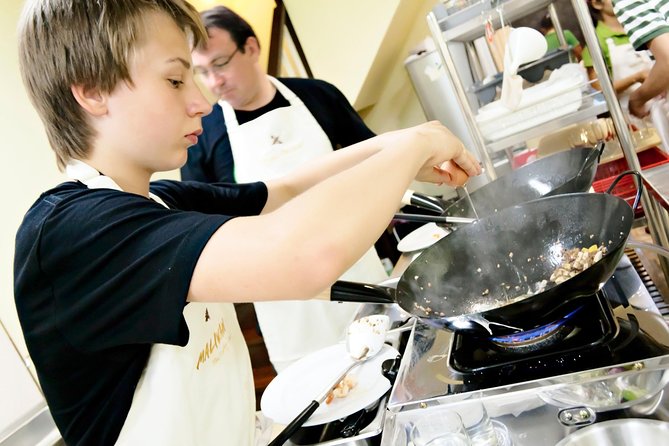
- Hands-on cooking stations: you blend, cook, and plate your own Thai dishes
- Recipes and an e-certificate: printed recipes plus an electronic completion certificate
- Menu is set by the instructor: you won’t choose dishes in advance
Thai Cooking Class With Market Visit: Why this Bangkok food day feels real
If you’ve ever eaten Thai food in Bangkok and thought, I can taste the difference, this is the kind of class that teaches you why. The market part isn’t just a photo stop. You’re learning how Thai cooks think: what to buy, how to choose, and how small ingredient choices shape the final dish.
At this 4-hour experience in Bangkok, you start at Maliwan Thai Cooking Class (9 Thanon Sap Sam Hang, Taladyod, Phra Nakhon, 10200). From there you head out by tuk-tuk to a nearby market, then return to cook. It’s a compact format that still covers the two most important steps: shopping like a local and cooking with guidance.
You’re also not stuck in a huge crowd. The class caps at 7 travelers, and that matters. When the instructor can see what you’re doing, you learn faster—and you’re more likely to get the details right (cut sizes, heat control, balancing sweet-sour-salty, and that all-important spice calibration).
You can also read our reviews of more shopping tours in Bangkok



Meeting up at Maliwan: getting there without stress
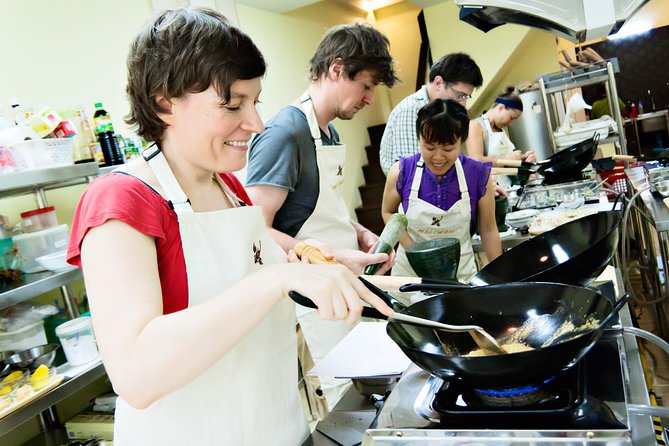
This class starts and ends back at the meeting point, so you’ll handle your own transit. There’s no hotel pickup or drop-off, but the location is near public transportation, which helps a lot in a city with traffic. If you’re coming from central areas, it’s often easier to mix transit modes than to rely on one car ride.
Practical tip: plan to arrive early enough that you’re not rushing once you spot the kitchen. The experience is strict about timing. Arriving an hour late can mean a no-show, and you won’t join the rest of the class.
Also, you’ll get a mobile ticket, so have it ready on your phone before you leave. That saves time when you’re checking in.
The tuk-tuk market run: shopping like a Thai cook
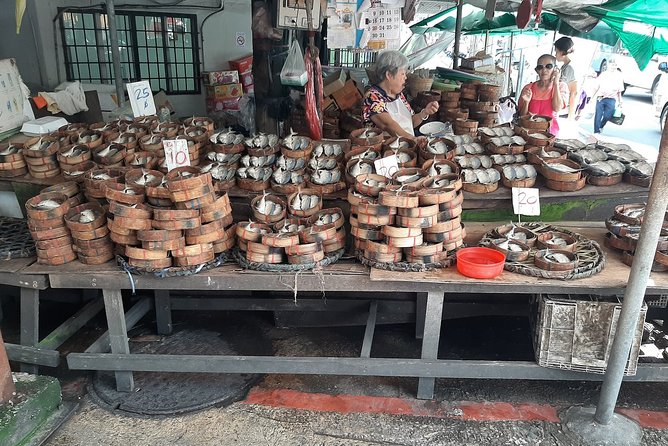
The market visit is the heart of the day. You’ll walk through stalls with your instructor, choose ingredients, and learn what matters. In past groups, instructors like Mei and Matinee have explained ingredients, including how they’re processed and why certain choices show up more in Thai kitchens than the same product you might find in other countries.
Here’s what makes this market stop valuable beyond the novelty:
- You learn selection skills, not just ingredient names. Thai cooking depends on fresh aromatics, sauces, and pastes that taste different depending on brand, age, and how they’re stored.
- You pick ingredients once, then cook them immediately. That tight loop helps the lesson stick.
One thing to know: the market area can be wet and muddy, so bring the right footwear. Sturdy, closed shoes that you don’t mind getting dirty are a must. This isn’t the kind of activity where sandals or delicate shoes work well.
How the cooking class flows once you’re in the kitchen
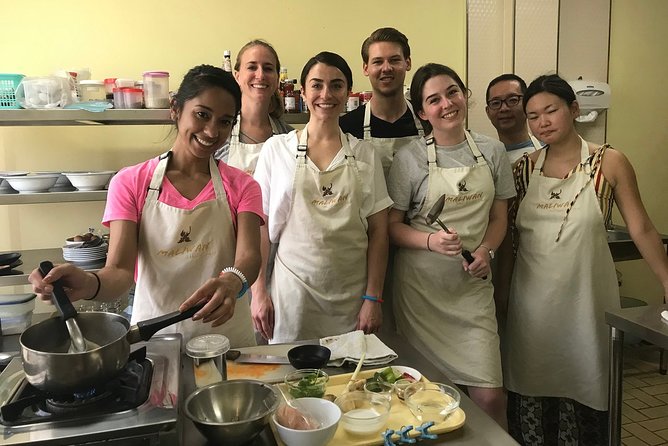
Back at the school, you’ll cook in a clean, organized setup with all ingredients and equipment provided. You also get a welcome drink and you’ll have rice serving as part of the meal.
What stands out in the way this class is run is the structure. Your instructor demonstrates, then you cook. In many past sessions, groups have described a smooth workflow: one dish at a time, with the instructor and assistants keeping things moving so you don’t feel lost or stuck waiting.
You’ll work at a personal cook station. That’s key for learning. It’s one thing to watch someone make a curry. It’s another to chop, measure, stir, and adjust while someone can answer your questions in real time.
Spice and flavor: you don’t have to guess
Thai food can be spicy, but “spicy” isn’t one fixed number. A big plus in this class is that you can customize your recipes. You’ll learn how to adjust flavors to your taste, including balancing heat, sourness, sweetness, and saltiness.
If you’re cautious about spice, tell your instructor early and watch for how they guide you while tasting. If you like heat, ask how they recommend pushing it without making the dish harsh.
You can also read our reviews of more tours and experiences in Bangkok




Dietary requests: plan to communicate early
The operator asks you to share dietary restrictions (like vegetarian, vegan, gluten-free, or allergies) within 2 hours of booking. Last-minute changes may not be possible. In reviews, people have reported vegetarian swaps and help with allergy needs, but the safe move is to message your restrictions promptly after booking so the team has time to adjust.
What you’ll cook: classic dishes, practical methods
You won’t get to choose the menu in advance. The dishes are decided by the instructor prior to your travel date. That’s not a downside—it’s usually a sign the class is designed around reliable ingredient availability and a teachable sequence of flavors.
Across past groups, people have reported cooking around four to five dishes. Either way, you’ll leave with the skills to reproduce them at home, because the emphasis isn’t just on the final plate. You learn methods and ingredient roles:
- how Thai sauces and pastes behave in heat
- how aromatics build flavor fast
- how to taste and adjust rather than follow a rigid formula
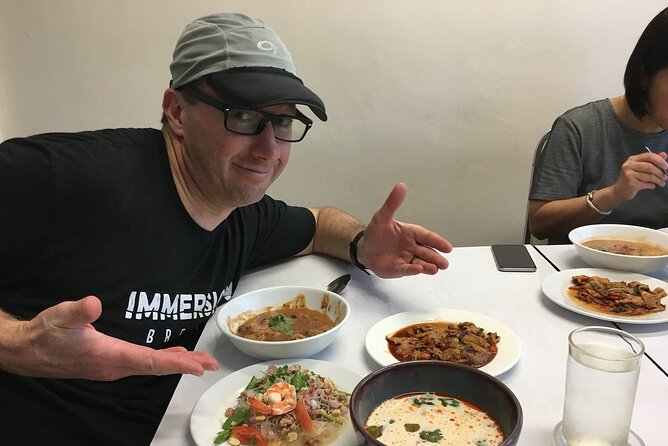
And yes, the food you make is part of the experience. It’s not a cooking demo that ends in empty plates. You eat what you cook.
The value question: why $43.86 can make sense
At $43.86 per person for about 4 hours, this isn’t priced like a big fancy private chef. It’s priced like a hands-on lesson with included market shopping and a full teaching setup.
The value comes from multiple pieces that you’d otherwise pay for separately:
- market time with guidance (so you know what you’re buying)
- transport by tuk-tuk between market and class
- ingredients, equipment, and printed recipe sheets
- the meal you cook and eat
- an e-certificate of completion
In plain terms: you’re paying for learning plus ingredients plus logistics. If you care about taking something home you can recreate, this usually feels like a good deal.
Timing, group size, and what to expect in real life
This experience runs roughly 4 hours, and it stays compact because it’s built around the market-to-kitchen rhythm. The market segment plus cooking time means you’ll be active for most of the class. Wear clothes you can move in.
Group size is small—max 7 travelers—so you won’t be waiting for long turns. That also means instructors can troubleshoot mistakes on the spot, whether it’s thickness, seasoning balance, or knife work.
One more practical note: the class isn’t recommended for participants with back/legs problems. You’ll be standing and working at a station during prep and cooking.
Small details that make a difference (and save your trip)
A few things are worth taking seriously because they affect comfort and learning:
- Wear shoes you can get dirty. The market can be wet and muddy.
- Arrive on time. Being an hour late can mean no participation.
- Bring a flexible mindset about the menu. You’re learning technique, not selecting from a restaurant menu.
- If you have allergies or strict diets, communicate quickly after booking.
Also, the school setup includes an air-conditioned space for eating in some groups, and several people have mentioned a calm, pleasant atmosphere while enjoying the dishes you made.
Who this class is best for
This is a great match if you:
- love Thai food and want to understand what makes it taste Thai
- want market context, not just cooking instructions
- enjoy hands-on learning and tasting as you go
- prefer small groups where you can ask questions
It may not be ideal if you:
- need hotel pickup and door-to-door convenience
- have mobility limitations affecting standing and cooking work
- hate markets or don’t want to do the messy-shoes part
Should you book Thai Cooking Class With Market Visit by Maliwan?
I’d book it if you want a Bangkok food experience that’s more than eating. The market-to-kitchen format is the best part: you shop for ingredients, you learn what to look for, then you cook immediately with the help of an instructor and assistants.
With a small group cap and included ingredients, recipe sheets, and a full meal, the value is solid for the time you spend. Just go in prepared: wear the right shoes, arrive early, and message any dietary needs quickly.
If you want, tell me your dietary preferences (and how spicy you like food). I can help you decide what to emphasize when you join so you get the most out of the class.
FAQ
How long is the Thai Cooking Class with Market Visit?
The class is about 4 hours.
Where does the experience start and end?
It starts at Maliwan Thai Cooking Class, 9 Thanon Sap Sam Hang, Taladyod, Khet Phra Nakhon, Bangkok, and ends back at the same meeting point.
What’s included in the price?
It includes the market visit, rice serving, welcome drink, all ingredients and equipment, printed recipes, tuition fee, and an e-certificate of completion.
Do they pick you up from your hotel?
No. Hotel pickup and drop-off are not included.
How big is the group?
The maximum group size is 7 travelers.
What should I wear for the market visit?
Wear sturdy, closed footwear that you don’t mind getting dirty, since the market can be wet and muddy.
What happens if I’m late?
Arriving an hour late results in a no-show, and you won’t be able to participate for the rest of the class.