REVIEW · GRAND PALACE & TEMPLE TOURS
Private Tour to Grand Palace, Pho Temple and Arun Temple
Book on Viator →Operated by NocNoc Travel and Tours · Bookable on Viator
One good plan beats wandering. This private Bangkok tour strings together the city’s top religious sights—Wat Phra Kaew, the Grand Palace, Wat Pho, and Wat Arun—so you get the stories without the stress of figuring out logistics. I especially like how the route is paced for sightseeing over a half day, with time to actually look, not just pass through.
Two things I come away loving: first, the private licensed English-speaking guide adds context as you move, and I’m a sucker for guides who answer questions clearly. Second, the photography help stands out in the feedback, including guides like Angie who reportedly helped guests get their best shots.
The main consideration is that it’s a structured set of stops (about an hour each), so if you want to linger for long stretches or slow-walk every detail, you may feel a bit time-boxed. Also, the tour depends on good weather, which matters most around Wat Arun by the riverfront.
In This Review
- Key highlights worth your time
- The real value: a tight Bangkok temple route with time to breathe
- Wat Phra Kaew: Emerald Buddha context without the chaos
- The Grand Palace: why 1782 matters
- Wat Pho: the reclining Buddha and massage-school history
- Wat Arun: the Temple of Dawn and the 67-meter prang
- Transportation and comfort: why pickup and air-conditioning matter
- Guides like Nok, Victor, and Angie: what good guiding looks like
- Price and value: what you’re paying for (and what you’re not)
- Who this tour suits best
- Should you book this private Grand Palace, Wat Pho, and Wat Arun tour?
- FAQ
- FAQ
- What does the tour include?
- How long is the tour?
- Are admission tickets included?
- Does the tour offer hotel pickup?
- Is this tour really private?
- What stops are part of the tour?
- Is lunch included?
- Does it depend on weather?
- What is the cancellation policy?
Key highlights worth your time
- Private, guided route through Bangkok’s most iconic temple complex areas
- Admission fees included, so you avoid ticket-line detours
- Wat Pho plus traditional massage school context, not just the big Buddha photo stop
- Wat Arun’s 67-meter prang for strong skyline views and colorful spires
- Hotel pickup and drop-off (city center), with an air-conditioned ride
- Guides that pace well, with helpful photo framing and clear answers (seen in guides like Nok and Victor)
The real value: a tight Bangkok temple route with time to breathe
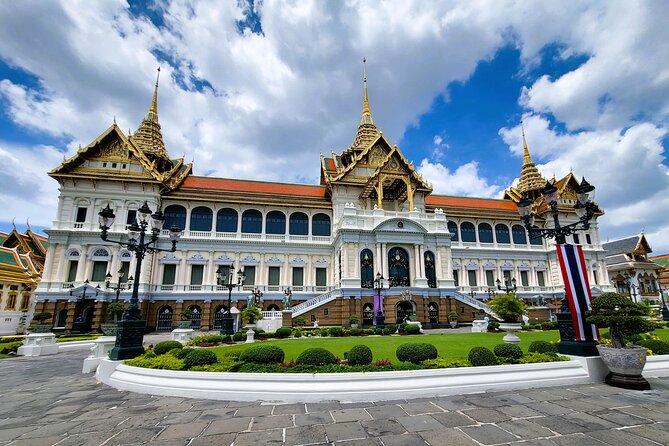
Bangkok temples can feel like information overload—gold leaf, symbols, crowds, and rules that change from place to place. What I like about this tour is that it tackles four headline stops in one go, with a licensed guide keeping you oriented and moving at a sensible pace. You get a clean “greatest hits” day without feeling like you’re sprinting across the city.
You’re also not on your own when it comes to entry. Admission tickets are included, which matters because Bangkok’s major temple areas can mean queues and timing friction. With tickets handled, you can focus on reading the signs, noticing details, and taking photos instead of managing logistics.
Finally, it’s private. That means the day can match your interests more easily—more questions, slower stops, fewer photo bottlenecks—without the social energy drain that sometimes comes with larger group tours.
You can also read our reviews of more private tours in Bangkok
Wat Phra Kaew: Emerald Buddha context without the chaos
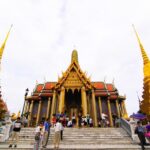
The day starts at the Temple of the Emerald Buddha, or Wat Phra Kaew, inside the area most people think of when they picture the Grand Palace complex. This is the home of Thailand’s most important Buddha image, enshrined inside the ordination hall. The key detail I’d keep in mind is that the famous Emerald Buddha isn’t actually cast from emerald stone; it was cast from high-quality material (so the nickname is more about identity than literal stone).
What makes this stop valuable on a guided tour is how the guide helps you connect what you see to what it means. You’re not just looking at a centerpiece statue; you’re learning how the space is organized around worship and authority. And because you’re early in the day, you’re more likely to get comfortable time to watch people at prayer and notice how the site functions as a living religious space.
One practical upside: the tour builds from Wat Phra Kaew into the broader palace area, so the morning sets the political and spiritual context before you start snapping photos nonstop.
Potential drawback: since this stop is about an hour, you’ll want to be ready to prioritize. If you love long, quiet temple time, you might wish there were extra minutes for slow viewing.
The Grand Palace: why 1782 matters
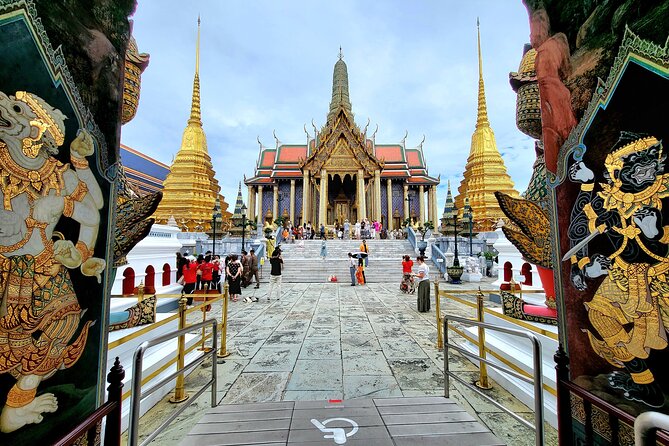
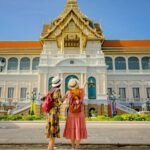
Next up is the Grand Palace, tied directly to the founding era of Bangkok. The palace was constructed when Bangkok’s new dynasty began—specifically in 1782, when King Rama I ascended the throne and established the new royal court. It’s one of those places where the architecture is a headline, but the real payoff is understanding why it was built the way it was.
On this tour, you should expect more than “pretty building” explanations. The guide’s job is to help you read the site: what’s royal space versus sacred space, and how the palace and nearby temple areas relate to each other. That context can turn a photo-heavy stop into something you actually remember.
The Grand Palace is also where your camera work can really pay off. With a guide helping you move efficiently, you can capture angles without backtracking and losing your spot in the flow.
One thing to know: this stop is also around an hour, so the best strategy is to pick a few must-see viewpoints and let the rest be bonus discoveries. If you try to photograph everything equally, you’ll end up rushing your own eyes.
Wat Pho: the reclining Buddha and massage-school history
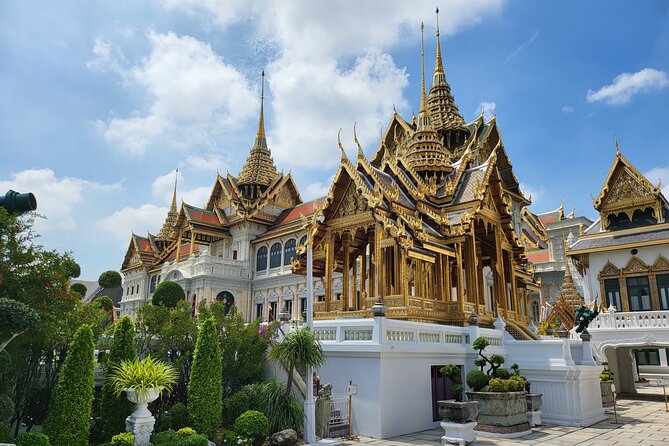
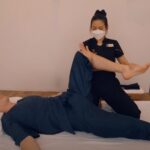
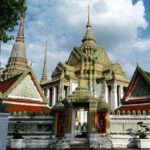
Then comes Wat Pho, famous for the giant reclining Buddha and for being tied to Thailand’s traditional massage education. The tour includes time at Wat Pho (the Reclining Buddha Temple), and it also specifically calls out that Wat Pho is home to Thailand’s first school of traditional massage. That’s a useful framing because it positions the site as both sacred and practical—spiritual culture and body culture sharing the same address.
Another neat historical note you may hear from your guide: there’s no single clear origin date for when Wat Pho was first built, but the temple is believed to have existed for over 300 years before the founding of the capital of Thonburi. Even if you don’t chase dates like a historian, hearing that kind of timeline helps you understand why Wat Pho feels layered—old roots, evolving practice.
Here’s what I think you’ll enjoy most: the reclining Buddha is one of those sights that looks different depending on where you stand. With guidance, you can choose viewing spots and understand why certain areas matter. You’ll also have the chance to notice decorative details and the temple’s everyday rhythm—people moving with purpose, not just tourists taking one look and leaving.
A practical note: this is one of the stops where you may be most tempted to wander. The tour timebox means you’ll get a taste, not an all-day dig. For many visitors, that’s exactly right—because your day still has Wat Arun at the end.
Wat Arun: the Temple of Dawn and the 67-meter prang
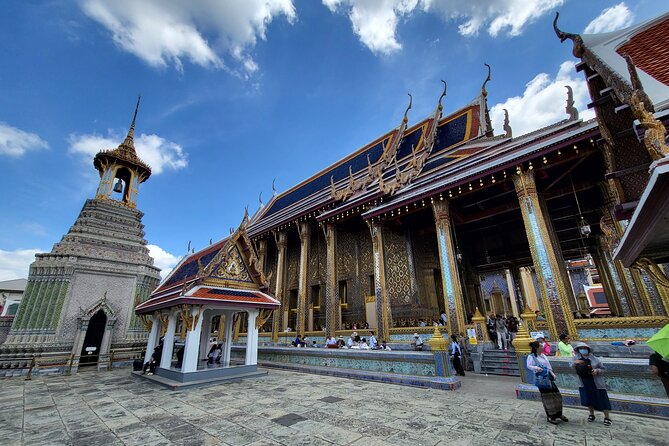
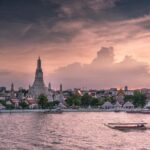
The final major stop is Temple of Dawn, or Wat Arun. If Grand Palace feels like power and Wat Pho feels like spiritual tradition, Wat Arun has a more visually “instant” personality. It’s described as the landmark of Bangkok, with a highest prang tower rising to 67 meters.
What makes Wat Arun worth the last part of your route is the way it photographs. Those colorful surfaces and porcelain-like detail patterns pull your attention in layers. From a planning perspective, timing can matter for views, and this tour keeps you moving so you arrive with enough time to see the space properly rather than sprinting in for one quick picture.
On a guided private format, you also get a better explanation of how Wat Arun’s architecture communicates meaning—why it looks the way it does, and what the tower represents in the site’s identity. That turns Wat Arun from a cool skyline scene into a cultural stop with real takeaways.
Weather note: since the tour requires good weather, Wat Arun can be especially affected. If conditions are bad, the operator may shift your date or refund—so it’s worth choosing a day when Bangkok skies cooperate.
Transportation and comfort: why pickup and air-conditioning matter
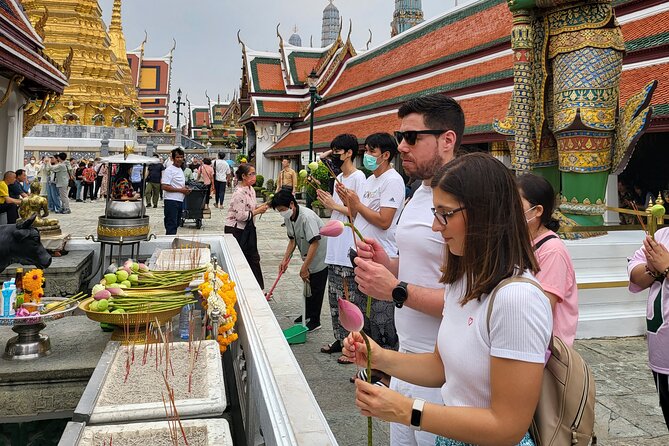
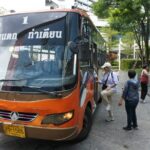
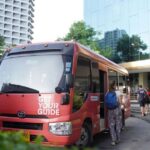
This is built as a half-day comfort-focused tour. You get pickup and drop-off at your hotel if it’s in the city center, and you travel by private vehicle if you book that option for transport. Even if you’re not picky, air-conditioned transport is a big deal in Bangkok—temple touring adds up fast, and heat can drain your energy before you’ve finished enjoying the sights.
It also helps that the tour includes bottled water. In a day that’s mostly walking and standing, that small inclusion becomes a real morale boost.
Another detail I appreciate: accident insurance is included. It’s not something you’ll think about until you need it, but it’s part of the “grown-up” feel of the experience.
Guides like Nok, Victor, and Angie: what good guiding looks like
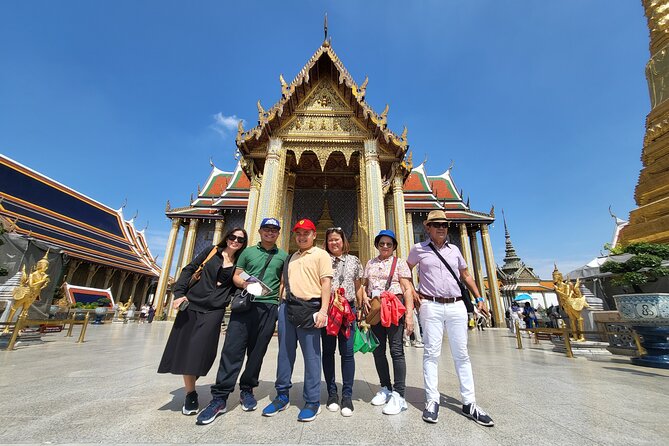
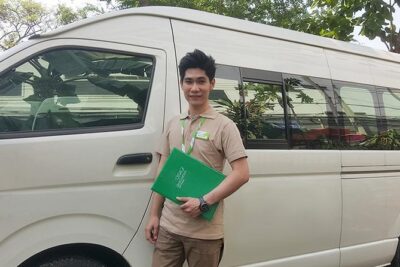
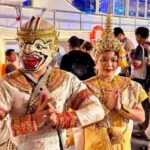
One of the strongest themes in the feedback is guide performance. Guests highlighted guides such as Nok and Victor for being informative and for knowing how to keep the tour moving. I also saw a mention of Angie as a standout guide—especially for taking the best photos during the tour.
That combination—history plus practical execution—is what makes a private temple tour feel worth the money. A guide who can answer questions makes the temples stick in your brain. A guide who also understands where to stand for pictures helps you come home with images you’re actually proud of.
Pacing matters too. Feedback notes that the tour moved at a good pace and included smart transitions between stops. In a route like this, that pacing is the difference between a calm day and an exhausted one.
Price and value: what you’re paying for (and what you’re not)
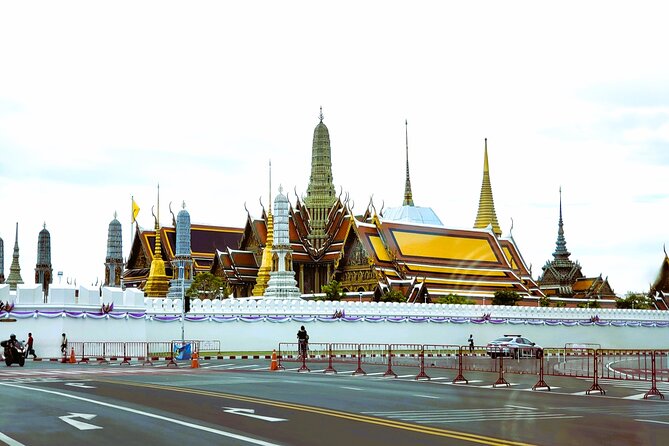
At $131 per person for a 5–6 hour private tour, the price can look high at first glance. But you’re not only paying for a car and a guide. You’re also paying for admission fees at the key stops, plus pickup and drop-off (when you’re in the city center), bottled water, and accident insurance. Those add-ons can easily become budget line items if you plan everything separately.
The “value sweet spot” here is for first-time Bangkok visitors who want the big sights without spending half their day sorting tickets, entry rules, and transit. If you’re the kind of traveler who enjoys learning while walking, the included guide service turns the day into more than photo ops.
What isn’t included is also useful to know. Lunch and drinks are optional, gratuities for the guide and driver aren’t included, and a canal tour isn’t part of this package. So plan to handle food on your own if you need it, and treat tips as a separate choice.
One more practical angle: the tour offers mobile tickets and group discounts. Even though it’s private, those elements can help the logistics stay smooth if you’re booking as part of a small group.
Who this tour suits best
This private tour fits best if you want a focused Bangkok day without turning your trip into a logistics project. It’s ideal for:
- First-time visitors who want the Grand Palace + top temples in one half day
- People who prefer a licensed English-speaking guide to translate context into something you can remember
- Travelers who care about photos and want help getting the right angles and timing
- Anyone who would rather pay for convenience than spend time assembling tickets and route plans
If you’re traveling with someone who gets bored by long museum-style narration, this tour’s stop-and-go format can be a good compromise. You get explanations, then you get visuals.
Should you book this private Grand Palace, Wat Pho, and Wat Arun tour?
I’d book it if you want an efficient, high-impact Bangkok culture day. The tour’s best strength is that it pairs major landmarks with a guide who can answer questions and help you move smoothly between sites. With admission fees included and hotel pickup (for city-center stays), it’s a low-friction way to see the icons.
Skip or reconsider if you want an unhurried, do-everything-exactly-as-I-feel kind of day. Because the schedule is built around set time at each stop, you may feel constrained if your ideal sightseeing style is “stay until you’re done.”
If you’re visiting Bangkok for a limited time and you want the temples that matter most, this is the kind of private tour that saves energy and turns your day into a real story.
FAQ
FAQ
What does the tour include?
It includes hotel pickup and drop-off (if your hotel is in the city center), a professional licensed English-speaking guide, private vehicle transport if you book private transport, admission fees, bottled water, and accident insurance.
How long is the tour?
The duration is about 5 to 6 hours, and that total includes travel time.
Are admission tickets included?
Yes. Admission fees are included for the stops on the tour.
Does the tour offer hotel pickup?
Yes, pickup and drop-off are included if your hotel is in the city center.
Is this tour really private?
Yes. It’s a private tour/activity, and only your group participates.
What stops are part of the tour?
The tour includes Wat Phra Kaew (Temple of the Emerald Buddha), the Grand Palace, Wat Pho (Temple of the Reclining Buddha and traditional massage school), and Wat Arun (Temple of Dawn).
Is lunch included?
No. Optional lunch and drinks are not included.
Does it depend on weather?
Yes. The tour requires good weather. If it’s canceled due to poor weather, you’ll be offered a different date or a full refund.
What is the cancellation policy?
You can cancel for a full refund up to 24 hours in advance of the experience start time. If you cancel less than 24 hours before, the amount paid is not refunded.