REVIEW · COOKING CLASSES
Bangkok: Thai Cooking Class and Onnuch Market Tour
Book on GetYourGuide →Operated by Pink Chili Thai Cooking Class Bangkok · Bookable on GetYourGuide
Fresh noodles and fresh spices are a winning combo. This half-day Bangkok experience pairs a trip to Onnuch Market with hands-on cooking at Pink Chili Thai Cooking School, so you’re not just learning recipes—you’re picking ingredients that match the flavors you want. I like the clear structure: you shop, return, cook, then sit down to eat your work with a small group of fellow food lovers.
Two things I really like: you cook 4 dishes in one session (Pad Thai, papaya salad, Thai curry, and mango sticky rice), and the market stop helps you understand what fresh really means. You’ll get guidance as you choose vegetables, spices, and herbs, then use what you bought back in the classroom.
One consideration: this is tight timing. You meet at the cooking school and then head to the market, and if you’re late, you’ll likely miss that market tour, which is a big part of the value.
In This Review
- Key things you’ll notice
- Onnuch Market First: Picking Ingredients That Actually Taste Right
- Pink Chili Thai Cooking School: Classroom Comfort and a Fast, Focused Flow
- The Four Dishes: What You Cook and Why Each One Matters
- Pad Thai: The Noodle Dish That Shows Your Spice-Sweet Balance
- Papaya Salad: Fresh, Crunchy, and All About Contrast
- Thai Curry: Where Spices, Herbs, and Comfort Food Meet
- Mango Sticky Rice: The Dessert That Makes the Meal Feel Complete
- What You Learn About Thai Spices and Herbs (Without the Fancy Talk)
- The Ending Meal: Eating Around a Table With Your Own Results
- Price and Value: Is $43 a Fair Deal for a Half-Day?
- Timing and Punctuality: How to Not Miss the Market Part
- Who This Tour Fits Best (And Who Might Want Something Else)
- Should You Book This Bangkok Thai Cooking Class and Onnuch Market Tour?
- FAQ
- Where is the meeting point for the class?
- What time are the morning and afternoon classes?
- How long does the experience last?
- How many dishes do you cook?
- Is the class offered in English?
- How big is the group?
- Are ingredients and equipment included?
- Is alcohol included?
- What’s included for drinks during the class?
Key things you’ll notice
- Onnuch Market shopping: you select ingredients with teacher guidance before you cook
- Four classic Thai dishes: Pad Thai, papaya salad, Thai curry, and mango sticky rice
- Small group setup (up to 8): easier questions and hands-on help
- You taste what you made: a shared meal at the end of the class
- A fresh menu daily: the dishes follow the theme, but the exact menu can vary
Onnuch Market First: Picking Ingredients That Actually Taste Right
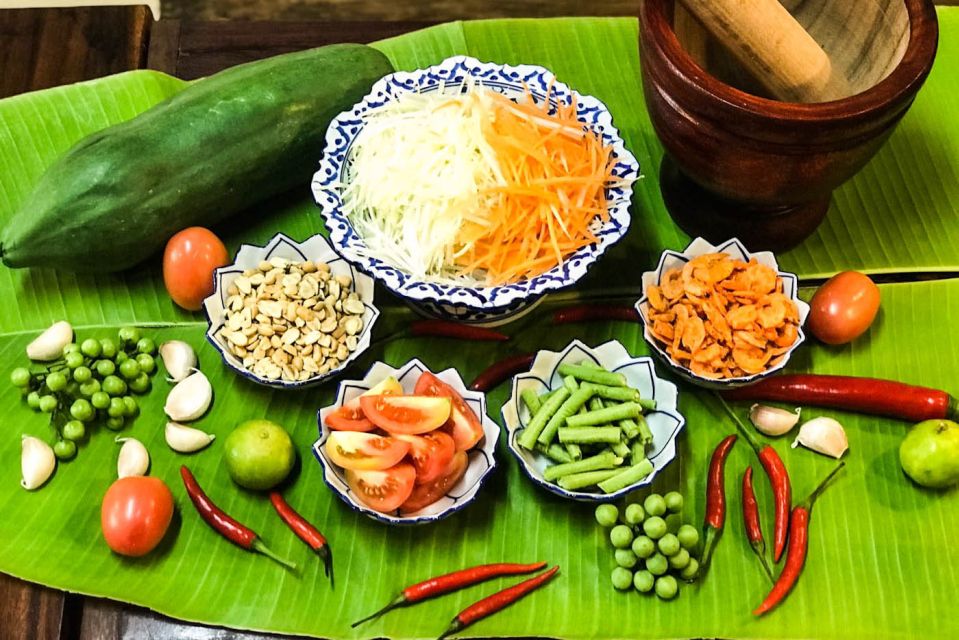
The tour starts with a simple idea that makes a real difference: learn Thai cooking by shopping like a cook. After meeting at Pink Chili Thai Cooking School, you head to Onnuch Market to gather supplies for dinner. It’s the part of the day that turns recipes from something you read into something you can recognize by smell, texture, and ripeness.
In a class like this, most of the “how” depends on what ingredients you’re holding. You’ll walk through the market with your teacher and learn how to choose vegetables, spices, and herbs so they match the dish you’re making. That means you’re not guessing later when you see the same ingredients in a Thai market back home.
You also get an insider advantage: the guidance is tied directly to what you’ll cook back at the school. So when you pick ingredients, you’re building toward specific outcomes—balanced flavors, better freshness, and less trial-and-error.
You can also read our reviews of more shopping tours in Bangkok

Pink Chili Thai Cooking School: Classroom Comfort and a Fast, Focused Flow
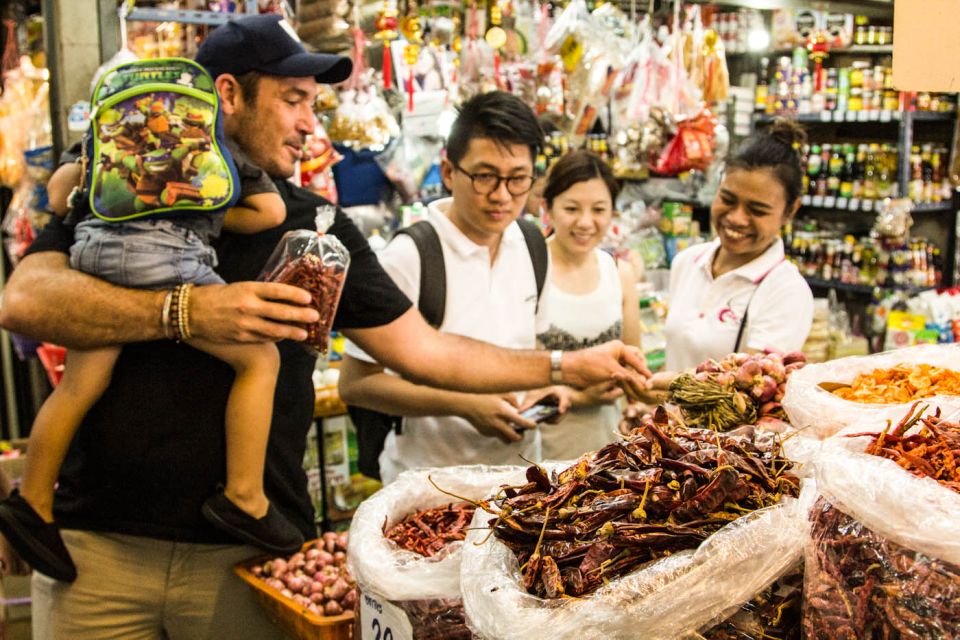
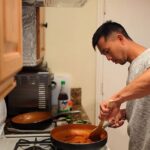
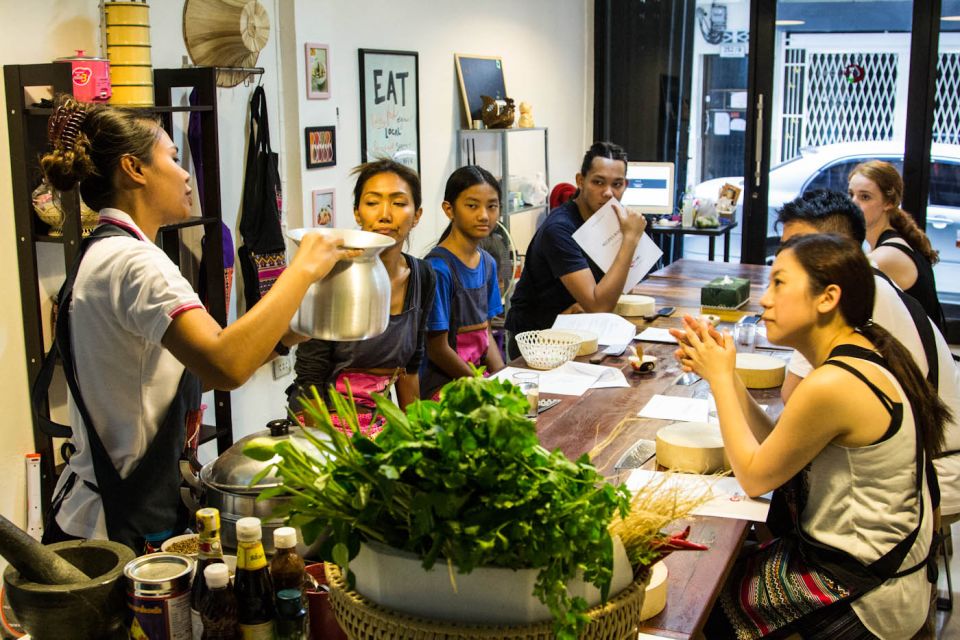
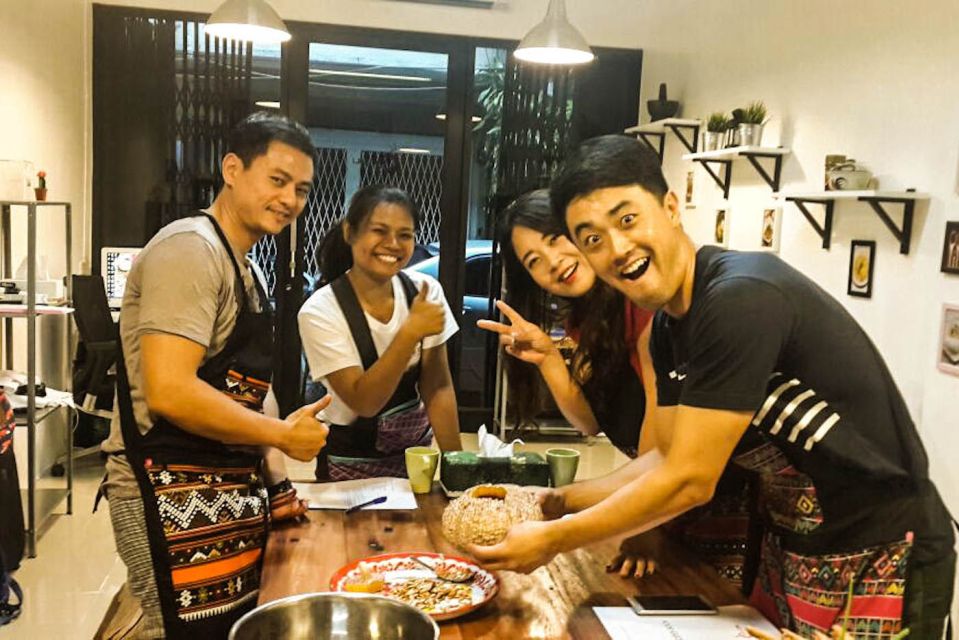
Once you return to the cooking school, the tone shifts to action. You’ll use the provided cooking equipment and ingredients (plus the items you chose at the market) to start cooking your meal. The group stays small—limited to 8 participants—so it doesn’t feel like you’re waiting on a crowd or watching from the sidelines.
One smart detail here is that the class is structured around results. You’re cooking four dishes in about four hours total, which is intense but manageable when the teacher keeps things moving. I like that the focus stays practical: you learn what your ingredients are doing in the dish, then you use them right away.
There’s also unlimited tea, coffee, and water during the experience, plus Wi-Fi. That sounds small, but it helps if you’re arriving hungry from Bangkok traffic or you want to cool down between tasting and cooking.
The Four Dishes: What You Cook and Why Each One Matters
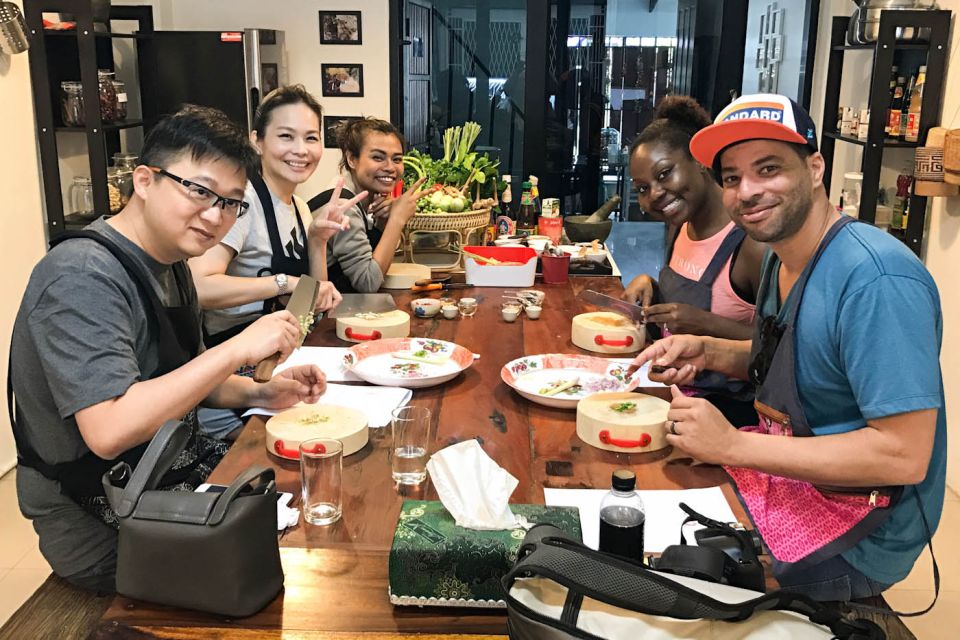
This is not a “watch and hope” class. You’ll cook four Thai favorites from scratch, using the ingredients you chose at the market. The menu is described as different every day, but the core set of dishes stays the same: Pad Thai, papaya salad, Thai curry, and mango sticky rice.
Pad Thai: The Noodle Dish That Shows Your Spice-Sweet Balance
Pad Thai is often the first Thai dish people try, but it can also be the one that reveals whether you understand Thai flavor balance. In this class, you’ll actually make it, which forces you to pay attention to how ingredients work together. It’s a great confidence builder because it’s a dish you’ll likely want to replicate later.
Since you’re cooking with teacher guidance, you’ll learn how your ingredient choices affect the final taste. And because you’re doing it alongside the other dishes, you’ll start noticing differences in how Thai cuisine uses herbs, seasonings, and textures.
Papaya Salad: Fresh, Crunchy, and All About Contrast
Papaya salad brings a totally different mood to the table. It’s known for combining crunch, acidity, and bold flavors, and the key is freshness. That’s exactly why the market step matters: you’re learning how ingredients you select translate into a salad that tastes bright, not flat.
As you cook it, you’ll be handling ingredients like vegetables, spices, and herbs that you bought at Onnuch Market. The class frames this as hands-on learning: use what you selected and understand why it belongs in that dish.
You can also read our reviews of more tours and experiences in Bangkok



Thai Curry: Where Spices, Herbs, and Comfort Food Meet
Thai curry is both comforting and dramatic. It can taste deep and aromatic, but it’s still built from specific ingredients—spices, herbs, and the vegetables you choose. This class includes curry as one of the four dishes, and the teacher helps connect what you bought in the market to what goes into the pot later.
This is one of the best parts for me because curry teaches you to respect ingredients. You can’t fake the flavor later with shortcuts if the base ingredients aren’t right, and you’ll feel that during cooking.
Also, since the menu can vary day to day, you might find the curry style changes depending on what the teacher has planned. The main lesson stays the same: correct ingredients lead to correct flavor.
Mango Sticky Rice: The Dessert That Makes the Meal Feel Complete
Mango sticky rice is the finish line. It’s sweet, fragrant, and the kind of dessert that makes Thai food memorable even for people who think they only like savory dishes.
In this class, you’ll cook the mango sticky rice at the end of the cooking session, turning your market picks into a dessert plate. It’s a satisfying way to end because you taste the entire arc of the meal: savory noodles, crunchy salad, warm curry, then sweet dessert.
What You Learn About Thai Spices and Herbs (Without the Fancy Talk)
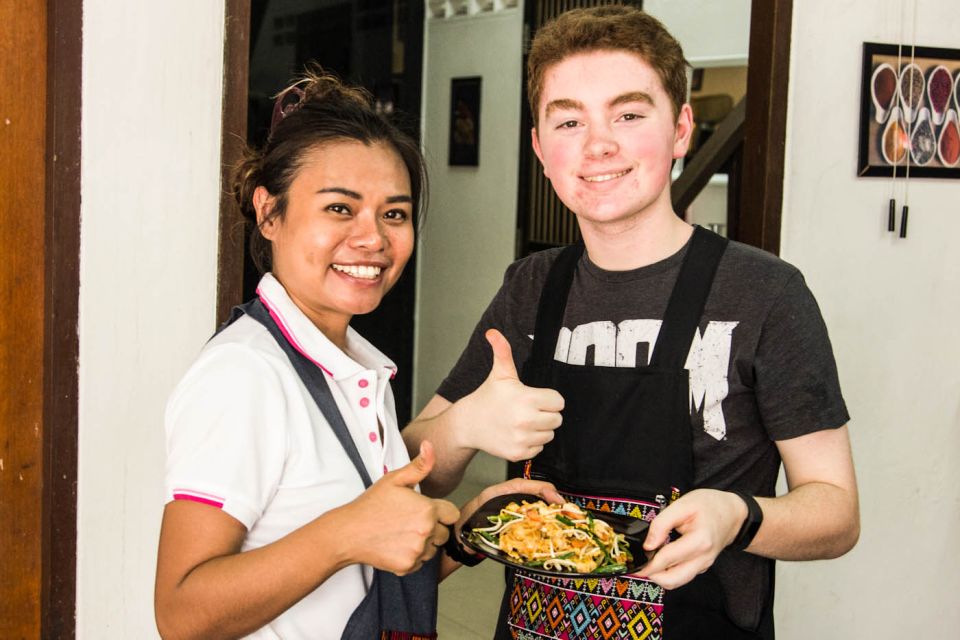
A huge part of value here is that the teacher doesn’t treat Thai cooking like mystery. You learn about the vegetables, spices, and herbs you purchased, and then you add them into the dishes you’re making. That’s more than a recipe lesson—it’s ingredient literacy.
From the strongest feedback people give about this experience, the class puts a lot of attention on small cooking details and stays friendly and helpful. That matters, because Thai cooking often depends on precise ingredient behavior. If you’re not told what to watch for, you can end up with a dish that looks right but tastes off.
So if you come in with limited Thai cooking knowledge, don’t worry. The market trip sets you up with context, and the classroom cooking gives you a chance to practice with guidance in a small group.
The Ending Meal: Eating Around a Table With Your Own Results
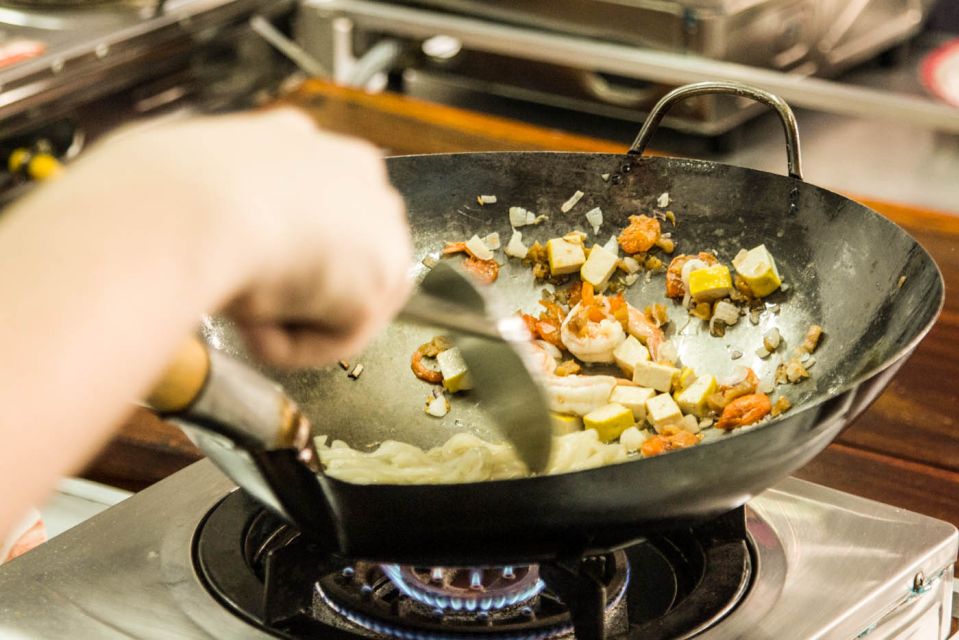
After cooking, you gather around a table and taste the dishes you created. This isn’t just dinner—it’s feedback built into the experience. You and your group can compare your impressions of the food, and you get to judge your results while everything is fresh.
I find that tasting right after cooking makes the lessons stick. You’re not remembering flavors from a cook-along memory. You’re tasting them hot, smelling them while they cool slightly, and connecting that taste to ingredients you chose earlier.
It also makes the day feel complete. For $43, you’re not paying just for a classroom; you’re paying for the full arc—market, cooking, and a shared meal with unlimited tea, coffee, and water.
Price and Value: Is $43 a Fair Deal for a Half-Day?
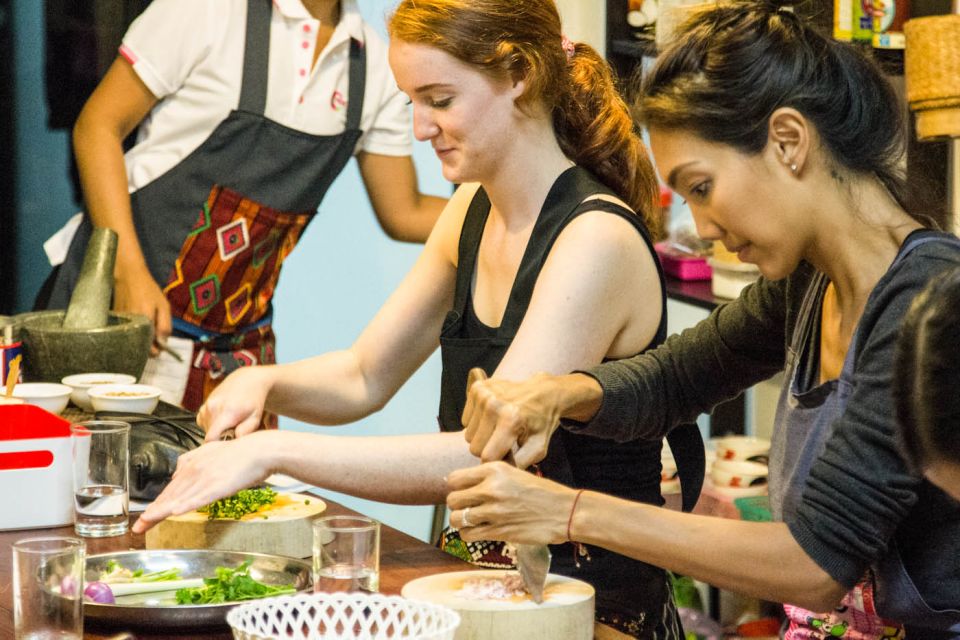
At about $43 per person for a four-hour experience, the value depends on what you expect. If you want entertainment, there are cheaper ways to spend half a day. If you want a hands-on Thai cooking outcome, plus ingredient shopping, it’s a strong deal.
Here’s what you’re actually getting in the package:
- Onnuch Market visit to pick your ingredients
- Cooking ingredients and equipment provided
- A cooking class that results in four dishes
- Unlimited tea, coffee, and water
- Wi-Fi during the experience
- Small group size (limited to 8) for help and questions
When you add those pieces up, you’re paying for guidance and structure, not just ingredients. Buying ingredients on your own is easy; learning how to choose them and use them well is the part that takes time. This format compresses that learning into one session.
Timing and Punctuality: How to Not Miss the Market Part
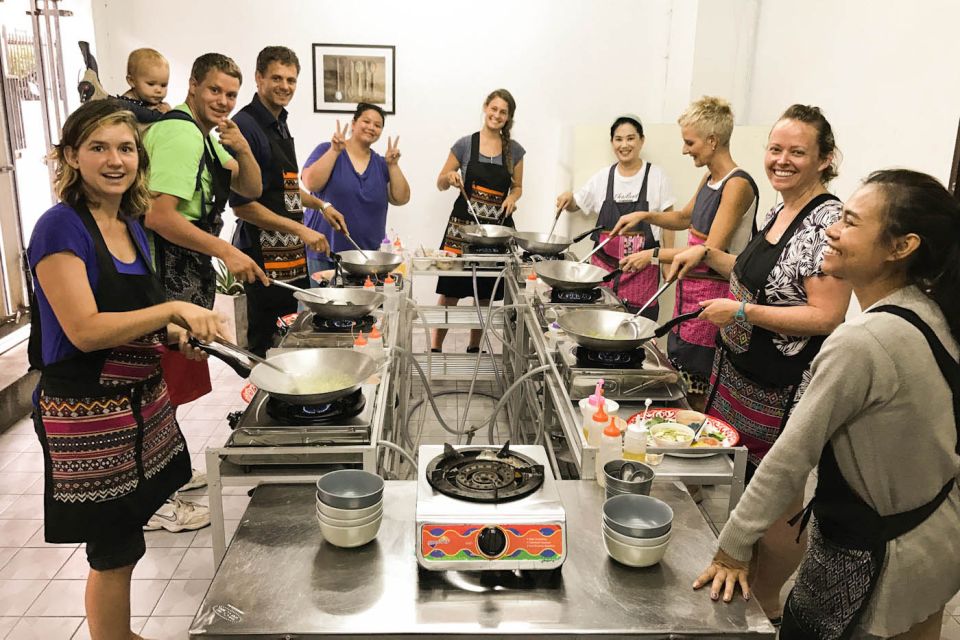
The experience runs for about four hours, and you need to be on time because the market is scheduled right after meeting. Morning classes start with a meeting time of 8:45am, and afternoon classes start at 1:45pm. The activity ends back at the meeting point.
The note about lateness matters: if you’re late, you’ll probably miss the market tour. And if you miss the market, you lose the best “why this recipe works” part of the day. So plan to arrive early enough to settle in and get ready to walk.
Who This Tour Fits Best (And Who Might Want Something Else)
This works great for:
- People who want a practical Bangkok Thai cooking class, not just a sightseeing stop
- Foodies who enjoy markets and want to learn selection skills
- Travelers who like small-group attention and asking questions
- Anyone who wants to cook four recognizable Thai dishes in one afternoon or morning
It might be less ideal if:
- You hate fast pacing or feel overwhelmed by cooking multiple dishes quickly
- You’re mainly looking for a long meal or a relaxed food crawl rather than a class format
- You want alcohol included (it isn’t included)
Should You Book This Bangkok Thai Cooking Class and Onnuch Market Tour?
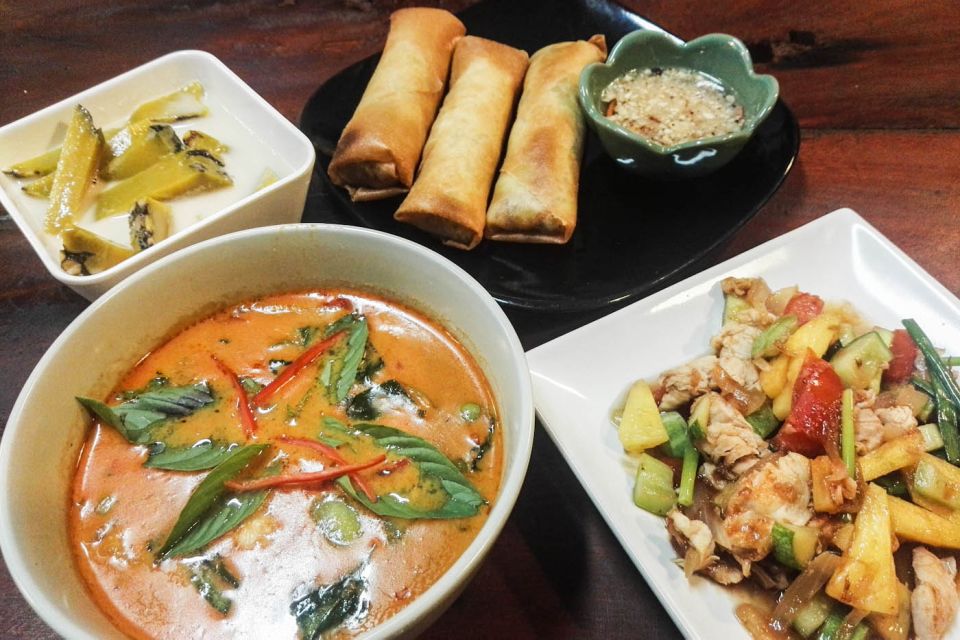
I’d book it if you want your Thai food trip to end with real kitchen skills. The market stop makes the class feel grounded and useful, and the small group size keeps the experience from turning into a passive show. Plus, you get to cook and eat four classics—Pad Thai, papaya salad, Thai curry, and mango sticky rice—using ingredients you picked yourself.
If you’re short on time and still want an authentic Bangkok food lesson, this is one of the best ways to spend it. Come hungry, show up on time, and focus on the ingredients your teacher points out—those are the things you’ll remember long after the meal.
FAQ
Where is the meeting point for the class?
You meet at the Pink Chili Thai Cooking School in Bangkok.
What time are the morning and afternoon classes?
Morning class meeting time is 8:45am, and the afternoon class meeting time is 1:45pm.
How long does the experience last?
It lasts about 4 hours.
How many dishes do you cook?
You cook 4 dishes: Pad Thai, papaya salad, Thai curry, and mango sticky rice.
Is the class offered in English?
Yes, the instructor teaches in English.
How big is the group?
The group is small, limited to 8 participants.
Are ingredients and equipment included?
Yes. Cooking ingredients and cooking equipment are included.
Is alcohol included?
No, alcoholic drinks are not included.
What’s included for drinks during the class?
You get unlimited tea, coffee, and water.