REVIEW · FLOATING & RAILWAY MARKET DAY TRIPS
Bangkok: Railway and Floating Market Tour with Dragon Temple
Book on GetYourGuide →Operated by DiscoverEase Tours · Bookable on GetYourGuide
Train tracks, then a market disappears. On this small-group day trip, I like the shock of Maeklong Railway Market changing in seconds when the train arrives, and I also like the boat-and-canal feel at Damnoen Saduak Floating Market. One thing to consider: both markets can get crowded, so your free time can feel tight at busy hours.
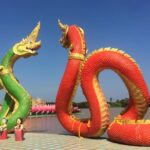
The finish is Wat Samphran Dragon Temple, the pink tower wrapped with a giant dragon you can climb. I like that it’s different from the usual Bangkok temple list, and the guide usually helps with practical timing and photo spots. The only real drawback is physical: there’s walking and climbing, and the tour isn’t a good match for limited mobility or people over 220 lbs (100 kg).
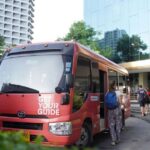
With a live English guide and air-conditioned transport, the day is built for convenience. You’ll also have 3 possible start points (Banglamphu Square, Chinatown, or Erawan Shrine) and corresponding drop-offs, which makes it easier if you’re staying in the city.
In This Review
- Key highlights you’ll feel fast
- Maeklong Railway Market: Watching vendors reset for the train
- Food tip while you’re here
- Damnoen Saduak Floating Market: A canal ride that feels more local
- What to expect with time and crowds
- Restroom reality
- Wat Samphran Dragon Temple: Pink tower, giant dragon, and a climb
- The one big caution: dress and entry
- Top-of-temple cost
- Physical fit matters
- The 7.5-hour flow: How the schedule keeps things moving
- Start and end points
- Group size
- Price and value: Why $16 can actually make sense here
- What’s not included
- Guides, comfort, and the details that make the day smooth
- Comfort check
- Your biggest enemy: crowd friction
- Who this tour fits best (and who should skip it)
- Not ideal if you:
- Should you book this one? My practical take
- FAQ
- How long is the tour?
- How much does it cost?
- What’s included in the price?
- What language is the tour guide?
- Where do I meet the tour, and where does it end?
- Is modest clothing required for Wat Samphran?
Key highlights you’ll feel fast
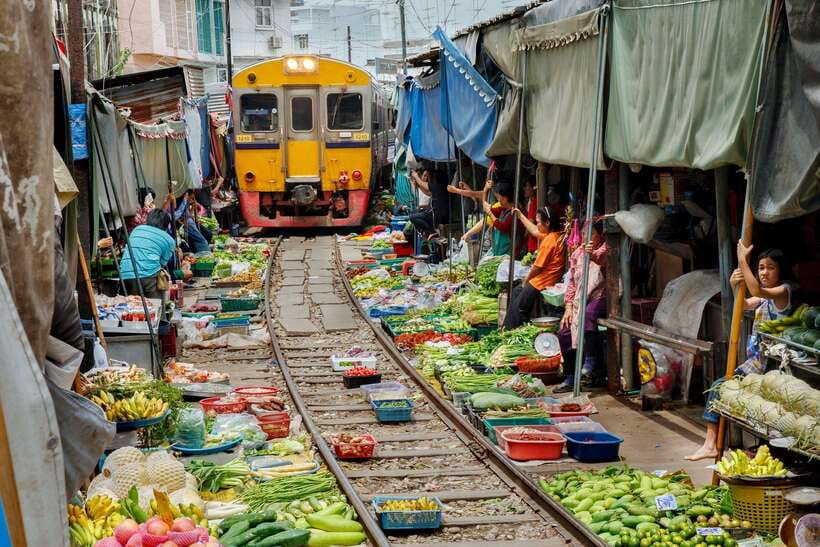
- Maeklong Railway Market: Vendors pull back quickly as the train approaches, turning the whole scene into a real-time spectacle
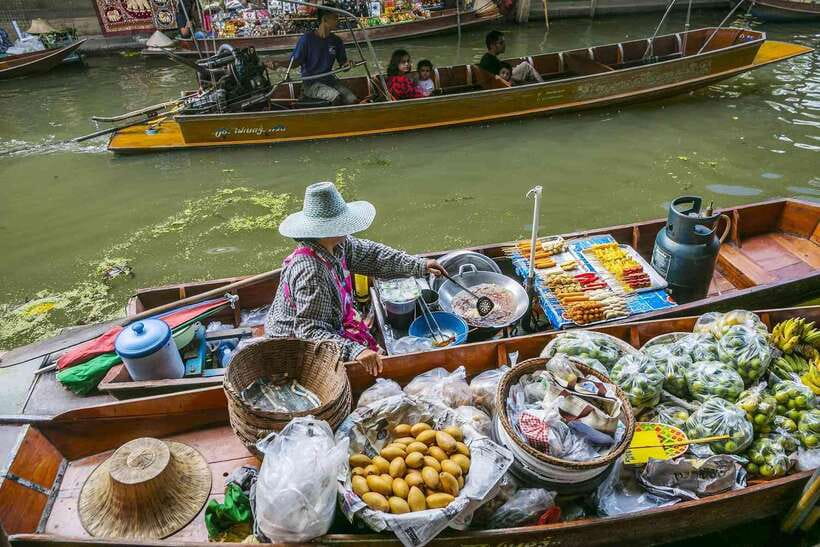
- Damnoen Saduak Boat Ride: You glide past floating stalls, with street food and goods right on the water
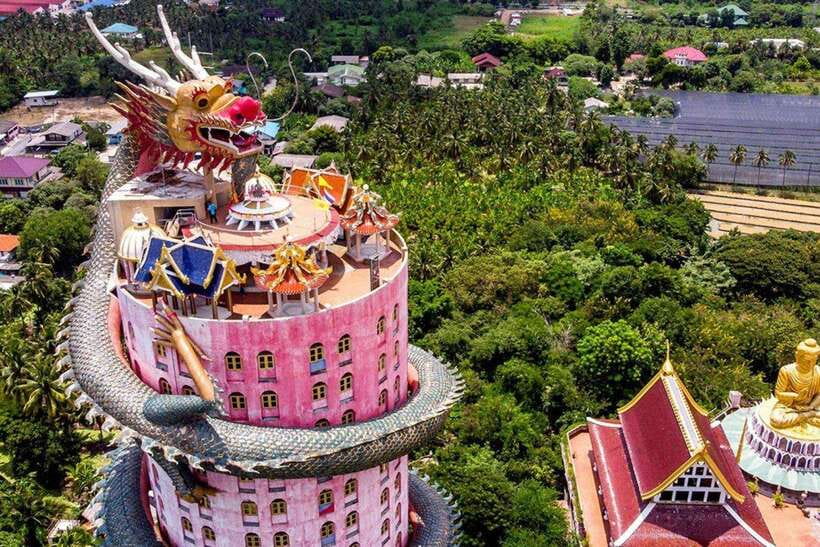
- Wat Samphran Dragon Temple: The pink tower plus dragon climb is a rare Bangkok-area temple experience
- Small group (max 12): Less chaos for photos, clearer instructions, and easier roaming time
- AC vehicle + English guide: Makes the long road trip outside the city far less tiring
- Guide support (often via WhatsApp): Many guests report clear meeting coordination and helpful answers
Maeklong Railway Market: Watching vendors reset for the train
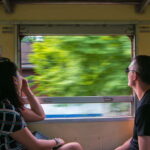
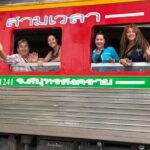
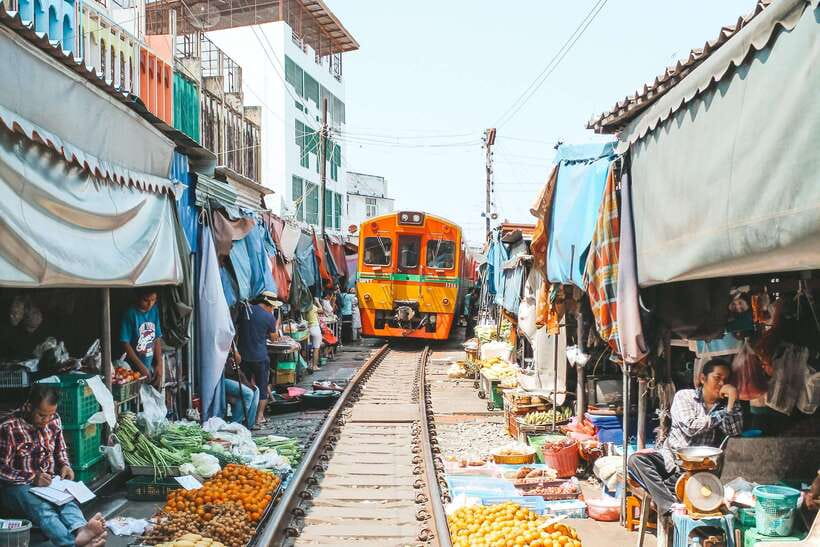
This is the kind of place you’ve seen on TV, but the real thing hits harder. At Maeklong, market life happens right next to the tracks. Stalls are arranged close enough that when the train comes, everything becomes a quick choreography: items get pulled back, sellers shift position, and the train cuts through the middle of the market scene like it owns the schedule.
I love this stop because it’s not just sightseeing. It’s a working rhythm you can watch unfold in minutes, and it helps you understand how Thai daily life can be flexible and pragmatic. You’re watching people adapt instantly, not performing for you.
The main practical consideration is crowds and movement. This market can get packed, and some areas feel narrow. So if your goal is shopping, go in with a plan: take a quick lap for sights first, then circle back for purchases before your group has to move on.
You can also read our reviews of more shopping tours in Bangkok
Food tip while you’re here
One small but useful tip from past guests: if you want snacks near the train, you may find better value a short walk away from the most obvious train-side food stalls. In other words, price can change fast block to block at market edges.
Damnoen Saduak Floating Market: A canal ride that feels more local
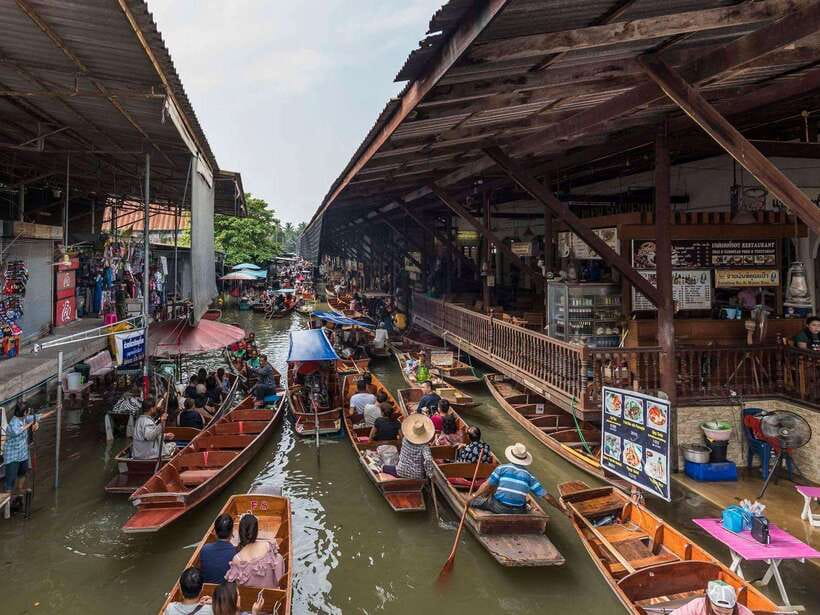
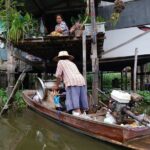
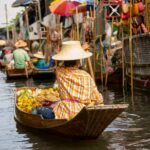
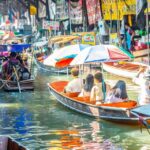
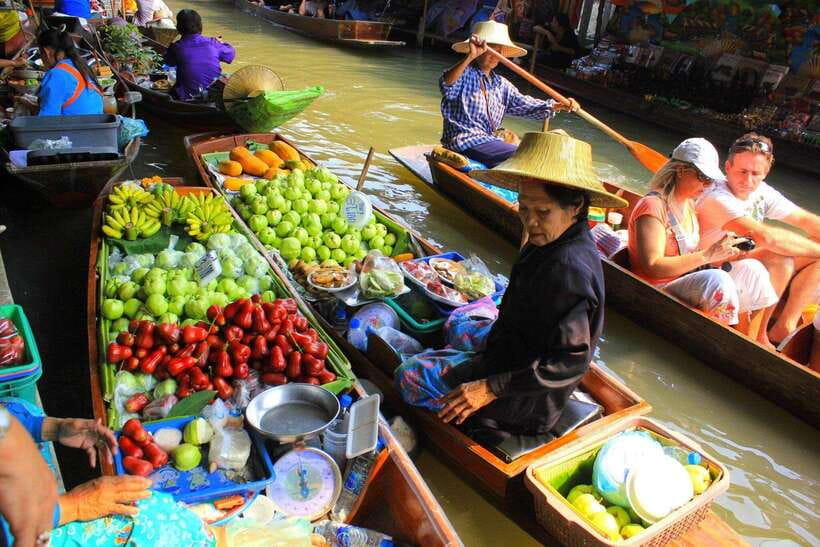
After Maeklong, the vibe changes. You go from tracks to water, and you’ll be on a traditional boat for the floating market experience. This is usually the easiest moment to relax, because you’re not fighting for space on foot the whole time.
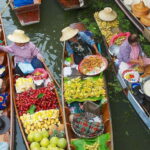
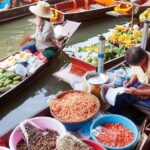
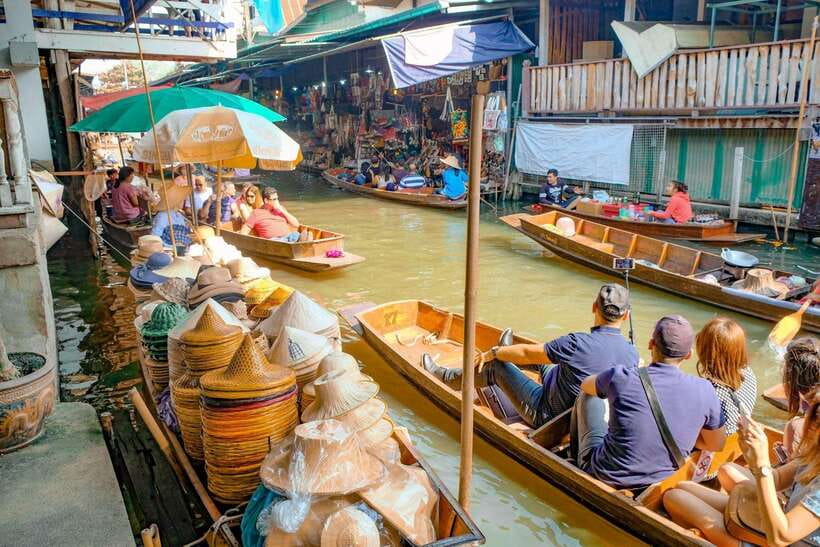
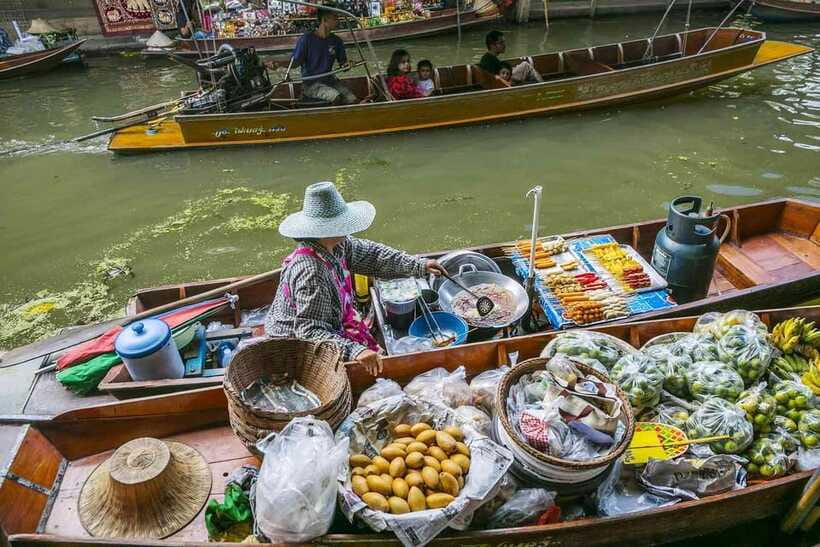
From the boat, you see vendors selling from small boats and you pass stalls that look like they were built for the canal. You also get that sense of how people actually live around waterways: goods move, conversations happen close to the waterline, and boats become the “storefront.”
I especially like that the included boat ride adds value. Without it, floating markets can feel like you’re just stuck on a pier watching other people. With the boat, you get different angles and a better chance to spot snacks and souvenirs as you glide past.
What to expect with time and crowds
Damnoen Saduak can be tourist-heavy, and the same is true for Maeklong. The schedule is fixed, so you won’t have infinite time to browse every boat. If you’re the type who likes to linger, keep your expectations realistic: you’ll get time to eat, shop, and wander, but you’ll want to move with purpose.
If you’re sensitive to motion, note that you’ll be transferring by vehicle on the road in addition to the canal ride. One practical suggestion from guest feedback: if the drive feels fast for you, try to sit toward the front of the vehicle when possible.
Restroom reality
Bathrooms aren’t always glamorous at markets. Past guests recommend being ready for quick access options and bringing small essentials like tissue. If you’re the kind of person who plans ahead, that simple habit makes the day smoother.
You can also read our reviews of more tours and experiences in Bangkok


Wat Samphran Dragon Temple: Pink tower, giant dragon, and a climb
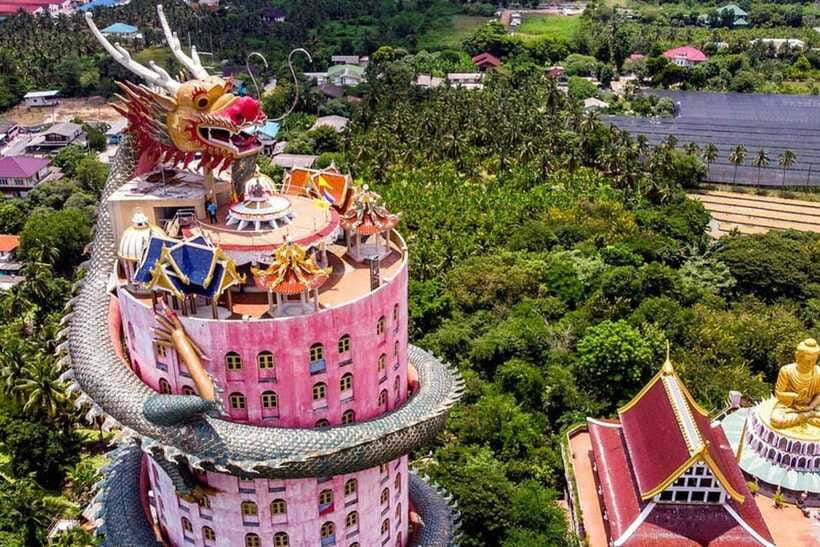
This is the stop that many people book for, mainly because it’s unusual. Wat Samphran (Wat Sam Phran, often written a couple ways) features a giant dragon wrapped around a tall pink tower. You can explore the temple grounds and climb portions of the dragon structure, which makes it feel more like an experience than a quick photo stop.
I like this temple because it shifts you from market noise to something quieter. The lighting and colors are great for photos, but the climb is what gives it personality. It’s also a reminder that Thai temples aren’t always just about gold statues and quiet halls. Sometimes they’re about story, structure, and symbolism you can physically move through.
The one big caution: dress and entry
This is a religious site. There isn’t a stated strict dress code, but short or revealing clothing can lead to being turned away. Bring practical coverage. Think lightweight shirt or top you can keep on, and clothing you feel comfortable climbing in.
Top-of-temple cost
A heads-up from guest experience: going to the top area can cost around 80 Baht. It’s not always front-and-center during booking, so treat it as a possible extra if you plan to climb all the way up.
Physical fit matters
This stop includes walking and climbing, and it’s not suitable for mobility impairments. Also, the tour isn’t recommended for people over 220 lbs (100 kg). If that includes you, you may still enjoy Wat Samphran at a distance, but this specific day trip may be the wrong format.
The 7.5-hour flow: How the schedule keeps things moving
The total duration is about 450 minutes (around 7.5 hours). That includes driving time plus visits. There’s also a sightseeing window of about an hour in the middle of the day, but the exact focus can vary depending on timing and how the route runs that day.
Here’s what matters for your planning:
- You’re doing three “outside Bangkok” style experiences, so you’ll spend a meaningful chunk of the day in transit.
- The pace is structured so you can see the train market, the canal market, and the temple without missing the train moment.
- Crowds can compress browsing time, especially at Maeklong and Damnoen Saduak.
Start and end points
You’ll pick one of three starting locations: Banglamphu Square, Chinatown, or Erawan Shrine. You’ll also return to one of those three drop-offs. Meeting point can vary depending on your booked option, so confirm where your guide wants to meet that day.
Group size
With a small group (up to 12 participants), you get a better balance than large coach tours. You’ll still have to keep up, but there’s usually more breathing room for photos and short wandering breaks.
Price and value: Why $16 can actually make sense here
At $16 per person, this tour is priced like a practical local deal, not a luxury day. What you’re really paying for is transportation, coordination, and guided access to three separate “it takes time to reach” stops.
Two built-in values matter most:
- Boat ride at Damnoen Saduak: That’s a big chunk of the floating market experience, and it would cost extra if you planned the day on your own.
- AC vehicle + English guide: Outside Bangkok logistics add up fast. A guide helps you avoid confusion, especially at crowded sites where your attention gets pulled in ten directions.
What’s not included
Lunch isn’t included, so you’ll be budgeting for food at the markets. Past guests say there are plenty of options, and it’s a great chance to snack your way through Thai flavors instead of committing to one expensive sit-down meal.
Donations at Wat Samphran aren’t included either. If you plan to climb and explore thoroughly, also keep a bit of cash handy for small temple-related costs. For some people, the top area fee becomes the practical extra.
Guides, comfort, and the details that make the day smooth
Many departures appear to run with different guides, and several names show up repeatedly: Nice, Oil, Nicky, Mild, Bonny, Su, Mia, Nok, and K. What ties their feedback together is consistent care: clear instructions, attention to timing, and help with photos.
You’ll often get good pre-arrival tips and direction once you’re there. A few guests mention WhatsApp contact for meeting coordination, which helps you feel organized from the start. People also praise guides for taking group photos or pointing out specific places for the best angles.
Comfort check
The vehicle is air-conditioned. Drivers are generally described as safe and efficient with timing. Still, it’s a road trip with some speed, and some guests recommend choosing a front seat if motion makes you uneasy.
Your biggest enemy: crowd friction
Even with a great guide, crowded markets can make you feel rushed. The fix is mindset: treat Maeklong as the train moment first, then do shopping second. For Damnoen Saduak, think “eat, look, then buy” rather than “shop like it’s a mall.”
Who this tour fits best (and who should skip it)
This is a solid fit if you want one day that hits the main off-the-city highlights: the train-stopping market, canal life by boat, and a temple that looks like a giant storybook sculpture.
It’s also a good match if you like:
- photography (guides often know where to stand for shots)
- variety (tracks, water, temple climb)
- a time-saver (three sites that would be hard to string together smoothly alone)
Not ideal if you:
- have mobility impairments
- are over 220 lbs (100 kg)
- hate crowds and strict timing
- want a long, slow museum-style temple visit (this is more about seeing, moving, and capturing the key moments)
Should you book this one? My practical take
Book it if you want maximum variety in one day and you’re excited by market life in all its forms. This is good value for the combination you get: Maeklong’s train moment, a real boat ride at Damnoen Saduak, and Wat Samphran’s dragon tower climb—all with AC transport and an English guide.
Skip it (or consider a different format) if you want a calm, uncrowded experience or if climbing and walking are tough for you. Also, if you’re expecting a long, leisurely temple exploration, the schedule is tighter than that style of trip.
If you do book, I’d go in with two goals: catch the train spectacle at Maeklong, and plan to spend your temple time climbing enough to make the pink tower worth the effort. Everything else is a bonus.
FAQ
How long is the tour?
The duration is listed as 450 minutes (about 7.5 hours).
How much does it cost?
The price is $16 per person.
What’s included in the price?
It includes a local guide, air-conditioned vehicle transport, and a boat ride at the floating market.
What language is the tour guide?
The tour offers a live English tour guide.
Where do I meet the tour, and where does it end?
You can start from Banglamphu Square, Chinatown, or Erawan Shrine, and you’ll be dropped off at one of those same locations. The exact meeting point may vary depending on the option you booked.
Is modest clothing required for Wat Samphran?
There is no mandatory dress code stated, but clothes that are too short or revealing may get you unable to enter since it’s a religious site. Modest clothing is recommended.