REVIEW · CRUISES & BOAT TOURS
Bangkok: Longtail Boat Canal Tour to Wat Arun
Book on GetYourGuide →Operated by TripGuru Thailand · Bookable on GetYourGuide
A longtail boat puts Bangkok in motion fast. This tour pairs canal life (klongs) with two major temple visits, including Wat Arun’s riverside views, and it’s the kind of outing where your guide can turn Thai religion and local history into something you can actually picture. I especially like the small group feel (max 12) and the guided time at Wat Paknam Phasi Charoen, where the emerald-glass pagoda and the Giant Golden Buddha give you real photo anchors. The one drawback to plan for: Wat Arun has an entrance fee of 200 THB, and the timing can feel tight if you’re trying to browse every corner.
If you’re worried that a temple tour will feel stiff, don’t be. The boat portion keeps things light, with quick passes along the Chao Phraya River banks before you reach Wat Arun for that classic dawn-temple look. And guides like Jack, Aoi, Nancy, and Tank have a pattern of good explanations and helpful pacing, plus they’ll help you keep the day flowing without turning it into a marathon.
In This Review
- Key Points I’d Prioritize
- Longtail Boats and Bangkok’s Khlongs: Your Day Starts With Motion
- The Canal Segment: Khlong Bang Luang Artist House Stop
- Wat Paknam Phasi Charoen: The Five-Floor Pagoda and Emerald-Glass Top
- The Quick River Return: Spot Wat Arun From the Chao Phraya
- Wat Arun (Temple of Dawn): How to Plan Your Visit Without Feeling Hectic
- Timing: Why the 3-Hour Loop Works for Limited Bangkok Time
- Price and Value: What $28 Covers (and What It Doesn’t)
- Responsible Touring: Small Choices That Matter on the Water
- What to Wear and Bring: Don’t Let Practical Stuff Ruin Your Photos
- Who This Tour Fits Best (and Who Should Skip It)
- The Guide Factor: Why Good Explanations Change the Whole Day
- Should You Book This Wat Arun + Longtail Canal Tour?
Key Points I’d Prioritize
- Longtail boat klong cruising that shows Bangkok life beyond the main roads
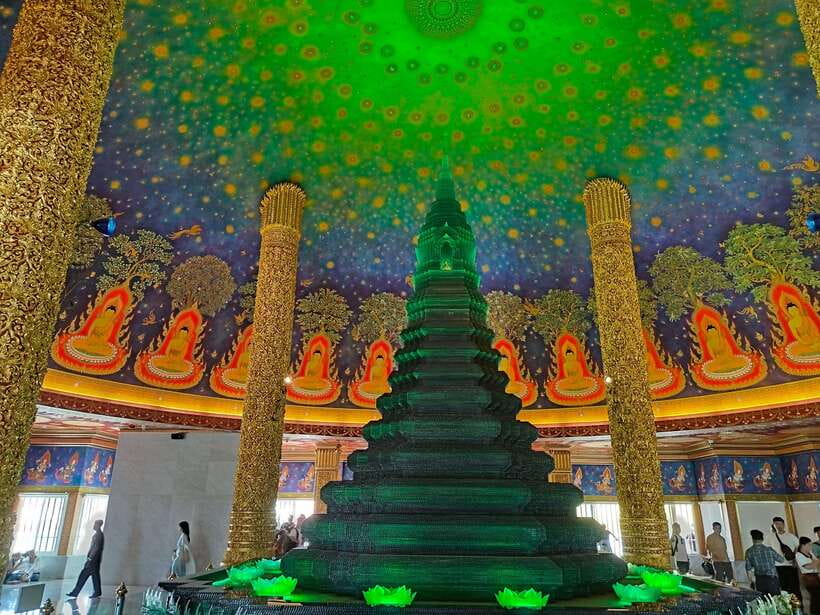
- Wat Paknam Phasi Charoen with its five-floor pagoda and emerald-glass top section
- Giant Golden Buddha stops that make photos easy and fast
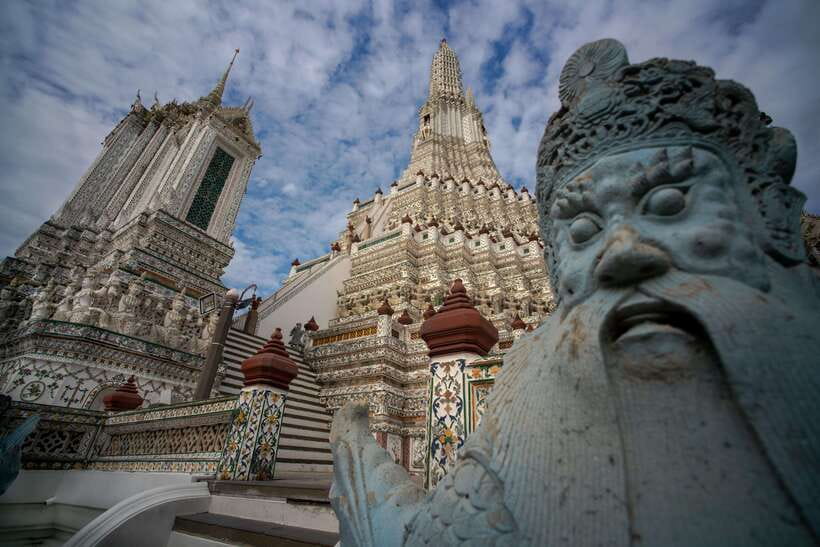
- Wat Arun by the river with strong sightseeing views while you have daylight
- Small group (max 12) for less waiting and smoother movement
- Responsible touches like water in glass bottles and carbon offsetting on the tour
Longtail Boats and Bangkok’s Khlongs: Your Day Starts With Motion
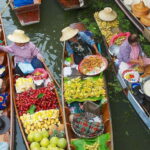
Bangkok’s canals, the klongs, are where the city’s rhythm used to run before roads swallowed most routes. This tour gets you onto water quickly from Tha Tian Pier (ท่าเรือท่าเตียน) and then into the narrow waterways where you’ll see homes, daily routines, and river life at a slower pace than street traffic.
I like the practical layout: you’re not stuck on a big bus first, and you’re not forced to choose between temples and boats. You get both—temples for the meaning, canals for the atmosphere. The longtail boat experience is also a big part of the appeal. It’s traditional, and it feels like you’re sliding right into the city instead of watching it from the edge.
One more reality check: longtail boats are small, and the ride can get a little wet depending on wind and water spray. Also, getting on and off isn’t always effortless—so wear footwear you trust. Comfortable shoes matter more here than on a walking-only tour.
You can also read our reviews of more boat tours in Bangkok
The Canal Segment: Khlong Bang Luang Artist House Stop
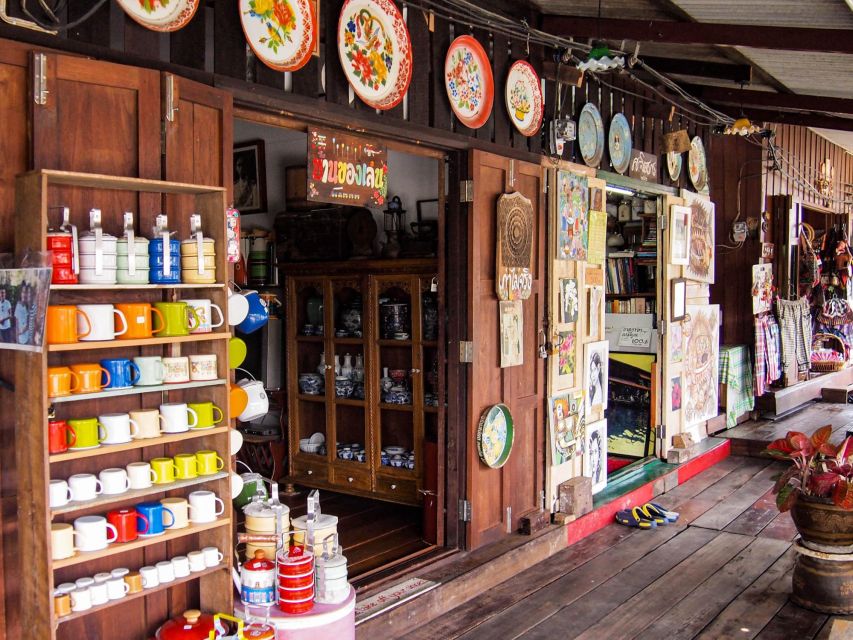
Your itinerary includes a short hop at the Khlong Bang Luang Artist House area. Even if you’re not trying to buy art or souvenirs, it’s a good transition point. You get a sense of how some canal communities have adapted—where craft, local storefronts, and culture mix with the waterway setting.
This stop works best when you treat it as a quick look, not a detour you over-plan. You’ll have more time for the main temple sites, so use this moment to reset your eyes: watch how people move around the canal edge, then move on while everything still feels fresh.
Wat Paknam Phasi Charoen: The Five-Floor Pagoda and Emerald-Glass Top

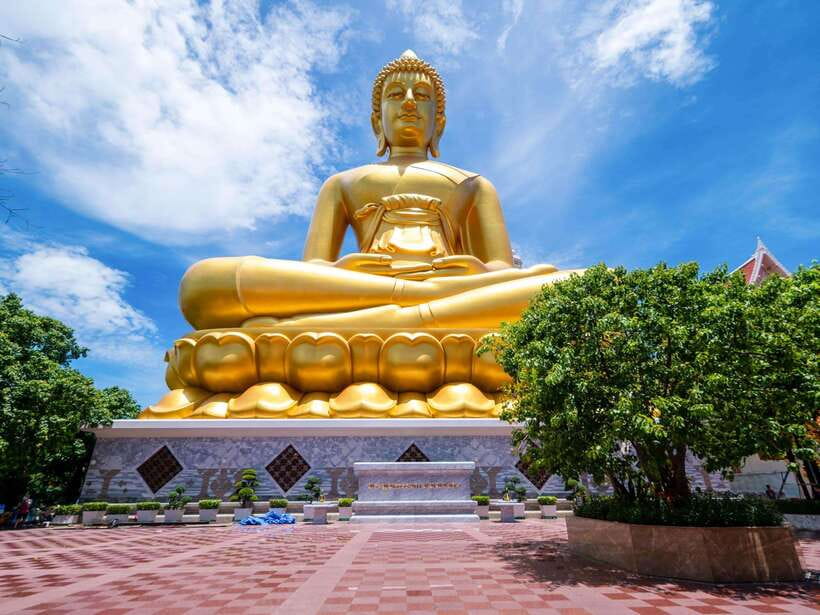
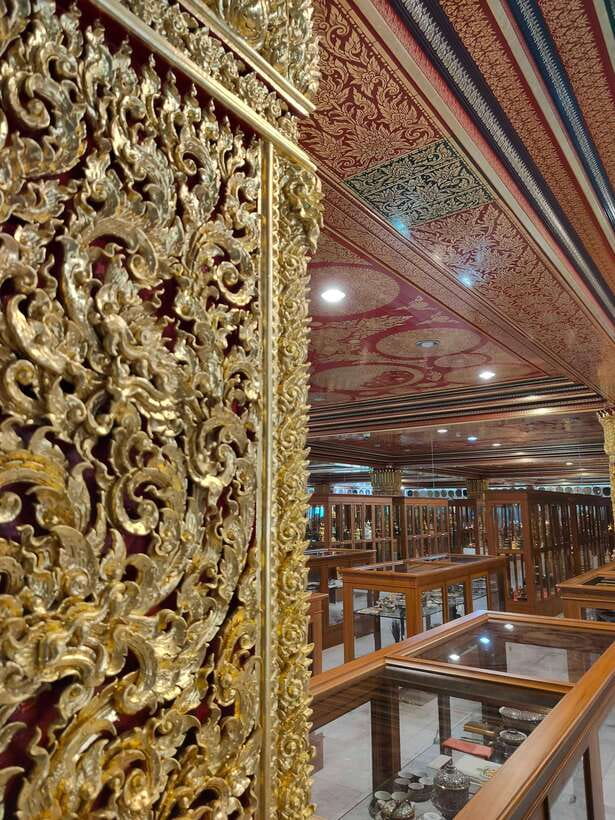
Wat Paknam Phasi Charoen (often described as a major temple in the Bangkok area) is the tour’s first big “wow” moment on land. The standout here is the five-floor grand pagoda, capped by an emerald-glass pagoda at the top, which is known for housing Buddha relics in that upper section.
Why this matters for you: if you only visit Wat Arun and call it a day, you’ll miss the other side of Bangkok temple design. Wat Paknam gives you a different scale of religious architecture, and the guided walk helps you understand what you’re actually looking at—why certain forms are used, how layered temple structures function, and why the top section is treated with extra reverence.
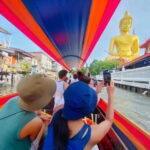
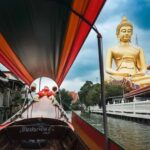
Then there’s the photo-friendly centerpiece: the Giant Golden Buddha. This is the kind of stop that’s easy even when you’re traveling solo. You don’t need to chase five different angles to “make the shot.” You’ll have a clear subject, strong lighting, and a simple moment to pause.
Practical note: temples can mean standing, stairs, and heat. Bring a hat and sunscreen, and wear something you can move in without fuss. The tour also has a dress code: no shorts and no sleeveless shirts, so plan your outfit before you arrive.
The Quick River Return: Spot Wat Arun From the Chao Phraya
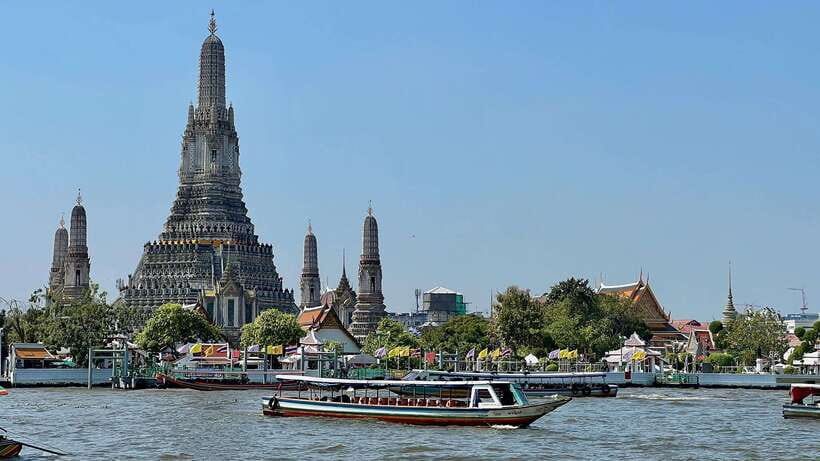
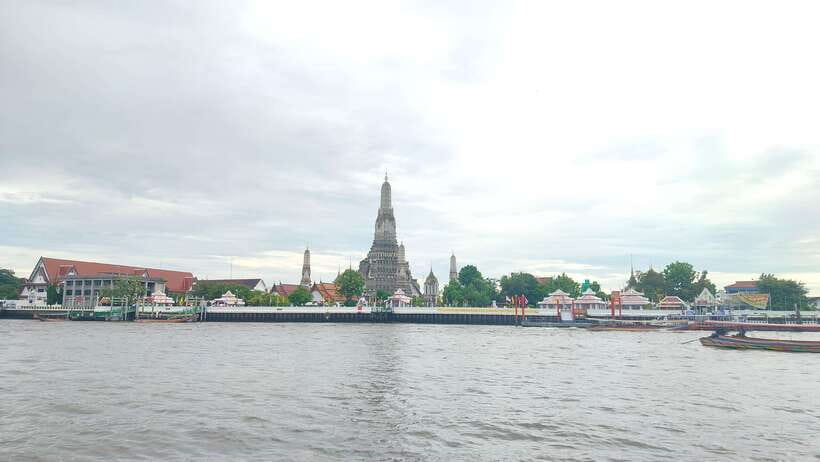
On the way back, the boat ride becomes more about setting up your final temple visit. You’ll pass the banks of the Chao Phraya River, and this is where the day starts to feel like Bangkok at postcard volume.
This is smart timing. Wat Arun is at its best when you can see it with context—the river backdrop, the sense of approach, and the visual contrast between water and temple silhouette. From the boat, you’re already thinking about your photos and your questions, instead of arriving at Wat Arun cold and rushed.
If you’re sensitive to noise, consider this: boats can be loud with engine sound and crowd conversation. You can still hear your guide, but you might want to angle your attention toward the moments that matter—like when you’re walking inside and the guide is explaining what you’re seeing.
Wat Arun (Temple of Dawn): How to Plan Your Visit Without Feeling Hectic
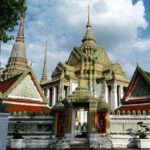
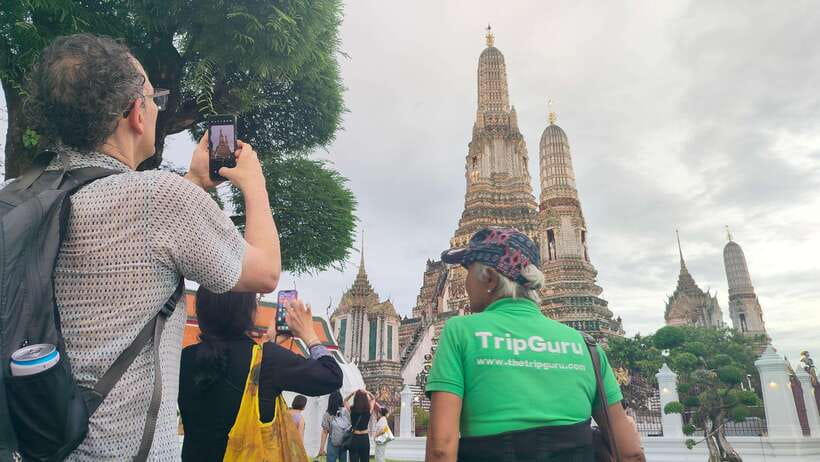
Wat Arun is the temple name you already know, and for good reason. When you finally get there, it hits differently after the canal ride. The temple’s visual weight and river setting feel connected to the day you just experienced on the water.
On this tour, you get a guided visit for about 40 minutes, and that’s usually enough time to:
- understand the main features you’re seeing
- get a few solid viewpoints for photos
- walk around without spending your entire afternoon in sun
A key value of a guided stop here is interpretation. Wat Arun can look like “just another temple” if you only see shapes and color. With guidance, you start noticing details tied to Thai Buddhist symbolism and temple layout. It’s not heavy academic talk—more like a helpful way to translate the place while you’re standing in it.
Also plan the cash piece. Entrance fees at Wat Arun are 200 THB per person, and this isn’t included. Bring cash so you don’t slow down the group.
If you’ve got extra time and you love wandering: your visit time is limited on a 3-hour tour. Still, a 40-minute window is usually the sweet spot—enough to appreciate without rushing through everything.


Timing: Why the 3-Hour Loop Works for Limited Bangkok Time
Three hours in Bangkok can mean a lot—or it can mean stress—depending on where you start and how traffic behaves. This tour begins at Tha Tian Pier, and the operator notes that heavy traffic in the mornings is expected, so your arrival timing can vary from what maps show.
Here’s how I’d manage it in real life:
- aim to reach the pier early enough that you’re not sprinting
- treat the tour as a focused plan, not a “maybe I’ll add one more stop” kind of day
- wear a heat-ready outfit since you’ll be outside between boat segments and temple walking
The itinerary pacing is built for efficiency: a canal boat segment, Wat Paknam Phasi Charoen with guided time, a return cruise by the Chao Phraya River banks, then a guided Wat Arun visit. That structure helps you see two major temple sites while still getting the canal experience most people miss.
Some people also find the boat ride length a little longer than expected, so keep your expectations flexible. If you want long browse time inside Wat Arun, you might prefer a longer temple-focused option. But if you want the best Bangkok variety in a short window, this loop makes a lot of sense.
Price and Value: What $28 Covers (and What It Doesn’t)
At about $28 per person for a 3-hour guided longtail boat tour, the price feels fair—especially because you’re paying for more than a boat ride. You’re also paying for:
- an English-speaking guide
- a structured visit at Wat Paknam Phasi Charoen
- guided time at Wat Arun
- insurance coverage
- transport by traditional longtail boat for the cruise segments
The one clear extra cost is the Wat Arun entrance fee (200 THB). If you’re budgeting, think of the total as “tour cost plus temple entry.” Still, even with that add-on, you’re not paying for separate transport or hunting for boats on your own.
Value is also about not losing time. A small-group format (max 12) reduces waiting, and a good guide helps you avoid wasted minutes figuring out where to go and what to look for. Guides often make the difference between seeing temples and actually understanding what they are.
If you’re traveling solo, the value is especially strong. You get a social setting on the water and at the temples, without paying the kind of premium you’d expect from a full private tour.
Responsible Touring: Small Choices That Matter on the Water
This is a GSTC-certified tour focused on low-impact sightseeing. You also get details like water provided in glass bottles, plus carbon offsetting for each tour.
Does that magically erase the footprint of a boat in a big city? No. But it does mean the operator is thinking about impact rather than treating the environment as an afterthought. For me, it fits the vibe of the klongs—these waterways are part of people’s everyday life. When an operator makes responsible choices up front, it feels more respectful.
What to Wear and Bring: Don’t Let Practical Stuff Ruin Your Photos
You’ll do a mix of boat time and temple walking, so dress for both heat and comfort. Based on the tour requirements, I’d pack and wear:
- comfortable shoes (you’ll step on and off the boat area)
- hat, sunglasses, sunscreen
- camera
- insect repellent (common sense for river areas)
- cash for the Wat Arun entrance fee
- a scarf if you want easy coverage for temple rules
Dress rules are strict enough to matter: no shorts and no sleeveless shirts. If you show up in the wrong outfit, you might be forced into awkward workarounds on-site. Better to plan for Thai temple standards before you get there.
Who This Tour Fits Best (and Who Should Skip It)
This tour is a great fit if you want a short “Bangkok highlights with a local angle” day. It’s also friendly for solo travelers and families, and the small-group size keeps it manageable.
I’d particularly recommend it if:
- you want Bangkok without spending the whole day in traffic
- you like boats and want to see canal neighborhoods
- you want guided temple context for both Wat Paknam and Wat Arun
- you’re short on time and want a compact route
But it’s not suitable for some people: pregnant women, people with mobility impairments, people with heart problems, and people with respiratory issues. If you’re in any of those categories, check with your doctor and consider an alternate format that’s less movement-heavy.
Also, if you dislike small-boat rides or you’re uncomfortable stepping on/off uneven surfaces, you might want to look for a different sightseeing option.
The Guide Factor: Why Good Explanations Change the Whole Day
A big part of why this tour works is the guide’s role. When guides like Jack explain Thai history, culture, and religion clearly, you stop feeling like you’re just following a script. You start noticing patterns—like why certain temple elements feel layered and symbolic, and how the temples connect to the city’s spiritual life.
Several named guides in past outings—Aoi, Surin, Nancy, Bond, Tank, and Nina—are described as friendly, helpful, and focused on keeping the group moving at a good pace. Some even help with small logistics like photos and how to get back efficiently if needed.
If you care about photo timing, look for moments where your guide points out the best angles, especially at Wat Arun with the river backdrop. It makes a difference, because the best shot isn’t always the one you instinctively walk toward.
Should You Book This Wat Arun + Longtail Canal Tour?
Yes—if your goal is a short, well-guided taste of Bangkok that combines klong cruising with two major temple stops.
Book it if:
- you want the canal experience without figuring out boats yourself
- you like guided history so temples make sense fast
- you’re okay paying the Wat Arun 200 THB entrance fee separately
- you value a max-12 small group for a smoother day
Skip it if:
- you need more time inside Wat Arun than a guided 40-minute visit allows
- your schedule can’t handle potential traffic variations near the pier
- you have mobility or health limitations listed as not suitable for this activity
Bottom line: this is strong value for the mix you get—boat + temples + a guide who helps you look at the details that make Bangkok feel real, not just photographed.