REVIEW · CHAO PHRAYA DINNER CRUISES
Bangkok: Chao Phraya River Hop-on Hop-off Boat
Book on GetYourGuide →Operated by Chao Phraya Tourist Boat · Bookable on GetYourGuide
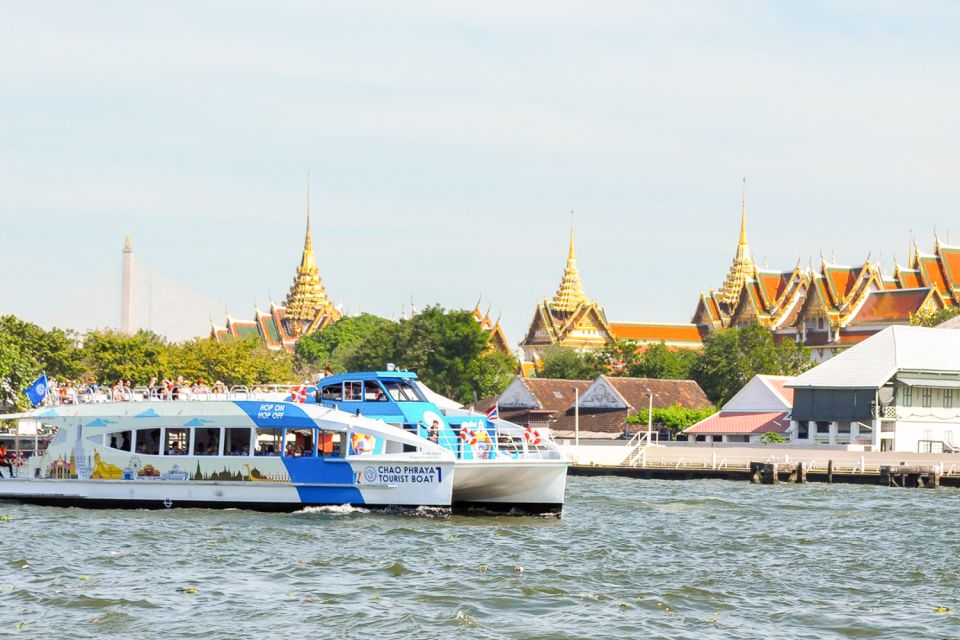
Chao Phraya by boat beats Bangkok traffic. This hop-on hop-off ride lets you float past the river’s big sights from a double-decker, then jump off exactly when you’re ready—no arguing with taxis, no sitting in gridlock, just wind, water, and skyline views. I liked the panoramic deck views and the fact that you can hop off for landmarks like Wat Arun and the Grand Palace area.
I love the easy value here: it’s a cheap all-day pass that covers multiple stops across the river, and boats run often enough that you can keep moving. I also love the flexibility of 11 piers on the route, including Iconsiam for lunch and a break from the heat.
One consideration: this isn’t a guaranteed guided tour with built-in narration at every stop. You’ll mainly rely on the small guide booklet and your own timing, and you may have to slow down a bit figuring out which pier is open or easiest to use that day.
In This Review
- Key things that make this boat worth your time
- Why the Chao Phraya Hop-On Hop-Off Works for a One-Day Plan
- Price and Value: Why Under-$5 Can Beat More Expensive Transport
- Boarding Reality: Finding the Right Pier and Getting on Quickly
- What the Boat Ride Feels Like (Windy Deck Views + Air-Conditioned Breather)
- The Route in Plain English: 11 Piers Plus an Evening Asiatique Stop
- Stop-by-Stop: What Each Pier Helps You Do
- Sathorn Pier: Your starting anchor
- Iconsiam Pier: Lunch, shopping, and a heat reset
- Ratchawongse and Rajinee: Useful mid-route stepping stones
- Wat Arun Pier: For temple views and classic river photography
- Tha Chang and Tha Maharaj: Great for the Grand Palace area zone
- Prannok and Phra Arthit: Late-day exploration points
- Asiatique Pier (evening extension): River night energy
- Timing Tips: How to Build a Day Without Rushing
- Your Learning Support: Booklet, Host Staff, and On-Board Variation
- Common Trade-Offs (So You Don’t Get Surprised)
- Who This Boat Is Best For
- Should You Book This Chao Phraya Hop-On Hop-Off Boat?
- FAQ
- How long is the Chao Phraya hop-on hop-off boat experience?
- What are the operating hours?
- How many piers are on the route?
- Which piers are included on the route?
- Where do I meet for the boat?
- Do I need to pay extra for temple entrance fees?
- Are food and drinks included?
- How often do boats depart?
- Does the route include Asiatique in the evening?
- Is there free cancellation?
Key things that make this boat worth your time
- 11 piers along the river so you can build a route around your day instead of copying someone else’s plan
- Frequent departures (about every 30 minutes) that usually prevent long waits
- Double-decker comfort with open deck views plus an air-conditioned option downstairs
- Traffic-free sightseeing that saves time, especially when Bangkok roads are packed
- Evening extension to Asiatique for night atmosphere without hunting for transport
Why the Chao Phraya Hop-On Hop-Off Works for a One-Day Plan
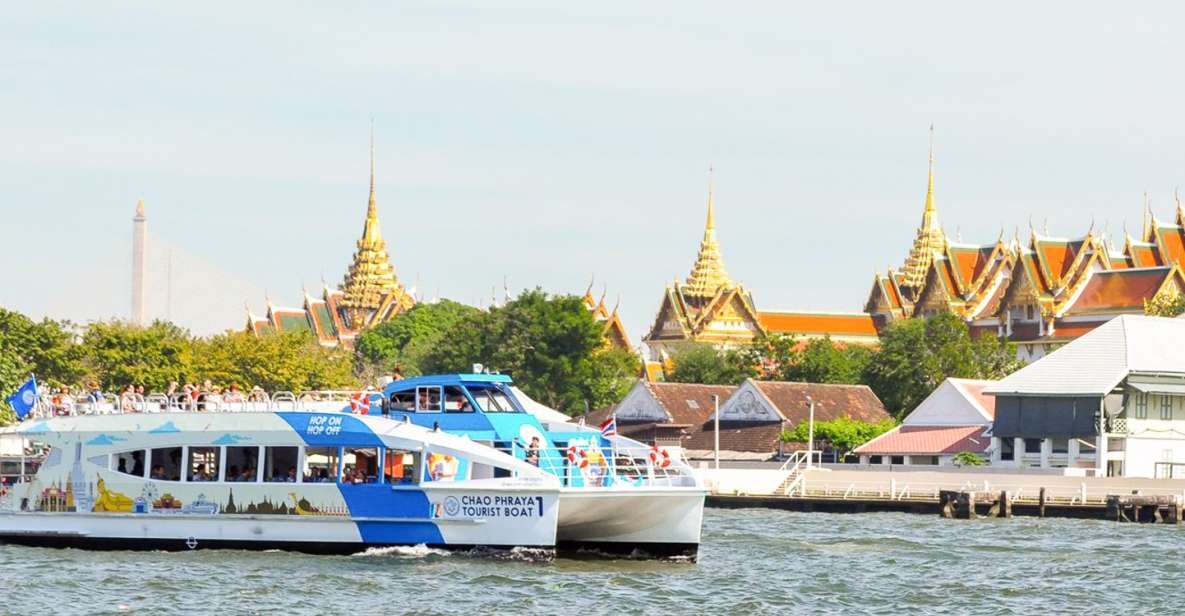
Bangkok looks great from the water. The river gives you a different angle on the city: temples pop against the skyline, and you get those classic, postcard-like views without getting stuck in stop-and-go traffic.
The real win is the format. You’re not committing to one rigid itinerary. You can treat this as your “transport backbone” for the day: ride, get off when something grabs you, then board again when you’re ready to move on. At this price, you’re not overthinking every hour.
And because it’s a hop-on hop-off ticket, you can build in breaks. On hot afternoons, I’d rather do a short river cruise than march around in the midday sun. In the evening, the boat is also a practical way to see the river lights and then reach the Asiatique area.
You can also read our reviews of more boat tours in Bangkok
Price and Value: Why Under-$5 Can Beat More Expensive Transport
The going price shown here is about $4.82 per person, and the logic is simple: you’re buying repeated rides on the same river corridor for one day.
If you’re going to do the river more than a couple times, this tends to make sense fast. One person noted that you should get value if you ride roughly four times over the 11 piers—easy to do in a full day. And when you’re comparing it to taxi costs (plus time lost waiting and navigating), the math usually tips toward the boat.
There’s another hidden value: it reduces stress. No traffic, no meter arguments, no “where’s the nearest stop” scramble every time you change plans. That matters in Bangkok, where transport choices can feel like a puzzle.
Boarding Reality: Finding the Right Pier and Getting on Quickly
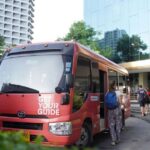
You can board at any pier on the route, or start at the Chao Phraya Tourist Boat Sathorn Pier. Look for the red ticket booth or staff wearing red shirts.
A couple practical notes from real-life use:
- Piers can be closed for renovation. If you roll up and see barriers, switch to another pier nearby on the route.
- Signage can get confusing. One helpful heads-up: your boat might be associated with a specific line/color, and it may not match what you expect from basic descriptions. If you see multiple services, check the display and staff instructions before committing.
- The “easy” part doesn’t mean “instant.” Even with frequent departures, crowds happen. Keep your ticket code/receipt handy for a quick boarding pass at the window.
What the Boat Ride Feels Like (Windy Deck Views + Air-Conditioned Breather)
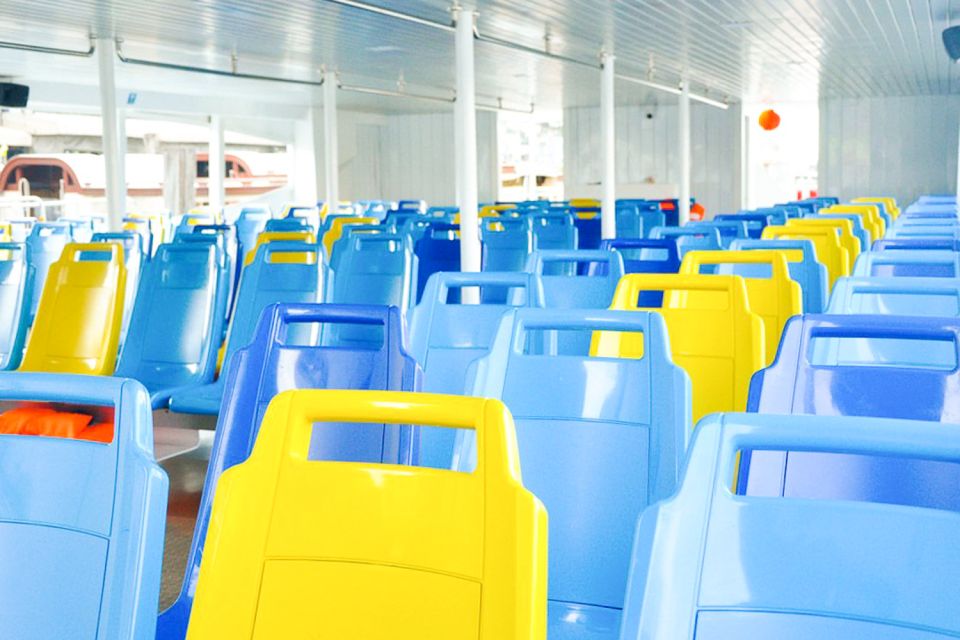
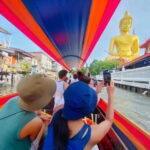
This is a double-decker boat experience. On the deck, you get that open-air, wind-through-your-hair feeling while you cruise along the river. It’s a great way to cool off without giving up sightseeing.
Downstairs, you’ll find air-conditioning—useful when the sun is brutal and you just need a breather. I like the flexibility: you can step up for a few photos, then retreat indoors when you need comfort.
Also, the boats are described as well-maintained, and the schedule runs from 9:00 AM to 7:15 PM, so you’re not stuck with only one narrow window for daylight cruising.
The Route in Plain English: 11 Piers Plus an Evening Asiatique Stop
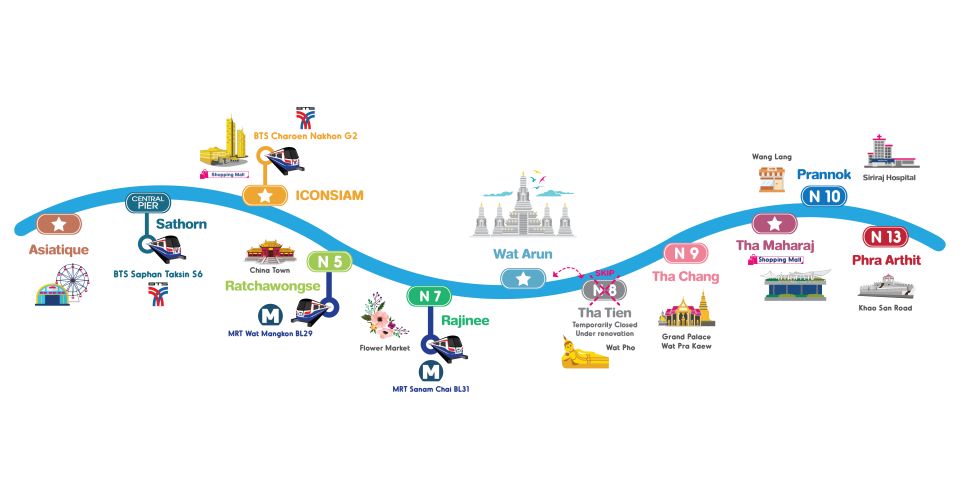
The route covers 11 piers, including:
- Sathorn
- Iconsiam
- Ratchawongse
- Rajinee
- Wat Arun
- Tha Chang
- Tha Maharaj
- Prannok
- Phra Arthit
Two more details matter for planning:
- Boats are frequent, roughly every half hour, so the day stays flexible.
- In the evening, the route extends with a stop at Asiatique pier.
Think of the route as a long river spine. If you get off at one pier, you’re usually in a cluster of sights—temples, historic neighborhoods, or shopping/dining zones. If you want a simple strategy, do the heavier sightseeing earlier, then use later hours for flexible wandering.

Stop-by-Stop: What Each Pier Helps You Do
Below is how I’d use each stop. I’m keeping it practical: what you likely want to check out from there, plus any timing considerations.
Sathorn Pier: Your starting anchor
Sathorn is the easiest place to orient yourself because the ticket booth and staff presence are clearly set up there. If you’re also connecting from other parts of Bangkok, this is a logical “jumping-off point” when you want a smooth start.
If you’re doing this as your main transport for the day, I’d start here and ride in the direction that lines up with your first big temple stop.
Iconsiam Pier: Lunch, shopping, and a heat reset
Iconsiam shows up in the plan for a reason. It’s a strong mid-day option when you need:
- indoor air-conditioning
- a place to eat without scrambling
- an easy river-access stop so you’re not losing time getting back to the boat
One of the best habits here: hop off around midday, eat, shop for an hour if you want, then re-board before the sun gets too intense.
Ratchawongse and Rajinee: Useful mid-route stepping stones
These stops matter most as “connector piers.” You get off when you want to explore a nearby area, and you don’t waste time backtracking across the city. If you’re building your own day plan, these are good for squeezing in an extra temple visit or market wander.
No matter which pier you choose, keep the river ride in the back of your mind. Your time is often better spent on the boat than on crowded streets.
Wat Arun Pier: For temple views and classic river photography
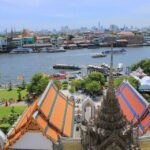
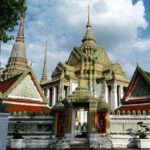
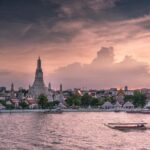
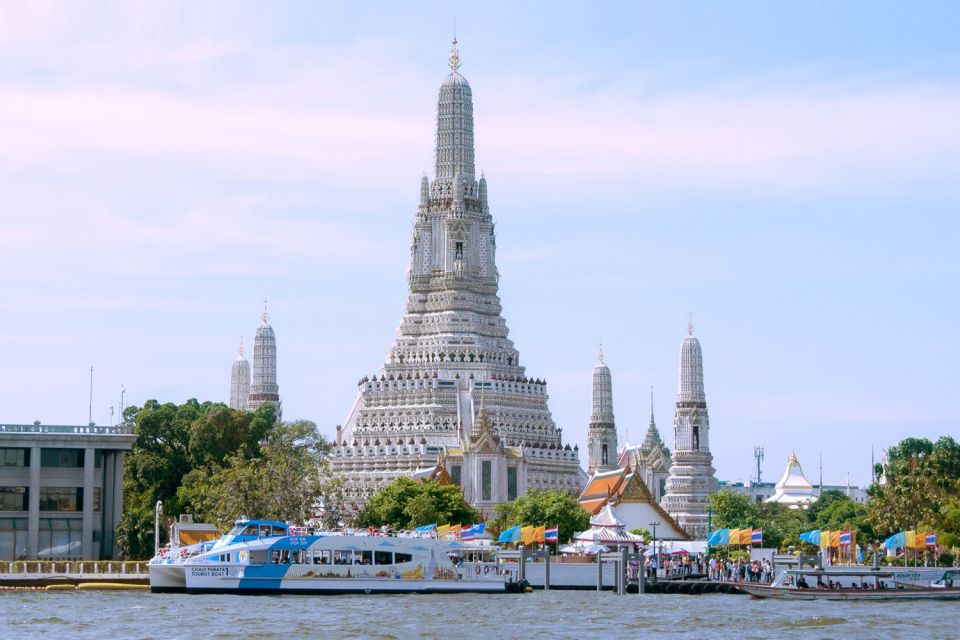
Wat Arun is one of Bangkok’s must-sees, and the Wat Arun pier is your direct gateway. This is the stop I’d prioritize if you want the temple silhouette and that iconic riverfront atmosphere.
Tip: take your photos, then give yourself time to move around at a comfortable pace. Wat Arun is a “slow down and look” kind of visit, not a quick in-and-out.
Tha Chang and Tha Maharaj: Great for the Grand Palace area zone
The plan explicitly mentions access to famous sights like the Grand Palace and Wat Arun. Two piers commonly used for that Grand Palace orbit are Tha Chang and Tha Maharaj.
I’d treat this stretch like your main temple block:
- Start earlier in the day while it’s easier to walk
- Plan for stairs, sun exposure, and entry lines where needed (entrance fees are not included, so budget for that)
If you prefer a calmer pace, you can split these into two visits—one early, one later—then use the boat to reposition.
Prannok and Phra Arthit: Late-day exploration points
These piers are useful when you want more variety away from just the “top two temples” routine. They’re also handy for continuing your river day at a slower rhythm.
If you’re trying to avoid peak crowds, it’s smart to shift more walking to later in the afternoon. The river ride also starts to feel more scenic as the day cools off.
Asiatique Pier (evening extension): River night energy
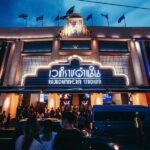
The route extends in the evening with a stop at Asiatique. This is one of the easiest ways to keep your night plan tied to transport that already works.
Asiatique is described as worth a visit, with things like quick bites and a Ferris wheel. The big advantage is timing: you can cruise the river, hop off for the evening atmosphere, then head back to Sathorn when you’re ready.
Timing Tips: How to Build a Day Without Rushing
The service runs 9:00 AM to 7:15 PM, so you’ve got room for a full-day approach.
Here’s a simple flow that tends to work:
- Morning: do the outdoor temple visits while it’s more comfortable
- Midday: use Iconsiam as your “reset” stop for food and indoor time
- Afternoon: keep moving between piers without dragging yourself across Bangkok streets
- Evening: aim for the Asiatique extension, then ride back with the river lights
If you want to be photo-smart, don’t assume one perfect sunset moment. The river view changes quickly as you move, so keep hopping on/off until you find the angle you like.
Your Learning Support: Booklet, Host Staff, and On-Board Variation
You receive a travel guide booklet with the ticket, but there’s not a strong promise of a full-on guided narration experience.
One clear pattern: many rides are more self-guided than lecture-style. People often rely on the booklet and signage at stops.
At the same time, some departures mention named guides (for example, Tom, Aekapohl, and May). So if you’re hoping for explanations, it’s reasonable to expect a helpful host or guide in at least some cases—but don’t build your entire day around getting a detailed talk.
Bottom line: bring curiosity, use the booklet, and be okay with learning by looking.
Common Trade-Offs (So You Don’t Get Surprised)
This boat is a great value, but it’s not a magic shortcut with zero friction. Here are the realistic trade-offs:
- No entrance fees included: you still pay for temples if the sites require it.
- You’re doing some planning: it’s hop-on hop-off, not a guided full itinerary with someone herding you from door to door.
- Piers may be closed for renovation: you might need a nearby alternative stop.
- Stops near big sights aren’t the same as everything: one person pointed out that some areas, like Big Buddha, aren’t covered by this route and may require a different kind of boat (like a private long-tail). So if Big Buddha is on your must-do list, plan it separately.
Also, keep in mind that on-board staff communication can vary. A small number of experiences mentioned a less friendly tone. It’s not the main issue, but it’s good to know what to expect: be polite, keep your ticket ready, and focus on the boat ride and the stops.
Who This Boat Is Best For
This is a strong pick if you want:
- a cheap way to see the river and major landmarks
- flexibility to match your pace
- a break from hot walking and traffic-heavy rides
- a simple “transport plan” that still lets you wander
It’s especially good for first-timers because the river gives you a fast way to understand Bangkok’s layout. Even if you later take other rides (like trains or taxis) you’ll feel more oriented because you’ve seen the city from the water.
Should You Book This Chao Phraya Hop-On Hop-Off Boat?
If your goal is to see a lot of Bangkok without fighting traffic and negotiation, I’d book it. The combination of low price, frequent boats, and 11 piers makes it one of the easiest ways to build a smart day plan.
I’d hesitate only if:
- you need a fully guided explanation at each stop (this is more self-guided with a booklet)
- you’re focused on a specific attraction that isn’t on this river corridor (like Big Buddha) and don’t want to plan extra transport
For most people, though, this is the kind of Bangkok activity that gives you breathing room: cruise when you need comfort, hop off when you want sights, and keep your day moving on your terms.
FAQ
How long is the Chao Phraya hop-on hop-off boat experience?
The experience is listed as a 1-day activity, and your ticket is valid for 1 day.
What are the operating hours?
The boat route runs from 9:00 AM to 7:15 PM.
How many piers are on the route?
The route includes 11 piers.
Which piers are included on the route?
The piers listed are Sathorn, Iconsiam, Ratchawongse, Rajinee, Wat Arun, Tha Chang, Tha Maharaj, Prannok, and Phra Arthit (plus additional route stops on the full line).
Where do I meet for the boat?
You can come to any pier on the route. You can also go to the Chao Phraya Tourist Boat Sathorn Pier. Look for the red ticket booth or staff wearing red shirts.
Do I need to pay extra for temple entrance fees?
Entrance fees are not included, so you’ll need to pay for sites that charge admission.
Are food and drinks included?
No, food and drinks are not included.
How often do boats depart?
Boats arrive frequently, about every half hour, and waits are typically kept short.
Does the route include Asiatique in the evening?
Yes. In the evening, the route is extended with a stop at Asiatique pier.
Is there free cancellation?
Yes. You can cancel up to 24 hours in advance for a full refund.