REVIEW · BIKE & CYCLING TOURS
Bangkok Classical Bicycle Tour
Book on GetYourGuide →Operated by Co van Kessel Bangkok Tours · Bookable on GetYourGuide
A bike through Bangkok’s back alleys feels like a shortcut to real life. This Bangkok Classical Bicycle Tour threads together frenetic Chinatown, a ride into Thailand’s former 3rd capital, and a crossing of the Chao Phraya by ferry.
I especially like the way it pairs sensory street chaos with calmer local neighborhoods in Thonburi. And I like the hands-on access you get—pedaling through narrow lanes where you’d never end up by accident.
One caution: you need to be a confident cyclist. Chinatown’s lanes can feel crowded and tight, and the “not physically demanding” part doesn’t mean “effortless.”
In This Review
- Key highlights worth showing up for
- Meeting Point at River City: where your ride actually starts
- Chinatown by bike: senses on overdrive (and how to handle it)
- Thonburi: Thailand’s old 3rd capital, with a calmer beat
- The monastery stop: a breather with real atmosphere
- Flower market break and snack tasting: small stop, big payoff
- Cycling “hidden backstreets”: why the route matters more than the clock
- Chao Phraya ferry crossing: one of those Bangkok moments you remember
- How long is 3 hours, really?
- Guides in English: safety, pacing, and local context
- Price and value: $40 for a lot of Bangkok in one slice
- Who this tour suits best (and who should pick another plan)
- What to bring and what to expect in the real world
- Should you book the Bangkok Classical Bicycle Tour?
- FAQ
- How long is the Bangkok Classical Bicycle Tour?
- What’s the price per person?
- Where do I meet for the tour?
- What’s included in the tour?
- Is the tour guide in English?
- Do I need to be able to ride a bike?
- What should I wear or bring?
- How does cancellation work?
Key highlights worth showing up for
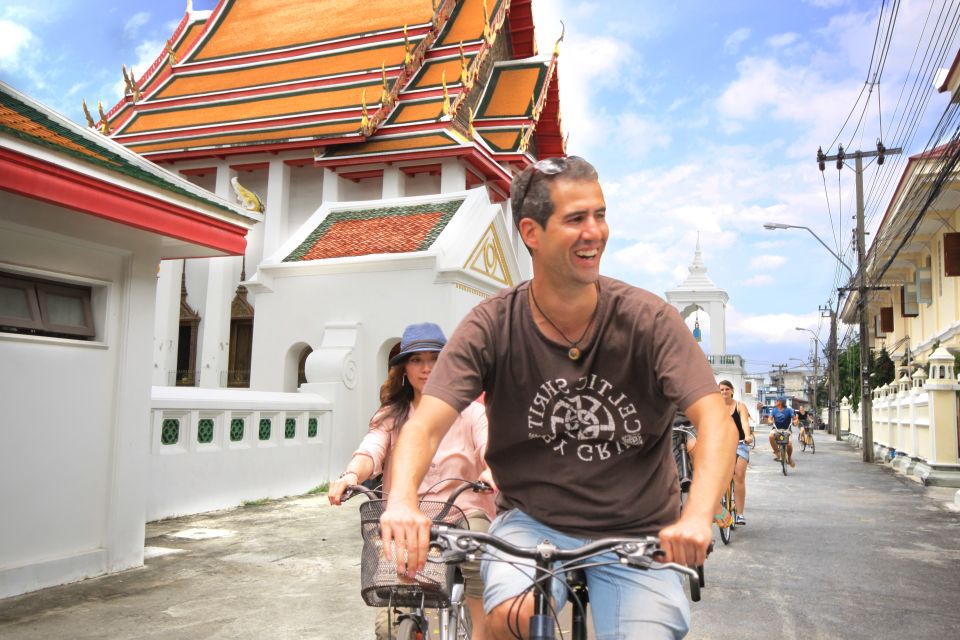
- Chinatown beyond the usual stops: large, detailed markets and shop-houses you’d skip on foot
- Thonburi, Thailand’s historic 3rd capital: a slower, more local rhythm than central sights
- Chao Phraya ferry crossing: skyline views that change as the boat moves
- Hidden temple moments: spirit-house displays, ritual paper burnings, and local worship
- Flower market break with snacks: a practical way to taste Bangkok beyond street shopping
- Guides who manage safety in tight spaces: consistent English support with careful pacing
Meeting Point at River City: where your ride actually starts
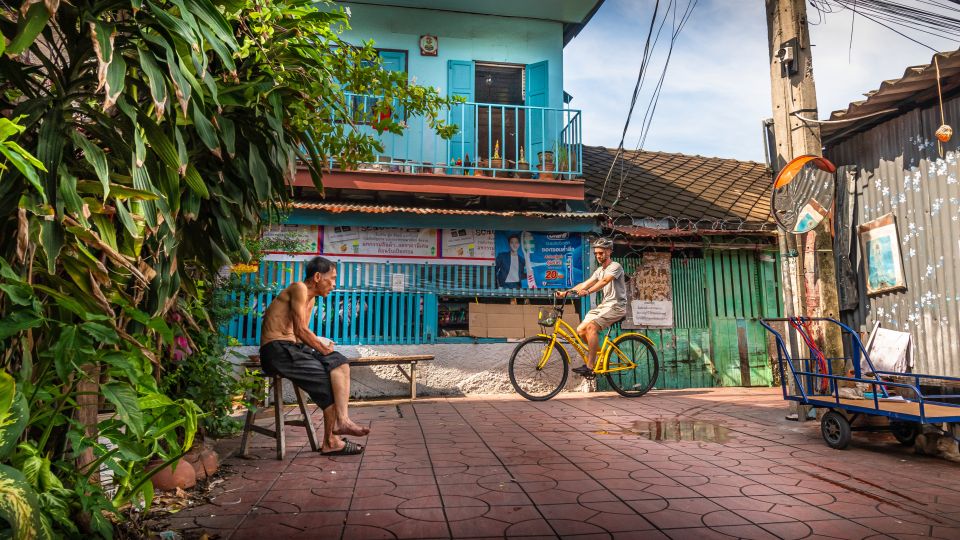
The tour begins at 23 Soi Charoen Krung 24. You’ll meet near River City Shopping Center—look for a yellow sign about 30 meters to the right of a 7-Eleven. It’s easy to miss if you’re walking fast, so give yourself a few extra minutes to check the signage.
This kind of tour works best when you show up ready to go. Wear comfortable shoes and bring sunglasses and a camera. Also note the simple dress rule: no sleeveless shirts. Bangkok is hot, but you’ll still be expected to cover up your shoulders.
If you’re wondering about the bikes: bicycle hire is included, along with drinks and snacks during the ride. That matters in Bangkok, where “just one more block” can feel like three if you’re thirsty.
You can also read our reviews of more tours and experiences in Bangkok.
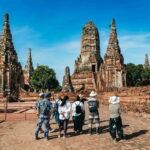
Chinatown by bike: senses on overdrive (and how to handle it)
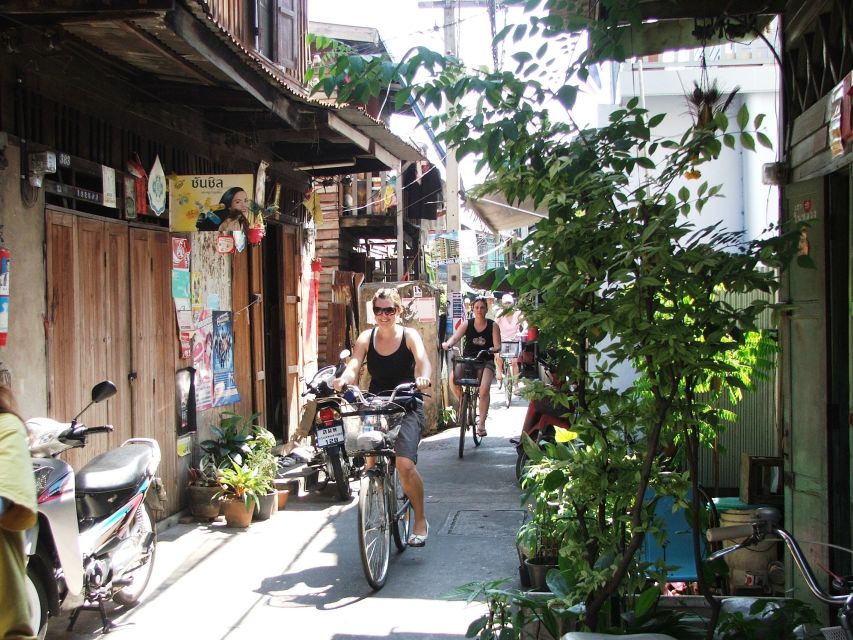
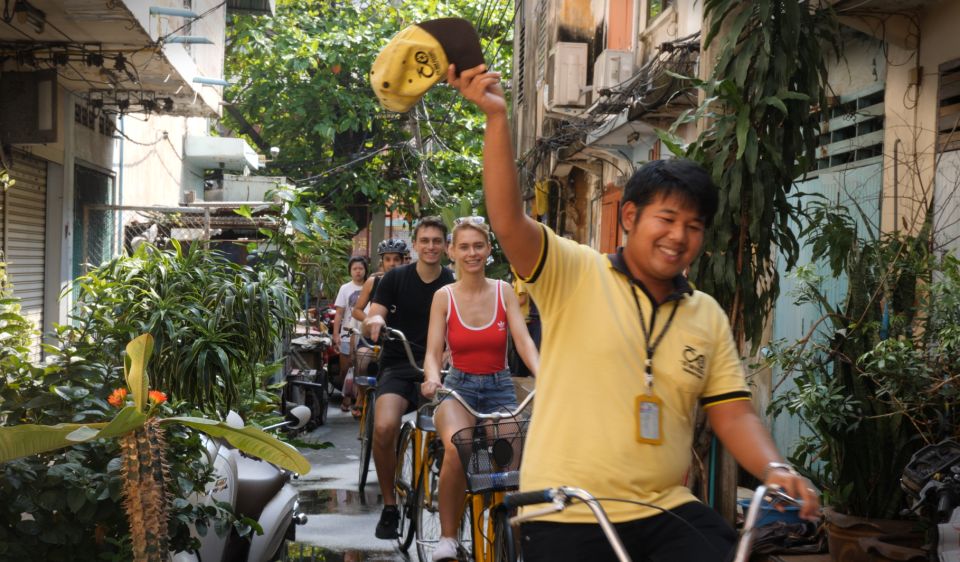
You start in Chinatown, and the tour quickly leans into what makes the area famous: density, noise, and that delicious overload of smells and sights. Expect a ride through narrow streets and alleyways where shop-houses sell everything from Buddhist amulets to recycled truck engines.
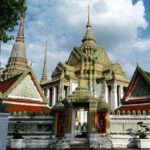
This isn’t a photo-spot-only route. You’re moving through places where the city is clearly still working—people worshiping at smaller, less touristy temples, and ritual paper burnings that show up as part of everyday practice. You’ll also see spirit house displays that many visitors miss when they only walk the big, polished streets.
Practical reality check: Chinatown can get chaotic. That’s the point, but it also means you should not treat this as casual strolling time. You need to:
- Hold your line when the lane narrows.
- Be ready to stop and move at the guide’s pace.
- Stay calm when other cyclists or pedestrians weave through.
The good news is that the tour uses local guides who keep the group together and manage crossings. Many recent riders specifically praised how the guides watch intersections and keep safety as the priority. One traveler even noted that guides can handle the “busy alley” feeling confidently.
Thonburi: Thailand’s old 3rd capital, with a calmer beat
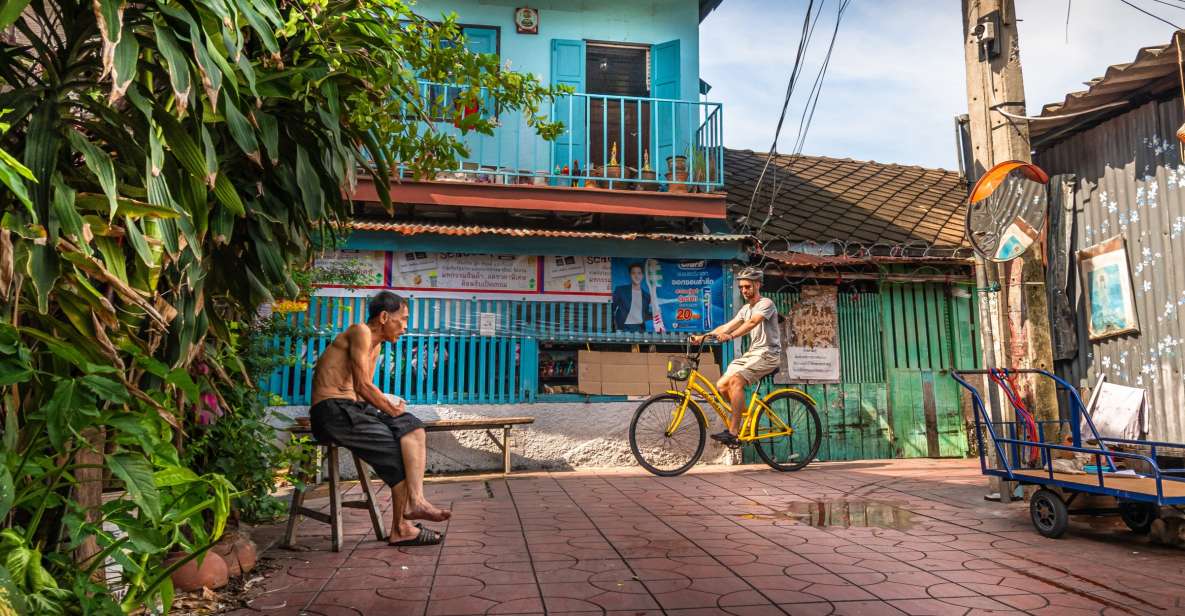
After the busiest parts of Chinatown, you switch gears. The tour heads toward Thonburi, described as Thailand’s historic 3rd capital. This is where Bangkok starts to feel less like a single landmark list and more like a lived-in city made of neighborhoods.
Thonburi also gives you contrast. Reviews and tour notes point out that you’ll see peaceful elements of local Thai life alongside the more intense Chinatown energy. Instead of constant hawker push and crowds, you’ll get a different rhythm: more residential communities, local greetings, and quieter side streets.
What I like about including Thonburi in a single half-day plan is the sense of scale. Bangkok isn’t one uniform experience. You can ride from commercial intensity into a more everyday city feel in just a few hours.
The monastery stop: a breather with real atmosphere
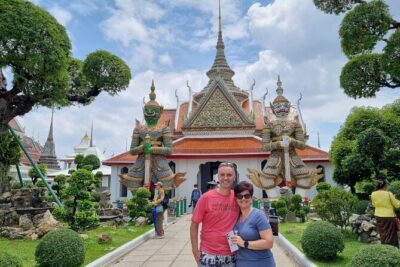
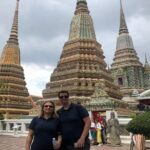
One of the scheduled breaks includes a monastery visit. This type of stop is valuable on a bike tour because it resets your brain. When you’re cycling through markets and narrow lanes, your senses stay turned up. A temple or monastery stop lets you slow down and actually absorb what you passed.
It’s also the kind of moment where context matters. The guide should help you notice details you would otherwise walk past, like how people arrange offerings and how religious practice shows up in small, local spaces rather than only the big, famous temples.
Keep your camera handy, but don’t let it run your day. Sit for a moment, watch how people move, and let the noise of the street fade.
Flower market break and snack tasting: small stop, big payoff
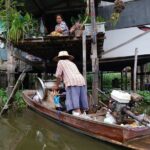
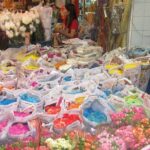
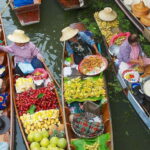
One of the most consistently praised parts of the experience is the flower market stop, paired with drinks and snacks. Several riders highlighted fruit and local treats they hadn’t tried before. In one report, people even mentioned water monitor lizards—one of those odd, real-world Bangkok moments that feels more like a surprise story than a scheduled attraction.
This is why I think the snack break is more than “a rest.” In a city like Bangkok, it’s easy to spend your food budget on the same predictable dishes. A guided tasting, even for a short window, can help you learn what locals actually grab between errands.
Practical tip: if you’re picky about spicy food, tell your guide. The tasting is meant to be easy and friendly, but Thailand still has its own spice range.
Cycling “hidden backstreets”: why the route matters more than the clock
A big promise of this tour is that you’ll see a side of Bangkok few tourists reach on their own—hidden backstreets where daily life is the main event. That idea is more than marketing. On foot, you tend to choose the wide streets and the safest shortcuts. On a bike, you can take routes that look too narrow, too messy, or too strange to attempt alone.
That’s exactly the vibe riders repeatedly described: it felt local, well organized, and safety-conscious even when the streets narrowed.
There’s also a second benefit: pacing. This isn’t described as an intense workout, and many recent reviews say the tempo stays manageable. You’re expected to ride, but you’re not sprinting across the city. You’ll have time for photo stops and short breaks, and you’ll get guided context for what you’re seeing.
Chao Phraya ferry crossing: one of those Bangkok moments you remember
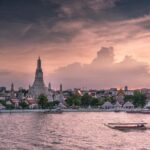
The tour includes a ferry crossing across the Chao Praya River. The time on the water is short, but it changes how you see Bangkok.
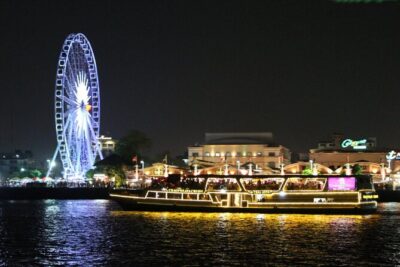
The most practical part: you get a moving viewpoint. Your city skyline views shift as the boat glides, and the river becomes a natural pause in a day that otherwise runs on street motion. Several riders specifically mentioned the skyline view behind them during the crossing.
It’s also a reminder that Bangkok’s big neighborhoods are often connected by water routes. Walking the same distance on foot would be slower and less interesting. The ferry makes the geography feel real.
How long is 3 hours, really?
Three hours sounds compact, and it is. But it’s a smart length for Bangkok if you want variety without burning your whole day in traffic. You’ll spend concentrated time:
- in Chinatown streets,
- with a guided sightseeing/visit stop,
- in Thonburi areas, including a monastery,
- at a break for flower market snacks,
- plus the ferry segment.
This schedule works well if you’re doing the usual Bangkok hits and want one “different lens” moment. It’s also a good add-on morning plan when the heat starts rising but before you’re exhausted.
One note from rider feedback: the ride can feel a bit chaotic in Chinatown alleys. That’s not a dealbreaker, but it does affect comfort. If you’re stressed by crowds, you’ll want to focus on trusting your guide’s spacing and cues.
Guides in English: safety, pacing, and local context
This tour runs with live English-speaking guides. Names show up often in reviews: people mentioned guides like Mike, Bob, Lia, Emma, Layla, Emmy, Benny, Earth, Kitty, Zoe, Ling ling, and others.
The best takeaway isn’t the name—it’s the consistent theme: riders found the guides attentive, fun, and safety conscious, with good group management in tight streets. One reviewer even mentioned that the tour team supports crossings so you’re not constantly negotiating on your own.
Also, the guide role is what turns “bike through streets” into a meaningful experience. You should learn what spirit houses mean, what you’re seeing in hidden temple spaces, and why Thonburi’s story differs from the more famous Bangkok center.
Price and value: $40 for a lot of Bangkok in one slice
At $40 per person for 3 hours, the price only looks simple at first glance. The real value is in what’s included:
- bicycle hire,
- local guide(s),
- ferry crossing,
- drinks and snacks.
Once those are in the package, the cost starts to make sense for a city where getting the right transport and the right routing can eat up time and money fast. You’re basically paying for access: the route design, local interpretation, and the safety management needed to ride through busy areas.
Is it cheaper than renting a bike and going solo? Probably. But solo biking in Chinatown and Thonburi without guidance means you’ll miss the context and likely spend time backtracking. This is the case where paying for direction can feel cheaper than paying in wasted hours.
Who this tour suits best (and who should pick another plan)
This tour fits you if you:
- can ride a bike confidently, including in crowded areas,
- like street-level Bangkok more than “big-ticket monuments,”
- want both Chinatown energy and Thonburi calm in one go,
- enjoy food tasting and cultural stops like monasteries and markets.
It’s not a good fit if you:
- have mobility impairments,
- can’t ride a bike,
- want a totally car-free, wide-road ride.
Family note: infants (age 0–5) must ride on the back of the bikes. Children (age 6–11) ride for free if they cannot ride on their own and ride on the back of the bike. That can work for families who have kids old enough to sit comfortably and listen for the guide’s cues.
What to bring and what to expect in the real world
You’ll want:
- comfortable shoes (not sandals-only),
- sunglasses,
- camera,
- and a light layer that respects the no-sleeveless rule.
You should also mentally prepare for Bangkok’s street mix:
- narrow lanes,
- pedestrians stepping into your path,
- and the occasional crowd cluster.
The tour’s big advantage is that you’re not figuring all of that out alone. Guides handle crossings, keep the group together, and set a ride pace that lets you actually look around.
And yes, the ride is described as not physically demanding—but it still requires balance, attention, and confidence. If you’re the type who freezes when things get close, this could feel stressful.
Should you book the Bangkok Classical Bicycle Tour?
Book it if you want a fast, high-value way to see Bangkok through local streets—not just landmarks. The mix of Chinatown, a Thonburi story, a Chao Phraya ferry moment, and snack tasting at a flower market gives you variety without dragging you across the city for half a day.
Skip it if you can’t ride confidently in tight, crowded spaces. Also skip if you want a quiet, low-stimulation experience. Chinatown will feel busy.
If you’re on the fence, here’s my rule: if you’re comfortable biking and you want Bangkok to feel practical and lived-in, this is an easy yes.
FAQ
How long is the Bangkok Classical Bicycle Tour?
It’s a 3-hour bike tour.
What’s the price per person?
The price is $40 per person.
Where do I meet for the tour?
The meeting point is 23 Soi Charoen Krung 24, about 30 meters to the right of the 7-Eleven at River City Shopping Center. Look for a yellow sign.
What’s included in the tour?
Included items are the bicycle, local guide(s), a ferry crossing, and drinks and snacks en route.
Is the tour guide in English?
Yes. The tour includes a live English guide.
Do I need to be able to ride a bike?
Yes. The tour is not suitable for people who can’t ride a bike.
What should I wear or bring?
Bring comfortable shoes, sunglasses, and a camera. Sleeveless shirts are not allowed.
How does cancellation work?
It offers free cancellation up to 24 hours in advance for a full refund.