REVIEW · KANCHANABURI & RIVER KWAI DAY TRIPS
The Erawan Museum: A Cultural Treasure in Bangkok
Book on Viator →Operated by I Asia Thailand · Bookable on Viator
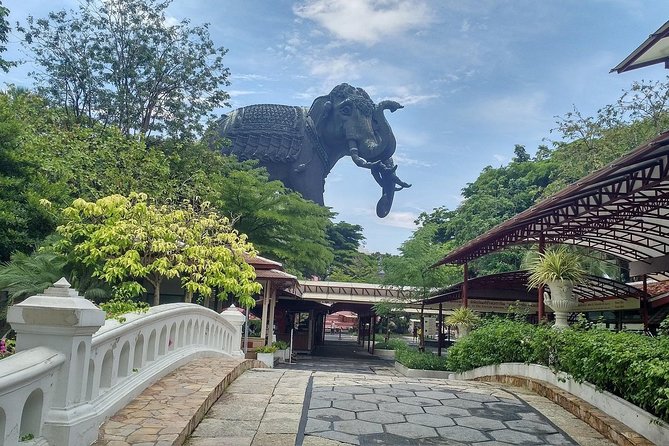
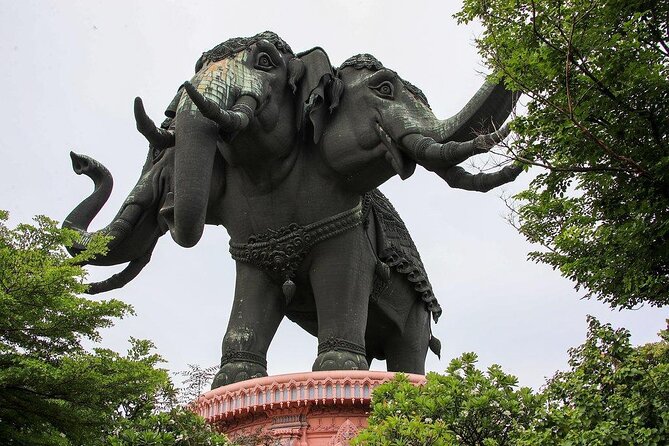
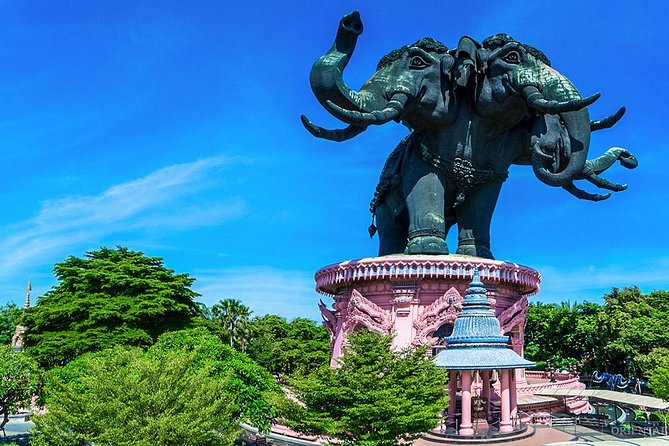
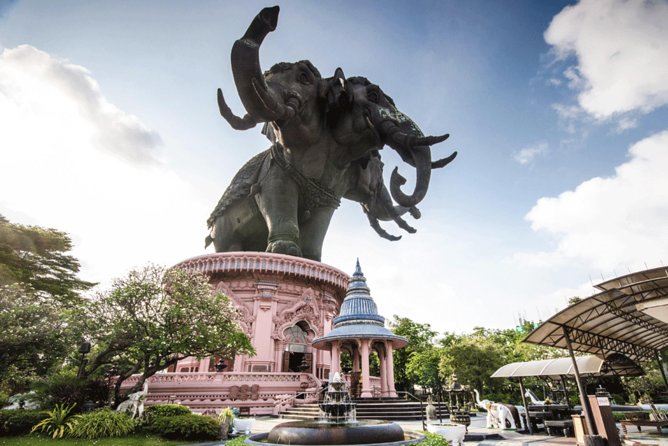
That elephant ruins your sense of scale. The Erawan Museum in Samut Prakan is built around a massive three-headed elephant you can see from far away, and the staircase and interior design make the building feel more like a monument than a typical museum.
I love how the visit feels organized in layers. Inside, you go through three levels tied to the underworld, earth, and heaven, with Thai antiques, ancient artifacts, and Buddhist statues arranged to match the theme. The audio guide also helps you move through it at a calm pace.
One heads-up: timing matters if you want easy photos. The site can get busy with big tour groups, and that can make some views and picture-taking more awkward, especially at peak hours.
In This Review
- Key Highlights You Shouldn’t Miss
- The Three-Headed Elephant on the Roof
- Inside the Museum: Underworld, Earth, and Heaven
- Staircases and Gardens: Where the Photos Actually Work
- Audio Guide Time: Plan for About 30 Minutes, Not 5
- Price and Value: $16.21 Can Make Sense If You Use the Audio
- Getting There From Bangkok With BTS to Chang Erawan Station
- When the Crowds Affect Your Experience (And How to Beat Them)
- Who This Is Best For
- Should You Book This Erawan Museum Visit?
- FAQ
- What is the Erawan Museum experience like?
- Where is the Erawan Museum?
- How long should I plan to spend there?
- What are the opening hours?
- What’s included with the ticket?
- What languages is the audio guide available in?
- How do I get there from Bangkok using public transit?
- Is transportation to the museum included?
Key Highlights You Shouldn’t Miss
- Three-headed elephant on top: the signature exterior that looks unreal up close
- Three levels (underworld, earth, heaven): a clear spiritual layout rather than random rooms
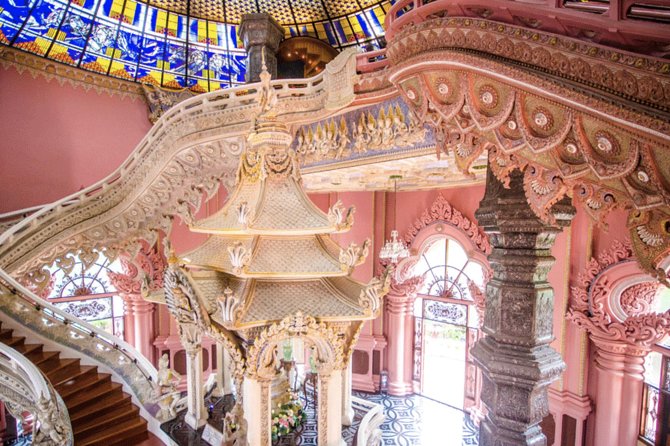
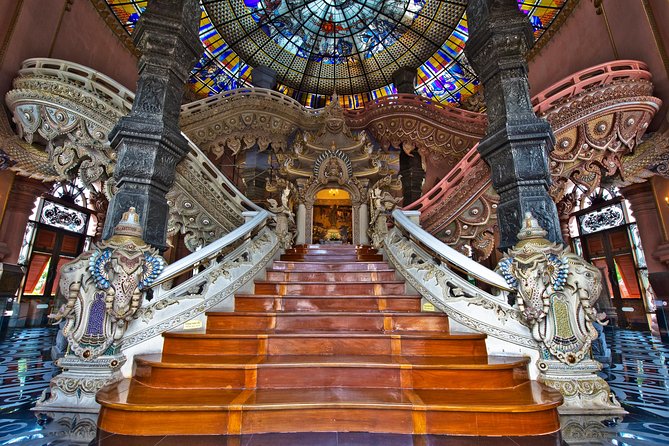
- Incredible staircase: a standout photo moment and a big part of the architecture
- Gardens with model elephants: extra atmosphere beyond the main halls
- Multi-language audio guide: you can take your time instead of rushing through text
The Three-Headed Elephant on the Roof
If you’re the type who likes your day trips with a big visual payoff, this is your stop. The Erawan Museum is famous for one thing first: a gigantic elephant figure with three heads that crowns the building. From the moment you arrive, you get a strong sense that this place was designed to impress before you even step inside.
You’ll also notice how the architecture guides your attention. The building isn’t a simple box. It’s sculpted in a way that feels intentional, like you’re meant to keep looking up, then move around to catch new angles. Even if you only remember one moment, make it the first time you see the elephant in full scale. It’s one of those sights where a photo just doesn’t do the proportions justice.
This is also where the museum earns its broad appeal. History and art fans get something tangible to examine. Spiritual-curious visitors get a setting built around Buddhist symbolism. And casual photo hunters get an iconic subject that’s easy to understand fast.
You can also read our reviews of more museum experiences in Bangkok


Inside the Museum: Underworld, Earth, and Heaven

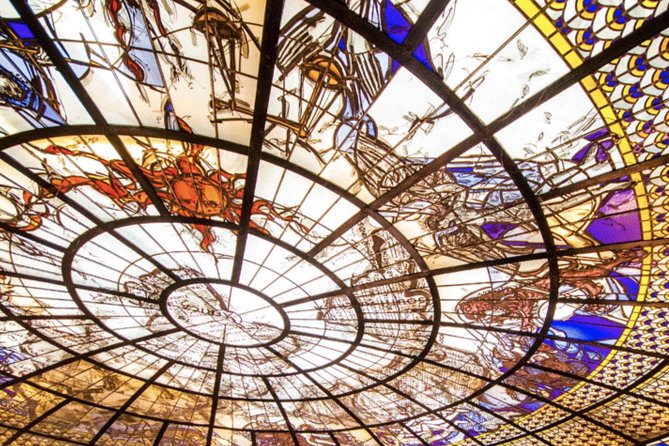
Stepping indoors changes the mood. Instead of a typical collection room-by-room, you’re moving through a structure with a clear spiritual theme: three levels representing the underworld, earth, and heaven. That design choice matters, because it turns a visit into a story you can actually follow without needing a lot of background first.
On these levels, you’ll find Thai antiques, ancient artifacts, and revered Buddhist statues. Some of what you see is about craftsmanship and age. Some of it is about meaning and symbolism. Either way, the museum structure helps you connect the art to the setting, instead of treating it like a storage space for objects.
If you’re short on time, this layout still works for you. You can take in the big architectural elements, then focus on the statues and relics that catch your eye most. If you have more time, you can slow down and read the audio guide content more carefully, especially around the sections that explain the underworld/earth/heaven theme.
Staircases and Gardens: Where the Photos Actually Work
The building is famous for its elephant theme, but don’t ignore the parts that make the experience feel special day-to-day: the staircase and the surrounding gardens.
The staircase is more than a functional climb. It’s a key architectural feature, and it’s one of those spots where you’ll understand why people plan their timing around it. If you want clean shots, aim for earlier in the day (or whenever you’re able to beat the biggest group surges). Big groups can gather quickly, and when that happens, photo angles get crowded.
Then there are the grounds. The museum isn’t just inside walls. You’ll have lush open space around you, with model elephants adding a playful layer to the experience. Even if you’re not the type to linger in museums for hours, the garden area gives your brain a rest between the more detailed indoor sections.
Practical tip: wear shoes that handle outdoor walking and stairs comfortably. You’ll move around more than you might expect from a half-hour ticket promise, mainly because the building invites looping movement.
Audio Guide Time: Plan for About 30 Minutes, Not 5
The audio guide is a big reason this visit feels approachable. The museum provides an audio guide in multiple languages: English, Chinese, Russian, Thai, and Korean. For this specific ticket package, the audio guide device service is offered in English and Chinese.
That matters because you can choose how you want to experience the place. If you want a quick, meaningful overview, you can do it in about 30 minutes. If you want to watch your step on the stairs, look longer at statues, and pause for garden photos, you can stretch beyond that.
You’ll also appreciate the flexibility built into the experience window, since the overall duration is listed as roughly 30 minutes up to 10 hours (depending on how much you linger). That wide range is realistic here. This isn’t a “see it and leave” museum. It rewards slowing down a bit, especially with the audio guide doing the heavy lifting on context.
If you’re traveling with kids or just hate reading labels, audio guide time is your friend. It keeps you from feeling lost in a large structure while still giving you something to listen for as you move through each level.
Price and Value: $16.21 Can Make Sense If You Use the Audio
This ticket price is $16.21 per person, and it’s often booked in advance (on average about 19 days). Whether it feels like a good deal depends on what you want from the visit.
Here’s the value angle that helps: this option has been positioned as about 40% cheaper than gate prices, so if you were already thinking of paying on arrival, this is typically the safer choice. You also get the entry ticket included (not just a general pass), plus an audio guide device service and items for a ritual-style moment.
What’s included:
- Entry ticket to the Erawan Museum (foreigners only)
- Audio guide device service (English and Chinese)
- Flower, incense sticks, and lotus for floating in water
What’s not included:
- Transportation to and from the museum
- Donation (optional)
- Personal expenses
Think of this as a cultural stop you can cover without adding extra costs on site. If you plan to use the audio guide and enjoy the atmosphere (especially the gardens), the price is easier to justify. If you’re determined to speed-run the visit in 10 minutes flat, it may feel like more money than you wanted.






Getting There From Bangkok With BTS to Chang Erawan Station
The museum is in Samut Prakan Province, which sounds far until you do the simple route.
Use the BTS Skytrain to Chang Erawan Station. From there, it’s about a 5 to 10 minute walk to the museum. That short walk is part of why this is workable as a day plan, even if you’re already staying in central Bangkok.
A practical note from common on-the-ground experience: the BTS can be very air-conditioned. If you step out into warmer weather right after, you’ll feel the temperature contrast right away. Bring light layers if you’re sensitive to cold.
Since transportation to and from the museum isn’t included, decide how you’ll handle that before you go. BTS plus walking is usually the cleanest option. If you’d rather taxi part of the way, that’s fine too—just remember you’re saving time, not necessarily money.
When the Crowds Affect Your Experience (And How to Beat Them)
One review theme pops up clearly: the museum can feel crowded, especially when big group tours arrive. That doesn’t mean you should skip it. It does mean your comfort depends on when you show up.
If your goal is calm viewing of the statues and clear photo angles, plan for a less crowded time slot. If your goal is simply to see the elephant structure and get your bearings, you can handle a busier moment more easily.
Also, if photos matter to you, be ready for a tradeoff. When groups gather, certain views become harder to compose without heads in the frame. Your best strategy is to move with purpose: hit the elephant moment first, then shift to staircase and gardens when the indoor crowd ebbs, rather than trying to linger at a single spot.
And yes—crowds can also be useful. You’ll find it easier to ask for directions, and the energy around the main sights tends to keep people engaged rather than bored and scattered.
Who This Is Best For
This museum works well for a lot of travelers, but it shines for specific types of people:
- You want a structured cultural stop with a recognizable theme (three-headed elephant, three sacred levels).
- You like architecture as much as artifacts. The staircase and layout are major draws.
- You prefer guided context without needing a live guide—audio guide does the job.
- You can spare at least 30 minutes, ideally a bit more if you want the gardens and photos.
If you’re only into hands-on museum activities, this may feel more observational than interactive. If you dislike crowds, you’ll need smart timing. But if you like seeing how religion, art, and design blend into one place, you’ll likely enjoy the visit.
Should You Book This Erawan Museum Visit?
Book it if you want an iconic Bangkok-area experience that doesn’t require heavy planning. The ticket price is reasonable when you factor in entry plus an audio guide device and the included floating-ritual items. And because it’s easy to reach via BTS to Chang Erawan Station plus a short walk, it fits cleanly into a day plan.
Skip or rethink if:
- You’re extremely photo-obsessed and only visit at peak times
- You want a super short stop with minimal walking
- You expect a standard museum layout where everything is equally spread out and quick to skim
If you go with a simple plan—see the elephant first, use the audio guide to guide your pace, then enjoy the staircase and gardens—you’ll get more out of the visit than you’d expect from a single ticket.
FAQ
What is the Erawan Museum experience like?
It’s a cultural museum set inside a large, elephant-shaped structure. The highlights include a massive three-headed elephant on top, and three levels inside that represent the underworld, earth, and heaven, with Thai antiques, ancient artifacts, and Buddhist statues. The grounds and gardens also add a calmer outdoor feel.
Where is the Erawan Museum?
It’s located in Samut Prakan Province, near Bangkok.
How long should I plan to spend there?
With the audio guide, a suggested time is about 30 minutes. The experience duration is listed as roughly 30 minutes up to 10 hours, depending on how much you explore and photograph.
What are the opening hours?
Monday through Sunday, the museum is open from 9:00 AM to 7:00 PM.
What’s included with the ticket?
Included items are the entry ticket to the Erawan Museum (for foreigners), an audio guide device service, and flower, incense sticks, and lotus for floating in water.
What languages is the audio guide available in?
The audio guide is described as available in five languages: English, Chinese, Russian, Thai, and Korean. The included audio guide service for this ticket package is in English and Chinese.
How do I get there from Bangkok using public transit?
Take the BTS Skytrain to Chang Erawan Station, then walk about 5 to 10 minutes to reach the museum.
Is transportation to the museum included?
No. Transportation from and to the museum is not included, so you’ll need to plan your own way to arrive.