REVIEW · SAMUT PRAKAN
Samut Prakan: The Erawan Museum Admission Ticket (NON THAI)
Book on GetYourGuide →Operated by OTO TRIP SERVICE CO., LTD · Bookable on GetYourGuide
A museum shaped like a myth is a good start. What makes the Erawan Museum tick is the sheer scale of the three-headed bronze elephant and how the displays are arranged across Underworld, Earth, and Heaven. I love the way it feels both like a temple visit and a serious art-and-collectibles stop. The one catch: you have to plan around the specific date/time you book, and the dress code is strict.
This ticket is also a strong value if you want big photo moments without hauling a bunch of extras. You get admission plus small ritual items like flowers, incense, and a lotus flower, and you can walk around the museum areas beyond the main galleries. The possible drawback for some people is the rules: no shorts, short skirts, or sleeveless shirts, and no food or drinks inside.
If you like cultural context, this place delivers. The elephant design comes from Hindu mythology linked to Airavata, and the story behind the builder, Lek Viriyapant and his son Pagpean Viriyapant, is the kind of detail that makes the architecture feel personal, not generic.
In This Review
- Key things I’d center in your plan
- Meet the Airavata: the three-headed bronze elephant
- The Underworld, Earth, and Heaven sections inside
- Why Lek Viriyapant’s antique mission still shapes the building
- Photo opportunities without turning the place into a zoo
- BTS to Chang Erawan: reaching the museum with less hassle
- What the ticket includes, and where the real value comes from
- Rules that actually affect your day
- Who this fits best (and who might want a different stop)
- Should you book the Samut Prakan Erawan Museum admission ticket?
- FAQ
- What is included with the Erawan Museum admission ticket (non Thai)?
- How long can I visit with this ticket?
- Do I need to visit on a specific date and time?
- How do I get to the museum using public transit?
- Are there dress code or behavior rules?
- Can I take photos or videos?
Key things I’d center in your plan
- The 3-headed Airavata elephant: massive, bronze, and the visual anchor for your whole visit
- Three symbolic sections: Underworld, Earth, and Heaven, so you feel you’re moving through a system
- Ritual extras with admission: flowers, incense, and a lotus flower are included
- Great photo angles indoors and outdoors: plus rules that keep the space respectful
- Easy BTS access: Green Line to Chang Erawan Station, then a free shuttle tuk-tuk
Meet the Airavata: the three-headed bronze elephant
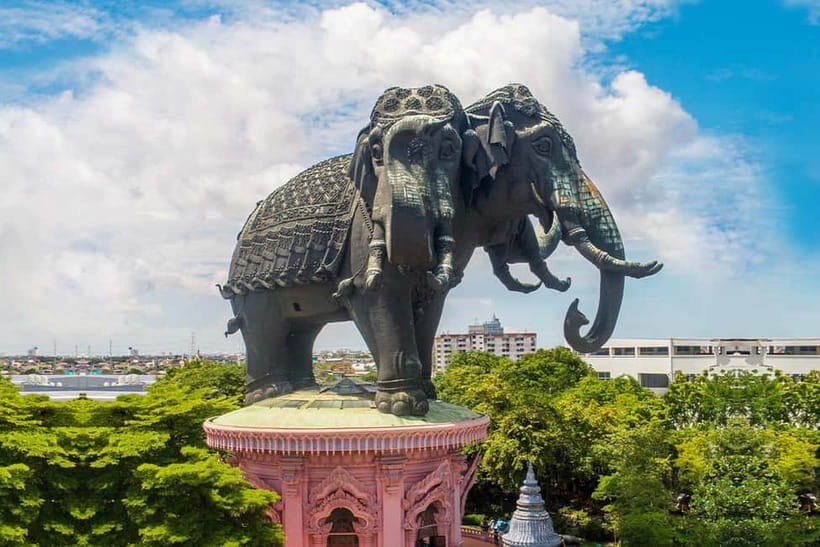
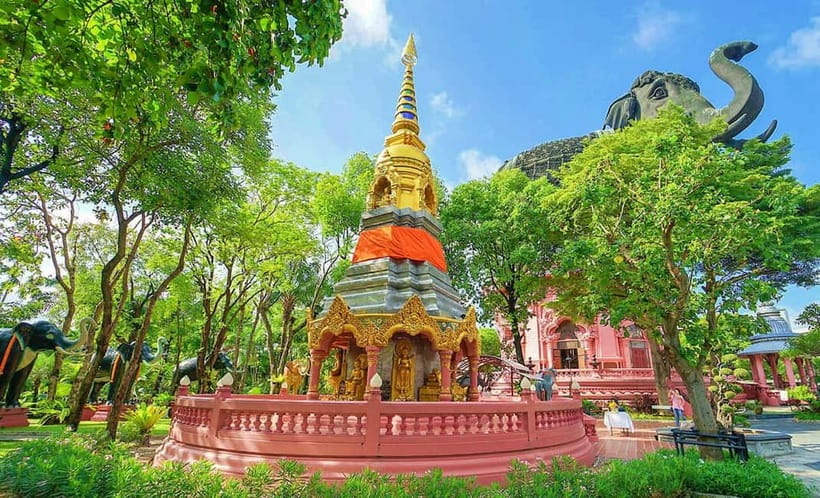
The first thing you’ll clock is the scale. The Erawan Museum is built around a colossal 3-headed bronze elephant, inspired by the mythological Airavata from Hindu stories. It’s not a small “photo spot.” It’s the kind of monument where you naturally step back, then circle a bit, then step back again because it’s hard to take in all three heads and the full form at once.
What I like most is that the design isn’t random. The elephant is tied to the figure of God Indra, and it’s shown standing on a sphere. That globe-like base matters because it signals protection—over the earth and over the sacred objects placed within. So even if you’re visiting for the look, the symbolism gives you a clearer read on why the museum is shaped the way it is.
You also get a sense of purpose right away because of the story behind the builder. Lek Viriyapant, an antique collector, created this museum to preserve priceless items as heritage for future generations. That mission comes through when you’re standing in front of the statue. You’re not just looking at an attraction; you’re witnessing a family’s long-term effort to keep a collection meaningful.
If you’re the type who likes a quick orientation, this is it: start by photographing the elephant from the outside, then head in with the idea that the statue is the “map legend” for what you’ll see next.
You can also read our reviews of more tours and experiences in Samut Prakan
The Underworld, Earth, and Heaven sections inside
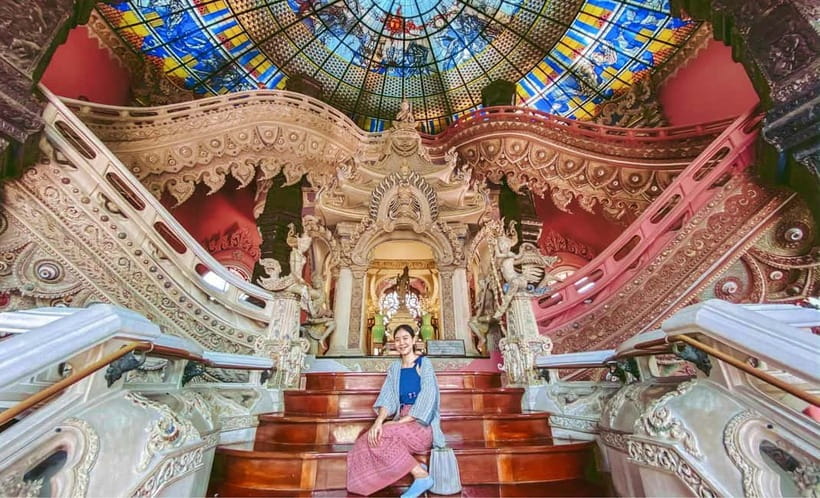
Once you enter, the museum’s internal structure keeps you from feeling like you’re wandering. The visit is organized into three sections: Underworld, Earth, and Heaven. Those labels are simple, but they help you understand what the museum is trying to do—arrange sacred objects and artworks into distinct realms rather than throw everything into one room.
Here’s why that matters for your experience. If you’ve visited big museums where the collection feels like a wall-to-wall sprint, this setup gives you mental checkpoints. You can move through the spaces and think, okay, this is the next realm, not just the next corridor.
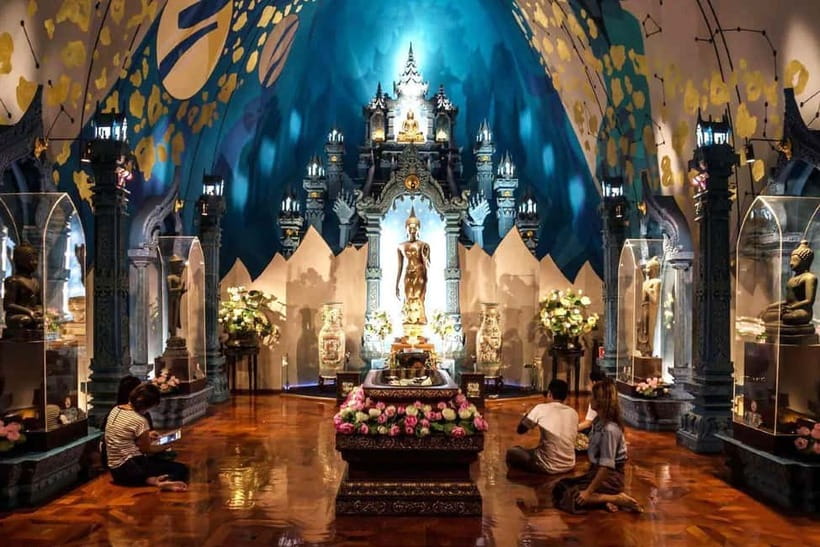
It’s also where the included items make sense. The admission ticket includes flowers, incense, and a lotus flower. Even if you’re not performing a ritual yourself, having those offerings available shapes the mood. You’re visiting a place with reverence built into the entry experience, not just browsing for objects.
One more useful thing: many of the sacred objects included are described as dating back to ancient times, when people believed those items brought blessing and prosperity to their land. You won’t need a long lecture to catch the vibe; you can just slow down and look at how the collection is presented as meaningful, not merely decorative.
Practical tip: plan for time to pause and re-check your bearings between sections. The museum is designed so you can follow the concept of realms, but your photos and movement can easily make you feel like you’re on a loop if you don’t watch your route.
Why Lek Viriyapant’s antique mission still shapes the building
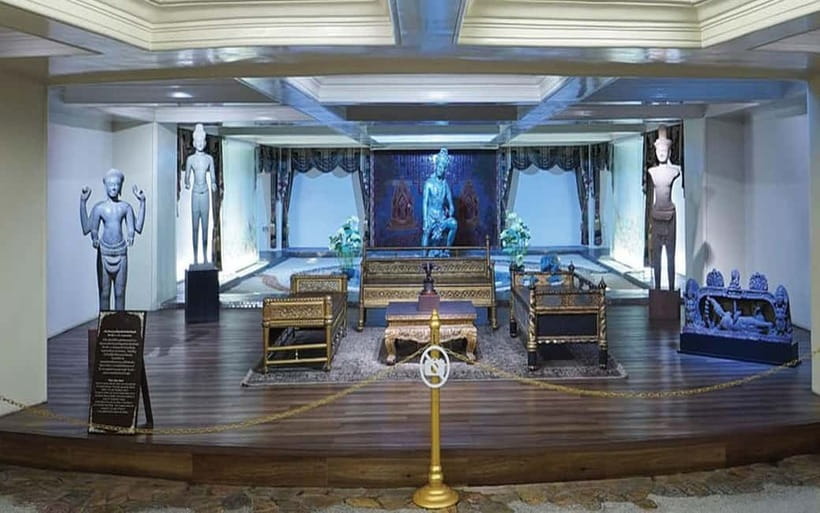
The museum isn’t just about mythology. It’s also about collecting and preserving. Lek Viriyapant, a well-known antique collector, wanted to protect his priceless antique collection as cultural heritage. His goal was to keep the sacred objects and artworks for the next generation, not let them disappear into private drawers.
Then came the family work. After the design was finalized, Lek Viriyapant handed the blueprint to his son, Pagpean Viriyapant, to handle construction. Even before the building was completed, people gathered to worship the massive symbol and the sacred objects tied to the legend of Lek’s commitment. That tells you something important: the museum’s meaning started before it even opened as the full physical site you’ll visit.
Lek and Pagpean both passed away before construction finished, but the family continued the wish to create the museum for future generations. You can feel that continuity when you’re inside. It’s not a one-season exhibition. It’s a long project that grew out of one collector’s desire to make his collection part of Thai cultural memory.
And since you’re seeing Airavata through a distinctly Thai interpretation, you also get a cultural cross-connection. Airavata isn’t just a random fantasy elephant here. In Hindu mythology, the elephant acts as a vehicle of God Indra. That myth link, plus the globe-like base representing protection, ties the building’s big visual statement to the idea of guarding and preserving sacred things.
If you enjoy context you can actually use, remember this: the museum’s design choices have a reason. When you understand the “why,” the interior stops feeling like a curiosity and starts feeling like a system.
Photo opportunities without turning the place into a zoo
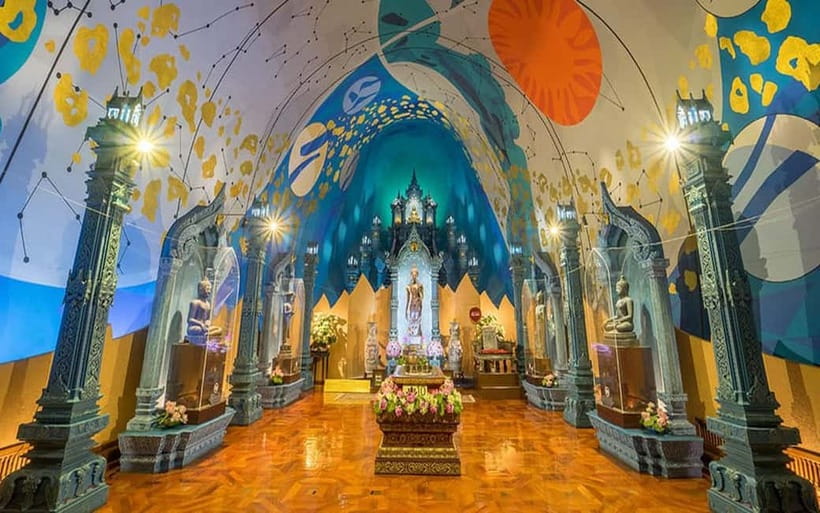
You’ll likely want photos. There are plenty of photo opportunities both inside and outside, and the elephant itself gives you strong angles from multiple directions. Plan for a few short rounds rather than trying to shoot everything in one rush.
Important rules keep the atmosphere respectful. Taking pictures or videos for commercial purposes is not permitted inside the museum. That’s a big signal that this is meant for personal visiting, not brand-style filming. You should also expect to be quiet and respectful while you’re there.
What I find helpful is thinking about the “photo plan” as two modes:
- Outside: grab the full statue shots and then come back for closer details
- Inside: take fewer photos, but pause longer so the objects can register
Also, keep clothing rules in mind because it affects what you can comfortably do while moving around and posing. Shorts and short skirts are not allowed. Sleeveless shirts are not allowed. It’s easy to show up underdressed and then feel rushed at the entry point. Dress modestly from the start and you’ll save time and stress.
Lastly, don’t bring food or drink. That rule is listed, so treat it as a full indoor etiquette sign: keep the visit clean, quiet, and focused.
BTS to Chang Erawan: reaching the museum with less hassle
Getting there is one of the easiest parts. You can access the museum by using the BTS Skytrain Green Line. Exit at Chang Erawan Station (E17), Exit 2, and you’ll find a free pick-up service by shuttle tuk-tuk every day.
Why I’m calling this out: a lot of Bangkok-area attractions sound hard until you learn the nearest rail stop and the final transfer option. Here, you get a clear rail exit and a free last-mile shuttle. That means less taxi time and fewer “find the driver” moments.
If you’re trying to fit the museum into a day that includes other sights, the 8-hour duration on your ticket gives you breathing room. You don’t have to compress everything into a 90-minute sprint. That’s especially useful because you’ll probably want photos and some time to read what’s in front of you.
One more planning detail: your ticket is valid only for the specified date and time after you booked. So while the shuttle helps you get there, don’t assume you can show up whenever you feel like it. Match your arrival with your booked time window.
What the ticket includes, and where the real value comes from
At around $12 per person, this admission isn’t expensive for a full, concept-driven museum visit. The value isn’t just the price tag. It’s what comes with it and what it saves you from organizing.
Included items:
- Admission to the Erawan Museum
- Flowers, incense, and a lotus flower
- Access to any area surrounding the museum
- All taxes and fees
Not included:
- Transfers
- Other personal expenses
The best value angle for most people is the ritual kit. Many cultural sites make you buy offerings or bring your own. Here, you get flowers, incense, and a lotus flower as part of the ticket, which makes it easier to respect the setting without extra stops.
Also, the access to areas surrounding the museum is underrated. If you only focus on the interior rooms, you’ll miss time outside where you can get the monument in full frame. And those exterior views matter here because the elephant is the centerpiece.
You should also like the “skip the ticket line” feature if you’re arriving during a busy period. It keeps your time focused on the museum itself instead of waiting.
Rules that actually affect your day
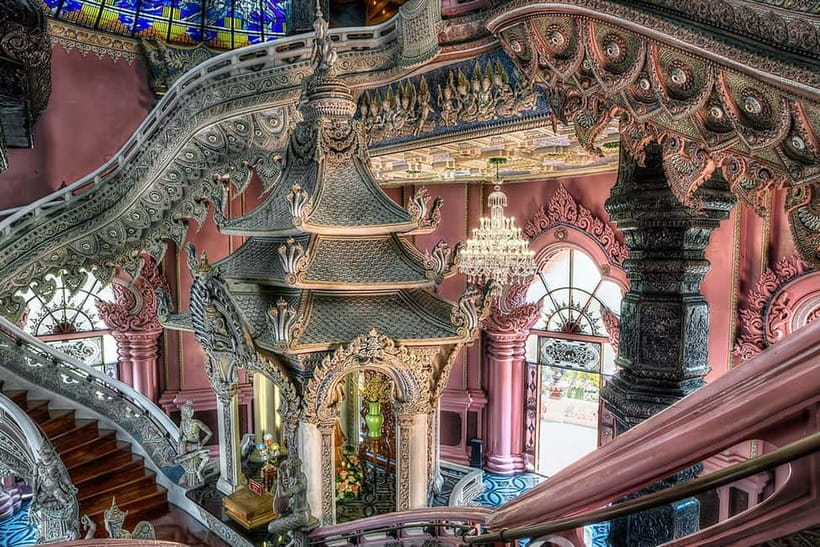
A museum with a temple-like feel comes with behavior expectations, and the Erawan Museum’s rules are clear. If you show up prepared, your visit flows. If you don’t, you’ll burn time fixing clothing or dealing with restrictions.
Here are the rules that can change your plans:
- Pets are not allowed
- Shorts and short skirts are not allowed
- Sleeveless shirts are not allowed
- Food and drinks are not permitted
- Alcohol and drugs are not allowed
Then there’s the conduct side:
- Please dress modestly
- Please be quiet and respectful during your visiting
- Commercial photo or video use is not permitted inside
My practical advice: treat the dress code like you would a temple. Wear something that covers shoulders and keeps hems longer. It’s not just about rules; it’s about comfort and not having to constantly adjust your outfit while you’re looking up at bronze and moving between sections.
Who this fits best (and who might want a different stop)
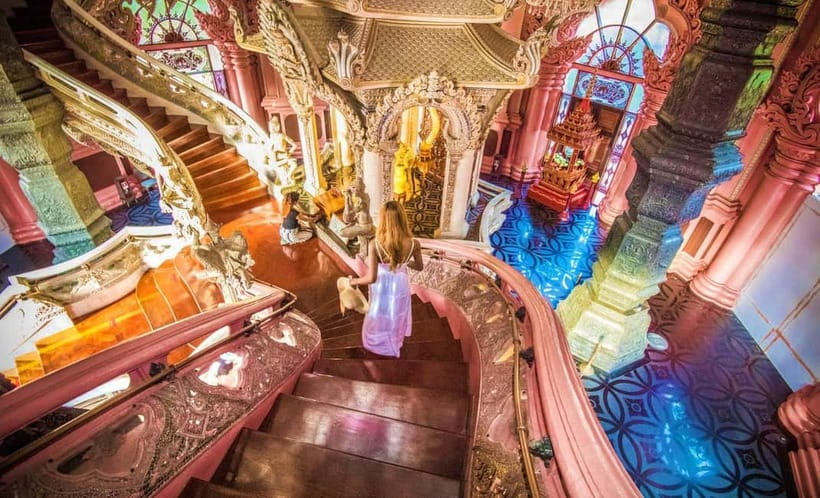
This ticket makes sense if you want a cultural experience that’s visually dramatic and logically organized. The three-headed elephant is a major draw, but the real fit is for people who like symbolism with their photos.
It’s a good match for:
- First-time visitors to the Bangkok area who want one anchor attraction
- People who appreciate Hindu mythology references like Airavata and Indra, even without going deep on theology
- Anyone who likes museums where the layout helps you understand what you’re seeing across multiple realms
It might feel less ideal if:
- You hate dress codes and prefer casual beachwear
- You want a fully casual, eat-and-snack style visit (food and drinks are not permitted)
- You need maximum flexibility to arrive whenever you want (you must visit on the specified date/time you booked)
Still, for most travelers who plan ahead, it’s the kind of place that rewards a calm pace.
Should you book the Samut Prakan Erawan Museum admission ticket?
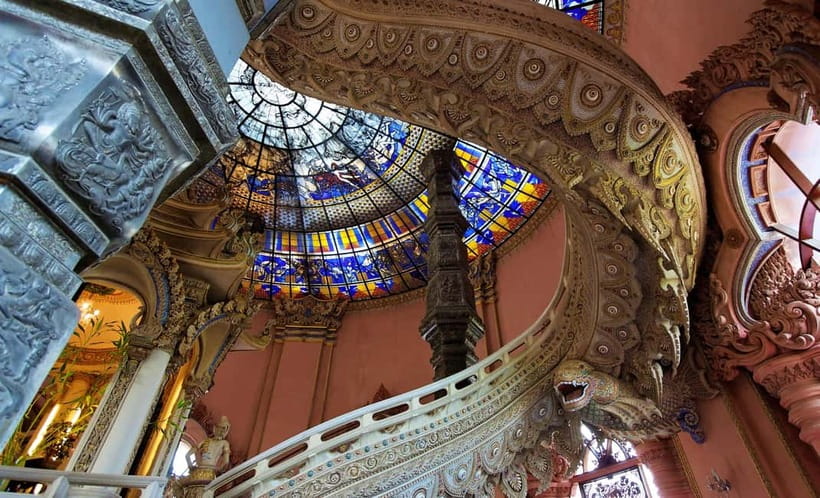
Yes, I’d book it if you want an art-and-myth experience that’s centered on one unforgettable centerpiece. The value is strong for the price, and the included flowers, incense, and lotus flower make it feel like more than a quick photo stop. If you’re already near BTS Green Line, the Chang Erawan route with the free shuttle tuk-tuk is a big plus.
Skip it only if the dress rules will be a dealbreaker for your current outfit choices, or if you really need total arrival flexibility. The museum works best when you’re ready to treat it with respect and give yourself a few hours to move room to room.
If your schedule allows, this is one of those tickets that tends to pay off fast: you get a massive statue, a structured interior experience, and lots of photo opportunities without extra add-ons.
FAQ
What is included with the Erawan Museum admission ticket (non Thai)?
The ticket includes admission to the Erawan Museum, flowers, incense, and a lotus flower, access to any area surrounding the museum, and all taxes and fees.
How long can I visit with this ticket?
The ticket is valid for 8 hours.
Do I need to visit on a specific date and time?
Yes. You can only visit Erawan Museum on the specified date and time after you booked.
How do I get to the museum using public transit?
Take the BTS Skytrain Green Line and exit at Chang Erawan Station (E17) Exit 2. There is a free pick-up service by shuttle tuk-tuk every day.
Are there dress code or behavior rules?
Yes. Short skirts, shorts, and sleeveless shirts are not allowed. You should dress modestly and be quiet and respectful.
Can I take photos or videos?
You can take pictures or videos inside, but taking pictures or videos for commercial purposes is not permitted. Food and drinks are also not permitted.